




7 Proven Ways Drilling Engineers Can Extend PDC Drill Bit ROP and Lifespan
Contact Hainaisen
Email: hainaisen@hnsdrillbit.com
Tel: +86 17791389758
The most effective way to improve rate of penetration (ROP) and extend knowledge/durability-and-lifespan-enhancement-techniques-for-polycrystalline-diamond-compact-drill-bits?utm_source=chatgpt.com">PDC drill bit life is to match the bit design to the formation, optimize weight on bit (WOB) and rotary speed (RPM), maintain efficient hole cleaning, and identify abnormal wear before it leads to premature failure. A Three Blade Oil Drill Bit can be suitable for certain drilling applications when its cutter arrangement, hydraulic capacity, and operating characteristics match the formation. However, blade count alone does not determine drilling performance.
Drilling engineers often face a difficult trade-off: increasing ROP can raise torque, vibration, and cutter loading, while extending bit life may require more conservative operating parameters. The right approach is not simply to drill faster or reduce WOB. It is to identify the dominant cause of poor performance and adjust the bit and drilling system accordingly.
This guide explains seven practical ways to improve drilling efficiency in shale, sandstone, limestone, and interbedded formations. It also covers bit selection, hydraulic design, operating practices, and wear monitoring to help reduce unnecessary trips and make better use of every bit run.
1. Diagnose the Formation and the Causes of Poor Bit Performance
1. Match the bit to formation hardness and abrasiveness
Formation hardness and abrasiveness are related, but they are not the same. A hard, relatively uniform limestone may respond well to a different cutter configuration than abrasive sandstone containing quartz. Interbedded formations create another challenge: cutters encounter changing rock strengths, resulting in fluctuating loads and a greater risk of impact damage.
Before selecting a bit, review offset-well records, formation descriptions, drilling logs, and dull-bit reports. Pay particular attention to:
- Unconfined compressive strength (UCS): Helps estimate the force required to fracture the rock.
- Abrasiveness: Influences diamond-table wear and cutting-edge degradation.
- Formation variability: Determines how frequently cutters encounter changes in resistance.
- Downhole conditions: Temperature, pressure, well inclination, and drilling-fluid properties influence operating limits and cleaning efficiency.
A bit that performs well in homogeneous shale may lose efficiency in a sandstone-limestone sequence. In that situation, a more impact-resistant cutter arrangement or a revised blade and cutter layout may deliver better overall footage, even if its initial ROP is not the highest.
2. Identify the actual drilling limitation before changing parameters
Low ROP does not always indicate worn cutters. The underlying cause may be insufficient WOB, poor hydraulic cleaning, excessive vibration, bit balling, or a harder-than-expected formation.
Compare ROP with WOB, RPM, torque, standpipe pressure, and flow rate. If ROP declines while torque rises, the bit may be encountering a harder interval, accumulating cuttings, or experiencing unstable engagement. If ROP falls while torque remains relatively steady, investigate cutter wear, cleaning efficiency, and changes in formation strength.
Diagnose the failure mode before increasing drilling intensity. Raising WOB against a worn or poorly cleaned bit may increase mechanical damage without restoring efficient cutting.
2. Optimize Bit Design, Drilling Parameters, and Hole Cleaning
3. Select the right cutter size, layout, and blade configuration
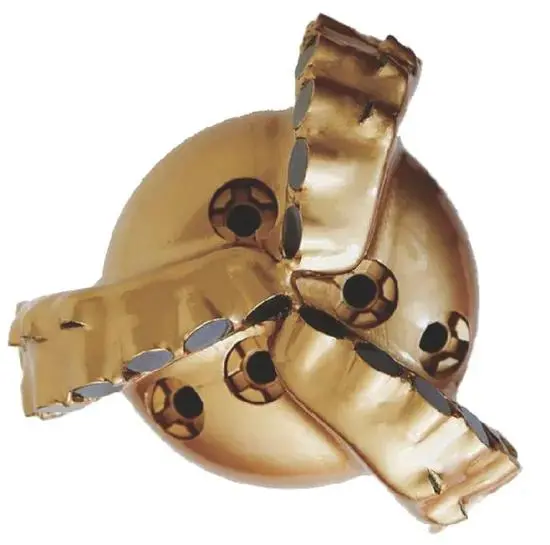
Cutter selection determines how the bit engages the formation, distributes loads, and resists wear. Larger cutters can provide greater cutting coverage, but they may also experience higher loads in demanding formations. Smaller cutters or more closely controlled cutter spacing may be useful where impact resistance, load distribution, or cutting-edge durability takes priority.
Engineers should evaluate these design factors together:
- Cutter type and size: Match cutting aggressiveness and impact resistance to rock strength and expected loading.
- Cutter exposure and back rake: Balance cutting efficiency against cutter stress and stability.
- Blade configuration: Consider blade count, available flow paths, cutter density, and expected torque response.
- Gauge protection: Maintain hole diameter and reduce gauge wear, particularly in long directional and horizontal intervals.
- Bit-body material: Select matrix or steel construction according to the application and operating environment.
A three-blade configuration may be worth evaluating where its cutting structure and open flow passages support effective drilling and cuttings evacuation. The final choice should still depend on formation abrasiveness, well trajectory, hydraulic capacity, torque limits, and required stability. Three blades are not automatically superior to four-, five-, or six-blade designs.
4. Tune WOB and RPM as a coordinated operating system
WOB and RPM directly influence cutter engagement and the amount of energy transferred into the formation. Excessive WOB can overload cutters, increase torque, and accelerate wear. Excessive RPM can increase heat generation and vibration, especially when the bit encounters hard stringers or uneven formation boundaries.
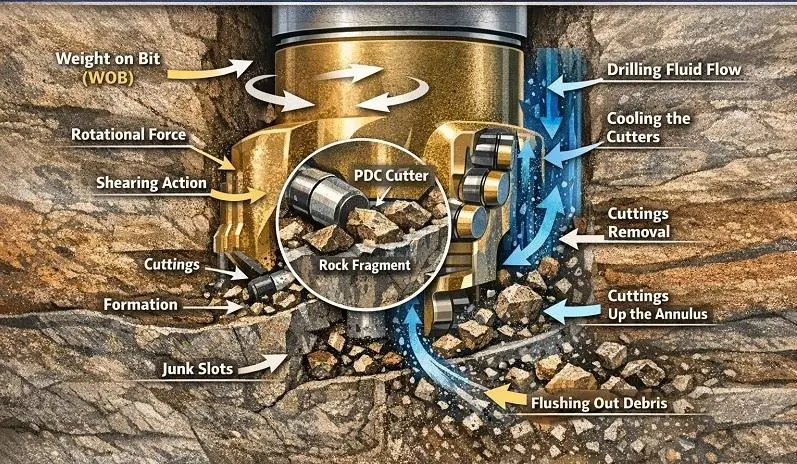
A disciplined adjustment process works better than changing several parameters simultaneously:
- Establish a stable baseline using the bit manufacturer's recommendations and the well program.
- Adjust WOB in controlled increments while monitoring ROP, torque, vibration, and pressure.
- Evaluate RPM separately where practical, looking for a stable operating range rather than the highest achievable speed.
- Reduce aggressive loading if stick-slip, repeated torque spikes, or damaging lateral vibration develops.
- Compare performance over representative intervals rather than judging the bit from a brief change in drilling response.
In directional and horizontal wells, surface WOB may not fully represent the load reaching the bit because of drillstring friction. Interpret surface measurements alongside downhole measurements when available.
The objective is to find a stable operating window in which the cutters remove rock efficiently without excessive mechanical or thermal stress.
5. Improve hydraulics and keep the cutting structure clean
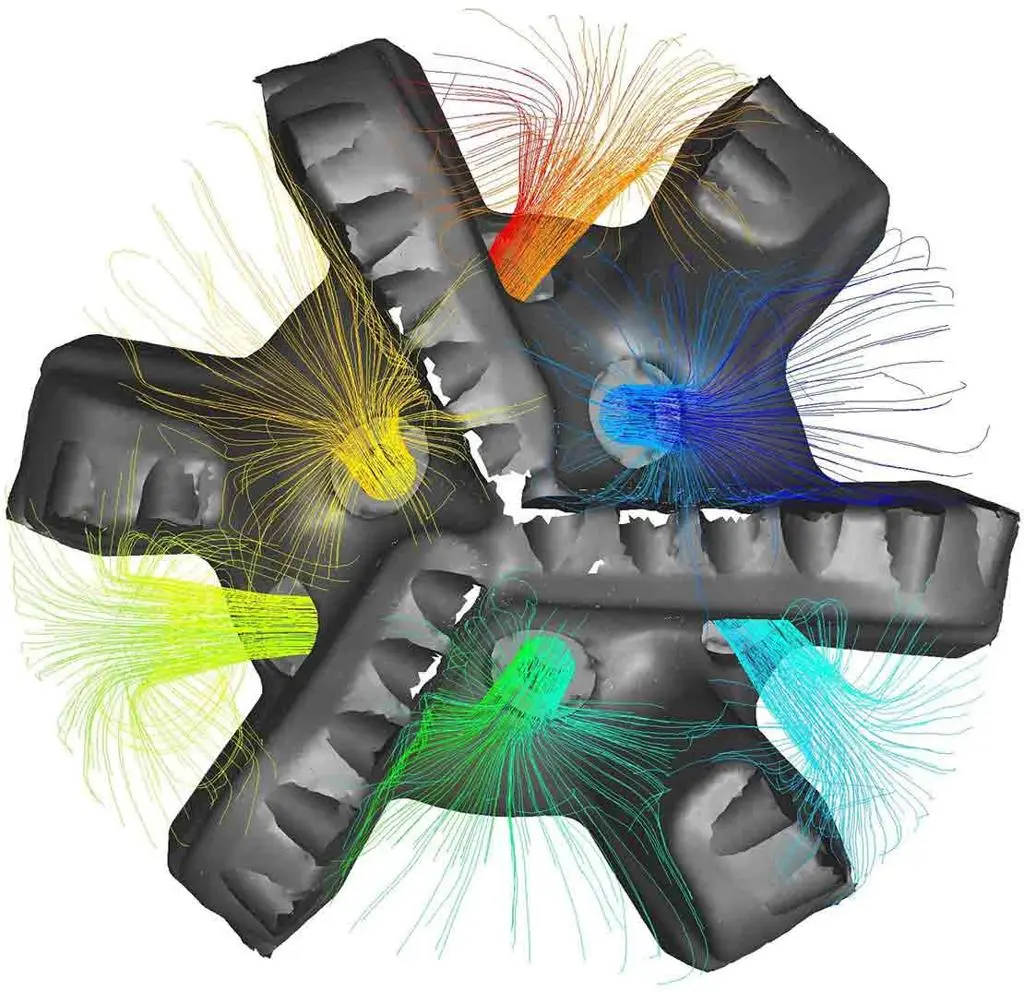
Hydraulic design is often underestimated when drilling performance deteriorates. Cuttings that remain around the bit can be reground, restrict cutter engagement, and contribute to bit balling. In sticky shale, inadequate cleaning can cause a rapid ROP decline. In inclined wells, cuttings transport becomes more difficult because solids may accumulate along the low side of the hole.
Evaluate nozzle sizing, total flow area, flow rate, pressure availability, and the placement of fluid outlets. The objective is to direct sufficient fluid toward the cutting structure while maintaining the required circulation performance.
Before increasing flow rate, confirm that the pumps, drillstring, surface equipment, and pressure limits can accommodate the change. Review drilling-fluid rheology and annular cleaning as well; good bit hydraulics cannot compensate for poor hole cleaning throughout the wellbore.
Practical actions include:
- Inspecting nozzles for plugging, erosion, and incorrect installation.
- Reviewing flow rate and standpipe pressure trends for signs of hydraulic restrictions.
- Adjusting drilling-fluid properties and circulation practices to improve cuttings transport.
- Monitoring for bit balling and investigating an unexplained reduction in ROP.
6. Control vibration, torque fluctuations, and damaging impacts
PDC cutters are designed to withstand substantial drilling loads, but repeated impact and vibration can cause chipping, delamination, accelerated wear, or damage to the bit body. The risk increases in interbedded formations, fractured rock, and intervals with abrupt changes in compressive strength.
Engineers should use surface data and downhole vibration measurements, where available, to distinguish normal variations from persistent instability. Stick-slip may require a change in RPM, WOB, or the overall drilling control strategy. Whirl or lateral vibration may call for a different bit balance, cutter arrangement, or stabilizing approach.
Avoid assuming that one adjustment will solve every vibration problem. The correct response depends on the vibration mode, BHA configuration, well trajectory, and formation conditions.
A modest reduction in instantaneous ROP can be worthwhile if it prevents severe cutter damage and avoids an early trip. Evaluate performance using footage per run, total drilling time, and trip costs rather than instantaneous ROP alone.
7. Track wear trends and establish clear trip criteria
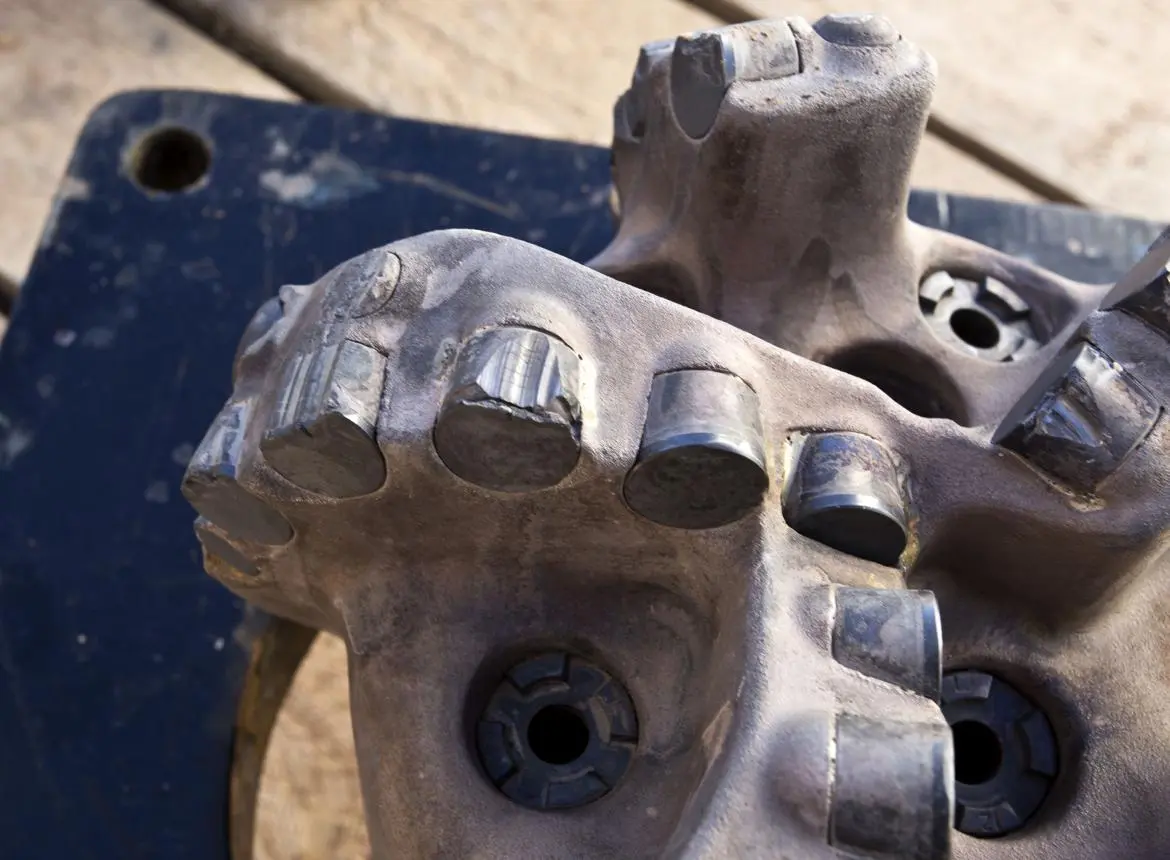
A disciplined bit-performance record helps engineers recognize when a bit is approaching the end of its useful operating life. Record drilling footage, operating hours, ROP by interval, WOB, RPM, torque, flow rate, pressure, and any downhole dysfunction.
After pulling the bit, document cutter wear, missing or chipped cutters, erosion, gauge condition, and damage to the blades or bit body. Where applicable, use the IADC dull grading system to standardize reporting and improve comparisons between runs.
Avoid waiting until ROP becomes unacceptable. Establish trip criteria based on the well program, mechanical risk, expected remaining footage, and the cost of an unplanned failure. A bit showing rapidly accelerating wear or repeated dysfunction may be more expensive to keep running than to replace.
An illustrative field scenario: Directional drilling through interbedded rock
Consider a drilling contractor operating in a Middle Eastern directional well with alternating shale, sandstone, and harder limestone stringers. The original bit delivers acceptable ROP in shale but experiences increasing torque and a sharp decline in penetration when it reaches harder intervals. The crew initially responds by increasing WOB, but the higher loading produces more pronounced torque fluctuations without a consistent improvement in footage.
A more systematic review identifies two issues: unstable cutter engagement in the harder stringers and insufficient cleaning under the existing hydraulic setup. The drilling team evaluates a more suitable cutter and blade configuration, adjusts WOB and RPM within the approved operating window, and reviews nozzle performance and circulation conditions.
The expected improvement is a more stable drilling response, fewer episodes of ineffective cutting, and better utilization of the bit over the interval. Actual results would need to be confirmed using run records and post-run dull inspection; no specific ROP or footage gain can be assumed without field data.
The lesson is straightforward: bit life and ROP should be optimized together through formation-based design, controlled operating changes, and measurable performance reviews.
3. Work with Hainaisen to Match Bit Design to Field Conditions
Formation-based selection and customized bit design
Choosing a PDC bit should begin with the drilling objective, not a standard blade count or a single cutter specification. Engineers should consider formation strength, abrasiveness, well trajectory, available hydraulic power, and the expected balance between penetration rate and footage per run.
Hainaisen supplies drilling tools for oil and gas, mining, and water well applications. Its product selection process can take account of formation characteristics, cutter technology, blade layout, hydraulic requirements, and gauge protection when evaluating a suitable configuration.
For operators considering a Three Blade Oil Drill Bit, the engineering review should establish whether the proposed design provides the required cutting efficiency, cleaning capacity, and stability for the intended interval. In abrasive formations, cutter durability and shoulder protection may deserve greater attention. In softer formations, efficient cutting removal and suitable cutter exposure may have a greater influence on performance.
A useful supplier review should cover:
- Stable product quality: Consistent manufacturing and inspection help reduce variation between bits.
- PDC cutter technology: Cutter properties and placement should reflect anticipated mechanical and thermal loads.
- Customized design: Blade configuration, cutter arrangement, nozzle options, and gauge features can be evaluated against the application.
- Professional technical support: Formation descriptions, offset-well records, drilling parameters, and dull-bit photographs help support informed recommendations.
- Export experience and communication: Clear specifications, responsive technical discussions, and coordination on delivery requirements help international customers manage procurement.
Hainaisen's approach is to match the product to the job rather than assume one configuration suits every formation. Before ordering, provide the hole size, formation description, well inclination, target depth, rig and BHA information, hydraulic limits, and performance history of the previous bit. These details give the technical team a stronger basis for recommending a suitable design.
A practical evaluation plan for the next bit run
A controlled field trial is the best way to determine whether a new bit configuration offers a genuine improvement.
- Establish a baseline. Record the previous bit's footage, operating hours, interval ROP, WOB, RPM, torque, flow rate, and dull condition.
- Agree on evaluation criteria. Set realistic targets for footage per run, overall ROP, vibration, and acceptable wear.
- Change variables deliberately. Avoid changing the bit design, mud properties, and several drilling parameters simultaneously unless operational safety requires it.
- Review the complete run. Include connection time, drilling dysfunction, trip time, and post-run inspection when assessing performance.
- Use the findings to refine selection. Apply actual field evidence to improve cutter layout, blade configuration, hydraulics, and operating recommendations.
The most useful performance measure is not simply the fastest interval ROP. It is the ability to drill the planned section efficiently, maintain acceptable hole quality, and complete the run without avoidable bit failure.
FAQ
1. What is the best way to increase PDC drill bit ROP?
Start by identifying the main limitation. Review formation strength, cutter condition, WOB, RPM, torque, and hydraulic performance. Make controlled adjustments within approved operating limits, then compare results across representative intervals.
2. How can I extend PDC bit life in abrasive sandstone?
Use a design with suitable wear resistance, cutter protection, and gauge durability. Monitor cutter wear and temperature-related performance degradation, maintain effective hole cleaning, and avoid excessive loading that accelerates diamond-table wear.
3. Does a three-blade PDC bit always drill faster than a five-blade bit?
No. Blade count affects cutter distribution, available flow paths, cutting engagement, and stability, but it does not determine performance by itself. Formation properties, cutter geometry, bit profile, hydraulics, and operating parameters must be evaluated together.
4. Which drilling parameters should engineers monitor during a bit run?
At a minimum, monitor ROP, WOB, RPM, torque, flow rate, and standpipe pressure. Downhole vibration, downhole WOB and torque, and other available measurements can help identify dysfunction that surface readings alone may not reveal.
5. When should a PDC bit be pulled out of the hole?
Consider tripping when ROP declines persistently, vibration or torque becomes unacceptable, mechanical damage is suspected, or remaining bit life presents an unacceptable operational risk. Follow the well program and applicable safety limits, and use performance trends rather than a single reading.
6. Can PDC drill bits be customized for different formations?
Yes. Depending on the product and application, design options may include cutter type and size, cutter layout, blade configuration, hydraulic arrangement, and gauge protection. Selection should be based on formation data, well conditions, and previous bit-run results.
About the Author
Michael Turner is a drilling technology writer and technical consultant focused on PDC bit performance, drilling optimization, and downhole tool selection. His work covers cutter wear analysis, drilling parameter evaluation, and practical approaches to improving bit durability in oil and gas wells.
References
1. Society of Petroleum Engineers (SPE), Laboratory Drilling Performance of PDC Bits. SPE Drilling Engineering, 1988, SPE-15617-PA. https://doi.org/10.2118/15617-PA
2. International Association of Drilling Contractors (IADC), IADC Dull Grading System. https://iadc.org/
3. SLB, Rate of Penetration (ROP). Oilfield Glossary. https://glossary.slb.com/terms/r/rate_of_penetration
4. University of Texas at Austin, Petroleum Extension (PETEX), The Bit, 5th Edition: WOB, Rotary Speed, and ROP. https://www.petex.utexas.edu/images/flippingbooks/bit/files/basic-html/page16.html
5. Mathematical Modelling of Performance and Wear Prediction of PDC Drill Bits: Impact of Bit Profile, Bit Hydraulic, and Rock Strength. Journal of Petroleum Science and Engineering. https://www.sciencedirect.com/science/article/pii/S0920410519312665