




How to Reduce Cost-Per-Foot (CPF) in Deep Well Oil Exploration
Contact Hainaisen
Email: hainaisen@hnsdrillbit.com
Tel: +86 17791389758
Reducing cost-per-foot (CPF) in deep well oil exploration requires more than purchasing a lower-priced bit. The most effective approach is to increase footage per bit run, maintain a stable rate of penetration (ROP), minimize unnecessary trips, and reduce nonproductive time. Selecting the right Petroleum PDC Oil Drill Bit for the formation, then matching weight on bit (WOB), rotational speed (RPM), hydraulics, and hole-cleaning performance to actual downhole conditions, can significantly improve drilling economics.
Deep wells often pass through formations with different mechanical properties. A bit that performs efficiently in relatively soft shale may experience rapid cutter wear in abrasive sandstone or damaging impact loads in hard, interbedded limestone. High temperatures, directional changes, and demanding downhole conditions add further complexity. The objective is not simply to drill faster; it is to achieve the lowest practical cost per foot without sacrificing reliability, wellbore quality, or drilling safety.
A successful CPF improvement program starts with a review of the entire drilling section. Bit purchase price, footage per run, operating hours, trip time, repair expenses, and the risk of premature failure all affect the final cost. Understanding these factors helps operators make better decisions about bit design, drilling parameters, and replacement timing.
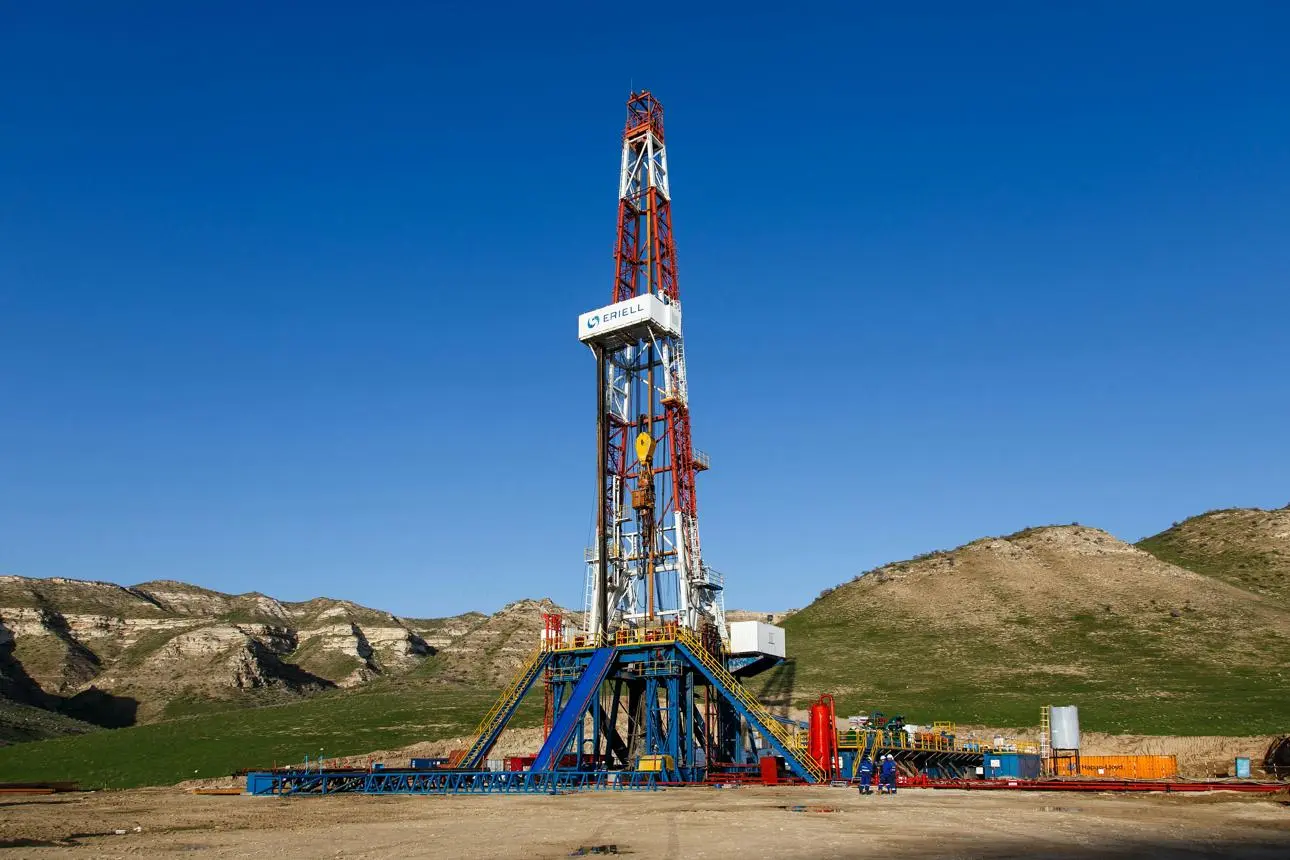
1. Understand What Drives CPF in Deep Well Drilling
Evaluate the total cost of each bit run
Cost-per-foot represents the total drilling expense associated with each foot of hole drilled. Depending on the operator's accounting method, the assessment may include bit purchase costs, rig operating time, tripping time, repairs, and other section-specific expenses.
Consider a hypothetical example. A drilling contractor uses a bit costing $8,000 and drills 1,500 feet during a run that takes 30 hours. If the relevant rig operating cost is $2,000 per hour, the resulting cost is approximately $45.33 per foot. An alternative bit costing $10,000 drills 2,000 feet in 32 hours, reducing the cost to approximately $37 per foot.
These figures are illustrative rather than actual field results. They demonstrate why a more expensive bit can deliver better overall economics when it drills farther and reduces the number of required trips.
The most useful comparison is total drilling cost, not bit purchase price alone. A modest improvement in footage per run can outweigh a difference in initial equipment cost.
Identify the formation conditions behind excessive cost
Before changing the bit, review the formation and drilling records. Deep wells commonly encounter several conditions that affect cutter performance in different ways.
- Formation hardness and compressive strength: Strong rock requires sufficient cutter engagement to fracture the formation. Excessive loading, however, can cause chipping or premature cutter damage.
- Abrasiveness: Quartz-rich sandstone and other abrasive formations can wear the diamond cutting surface quickly, reducing ROP even when the bit remains mechanically intact.
- Interbedded formations: Alternating shale, sandstone, and limestone can produce uneven cutter loading. Changes in rock strength may create impact loads that damage cutters or destabilize the bit.
- Temperature and pressure: Elevated downhole temperatures can affect the operating limits of drilling components. Fluid properties, cutter condition, and thermal management must be considered together.
- Directional drilling conditions: In deviated and horizontal wells, lateral loading and vibration can accelerate wear and make drilling performance less predictable.
A bit that drills well in one interval may be poorly suited to the next. Formation variability, rather than nominal depth alone, should guide bit selection.
Distinguish bit failure from operating problems
A low ROP does not automatically mean that the bit design is wrong. Worn cutters, damaged blades, poor hydraulic cleaning, excessive vibration, motor limitations, and inefficient weight transfer can produce similar surface symptoms.
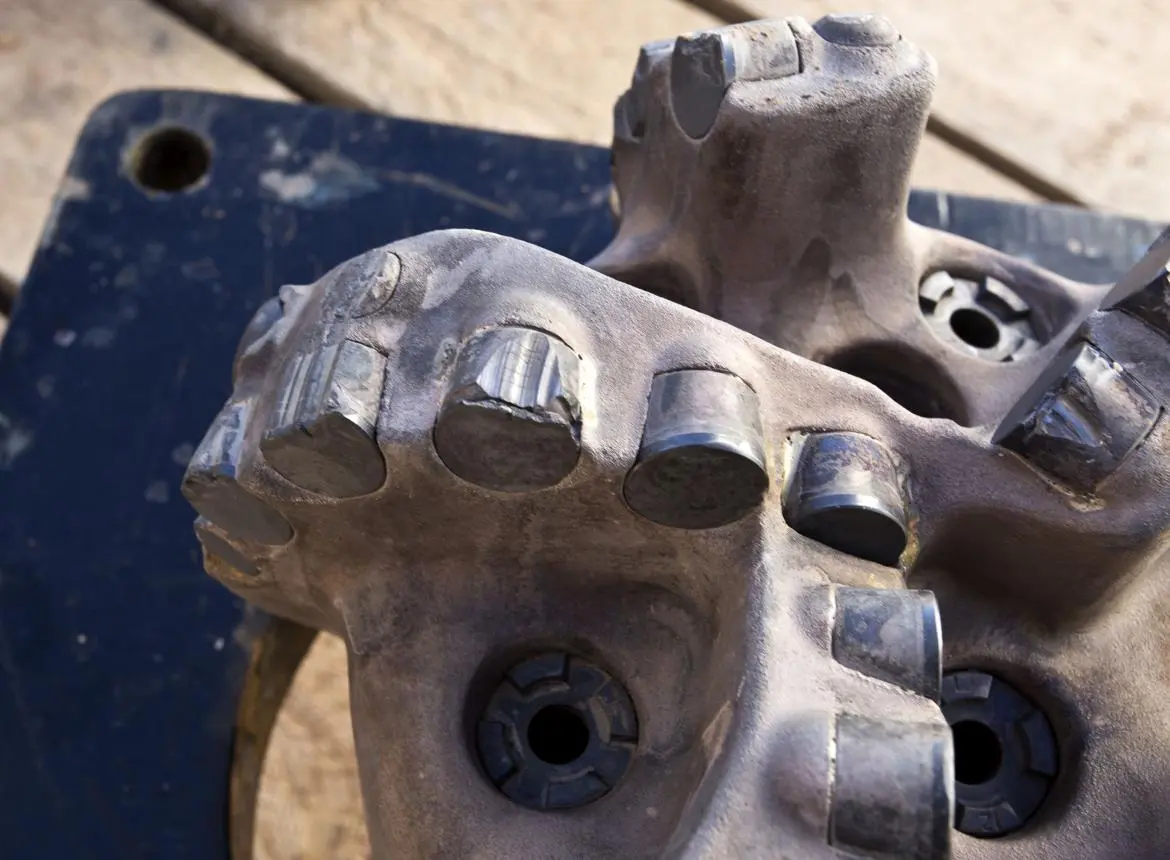
Review drilling parameters alongside dull-bit inspection records. Rounded cutters may indicate abrasive wear, while chipped or fractured cutters may point toward impact damage or unstable operation. Uneven wear across the bit face can suggest an unsuitable cutter layout, uneven loading, or inadequate cleaning in specific areas.
Industry guidance from the International Association of Drilling Contractors (IADC) and technical literature published by the Society of Petroleum Engineers (SPE) provide useful frameworks for evaluating drilling performance and documenting bit-run outcomes. Consistent records help engineers distinguish a genuine design limitation from a problem that could be corrected through operating changes.
2. Optimize Bit Selection, Design, and Drilling Parameters
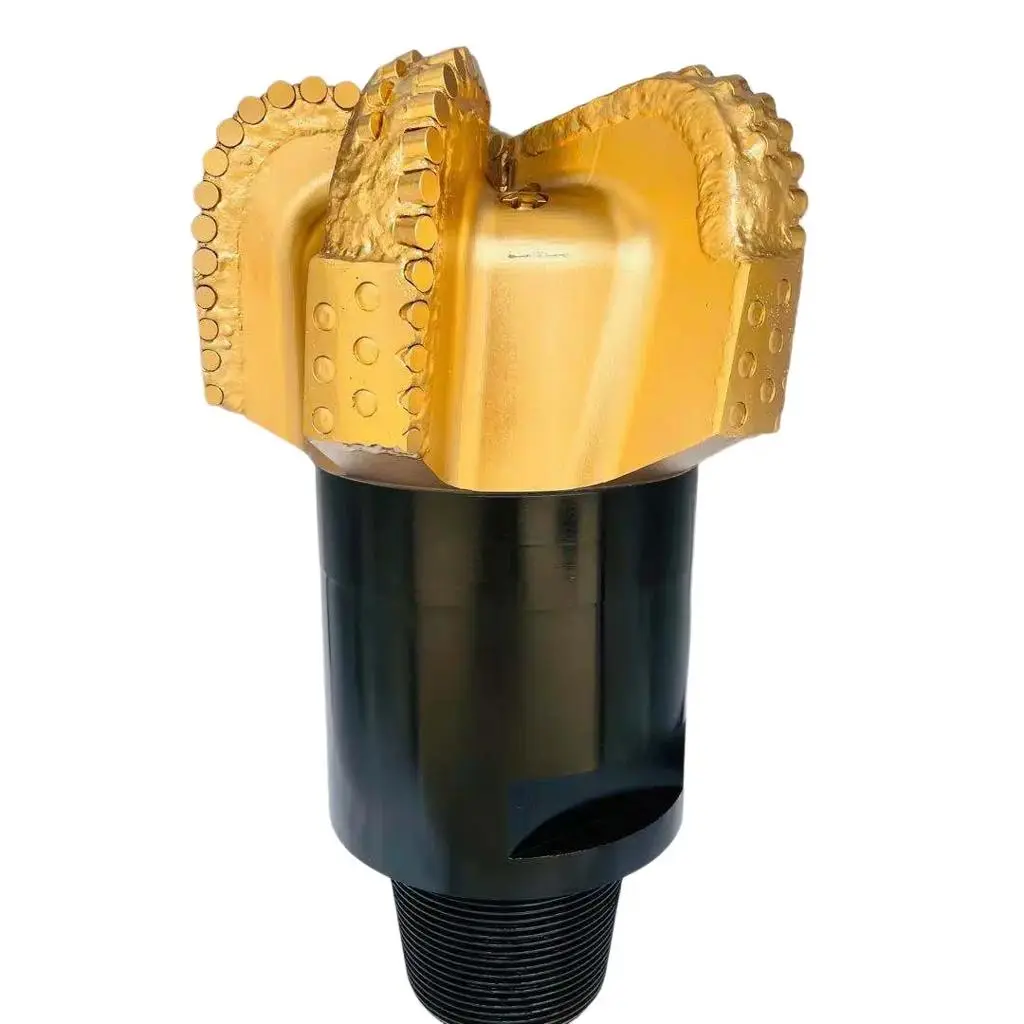
Match the cutting structure to the rock
A PDC bit cuts rock primarily through a shearing action. Its performance depends on cutter geometry, cutter exposure, blade configuration, and the distribution of cutting loads across the bit face. Selecting these features according to formation characteristics can improve drilling efficiency and service life.
For deep oil and gas wells, evaluate the following design factors:
- Cutter type and size: Larger cutters can provide an aggressive cutting structure in suitable formations, while smaller or more densely arranged cutters may help distribute loading in demanding intervals. The correct choice depends on rock strength, impact exposure, and wear resistance requirements.
- Blade configuration: Fewer blades may provide greater cutting aggressiveness and larger fluid channels, while more blades can distribute cutting loads across additional cutters. Neither configuration is universally superior.
- Cutter layout: The number and placement of cutters influence how much work each cutter performs. Appropriate cutter coverage in the shoulder and gauge regions is particularly important in abrasive formations.
- Gauge protection: Gauge cutters and wear-resistant protection help preserve hole diameter and reduce the risk of gauge wear, especially in long directional sections.
- Bit stability: A balanced cutting structure can reduce damaging vibration and improve directional control. Excessive aggressiveness may be counterproductive if it produces stick-slip or lateral instability.
A formation-matched bit design should balance ROP, durability, steerability, and hole quality. For a relatively homogeneous shale interval, an aggressive design may be appropriate. In hard, abrasive, or interbedded formations, a more impact-resistant design with suitable cutter density may offer better economics over the full run.
Fine-tune WOB, RPM, torque, and hydraulics
Even a well-designed bit can deliver poor CPF if drilling parameters are not matched to the rock and bottom-hole assembly. Establish operating limits from the bit Manufacturer's recommendations, offset-well data, motor or rotary steerable system limits, and real-time downhole measurements where available.
Weight on bit (WOB): Too little weight can leave cutters inefficiently engaged with the formation, lowering ROP. Excessive WOB may increase torque, accelerate cutter wear, and trigger vibration. Adjust weight in controlled steps while monitoring penetration rate, torque response, and drilling stability.
Rotational speed (RPM): Higher RPM can increase footage per hour, but it also increases cutter sliding distance and frictional exposure. In hard, abrasive intervals, reducing RPM may extend cutter life. The appropriate setting depends on cutter design, rock strength, the drilling assembly, and downhole vibration.
Hydraulic design and flow rate: Nozzle arrangement, total flow area, and available pump capacity affect cuttings removal and cutter cooling. Insufficient cleaning can allow cuttings to recirculate or accumulate near the bit, reducing cutting efficiency. Excessive hydraulic demand, however, may exceed pump or pressure constraints. Optimize flow while maintaining acceptable annular velocity and well-control requirements.
Torque and vibration: Rising torque, erratic surface parameters, or repeated stick-slip events can indicate inefficient cutting or unstable drilling. Investigate the interaction between WOB, RPM, the motor or rotary steerable system, and formation changes instead of responding to every ROP decline by adding weight.
Rate of penetration (ROP): Track instantaneous and average ROP against footage, lithology, and operating parameters. A sustained decline can indicate cutter wear, bit balling, changing formation strength, or a hydraulic problem. A high instantaneous ROP is not necessarily economical if it shortens bit life or increases the risk of an unplanned trip.
The goal is to identify a stable operating window rather than chase the highest possible surface ROP. A slightly lower drilling rate can produce a lower CPF when it substantially extends footage per run or prevents costly failures.
Use offset-well data to guide decisions
Historical drilling records provide a practical basis for bit selection. Compare wells with similar formation sequences, hole sizes, mud systems, and drilling assemblies. Review:
- Footage drilled and on-bottom hours per run.
- Average ROP and its trend as the bit wears.
- WOB, RPM, torque, flow rate, and standpipe pressure.
- Bit dull grading and the location of damaged or worn cutters.
- Trips, downtime, vibration events, and hole-cleaning problems.
- Total cost per foot using a consistent accounting method.
SPE research on PDC bit selection emphasizes evaluating multiple design criteria rather than choosing a bit on a single performance measure. For directional wells, the design must also meet steering and wellbore-quality requirements. A bit that produces high ROP but struggles to maintain the planned trajectory may increase overall section cost.
Field example: reducing CPF in an abrasive deep-well interval
Consider an illustrative scenario involving a drilling contractor working in the Middle East. The well section contains interbedded shale and abrasive sandstone. The original bit initially drills efficiently, but ROP declines as the run progresses. Surface torque becomes less consistent, and inspection after the trip reveals pronounced wear around the shoulder cutters.
The contractor reviews offset data and determines that the bit is experiencing excessive wear in the more abrasive intervals. For the next run, the team selects a design with more suitable shoulder cutter coverage and stronger wear protection. The operating plan also calls for a controlled reduction in RPM when entering the harder sandstone, with WOB adjusted according to torque response and drilling stability. The team verifies that the hydraulic program provides effective cleaning without exceeding pump limitations.
The outcome should be evaluated using footage per run, total operating time, dull condition, and calculated CPF—not ROP alone. No specific cost saving can be claimed without actual field measurements.
The practical lesson is to correct the cause of premature wear rather than simply replacing the bit with another unit of the same design. Formation-specific changes supported by documented run data provide a stronger basis for reducing CPF than trial-and-error adjustments.
3. Reduce Drilling Costs with Formation-Based Bit Selection and Hainaisen Support
Choose a design for the entire drilling interval
The most economical bit is the one that performs reliably across the planned section, not necessarily the one with the highest initial ROP. Before selecting a Petroleum PDC Oil Drill Bit, drilling engineers should review the expected lithology, compressive strength, abrasiveness, well trajectory, bottom-hole assembly, and hydraulic limits.
For deep vertical wells, consistent penetration and long bit life may be the primary objectives. In horizontal wells, directional responsiveness, lateral stability, gauge protection, and durability over a long interval become equally important. Where a section crosses several different formations, engineers should determine whether one versatile design is suitable or whether separate bit designs would reduce total section cost.
A useful pre-run checklist includes:
- Confirming the expected formation sequence and identifying the most abrasive or impact-prone intervals.
- Reviewing offset-well bit performance and dull grades.
- Matching cutter size, blade configuration, cutter layout, and gauge protection to the application.
- Verifying that WOB, RPM, torque, flow rate, and pressure limits are compatible with the drilling assembly.
- Establishing measurable performance targets for ROP, footage per run, bit condition, and CPF.
After each run, compare the actual results with the plan. If the bit is pulled with substantial unused cutting capacity, the next run may allow a more aggressive design or adjusted operating parameters. If cutters are severely worn or damaged, investigate the wear mechanism before repeating the same configuration.
Why consider Hainaisen?
Hainaisen supplies drilling tools for oil and gas, mining, and water well applications. For operators looking to improve deep-well drilling economics, the value of a supplier lies in matching product characteristics to operating conditions and supporting a consistent evaluation process.
Hainaisen can help customers assess bit selection requirements according to formation characteristics, drilling objectives, and equipment constraints. Relevant considerations include:
- Stable product quality: Consistent manufacturing and inspection practices help reduce variation between bits and support more reliable performance comparisons.
- PDC cutter technology: Cutter selection and cutting-structure design should reflect the expected balance between wear resistance, impact loading, and drilling aggressiveness.
- Customized bit design: Blade configuration, cutter arrangement, gauge protection, and hydraulic layout can be evaluated according to the intended drilling application.
- Formation-based recommendations: Shale, abrasive sandstone, limestone, and interbedded formations can require different design priorities and operating strategies.
- Quality control and technical communication: Clear specifications, timely communication, and practical technical support help customers evaluate requirements before ordering.
- Export experience: Experience serving international customers supports coordination of specifications, customization requirements, and delivery arrangements across different markets.
For a contractor experiencing high CPF, Hainaisen recommends beginning with the drilling records and the condition of the previous bit. This helps establish whether the next improvement should focus on cutter durability, cutting aggressiveness, bit stability, hydraulics, or operating parameters.
The best purchasing decision is based on documented performance and the total cost of the drilling interval. Hainaisen's approach is to help customers identify a suitable bit configuration for their actual formation and drilling conditions, rather than recommend one design for every well.
FAQ
1. How can I reduce cost-per-foot in deep oil wells?
Start by reviewing footage per bit run, ROP, trip time, bit purchase cost, and rig operating cost. Match the bit design to the formation, optimize WOB and RPM, maintain effective hole cleaning, and investigate premature wear before repeating a bit run.
2. What type of PDC bit is suitable for deep well drilling?
The appropriate design depends on formation hardness, abrasiveness, compressive strength, well trajectory, and drilling assembly. Aggressive cutting structures may suit softer formations, while hard or abrasive intervals often require greater attention to cutter durability, impact resistance, and cutter coverage.
3. Does increasing RPM always reduce CPF?
No. Higher RPM may improve ROP, but it can also accelerate cutter wear or increase vibration in demanding formations. RPM should be optimized alongside WOB, torque, hydraulics, and bit stability to achieve the lowest overall drilling cost.
4. How can I tell whether a bit should be replaced?
Evaluate the ROP trend, torque behavior, vibration, pressure changes, and the expected remaining footage. A persistent decline in performance may indicate wear or a cleaning problem. The decision should also consider the cost and risk of continuing versus tripping out.
5. Can a customized PDC bit improve performance in interbedded formations?
Yes, when the design addresses the actual failure mechanism. Cutter placement, blade configuration, gauge protection, and hydraulic layout can be tailored to the combination of abrasive wear, impact loading, and cleaning requirements. Performance should be validated against comparable offset wells.
6. What information should I provide when requesting a bit recommendation?
Provide the hole diameter, formation sequence, well trajectory, expected compressive strength and abrasiveness, drilling assembly, available WOB and RPM ranges, flow rate, offset-bit records, and the main performance problem. These details help a supplier recommend a more appropriate configuration.
About the Author
Daniel Mercer is a drilling technology writer and technical consultant focused on oil and gas drilling performance, PDC bit selection, and drilling-cost optimization. His work examines the relationship between formation mechanics, cutter wear, drilling parameters, and bit-run economics, with an emphasis on practical decisions that help drilling teams improve reliability and control operating costs.
References
1. Wampler, C., and Myhre, K. “Methodology for Selecting PDC Bits Cuts Drilling Costs.” Oil & Gas Journal, January 15, 1990. Read the technical article.
2. Nygaard, R., and Hareland, G. “How to Select PDC Bit for Optimal Drilling Performance.” SPE Rocky Mountain Oil and Gas Technology Symposium, 2007. SPE-107530-MS. Read the publication record.
3. Pastusek, P. E., Barajas, P. E., Payette, G., and Sowers, S. “PDC Bit Selection Guidelines Based on Physics and Lessons Learned.” SPE Annual Technical Conference and Exhibition, 2023. SPE-215007-MS. View publication details.
4. D’Ambrosio, P., Hart, S., Prochaska, E., et al. “Cost-Effective Ultralarge-Diameter Polycrystalline-Diamond-Compact-Bit Drilling in Deepwater Gulf of Mexico.” SPE Drilling & Completion, 29(1), 2014, pp. 47–63. SPE-163448-PA. View publication record.
5. SLB. “Advanced Bit Technologies Boost On-Bottom ROP in Soft Shale Formation by 13%.” case study on PDC bit design, hydraulic optimization, and drilling performance. Read the case study