




The Ultimate Guide to Selecting Drill Bits for Oil & Gas vs. Mining Applications
Contact Hainaisen
Email: hainaisen@hnsdrillbit.com
Tel: +86 17791389758
Website: https://www.hnsdrillbit.com/
Choosing the right drill bit for oil and gas drilling or mining depends on the formation, drilling method, equipment limitations, and required service life. A Seven Blade Wing Oil Drilling Drill Bit may be suitable for certain oilfield applications, but the right choice must be based on rock properties, hydraulic capacity, and the drilling assembly rather than blade count alone. Mining operations have different priorities, particularly when drilling hard, abrasive rock or producing holes for blasting, exploration, and ground support.
The main difference is the operating objective. Oil and gas drilling often requires controlled wellbore geometry, directional response, reliable hole cleaning, and consistent performance across long intervals. Mining may prioritize penetration through abrasive rock, accurate hole placement, resistance to impact, or dependable performance in fractured formations. Some drilling technologies overlap, but a bit designed for one application should not automatically be transferred to another.
This guide explains how to evaluate formation conditions, choose the appropriate cutting structure, and match the bit to operating parameters. It also outlines practical selection principles that drilling contractors can use when comparing suppliers and specifying a custom design.
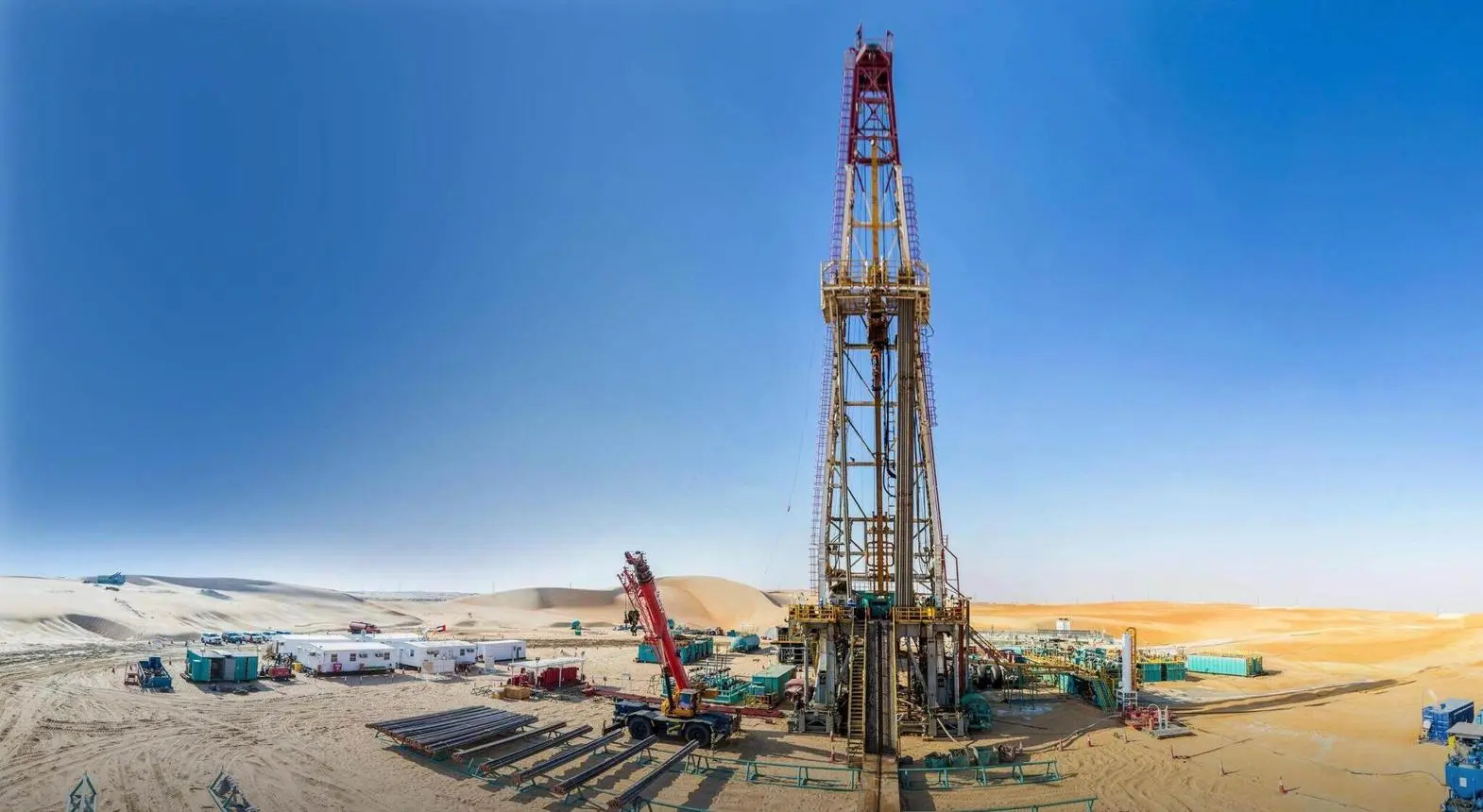
1. Understand the Formation and the Differences Between Oil & Gas and Mining
Formation characteristics should guide the first decision
The most useful starting point is the formation to be drilled, not the product name. Two intervals described as sandstone, limestone, or granite may behave differently because of variations in cementation, grain size, porosity, fractures, and abrasive mineral content.
Four formation properties deserve particular attention:
- Hardness and compressive strength: Strong, compact rock generally requires a cutting structure capable of generating sufficient local stress to fracture the formation without excessive cutter damage.
- Abrasiveness: Quartz-rich sandstone and many hard-rock mining formations can wear cutting surfaces rapidly, even when their compressive strength is not exceptionally high.
- Fracturing and interbedding: Alternating shale and limestone, or competent rock interrupted by fractured zones, can create repeated impact loads and unstable torque.
- Stickiness and plasticity: Certain shales and clay-rich formations can adhere to the bit face, obstruct flow paths, and reduce cutting efficiency.
These properties affect cutter geometry, cutter exposure, blade arrangement, hydraulic design, and the amount of mechanical load the bit can tolerate.
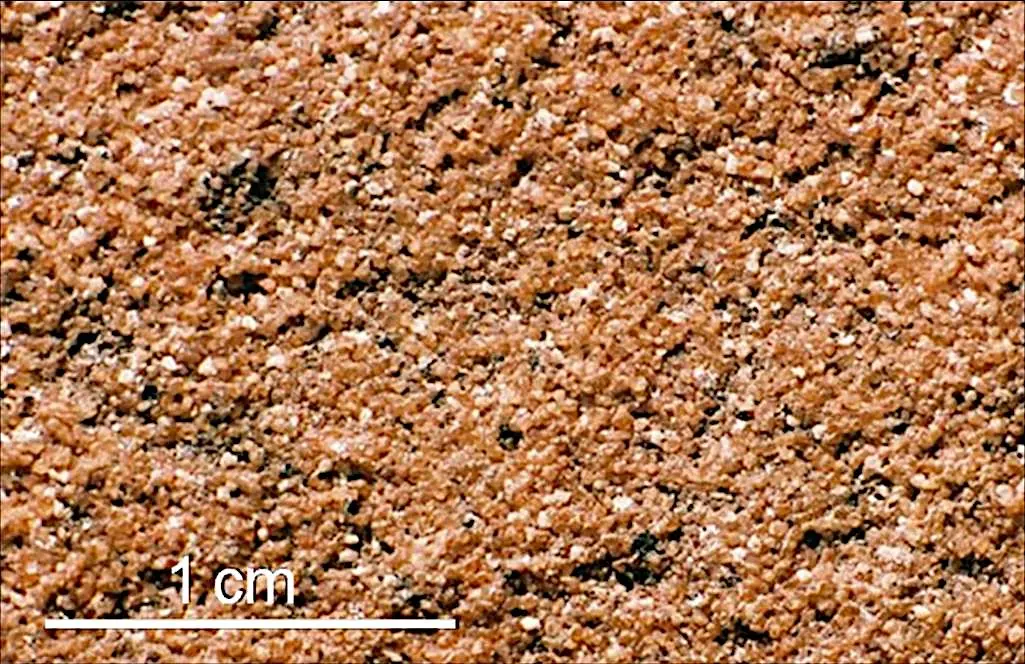
Oil and gas drilling: stability, steerability, and interval coverage
Oilfield bits may drill vertical sections, build curves, and continue through long horizontal intervals. The design must account for the bottomhole assembly, rotary speed, directional control requirements, and changes in formation strength.
In soft-to-medium shale, an aggressive PDC cutting structure can support efficient shearing, provided the bit face remains clean. In hard limestone or abrasive sandstone, cutter wear resistance and impact tolerance become more important. Interbedded formations require a balance between cutting aggressiveness and stability because abrupt changes in rock strength can produce torque fluctuations, stick-slip, and lateral vibration.
Offshore operations add further economic pressure: an unnecessary trip can consume valuable rig time. A bit that delivers a high instantaneous rate of penetration (ROP) but fails prematurely may cost more overall than a slightly less aggressive design that completes the interval in one run.
Mining: abrasion, impact, and the required hole geometry
Mining applications vary considerably. Surface blasthole drilling, underground production drilling, exploration coring, and roof-bolting operations have different hole sizes, equipment, and performance requirements.
Hard-rock mines may encounter granite, quartz-rich formations, and fractured rock that place substantial wear and impact loads on the cutting structure. A conventional PDC design may be appropriate for some formations, while diamond-impregnated bits, roller-cone bits, or other specialized designs may be more suitable for particular drilling methods and rock conditions.
Do not compare oilfield and mining bits by price or nominal diameter alone. Check the drilling method, required hole tolerance, available torque and thrust, flushing medium, and expected wear mechanism. A bit that works well in a rotary oilfield assembly may not be compatible with a mining rig's operating system.
2. Match Bit Design, Cutter Layout, and Drilling Parameters to the Job
Choose the cutting structure for the rock, not just the blade count
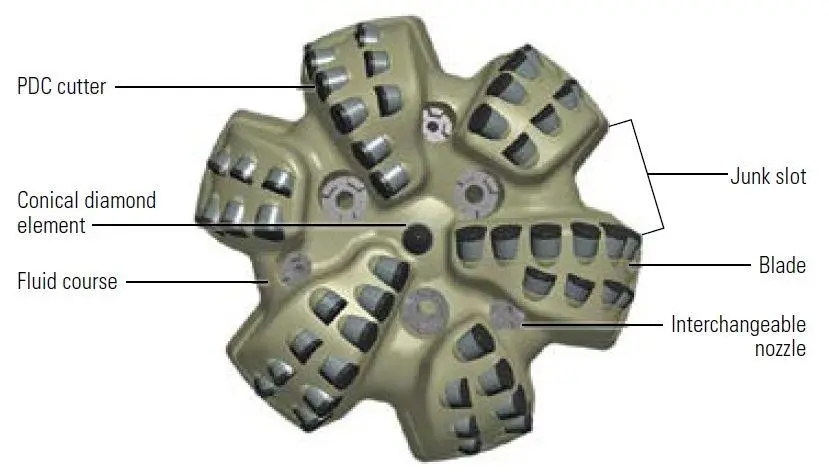
PDC Bits remove rock primarily through a shearing action. Their performance depends on cutter geometry, cutter exposure, back-rake angle, cutter placement, and the support provided by the blade behind each cutting element.
Larger cutters can offer a greater cutting footprint and may help improve penetration in suitable formations. Smaller or more impact-resistant cutters may be preferable where the rock is hard, fractured, or highly abrasive. The correct choice depends on the balance between aggressiveness, thermal loading, impact resistance, and wear.
Blade count also affects performance. A higher blade count can distribute cutting loads across more elements and provide additional room for cutter placement, but it may reduce available space for fluid channels and cuttings evacuation. Fewer blades may offer a more aggressive cutting structure and larger flow passages, although the cutters may experience greater individual loading.
There is no universally ideal blade count. The design must balance cutting efficiency, structural support, hydraulic capacity, and stability for the target formation.
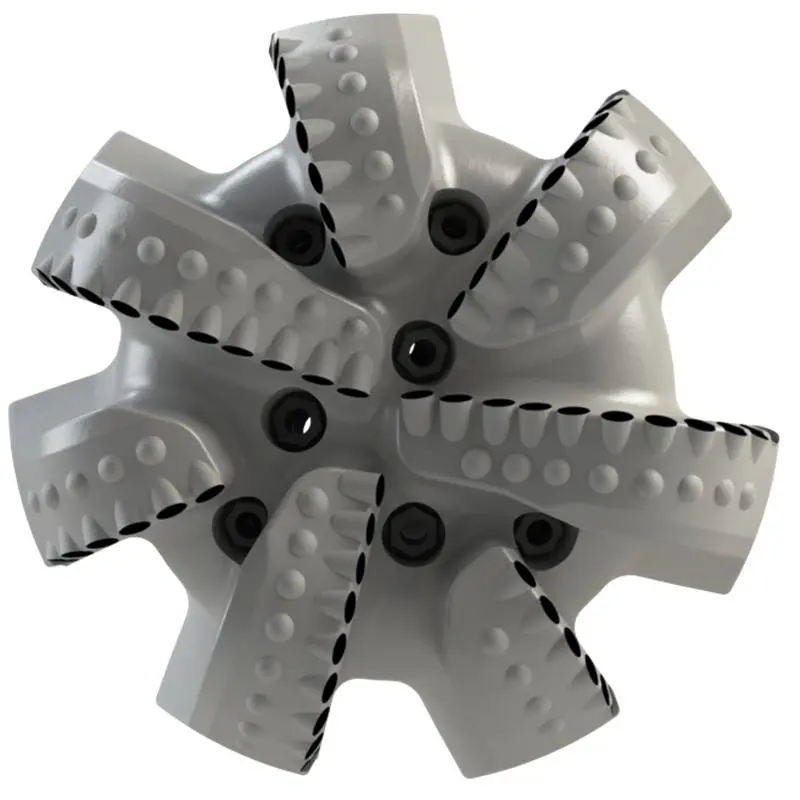
Evaluate hydraulics, gauge protection, and bit stability
Hydraulic design determines how effectively drilling fluid reaches the cutting face, cools the cutters, and transports cuttings away. Poor cleaning can cause bit balling in sticky formations or allow recirculation of cuttings, increasing torque and reducing ROP.
When comparing bit designs, assess:
- Nozzle size and placement: Are the jets positioned to clean the cutting face and reduce stagnant areas?
- Junk-slot and flow-channel capacity: Can the bit evacuate cuttings at the expected flow rate and fluid properties?
- Gauge protection: Are the gauge cutters and wear-resistant surfaces appropriate for the required hole diameter and expected side loading?
- Structural stability: Can the cutting structure withstand expected vibration and intermittent impact?
- Equipment compatibility: Are the connection, dimensions, pressure limits, and hydraulic requirements suitable for the rig and bottomhole assembly?
Technical literature from SLB discusses how PDC cutter technology, blade geometry, and bit design can be tailored to different drilling conditions. Hydraulic performance should be evaluated alongside the cutting structure rather than treated as a separate consideration.
Set WOB, RPM, and flow rate as a coordinated system
Weight on bit (WOB), revolutions per minute (RPM), flow rate, and torque should be considered together. Increasing WOB does not necessarily increase ROP if the cutters are already overloaded, the bit is vibrating, or the face is poorly cleaned. Excessive RPM can accelerate wear or amplify damaging vibration, while insufficient circulation may lead to overheating and inefficient cuttings removal.
A practical optimization process is to:
- Establish a baseline from offset wells, previous drilling runs, or comparable formation data.
- Confirm that flow rate and nozzle configuration provide adequate cleaning within the rig's hydraulic limits.
- Increase or adjust WOB and RPM in controlled steps while monitoring ROP, torque, vibration, and pressure response.
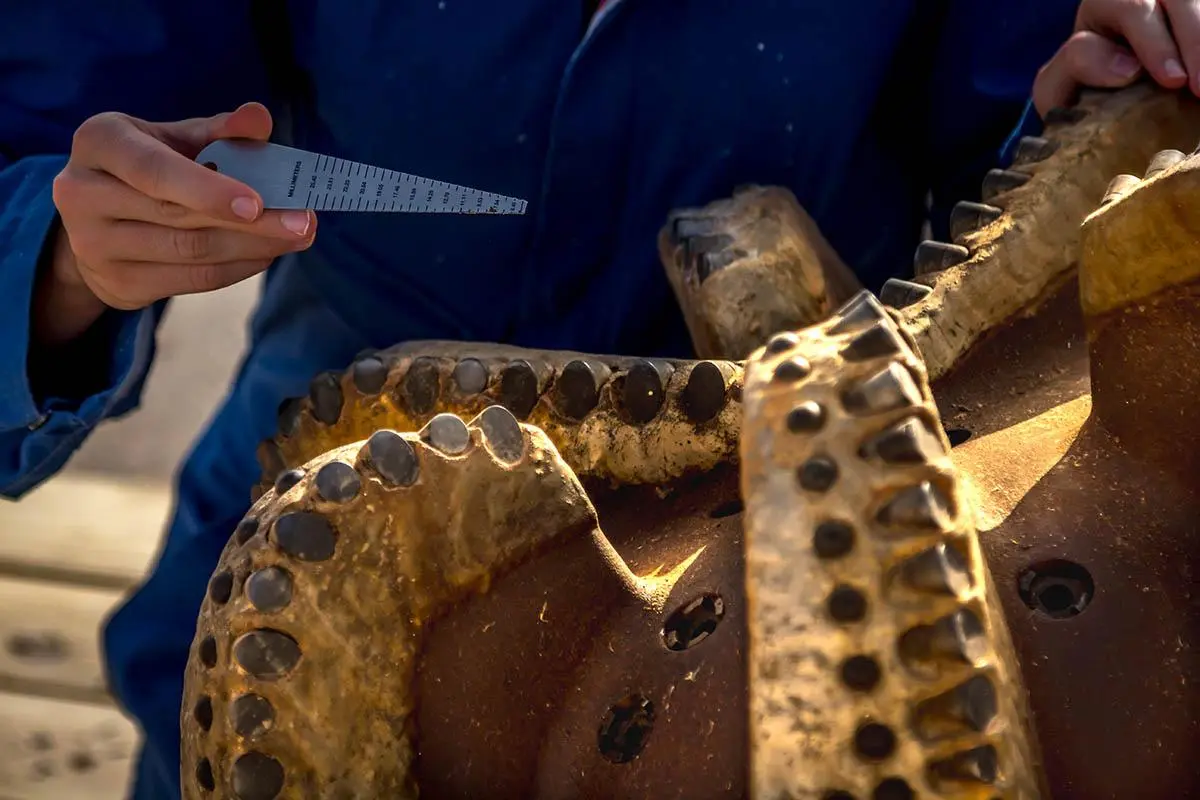
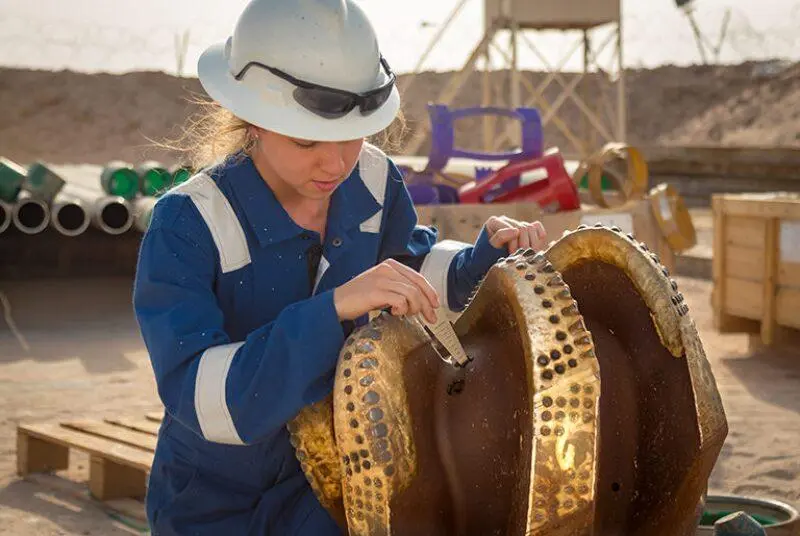
- Review the dull bit after the run to distinguish abrasive wear, impact damage, thermal damage, and other failure modes.
- Use the results to refine the next bit selection and operating window.
The objective is stable footage at an acceptable cost per meter or foot, not simply the highest short-term ROP.
3. Select the Right Supplier and Specify the Bit for Your Application
An illustrative field scenario: resolving premature wear
Consider an anonymized drilling contractor operating in an abrasive sandstone interval with occasional harder stringers. The original bit delivers acceptable penetration at the beginning of the run, but ROP gradually declines and torque becomes less consistent. After retrieval, the team identifies substantial cutter wear and localized damage associated with harder intervals.
Instead of simply increasing WOB, the contractor reviews the formation log, operating records, hydraulic conditions, and dull-bit photographs. The revised plan calls for a more wear-resistant cutting structure, improved support for cutters exposed to impact, and a controlled adjustment to WOB and RPM. Nozzle placement is also reviewed to confirm adequate cleaning.
The expected improvement is a more consistent drilling response and a lower risk of premature bit failure. This is an illustrative engineering scenario, not a verified Hainaisen customer case or a claim of measured performance. The practical lesson is to connect bit selection with post-run inspection and operating data rather than treating each bit run as an isolated purchase.
What buyers should confirm before placing an order
A reliable supplier should be able to discuss the drilling conditions in practical terms and explain why a proposed design fits the application. A catalog description alone is rarely enough for challenging wells or abrasive mining formations.
Before requesting a quotation, prepare the following information where available:
- Hole diameter, target depth, and drilling method.
- Formation description, including hardness, abrasiveness, fractures, and interbedded layers.
- Current bit type, cutter configuration, and previous dull-bit condition.
- Typical WOB, RPM, flow rate, torque, and drilling-fluid properties.
- Connection specifications, equipment limitations, and expected hole quality.
- Main operational concern, such as low ROP, premature wear, vibration, bit balling, or frequent trips.
This information helps the supplier distinguish between a cutting-structure problem, a hydraulic issue, and an operating-parameter problem.
Where Hainaisen can support bit selection
Hainaisen supplies drilling products for oil and gas, mining, and other drilling applications. For buyers evaluating a Seven Blade Wing Oil Drilling Drill Bit, the useful question is whether the proposed blade and cutter arrangement matches the formation, hydraulic capacity, and operating conditions of the intended well section.
Hainaisen can work with customers to evaluate application requirements and discuss suitable configurations. Stable product quality, strict quality control, and application-based design recommendations are important considerations when sourcing drilling tools for repeat orders or demanding operating environments. Cutter technology, blade layout, gauge protection, and hydraulic design should be assessed together rather than selected independently.
For oilfield contractors, customization may be relevant when drilling directional intervals, long laterals, or formations with alternating rock strength. Mining customers may need a different approach based on rock abrasiveness, drilling equipment, hole geometry, and flushing requirements. A supplier's technical support should help establish these distinctions before a design is finalized.
Hainaisen's export-oriented business also makes clear communication about specifications, lead times, packaging, and order requirements an important part of the purchasing process. When requesting a proposal, share the available formation data and performance history so the team can provide a more informed recommendation instead of relying on a generic product description.
A practical purchasing checklist
Before confirming the order, ask the supplier to clarify:
- Whether the proposed bit is intended for the stated formation and drilling method.
- Which cutter type, cutter size, blade configuration, and gauge protection are specified.
- Whether the nozzle arrangement and hydraulic requirements match the available rig capacity.
- What dimensional, material, and inspection checks are performed.
- Which operating parameters and post-run observations should be recorded for future optimization.
For the best result, evaluate suppliers on technical fit, consistent quality, communication, and support after delivery—not price alone. The most economical bit is the one that performs reliably in the intended application and supports a competitive total drilling cost.
FAQ
1. What type of drill bit is best for oil and gas drilling?
PDC bits are widely used in oil and gas drilling, particularly in suitable soft-to-medium formations and many directional or horizontal applications. Roller-cone and other specialized bits may be better choices for certain hard, fractured, or highly abrasive intervals. Formation data and drilling-system compatibility should determine the final selection.
2. Can the same drill bit be used for oilfield drilling and mining?
Not automatically. The two industries may share some cutting technologies, but they differ in equipment, hole geometry, operating loads, flushing requirements, and drilling objectives. A bit should be confirmed as suitable for the specific application before use.
3. Does a higher blade count always improve bit life?
No. More blades can distribute cutting loads across additional elements, but they can also affect cutter aggressiveness and the space available for hydraulic flow and cuttings removal. The best configuration depends on the formation and the complete bit design.
4. Which drilling parameters most affect PDC bit performance?
WOB, RPM, flow rate, torque, and hydraulic pressure are important. Their effects depend on formation strength, cutter condition, bit stability, and hole-cleaning efficiency. Adjustments should be made within the Manufacturer's operating limits while monitoring the drilling response.
5. How can I reduce premature cutter wear?
Start by matching cutter technology and layout to the formation's hardness and abrasiveness. Maintain effective hole cleaning, avoid excessive mechanical loading, monitor vibration, and inspect dull bits after each run. Wear patterns can help identify whether the main issue is abrasion, impact, thermal damage, or operating conditions.
6. Can Hainaisen recommend a customized drill bit?
Hainaisen can discuss application requirements and suitable configurations based on the information provided. Buyers should supply the hole size, formation details, drilling method, operating parameters, equipment specifications, and previous bit-performance records where available.
About the Author
Michael Carter is a drilling technology writer and technical consultant focused on drill bit selection, rock-drilling performance, and drilling-tool applications. His work covers oil and gas well construction, directional drilling, and hard-rock mining, with an emphasis on translating formation data and field observations into practical equipment decisions.
References
1. SLB, PDC Bits — technical overview of PDC bit design, cutter technology, blade geometry, and drilling applications. https://www.slb.com/products-and-services/innovating-in-oil-and-gas/well-construction/drilling/drill-bits/pdc-bits
2. SLB, PDC Cutters — overview of cutter geometry, wear resistance, impact performance, and application-specific cutting elements. https://www.slb.com/products-and-services/innovating-in-oil-and-gas/well-construction/drilling/drill-bits/pdc-cutters
3. International Association of Drilling Contractors (IADC), IADC Drilling Manual, 13th Edition — industry reference covering drilling practices, drill bits, hydraulics, and downhole equipment. https://store.iadc.org/product/iadc-drilling-manual-13th-ed
4. Society of Petroleum Engineers (SPE), Journal of Petroleum Technology — technical articles and industry insights on drilling performance and well construction. https://jpt.spe.org/
5. ScienceDirect, Journal of Petroleum Science and Engineering — peer-reviewed research covering drilling mechanics, bit performance, and rock-cutting technology. https://www.sciencedirect.com/journal/journal-of-petroleum-science-and-engineering