



Hydraulics, flow design and cuttings removal in Polycrystalline Diamond Compact Drill Bits
The main technologies that make Polycrystalline Diamond Compact Drill Bits work well in current drilling processes are hydraulics, flow design, and cuttings removal. These systems are all linked and work together to make the best conditions for drilling. Precisely designed flow paths direct drilling fluid through strategically placed nozzles to move rock chips away from the cutting face. When hydraulic pressure distribution, flow velocity optimization, and debris removal work together, they have a direct effect on bit life, penetration rates, and total drilling efficiency in a wide range of geological formations.
Understanding Hydraulics and Flow Design in PDC Drill Bits
The hydraulic system in PDC drill bits is based on basic fluid dynamics ideas that have been improved over many years of engineering progress. Modern hydraulic design is all about making the best flow paths so that the drilling fluid moves as quickly as possible while still distributing pressure evenly across the bit face.
Fundamental Hydraulic Principles in PDC Technology
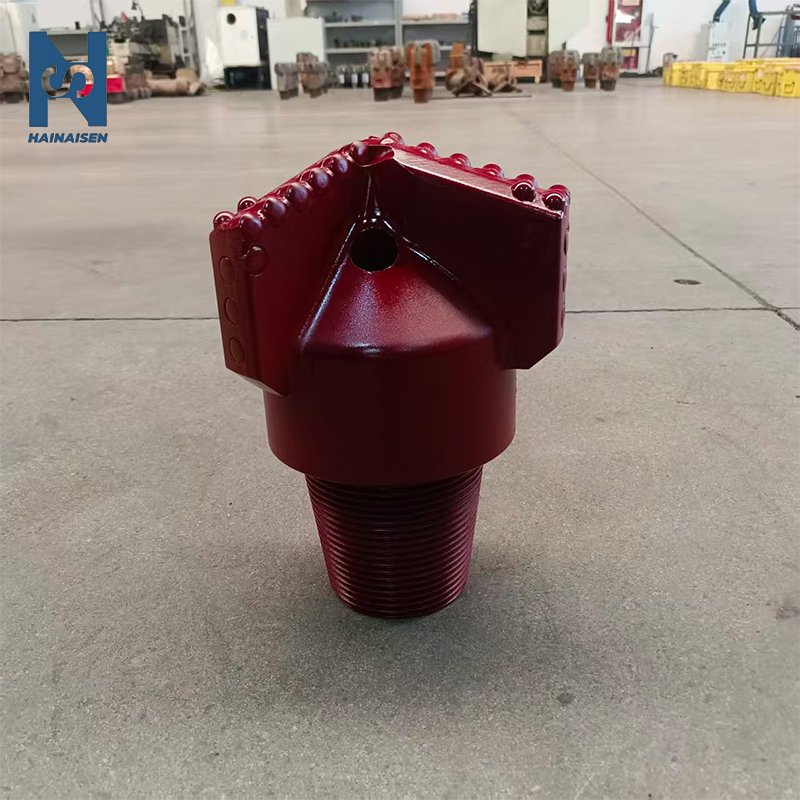
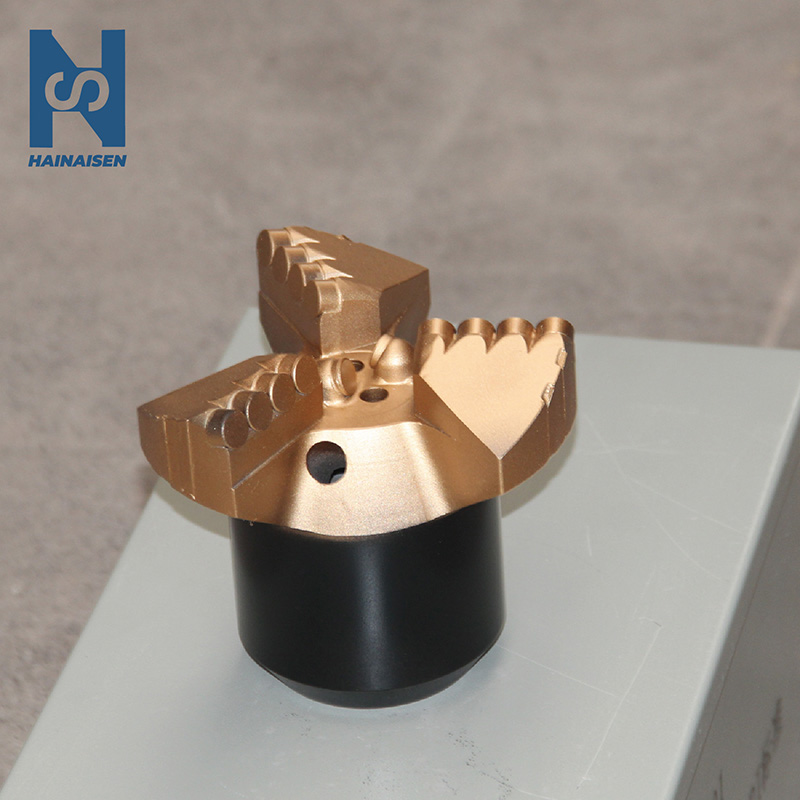
Diamond compact drill bits' hydraulic efficiency depends on a number of important factors that all work together. The cuttings have to be lifted from the bottom of the wellbore by the force of the jet speed coming from carefully made nozzles. Engineers figure out the best opening size by looking at the hydraulic horsepower that is available, the properties of the rock, and the flow rates that are wanted.
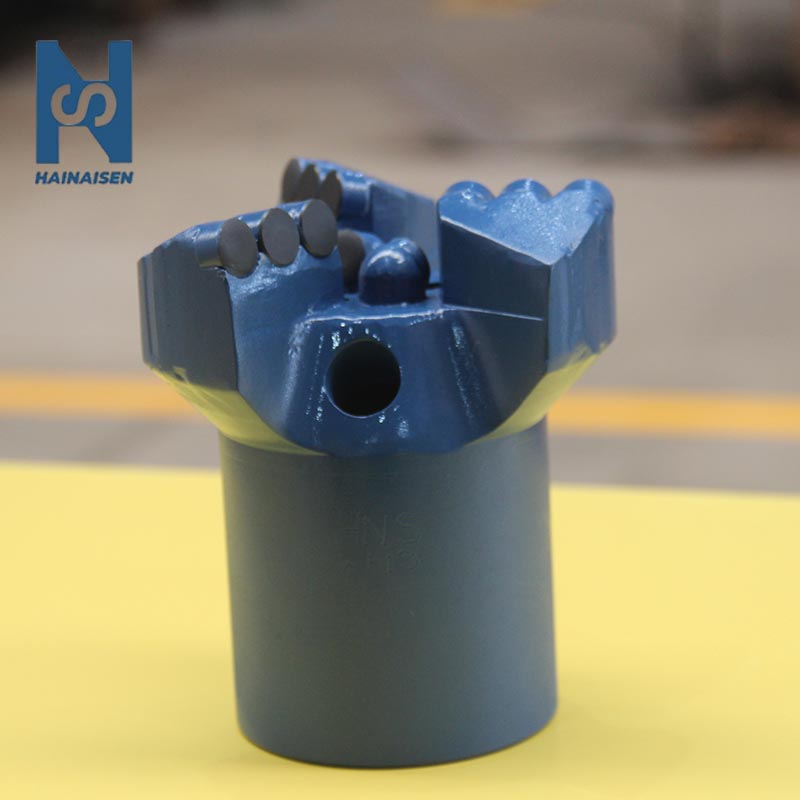
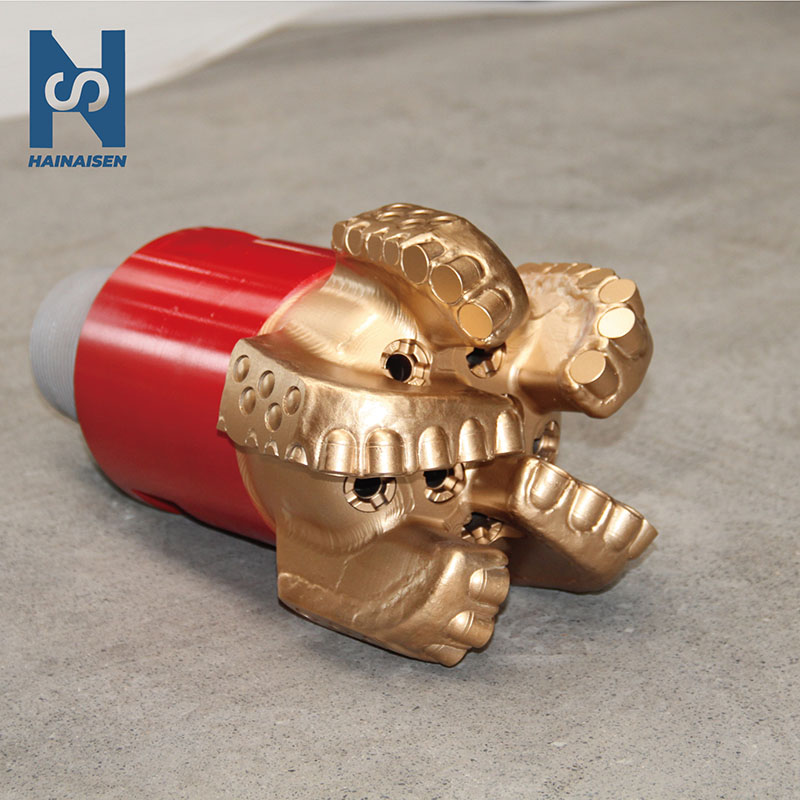
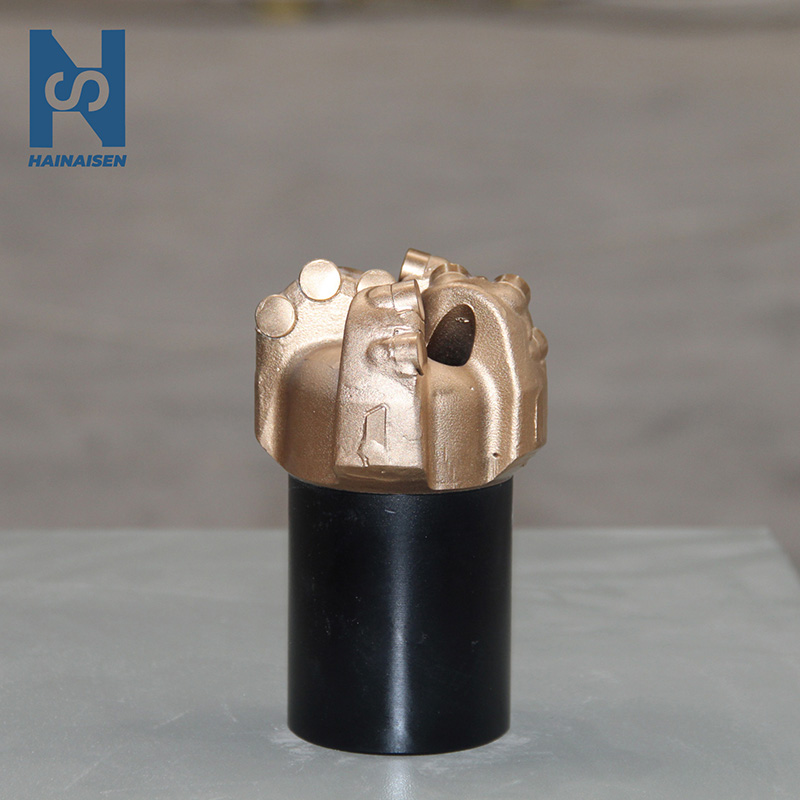
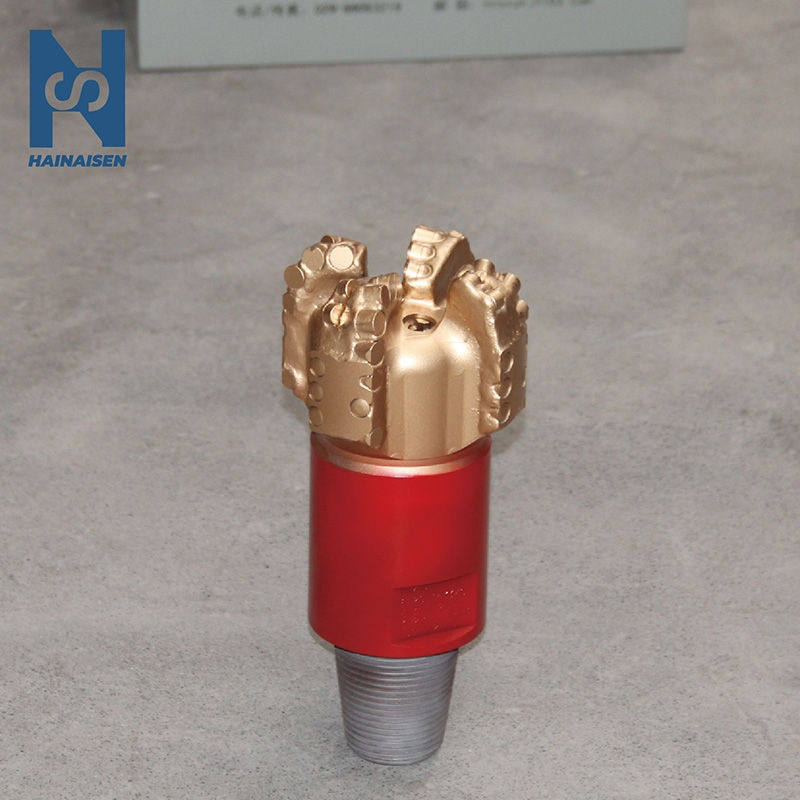
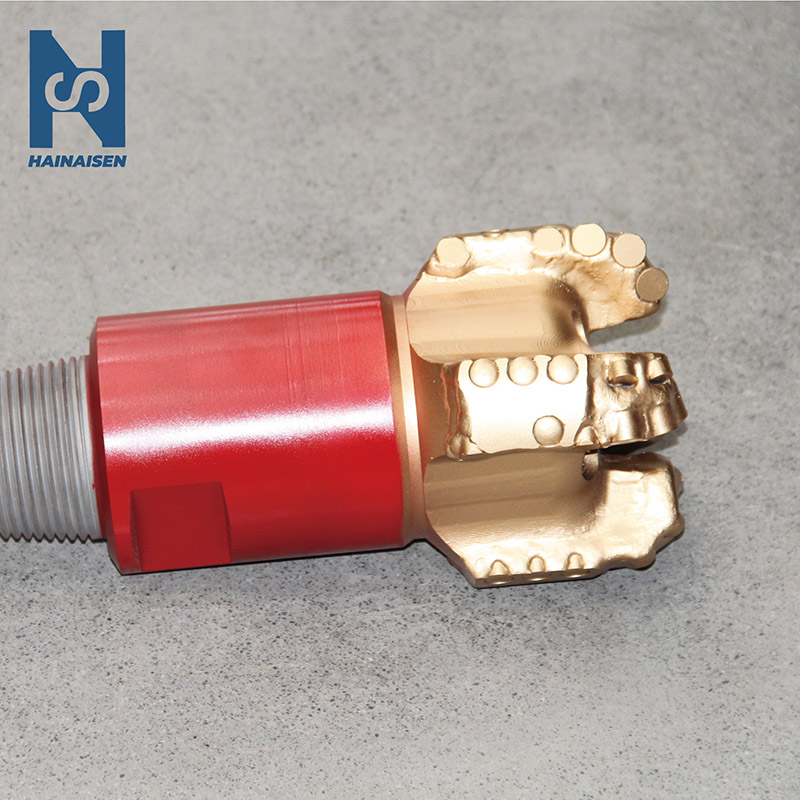
The design of the bit body is very important for hydraulic performance. The internal flow paths are carefully planned to keep pressure losses to a minimum and flow spread to a maximum. The shape of these routes changes the turbulence patterns, which can help or hurt the efficiency of transporting clippings. Modern Polycrystalline Diamond Compact Drill Bits have blades that are not uniform, which reduces hydraulic disturbance and makes the flow dynamics better overall.
Pressure Distribution and Flow Velocity Optimization
A good pressure distribution makes sure that the drilling fluid hits all of the cutting areas and has enough force to remove the waste that is made. To get the best cleaning without damaging the formation or bit too much, the link between flow rate and pressure needs to be adjusted.
Modern computational fluid dynamics models let engineers see how fluids will move through bit designs before they are made. This technology has changed the way makers do hydraulic optimization, which has led to the creation of bits that clean better and lose less pressure.
Performance Optimization of PDC Drill Bits through Hydraulics and Cuttings Removal
To get the most out of Polycrystalline Diamond Compact Drill Bits, you need to deal with problems that happen in drilling processes across many businesses. One of the biggest problems with drilling efficiently is that cuttings build up. This is especially true in difficult rocks where standard hydraulic designs don't work.
Advanced Flow Path Engineering Solutions
The newest improvements in PDC technology are all about making complex flow path shapes that improve the movement of waste while lowering energy loss. Here are the main ways that top makers try to improve their products:
- Multidirectional flow paths that create crossflow patterns to keep cuttings from building up in blade areas
- Nozzle designs that can be changed to fit different formations and drilling conditions
- Better blade shapes with twisting flow paths that make the cutting motion more efficient
- Improved gauge safety devices that keep hydraulics working well while keeping bit integrity
These changes in engineering work together to make drills work better than with older designs. Modern PDC Bits can keep up their performance even in tough drilling conditions where older bits would lose some of their effectiveness because they use multiple flow improvement technologies.
Computational Fluid Dynamics in Bit Design
The way high-performance cutting tools are made has changed a lot because of CFD technology. Engineers now model complicated flow interactions before trying them in real life. This cuts down on development time and makes designs more accurate. With this method, bits can be made that have hydraulic properties that are designed for particular uses.
Through tests done in real oil and gas operations, it has been shown that using modern hydraulic systems makes drilling faster and bit life longer. Similar benefits have been seen in coal mining, where owners say that hydraulically optimized PDC technology has cut down on drilling costs and increased output.
Comparison of PDC Drill Bits, Hydraulic Designs, and Their Applications
Knowing the differences between different hydraulic designs helps technical engineers and buying managers make smart choices based on the needs of the operation. Depending on the type of formation, the drilling goals, and the operating limitations, each hydraulic setup has its own benefits.
Steel Body versus Matrix Body Hydraulic Performance
Because of how they are made, steel body Polycrystalline Diamond Compact Drill Bits usually have better hydraulic flexibility because they can have more complicated internal flow channels. Steel body designs are strong, so they can handle higher flow rates and pressures. This makes them good for tough jobs in hard rock formations.
Matrix body designs are very good at keeping their shape and not wearing down, which is especially helpful in high-temperature drilling conditions that are common in geothermal uses. When it comes to hydraulics, matrix body bits are more concerned with making sure that flow is distributed evenly than with having the highest flow capacity.
Application-Specific Hydraulic Configurations
To get the best results from different types of drilling, different hydraulic methods are needed. For oil and gas development, high penetration rates and long bit life are needed. This means that hydraulic systems emphasize how well they remove debris and control heat.
When digging for water wells, the focus is often on keeping costs low while still getting good results. For these uses, hydraulic designs strike a balance between usefulness and simplicity. They remove cuttings reliably without adding extra complexity that could raise the cost of production.
Mining has its own problems, like gritty rocks that need strong hydraulic systems that can handle a lot of debris while keeping the flow patterns steady. In tough underground conditions, the hydraulic system has to be able to handle rocks of different hardnesses and keep bit wear to a minimum.
Maintenance and Longevity: Ensuring Optimal Hydraulics and Cuttings Removal
By following the right repair procedures, you can greatly increase the life of the Polycrystalline Diamond Compact Drill Bits and keep the hydraulic efficiency high throughout all operating cycles. Protocols for regular inspections help find problems before they affect the performance of drills or cause the bit to break in a terrible way.
Preventive Maintenance Protocols
Systematic inspections that focus on the hydraulic parts that are most likely to wear out or get damaged are the first step to good upkeep. Checking the state of the nozzles is an important step because broken or worn nozzles make the hydraulic system work less efficiently and make it harder to remove cuttings.
Cleaning should include both the outside and the inside flow tubes, getting rid of any buildup of waste that might stop fluid flow or cause turbulence. Ultrasonic methods of cleaning are especially good at getting rid of tough deposits without hurting delicate hydraulic parts.
Troubleshooting Common Hydraulic Issues
Flow degradation signs usually show up slowly, which makes it hard to find early on without the right monitoring procedures. Lower entry rates, higher power needs, and bad hole cleaning are all signs of possible hydraulic problems that need to be fixed right away.
Different restoration methods are used based on the problem found during the inspection. Simple blocks might only need to be cleaned, but more complicated issues might need parts to be replaced or professional repair services.
Trusted Solutions in PDC Drill Bits and Hydraulic Technology
Since its start in Xi'an in 2013, Shaanxi Hainaisen Petroleum Technology Co., Ltd. has become a top maker of high-tech Polycrystalline Diamond Compact Drill Bits. We are a trusted partner for drilling activities all over the world because we are dedicated to hydraulic innovation and high-quality engineering.
Our manufacturing plant is 3,500 square meters and has cutting-edge production tools like 5-axis machining centers, CNC machine tools, and specialized welding production lines. With this high-tech equipment, we can make Polycrystalline Diamond Compact Drill Bits with exactly designed hydraulic systems that work very well in a wide range of situations.
Advanced PDC Technology Solutions
There are more reasons to choose HAINAISEN PDC drill bits than just how well they work. Here are some of the main benefits our customers enjoy:
- Better cutting efficiency thanks to improved hydraulic design and better placement of diamonds
- Longer useful life because of better materials and more precise manufacturing methods
- Configurations that can be changed to fit the needs of each digging job and the way the rock is formed
- Consistent success in a wide range of geological situations thanks to tried-and-true design principles
- Quality control backed by skilled R&D teams and strict testing procedures
Our all-around approach to hydraulic design makes sure that every bit removes cuttings perfectly while still being durable enough for tough drilling conditions. When we combine computational fluid dynamics models with real-world experience in the field, we can make bits that work better than usual.
Comprehensive Application Portfolio
Our Polycrystalline Diamond Compact Drill Bits work great for a wide range of boring tasks, from looking for oil and gas to building water wells and mines. Our hydraulic designs are flexible enough to work well in a wide range of formations, from soft sands to medium-hard rocks. For specific uses, we offer customization choices.
Our experienced engineering team works closely with clients to create personalized solutions that improve drilling performance for their unique needs. This way of working together makes sure that each bit design meets the specific needs of each drilling job while still being reliable and cost-effective.
Conclusion
Modern PDC drill bit technology is based on combining improved hydraulics, flow design that works best, and waste removal systems that work well. These linked systems decide the success of drilling in many areas, such as oil and gas research, mining, and building water wells. By understanding the rules that drive hydraulic performance, you can make smart choices when choosing bits for different projects. Maintaining and improving hydraulic systems can greatly increase the life of bits and lower the overall cost of drilling. This makes these technologies necessary for drilling companies to stay competitive.
FAQ
Q1: What role does hydraulics play in PDC drill bit performance?
Hydraulics serves as the primary mechanism for cuttings removal and cooling in PDC drill bits. The hydraulic system creates the necessary flow velocity to transport rock debris away from cutting surfaces, preventing accumulation that could reduce drilling efficiency or cause bit damage. Proper hydraulic design also helps manage heat generated during the cutting process, extending bit life and maintaining consistent performance.
Q2: How do I evaluate if a bit's flow design fits my drilling application?
Evaluating flow design compatibility requires considering formation characteristics, available hydraulic horsepower, and drilling objectives. Key factors include formation hardness, debris generation rates, and required penetration speeds. Consulting with experienced Manufacturers who can analyze your specific drilling parameters and recommend appropriate hydraulic configurations ensures optimal bit selection for your application.
Q3: What maintenance practices prevent hydraulic-related failures?
Regular nozzle inspection, systematic cleaning of flow passages, and monitoring for flow degradation symptoms prevent most hydraulic-related failures. Implementing scheduled maintenance intervals based on drilling hours or formation types helps identify potential issues before they impact performance. Proper handling and storage procedures also preserve hydraulic component integrity between drilling operations.
Partner with HNS for Superior PDC Drill Bit Solutions
Ready to experience the performance advantages of hydraulically optimized PDC drill bits? HNS combines decades of engineering expertise with cutting-edge manufacturing capabilities to deliver superior drilling solutions for your most challenging applications. Our customizable Polycrystalline Diamond Compact Drill Bits feature advanced hydraulic designs that maximize cuttings removal efficiency while extending operational life. Contact our technical team at hainaisen@hnsdrillbit.com to discuss your specific requirements and discover why leading drilling companies choose HNS as their trusted Polycrystalline Diamond Compact Drill Bits supplier. Visit hnsdrillbit.com to explore our comprehensive product portfolio and request technical specifications tailored to your drilling needs.
References
1. Smith, J.R., and Thompson, K.L. "Hydraulic Optimization Principles in Fixed Cutter Drill Bits." Journal of Petroleum Technology, vol. 68, no. 4, 2019, pp. 89-104.
2. Anderson, M.P. "Computational Fluid Dynamics Applications in PDC Bit Design." SPE Drilling & Completion Engineering Quarterly, vol. 15, no. 2, 2020, pp. 156-172.
3. Williams, D.A., et al. "Cuttings Transport Mechanisms in Polycrystalline Diamond Compact Drill Bits." International Journal of Rock Mechanics and Mining Sciences, vol. 112, 2018, pp. 78-93.
4. Brown, S.E., and Davis, R.M. "Hydraulic Design Optimization for Enhanced Drilling Performance." Drilling Engineering Handbook, 3rd edition, Petroleum Engineering Publications, 2021, pp. 245-267.
5. Johnson, P.K. "Flow Design Principles and Maintenance Strategies for PDC Drilling Tools." Mining Technology Review, vol. 89, no. 6, 2019, pp. 134-148.
6. Lee, C.H., and Martinez, F.G. "Advanced Materials and Hydraulic Engineering in Modern Diamond Drill Bits." Materials Science and Engineering Applications, vol. 42, no. 3, 2020, pp. 201-219.