







How to Cut Cost Per Foot With a Drilling Bit for an Oil And Gas Rig?
Selecting the correct drilling bit for your formation and strategically maintaining it reduces cost per foot. A Drilling Bit For Oil And Gas Rig made of high-quality materials and tailored to geological conditions reduces premature wear, downtime, and operational intervals. Understanding bit performance, bulk procurement, and predictive maintenance reduces drilling costs without compromising quality or safety.
Understanding the Cost Drivers in Oil and Gas Rig Drilling
Project profitability depends on cost per foot, which is total expenditure divided by drilled footage. Bit costs consistently rank high in drilling expense control. It's important to understand why premature bit failure, wasteful trimming, and unanticipated maintenance stops increase the budget suddenly.
What Determines Cost Per Foot in Drilling Operations
Bit performance depends on many aspects. Material quality affects cutting element abrasion and impact resistance during rotation. Cutters, hydraulic flow pathways, and gauge protection affect how well the bit penetrates strata. Weight on bit, rotating speed, and drilling fluid parameters affect lifetime and cutting efficiency. When these conditions match, the bit drills faster and lasts longer, lowering the cost per foot.
Common Challenges That Inflate Drilling Costs
Purchasing managers and technical engineers often face cost-raising challenges. Bit materials that cannot endure formation hardness or abrasive minerals wear prematurely. Bit design mismatches geological conditions, slowing penetration and extending rig time. Catastrophic bit failure causes drill string tripping and lost productivity. Each issue raises the cost per foot and lowers project margins.
Key Performance Factors in Bit Selection
Design, material, and formation parameters must be matched to choose the best bit. Thermal stability protects cutting parts from deep hole temperatures. Wear resistance affects cutter sharpness when drilling abrasive sandstone or limestone. Hydraulic efficiency controls bit cooling and wellbore cutting removal. Recognising these performance characteristics lets procurement teams evaluate vendors according to metrics other than price.
Types of Drilling Bits and Their Cost Implications
Choosing between bit types significantly impacts both upfront investment and long-term operational costs. Roller cone bits and PDC Bits each offer distinct advantages depending on formation characteristics and drilling parameters.
Roller Cone Bits: Design and Cost Efficiency
Roller cone Drilling Bit For Oil And Gas Rig have turning cones with machined steel or tungsten carbide teeth. Milled-tooth variations cut quickly in softer strata like shale and gypsum. When drilling abrasive layers like limestone and dolomite, tungsten carbide insert bits are more durable. These parts are cheaper upfront than PDC competitors, making them appealing to water well drilling and coal mining teams with tight budgets. Roller cone drilling bit for oil and gas rig requires more frequent replacement in continuous operations, which might balance initial savings during the drilling programme.
PDC Bits: Advanced Technology and Performance
Polycrystalline Diamond Compact bits are synthetic diamond cutters linked to tungsten carbide substrates for wear resistance and cutting efficiency. PDC bits work well in medium-hardness, low-compressive sandstone, shale, and limestone strata. These cutters have no moving parts, decreasing mechanical failure risk and extending life. PDC bits cost more initially but drill faster and last longer, lowering cost per foot in compatible formations. Oil service firms with rigorous quality standards frequently use PDC technology for its proven ability to minimise downtime and maximise footage between bit replacements.
Matching Bit Type to Geological Formations
Formation characteristics determine the most cost-effective bit type. Milled-tooth roller cone pieces penetrate soft, homogeneous strata quickly without wear. Tungsten carbide inserts or PDC cutters are needed for long-term cutting of hard, abrasive formations. PDC designs with strong cutter settings that respond to changing conditions are generally used in interbedded rocks with alternate hardness layers. Technical engineers can specify bits that minimise cost per foot, satisfy penetration targets, and preserve wellbore quality by understanding formation geology.
Best Practices to Optimise Drilling Bit Selection and Maintenance
Reducing cost per foot requires disciplined selection criteria and proactive maintenance protocols that extend bit life without sacrificing performance.
Criteria for Selecting the Right Bit
Engineering teams should evaluate several key criteria when specifying bits for upcoming projects. Formation hardness and abrasiveness guide material selection, ensuring cutters withstand anticipated drilling conditions. Anticipated drilling depth influences thermal stability requirements, as deeper wells generate higher temperatures that degrade inferior materials. Rig capabilities, including available weight on bit and rotational speed, determine compatible bit designs that optimise performance within equipment limitations. Budget constraints and project timelines also factor into decisions, balancing upfront costs against operational efficiency and expected footage.
Monitoring Bit Wear in Real Time
Modern drilling operations increasingly adopt downhole sensors and surface monitoring systems that track bit performance continuously. Torque and drag measurements reveal when cutting efficiency declines, signalling cutter wear or bearing degradation. Rate of penetration trends indicate whether the bit maintains optimal cutting action or requires pullout. Vibration analysis detects harmful dynamics that accelerate wear and damage drilling equipment. Real-time monitoring empowers drilling supervisors to make data-driven decisions about bit replacement timing, pulling bits before catastrophic failure occurs while maximising productive drilling time.
Maintenance Techniques That Extend Bit Lifespan
Proper maintenance begins with correct handling during transportation and rig-up operations, protecting cutting elements from impact damage. Optimising drilling parameters within Manufacturer specifications prevents premature wear from excessive weight or speed. Maintaining drilling fluid properties ensures adequate cooling and cutting removal, reducing thermal damage and cutter loading. Following recommended break-in procedures when starting new bits allows cutters to seat properly and establish efficient cutting patterns. These maintenance practices compound over multiple bit runs, delivering measurable cost savings through extended bit life and reduced replacement frequency.
Cost-Effective Procurement Strategies for Drilling Bits
Navigating the drilling bit market requires understanding supplier capabilities, pricing structures, and logistics considerations that impact the total cost of ownership.
Evaluating Suppliers and Pricing Models
Procurement managers benefit from comparing established brands with specialised manufacturers offering competitive alternatives. Major suppliers like NOV, Halliburton, Baker Hughes, and Schlumberger provide extensive product lines backed by global distribution networks and technical support. These established brands suit large oil service companies requiring comprehensive vendor qualifications and long-term supply agreements. Specialised manufacturers like Shaanxi Hainaisen Petroleum Technology offer custom bit designs and flexible pricing models attractive to operations seeking tailored solutions without premium brand costs. Evaluating suppliers requires assessing manufacturing capabilities, quality control processes, lead times, and after-sales support alongside pricing.
Advantages of Bulk Purchasing and Lead Time Management
Volume purchasing delivers significant cost savings through negotiated pricing and reduced per-unit shipping expenses. Coal mining companies and oil service firms running multiple rigs simultaneously achieve optimal pricing by consolidating orders and establishing framework agreements. Strategic inventory management balances holding costs against supply continuity, ensuring bits arrive before the current inventory depletes. Managing lead times prevents expensive expedited shipping and reduces drilling delays caused by bit shortages. Effective procurement planning coordinates bit specifications, order quantities, and delivery schedules to minimise total acquisition costs while maintaining operational flexibility.
When Custom Bit Solutions Deliver Value
Standard bit designs serve many applications effectively, but custom Drilling Bit For Oil And Gas Rig solutions sometimes justify their additional engineering investment. Unique geological formations with unusual hardness profiles or abrasive characteristics benefit from specialised cutter layouts optimised for specific conditions. Directional drilling projects requiring precise steering and gauge control may need custom stabilisation features. Operations facing persistent bit performance issues can work with manufacturers to develop modified designs addressing root causes. Shaanxi Hainaisen Petroleum Technology maintains a dedicated custom bit design department that collaborates with technical engineers to develop solutions meeting specific structural requirements, balancing customisation costs against operational improvements and long-term savings.
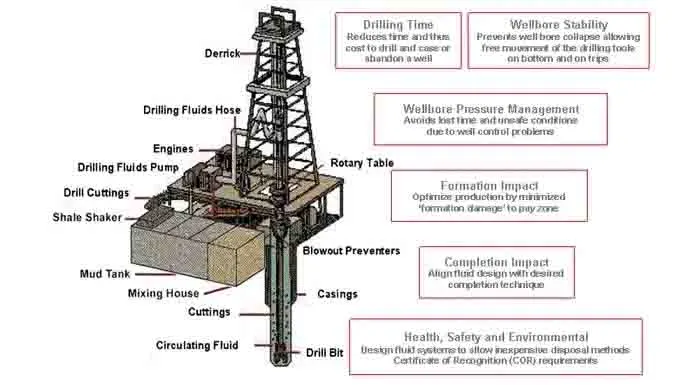
Leveraging Advanced Technologies and Data to Reduce Cost Per Foot
Technology integration transforms drilling operations by enabling predictive decision-making and continuous performance improvement.
Digital Monitoring and Predictive Analytics
Real-time data acquisition systems collect drilling parameters continuously, feeding analytics platforms that identify performance trends and predict maintenance needs. Wear detection sensors embedded in drill strings measure vibration signatures and mechanical responses indicating bit condition deterioration. Predictive algorithms analyse historical data to forecast optimal bit change timing, maximising footage while preventing costly failures. Cloud-based platforms aggregate performance data across multiple wells, enabling engineers to refine bit selection criteria and operating parameters based on proven results. These technologies shift maintenance approaches from reactive to predictive, reducing unplanned downtime and optimising cost per foot through data-driven decisions.
Future Innovations in Bit Design
Ongoing research and development efforts focus on materials science advances and intelligent bit concepts. Enhanced diamond synthesis techniques produce cutters with improved thermal stability and wear resistance, extending bit life in challenging formations. Hybrid bit designs combine roller cone and PDC technologies, adapting to variable formation properties within single drilling intervals. Sensor-equipped "smart bits" transmit downhole condition data in real time, providing unprecedented visibility into bit performance and formation characteristics. Manufacturers investing heavily in research and development deliver continuous improvements that reduce cost per foot through incremental performance gains and reliability enhancements.
Why Partner With HNS for Your Drilling Bit Needs
Shaanxi Hainaisen Petroleum Technology has a decade of experience in oil and gas, coal mining, and geological exploration. Our 3,500-square-meter manufacturing facility has 5-axis machining centres, CNC machine tools, and welding production lines for precision and quality. Our extensive product line comprises roller cone bits, PDC bits, and drilling equipment for offshore oil exploration and horizontal directional drilling.
Rigorous engineering and quality control give our drilling bits their advantages:
Carefully selected materials and heat treatment techniques enhance cutter life in abrasive formations by improving wear resistance and thermal stability. Our bits cut efficiently at long drilling intervals, saving trips and expense per foot. Optimised designs for shale, limestone, sandstone, and gypsum layers ensure effective drilling. This adaptability eliminates frequent bit replacements when formation properties fluctuate, simplifying operations and inventories.
Hydraulic designs that optimise fluid flow for cooling and cutting removal avoid cutter damage and sustain penetration rates, increasing drilling efficiency. Robust construction reduces mechanical failures and increases operational life between maintenance intervals, reducing downtime. Our bespoke bit design group works with your technical team to meet particular geological or operational issues.
These benefits address daily production issues for procurement managers and technical engineers. Reliable bit performance lowers budget uncertainty by delivering consistent cost per foot across wells. Extended bit life reduces bit delivery and inventory management, simplifying logistics. Customisation ensures optimal solutions for uncommon formations or specialised drilling methods when standard offerings fail.
We have extensive operating parameters for various drilling circumstances. Depending on rig capabilities and formation needs, 80–300 RPM is recommended. Weight on bit is acceptable for soft to medium-hard rocks with drilling pressures from 10 to 100 KN. Flow rates between 20 and 35 LPS ensure cooling and cuttings transport hydraulic effectiveness. Shale, limestone, sandstone, and gypsum, common oil and gas lithologies, meet these medium hardness, low compressive strength criteria.
Application flexibility meets petroleum industry demands. Our Drilling Bit For Oil And Gas Rig performs well in offshore and onshore oil exploration operations when equipment dependability affects project costs. In gas-bearing formations with controlled drilling dynamics, natural gas extraction works well. Geothermal energy projects use thermal stability to drill in high-temperature areas. Our engineering emphasises construction that can endure tremendous pressures and temperatures for deep-water drilling. Our Drilling Bit For Oil And Gas Rig must have precise gauge control and steering for horizontal and directional drilling.
Conclusion
Reducing cost per foot demands integrated strategies spanning bit selection, maintenance practices, procurement optimisation, and technology adoption. Matching bit type and design to formation characteristics delivers immediate performance improvements while strategic supplier relationships and bulk purchasing reduce acquisition costs. Real-time monitoring and predictive maintenance extend bit life without sacrificing operational tempo. As drilling projects face increasing cost pressures, engineering and procurement teams must evaluate suppliers based on proven performance, manufacturing capabilities, and customisation flexibility rather than initial price alone. Companies investing in superior bit technology and strategic partnerships position themselves for sustained competitive advantage through reliable, cost-effective drilling operations.
FAQ – Common Questions About Drilling Bits for Oil and Gas Rigs
1. What factors most significantly impact cost per foot in drilling operations?
Bit wear rate dominates cost per foot calculations because premature failure forces expensive trips to replace bits before drilling planned footage. Formation hardness and abrasiveness accelerate wear, particularly when bit materials mismatch geological conditions. Operational parameters, including weight on bit and rotational speed, influence cutting efficiency and mechanical stress levels, affecting lifespan.
2. How do PDC bits compare economically to roller cone bits?
PDC bits typically cost more initially but deliver lower cost per foot in suitable formations through faster penetration rates and longer operational life. Roller cone bits offer lower upfront investment, attractive for budget-constrained projects, but may require more frequent replacement. Total cost comparisons must account for expected footage, drilling time savings, and trip costs rather than purchase price alone.
3. Where can procurement teams source reliable custom drilling bits?
Specialised manufacturers with dedicated engineering departments and modern manufacturing facilities deliver custom solutions effectively. Shaanxi Hainaisen Petroleum Technology operates advanced production equipment and maintains technical staff capable of developing modified designs addressing specific operational challenges. Evaluating manufacturers requires assessing production capabilities, quality control processes, and previous custom project experience to ensure reliable execution.
Partner With HNS to Optimise Your Drilling Operations Today
Achieving sustainable cost reductions requires partnering with a Drilling Bit For Oil And Gas Rig manufacturer combining advanced engineering capabilities with responsive customer service. Shaanxi Hainaisen Petroleum Technology delivers comprehensive solutions from standard product lines to fully customised designs addressing your unique drilling challenges. Our engineering team collaborates with your technical staff to analyse formation characteristics, review operational data, and specify optimal bit configurations that maximise footage while minimising cost per foot.
We invite procurement managers and technical engineers to explore how our drilling bit portfolio reduces operational expenses while maintaining drilling performance and safety standards. Contact our team at hainaisen@hnsdrillbit.com to discuss your upcoming projects and request technical consultations. Let us demonstrate how partnering with an experienced manufacturer committed to innovation and quality delivers measurable value throughout your drilling programs.
References
1. Bourgoyne, A.T., Millheim, K.K., Chenevert, M.E., and Young, F.S. (1991). Applied Drilling Engineering. Society of Petroleum Engineers Textbook Series, Volume 2.
2. Bellin, F., Dourfaye, A., King, W., and Thigpen, M. (2010). The Current State of PDC Bit Technology. World Oil Magazine, Volume 231, Issue 5.
3. Dupriest, F.E. and Koederitz, W.L. (2005). Maximizing Drill Rates with Real-Time Surveillance of Mechanical Specific Energy. SPE/IADC Drilling Conference Paper 92194.
4. Fear, M.J., Abbassian, F., and Parfitt, S.H.L. (1997). The Destruction of PDC Bits by Heat. SPE/IADC Drilling Conference Paper 37571.
5. Maurer, W.C. (1980). Advanced Drilling Techniques. Petroleum Publishing Company, Tulsa, Oklahoma.
6. Warren, T.M. (1987). Drilling Model for Soft-Formation Bits. Journal of Petroleum Technology, Volume 39, Issue 8, Pages 963-970.
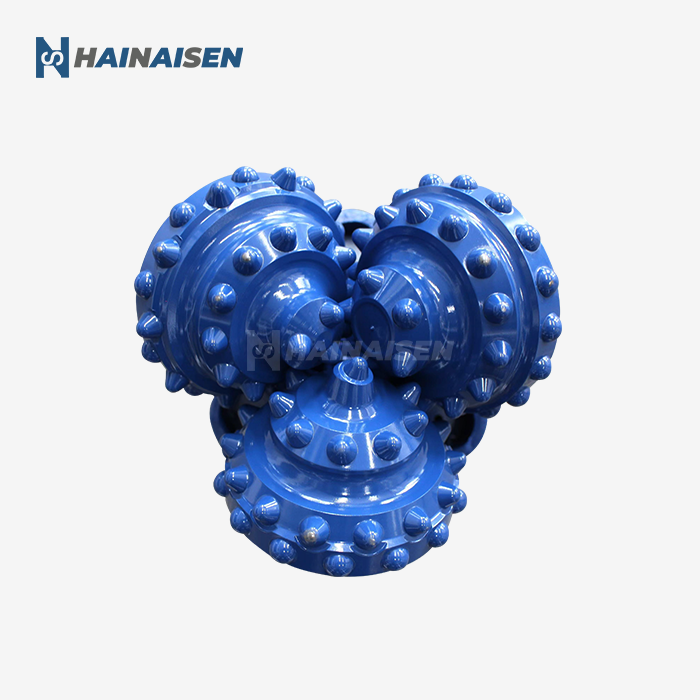 VIEW MOREHard Alloy Roller Drill Bit
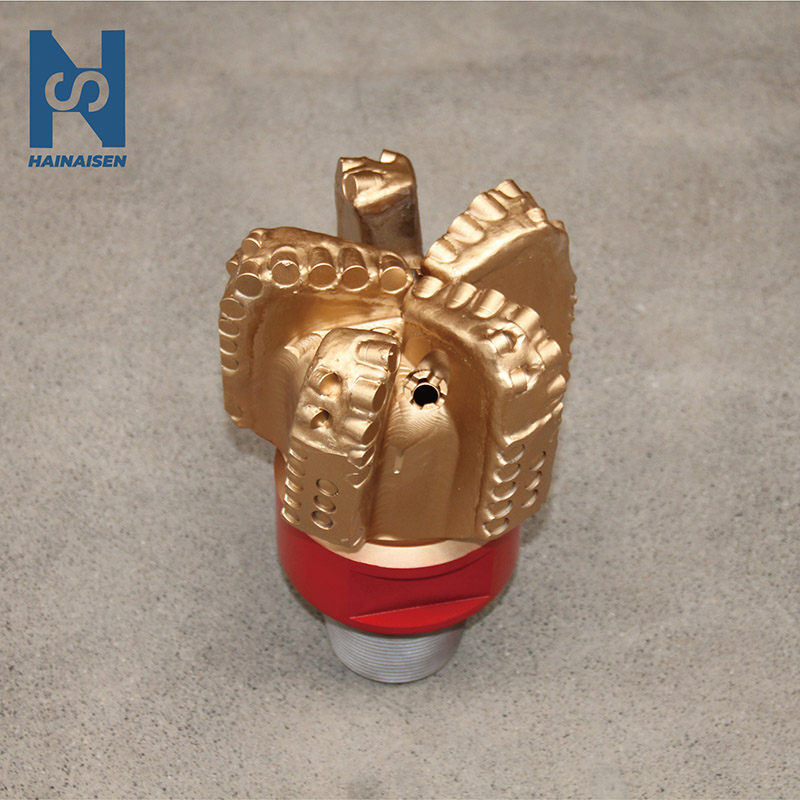 VIEW MOREPDC Rock Drill Bit
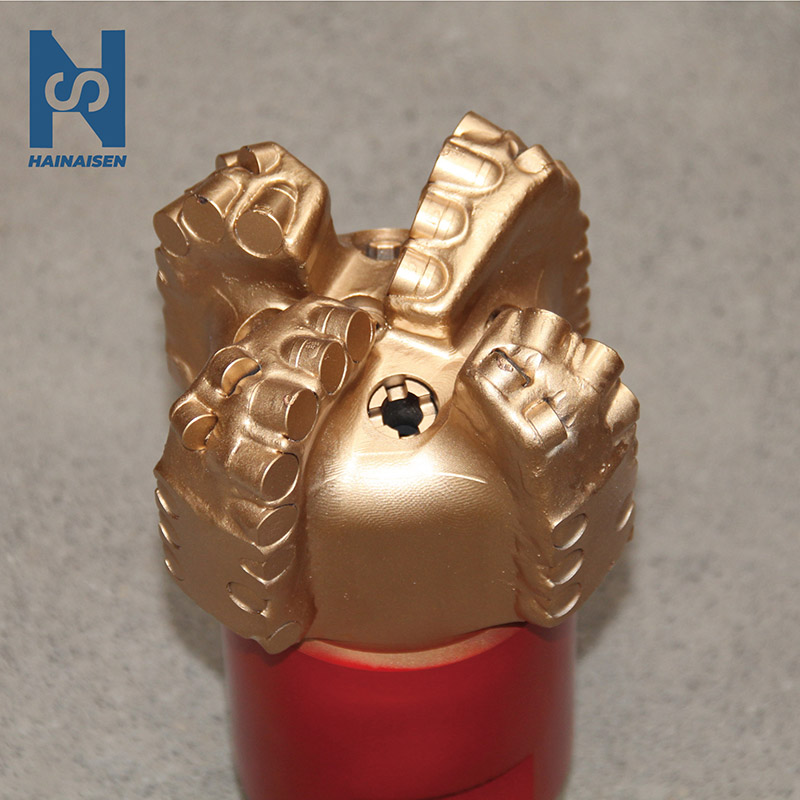 VIEW MOREFour Blade Wing High Performance Petroleum Drill Bit
 VIEW MOREThree Blade Wing Arc Angle Drill Bit
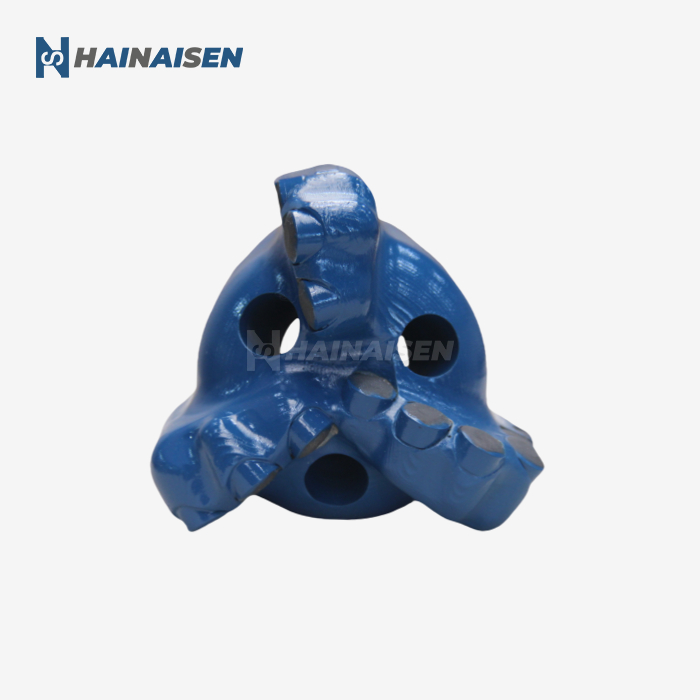 VIEW MORE3 Blade PDC Arc Angle Drill Bit
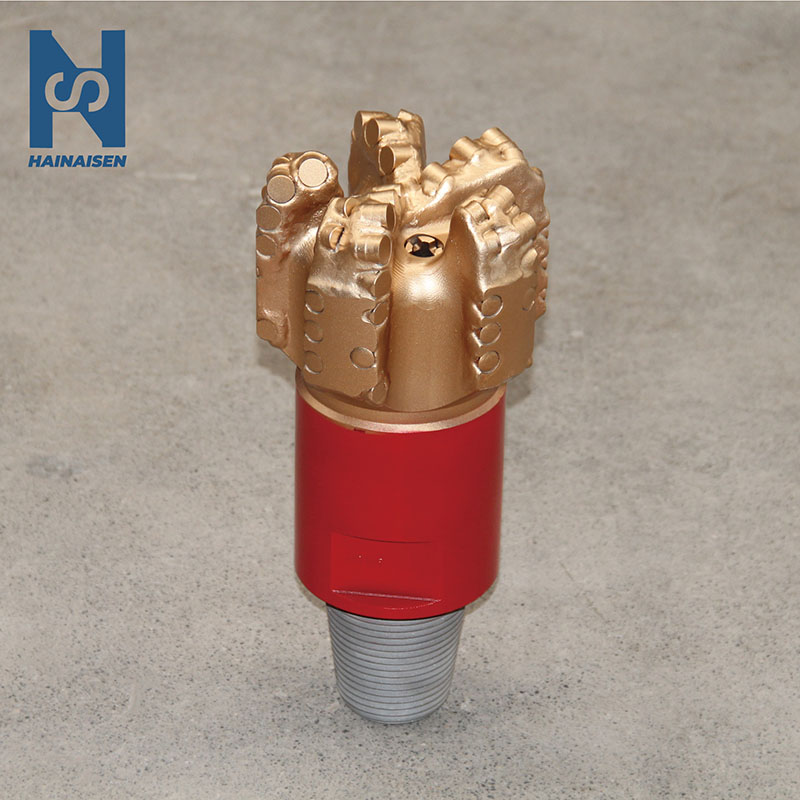 VIEW MORE5 Blade Matrix Body PDC Drill Bits
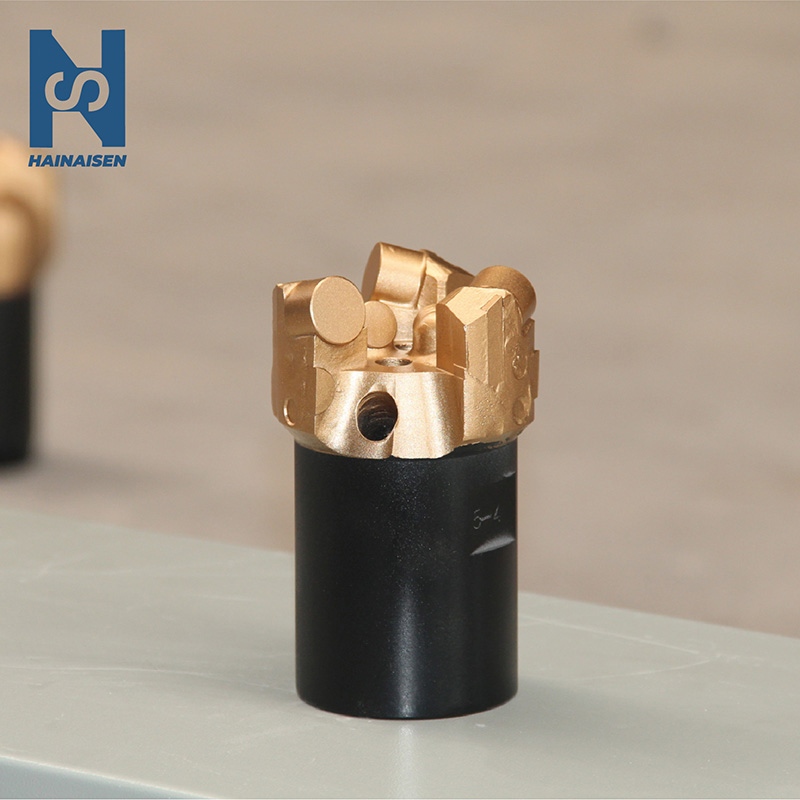 VIEW MORECoal Mining PDC Drill Bits
logo 1_1777361260784.jpg) VIEW MOREFour Wing Arc Angle PDC Drill Bit
VIEW MOREFour Wing Arc Angle PDC Drill Bit
