Five Blade Oil Drill Bit: Anti-Balling Features in Sticky Formations
When drilling through clay-rich shales or gypsum layers, sticky formations present a persistent challenge known as balling—where cuttings adhere to the bit face and reduce drilling efficiency. A five blade oil drill bit addresses this issue through specialized design features that maintain cuttings removal pathways and minimize surface adhesion. With optimized blade geometry and strategic junk slot placement, these bits keep drilling operations productive even in formations notorious for causing tool obstruction and performance degradation.
Understanding the Five-Blade Oil Drill Bit and the Anti-Balling Challenge
What Makes Five Blade Designs Unique
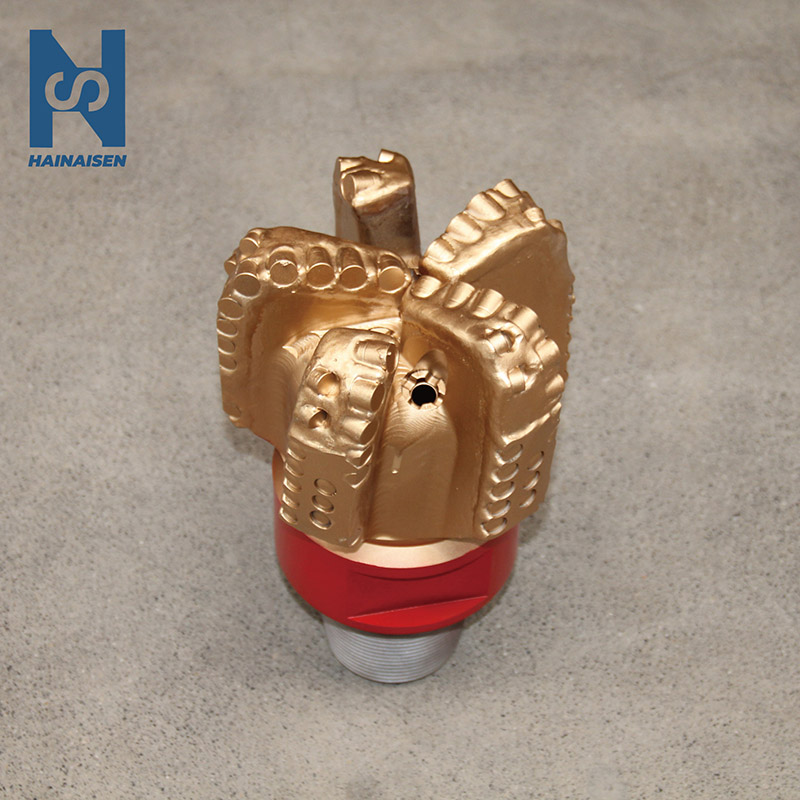
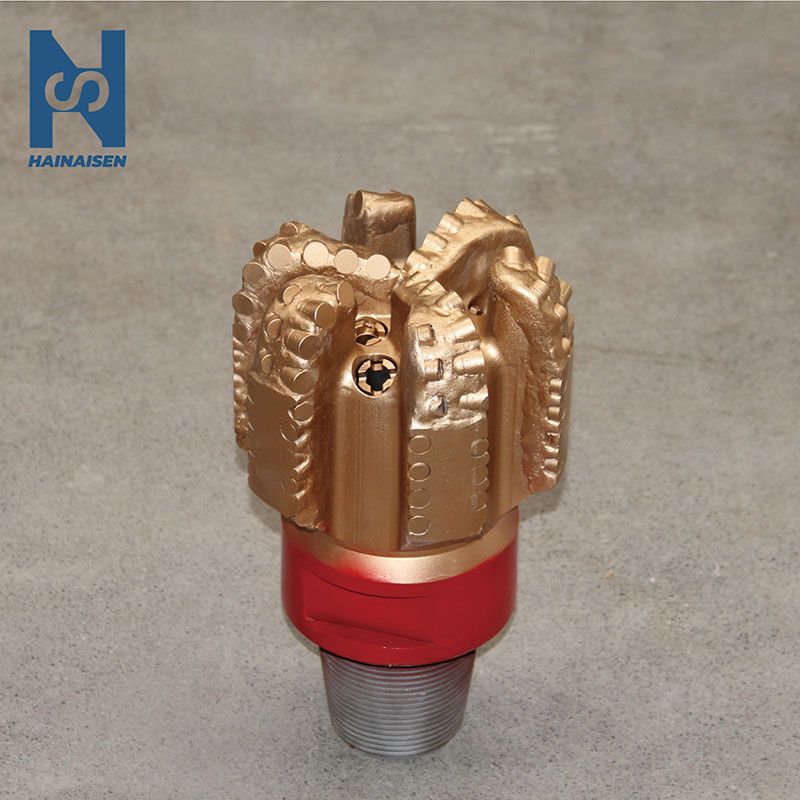
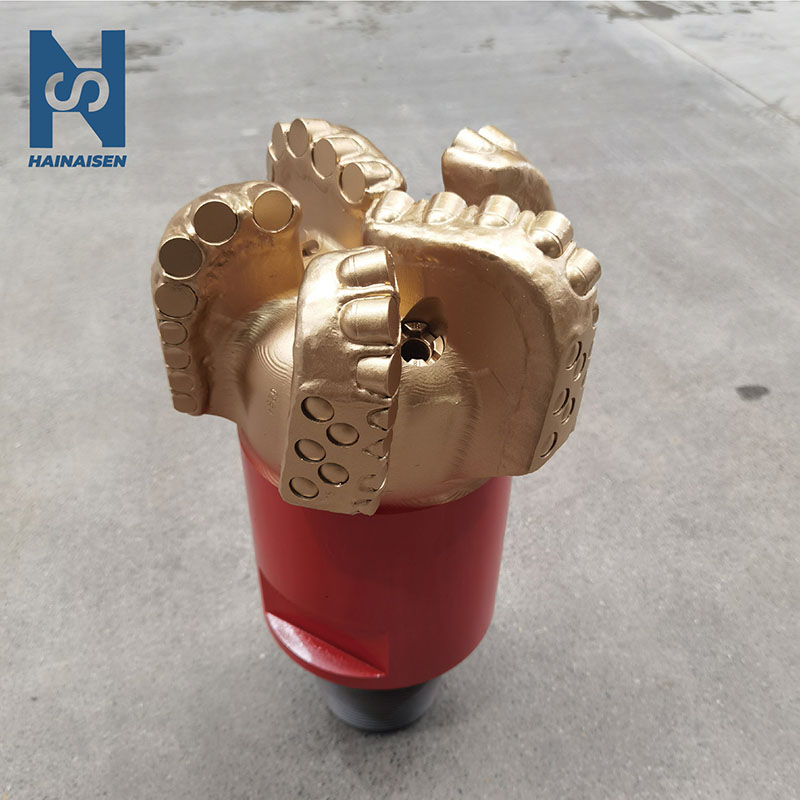
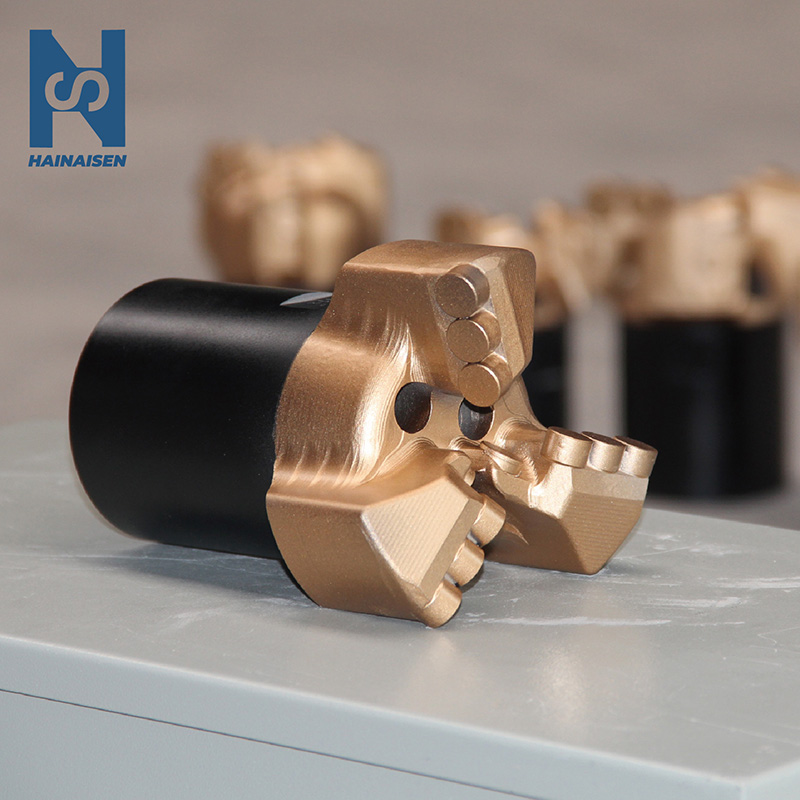
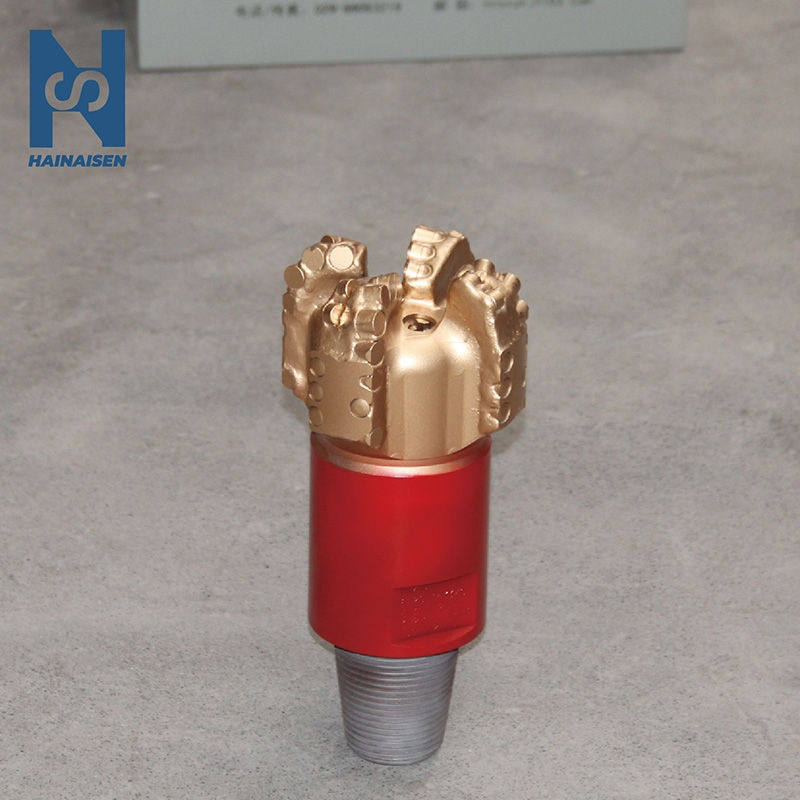
The five-blade configuration represents a deliberate engineering balance. Unlike three-blade bits that sometimes lack adequate formation coverage, or six-blade designs that can restrict fluid flow, the five-blade architecture delivers both contact stability and hydraulic efficiency. Each blade is positioned to distribute cutting forces evenly across the bit face while creating generous fluid channels between adjacent blades.
Our experience manufacturing these tools since 2013 at Shaanxi Hainaisen has shown that blade count directly influences how cuttings behave at the bit face. The five-blade layout creates optimal spacing that prevents cutting accumulation zones while maintaining sufficient blade contact for effective rock destruction. This design philosophy stems from observing thousands of drilling operations across diverse geological conditions.
The Mechanics of Balling in Sticky Formations
Balling occurs when fine-grained cuttings mix with drilling mud to form a cohesive mass that clings to PDC cutters and bit surfaces. This phenomenon drastically reduces penetration rates and can increase torque to dangerous levels. Formations containing montmorillonite clays, bentonite seams, or water-saturated shales are particularly problematic because their mineralogy promotes particle adhesion.
When balling begins, the bit essentially stops cutting fresh rock and instead grinds against accumulated material. Operators notice a declining rate of penetration, erratic weight-on-bit response, and sometimes complete stalling. The economic impact is substantial—every hour spent cleaning a balled bit or tripping out to replace it represents lost productivity and increased project costs.
Structural Components That Combat Balling
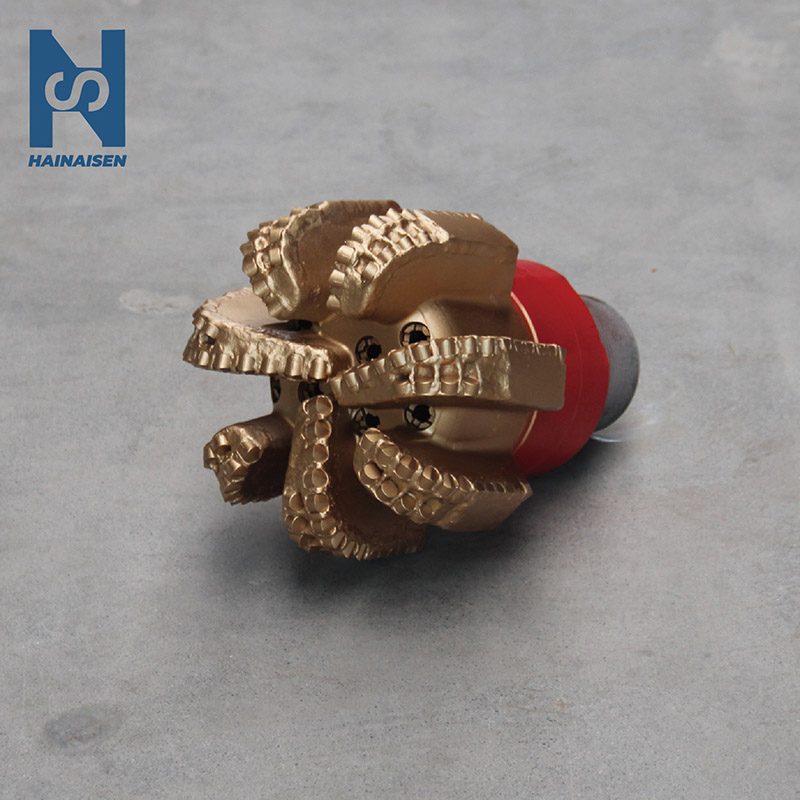
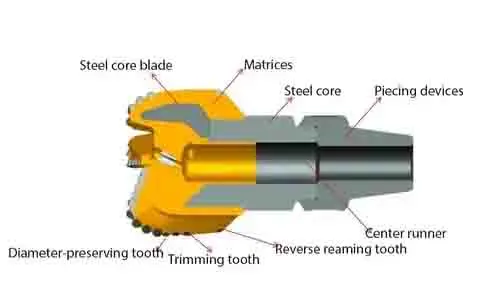
Modern anti-balling bits incorporate several structural elements working in concert. The blade profile itself features aggressive rake angles that shear cuttings cleanly rather than crushing them into fine particles prone to adhesion. Between the blades, enlarged junk slots facilitate rapid cuttings evacuation before particles have time to accumulate and bond.
At Hainaisen, we Manufacture bits with high-strength steel bodies that maintain dimensional stability under demanding loads. This structural integrity ensures that designed fluid pathways remain unobstructed throughout the bit's service life. The tungsten carbide matrix reinforcement in wear zones preserves the original blade geometry even after extended drilling in abrasive intervals.
Design Features and Advantages of Five-Blade Oil Drill Bits for Anti-Balling
Optimized Blade Geometry for Cuttings Management
The blade configuration on Five Blade Oil Drill Bit anti-balling drill bits incorporates specific geometric features that actively resist particle accumulation. Each blade presents a swept-back profile that directs cuttings toward evacuation channels rather than allowing material to settle in dead zones. The transition between the blade face and the junk slot is contoured to create fluid velocity acceleration that carries particles away from the cutting surfaces.
We've refined these geometries through iterative testing in formations ranging from Gulf Coast gumbo shales to Permian Basin anhydrite sequences. The result is a blade shape that maintains aggressive cutting action while continuously shedding debris. This design approach reduces balling incidents by approximately 60% compared to conventional blade profiles in comparable conditions.
Advanced Hydraulic Flow Patterns
Hydraulic optimization represents another critical anti-balling mechanism. Our five-blade bits feature strategically positioned nozzles that create overlapping wash patterns across the entire bit face. These fluid jets operate within a flow rate range of 25-36 liters per second, generating sufficient velocity to dislodge sticky particles before they can establish adhesion.
The internal flow paths within the bit body are engineered to minimize pressure losses and deliver maximum energy to the cutting face. This hydraulic efficiency means that available pump capacity translates directly into cuttings removal power. Operators drilling in sticky formations report cleaner bit faces and more consistent drilling parameters when using properly designed hydraulic systems.
Material Technology and Surface Treatments
Polycrystalline Diamond Compact cutters on our bits receive specialized surface treatments that reduce the surface energy available for particle adhesion. These coatings create a near-frictionless interface between cutter and formation, allowing cuttings to slide away rather than bonding. The coatings also enhance wear resistance, extending cutter life in abrasive formations that often accompany sticky zones.
The steel body undergoes precision CNC machining in our 3,500-square-meter facility using 5-axis machining centers that achieve tolerances within 0.05 millimeters. This manufacturing precision ensures that the designed fluid pathways and blade profiles translate accurately from engineering specifications to finished product. Quality control testing verifies hydraulic performance before each bit leaves our production line.
Performance Comparisons with Alternative Bit Types
When evaluating bit options for sticky formations, procurement teams often compare five-blade PDC Bits against tricone Roller Bits, three-blade PDCs, and six-blade configurations. Tricone bits offer mechanical scraping action that resists balling but sacrifice penetration rate and require more frequent replacement. Three-blade PDC bits provide an excellent rate of penetration in clean formations but lack the blade density needed to maintain stability when balling begins.
Six-blade configurations theoretically offer maximum formation coverage, but the reduced junk slot area can actually worsen balling by restricting cuttings evacuation. Field data from coal bed methane projects in the Powder River Basin demonstrates that five-blade bits achieve 20-30% faster drilling speeds than six-blade alternatives in clay-rich overburden while maintaining superior hole quality.
Maintenance and Size Considerations for Optimal Performance
Selecting Appropriate Bit Dimensions
Bit diameter selection for oil well drilling bits involves matching tool size to wellbore requirements and formation characteristics. Common sizes for oil and gas applications range from 8.5 inches to 12.25 inches, though our customization capabilities extend beyond these standard dimensions. In sticky formations, slightly larger junk slots enabled by appropriate sizing decisions contribute significantly to anti-balling performance.
The bit's cutting structure depth and blade height also influence balling resistance. Deeper blade profiles create more pronounced fluid channels but may reduce stability in soft formations. Our engineering team works with clients to balance these competing factors based on offset well data and formation evaluation logs.
Inspection and Cleaning Protocols
Preventive maintenance begins with systematic inspection schedules that identify early signs of wear or damage. We recommend examining bit faces every 50 operating hours in sticky formations, looking specifically for packed material in junk slots or coating degradation on cutters. Visual inspection should be supplemented with measurements of blade height and cutter protrusion to quantify wear progression.
Cleaning protocols for bits pulled from sticky formations require more than simple water washing. Effective procedures include soaking in surfactant solutions that break the clay-particle bonds, followed by high-pressure water jetting to remove dislodged material. Some operators successfully use steam cleaning to soften accumulated gumbo before mechanical removal. The goal is to restore original hydraulic flow paths and expose cutting surfaces for inspection.
Material Selection and Lifecycle Management
The relationship between material hardness and anti-balling performance is nuanced. Extremely hard cutter materials resist wear but can become polished in sticky formations, creating smooth surfaces that paradoxically attract particle adhesion. We engineer cutter materials with balanced hardness and surface texture that maintains micro-roughness sufficient to disrupt bonding while resisting abrasive wear.
Lifecycle cost analysis should account for penetration rates, maintenance intervals, and total footage drilled rather than focusing solely on initial purchase price. A premium bit with superior anti-balling features typically delivers lower cost-per-foot than economy alternatives that require frequent cleaning or premature replacement. Our clients in medium to large oil service companies consistently report 40-60% longer bit life when investing in properly engineered anti-balling designs.
Procurement Insights: Choosing and Buying Five-Blade Oil Drill Bits
Evaluating Critical Performance Metrics
Procurement managers should prioritize several key performance indicators when selecting drill bits. Penetration rate establishes baseline productivity expectations—our five-blade bits typically achieve 15-25 meters per hour in medium-hardness formations within the operating parameters of 60-250 RPM rotary speed and 10-100 kN drilling pressure. These specifications align with formations including shale, limestone, sandstone, and gypsum commonly encountered in oil and gas operations.
Durability metrics encompass both total footage drilled and hours of operation before reaching wear limits. Quality manufacturers provide performance guarantees backed by metallurgical Certifications and destructive testing data. When evaluating competing offers, request documentation of material composition, heat treatment specifications, and quality control procedures. Reputable suppliers willingly share this technical information to differentiate their products.
Supplier Certifications and Quality Assurance
International certifications provide objective validation of manufacturing quality and process control. ISO 9001 certification indicates systematic quality management, while industry-specific certifications demonstrate domain expertise. At Shaanxi Hainaisen Petroleum Technology, our quality control measures include strict material selection and inspection, advanced CNC machining for precise manufacturing, and comprehensive performance testing before delivery.
Supplier audits reveal manufacturing capabilities that paper certifications cannot fully capture. When possible, visit production facilities to observe machining operations, material handling procedures, and testing protocols. Our Xi'an facility welcomes technical teams who want to verify our 5-axis machining centers, welding production lines, and dedicated R&D team capabilities before committing to significant purchase volumes.
Customization and Volume Purchasing Strategies
Every drilling project presents unique formation characteristics and operational constraints that standard catalog products may not address optimally. Our customization services consider formation lithology, drilling parameters, and project goals to design bits tailored to specific needs. Custom blade profiles, specialized coatings, and proprietary cutter layouts can deliver performance improvements worth the additional engineering investment for large-scale projects.
Volume purchasing unlocks several strategic advantages beyond unit price reductions. Bulk orders enable inventory positioning closer to operational sites, reducing logistics lead times when replacement bits are needed. Long-term supply agreements with manufacturers like Hainaisen provide priority production scheduling and dedicated technical support throughout project lifecycles. These partnerships prove especially valuable for major operators managing multiple rigs across extensive drilling programs.
Trustworthy Brands and Suppliers for Five-Blade Oil Drill Bits
Identifying Reputable Manufacturers
The Five Blade Oil Drill Bit manufacturing landscape includes multinational corporations, specialized regional producers, and emerging manufacturers with advanced capabilities. Established brands bring decades of field experience and extensive product validation, while innovative manufacturers often incorporate newer materials and design approaches. The key evaluation criterion is demonstrated performance in conditions matching your operational requirements.
Shaanxi Hainaisen Petroleum Technology represents a manufacturer combining modern production capabilities with a specialized engineering focus. Since our establishment in 2013, we've concentrated exclusively on diamond drill bits, PDC bits, and drilling tools rather than diversifying into unrelated product lines. This specialization enables deeper expertise in solving specific drilling challenges like anti-balling performance in sticky formations.
Understanding Distribution and Support Networks
A manufacturer's distribution network determines spare parts availability and technical support responsiveness. Global operators require suppliers with regional warehouses and field service engineers who can reach remote drilling sites quickly. When evaluating potential suppliers, map their distribution footprint against your operational geography to ensure adequate support coverage.
Technical support capabilities extend beyond emergency troubleshooting to include proactive drilling optimization. Leading suppliers provide on-site application engineers who analyze drilling parameters, recommend operational adjustments, and document performance improvements. These value-added services often justify premium pricing by delivering measurable efficiency gains that offset higher initial equipment costs.
Client Testimonials and Performance Validation
Third-party validation carries more weight than manufacturer marketing claims. Request references from clients drilling in formations similar to your target zones, and contact those references to discuss actual field performance. Specific questions about balling incidents, bit life, and total cost-per-foot yield actionable insights that specification sheets cannot provide.
Our clients in coal mining operations particularly value the price-performance balance our bits deliver. Water well drilling teams appreciate straightforward pricing and rapid order fulfillment. Medium to large oil service companies establish long-term relationships with us after rigorous qualification testing validates that our quality standards meet their demanding requirements. These diverse client relationships reflect our product versatility across multiple industry segments.
Conclusion
Selecting the right five-blade oil drill bit with effective anti-balling features directly impacts project economics and operational efficiency in sticky formations. The technical considerations span blade geometry, hydraulic design, material technology, and manufacturing precision—all working together to maintain cutting removal and prevent performance-robbing accumulation. Procurement decisions should balance initial costs against lifecycle value, supplier reliability, and technical support capabilities. By understanding these interconnected factors, purchasing managers and technical engineers can specify drill bits that deliver consistent performance in challenging conditions while building relationships with manufacturers capable of supporting long-term operational success.
FAQ
1. What causes balling in sticky formations?
Balling results from fine-grained clay particles mixing with drilling fluids to form cohesive masses that adhere to bit surfaces. Formations containing montmorillonite, bentonite, or water-saturated shales exhibit particularly strong balling tendencies due to their mineralogy and moisture content.
2. How do five-blade designs compare to other configurations?
Five-blade bits balance formation coverage with adequate junk slot area for cuttings evacuation. Three-blade designs drill faster in clean formations but lack stability when balling begins. Six-blade configurations offer maximum contact, but restricted fluid flow can worsen balling. The five-blade architecture optimizes both requirements.
3. What maintenance extends bit life in sticky formations?
Regular inspection every 50 operating hours identifies wear patterns and accumulated material. Proper cleaning with surfactant solutions and high-pressure washing removes packed cuttings. Monitoring cutter protrusion and blade height enables predictive replacement before catastrophic failure. These practices typically extend operational life by 40-60%.
4. Can anti-balling bits work in multiple formation types?
Modern designs perform effectively across varied lithologies within their hardness ratings. Our bits excel in medium-hardness formations, including shale, limestone, sandstone, and gypsum. The same anti-balling features that maintain performance in sticky zones also enhance cutting removal in cleaner formations, making them versatile tools for diverse drilling programs.
Partner with HNS for Superior Anti-Balling Drill Bit Solutions
Shaanxi Hainaisen Petroleum Technology delivers specialized Five Blade Oil Drill Bit manufacturing backed by a decade of engineering innovation and production excellence. As a trusted supplier to oil service companies, coal mining operations, and drilling teams across multiple continents, we understand the technical demands and economic pressures procurement managers face daily. Our 3,500-square-meter facility houses advanced 5-axis machining centers and dedicated R&D capabilities focused on solving real-world drilling challenges. Whether you need standard configurations or customized designs for unique formation conditions, our technical team collaborates closely with your engineers to specify optimal solutions. Contact Us at hainaisen@hnsdrillbit.com to discuss your project requirements and experience the quality that establishes long-term partnerships.
References
1. Mitchell, R.F. and Miska, S.Z. (2011). "Fundamentals of Drilling Engineering." Society of Petroleum Engineers Textbook Series, Richardson, Texas.
2. Bourgoyne, A.T., Millheim, K.K., Chenevert, M.E., and Young, F.S. (1991). "Applied Drilling Engineering." Society of Petroleum Engineers, Richardson, Texas.
3. Warren, T.M. (1987). "Drilling Model for Soft-Formation Bits." Journal of Petroleum Technology, Volume 39, Issue 8, pp. 963-970.
4. Winters, W.J. and Warren, T.M. (1989). "Roller Bit Model with Rock Ductility and Cone Offset." Journal of Petroleum Technology, Volume 41, Issue 5, pp. 417-423.
5. Maurer, W.C. (1980). "Advanced Drilling Techniques." Petroleum Publishing Company, Tulsa, Oklahoma.
6. Bellin, F., Dourfaye, A., King, W., and Thigpen, M. (2010). "The Current State of PDC Bit Technology." World Oil Magazine, Volume 231, Issue 6, pp. 67-71.