




PDC Petroleum Drill Bit: Cutter Diameter and Backrake Angle Explained
Cutter diameter and backrake angle generally determine drill bit performance for drilling engineers and procurement managers. These geometric aspects affect how a PDC Petroleum Drill Bit interacts with rock formations, altering penetration rates, tool longevity, and operational costs. Understanding these specifications—both individually and together—enables teams to choose pieces that increase oil and gas well, coal mining, and water well performance.
Understanding PDC Petroleum Drill Bit Basics
Polycrystalline diamond compact bits outperform tricone and roller cone designs. PDC technology uses synthetic diamond cutters linked to tungsten carbide substrates to shear formations more efficiently than bits that break rock by impact.
Core Components of PDC Bit Design
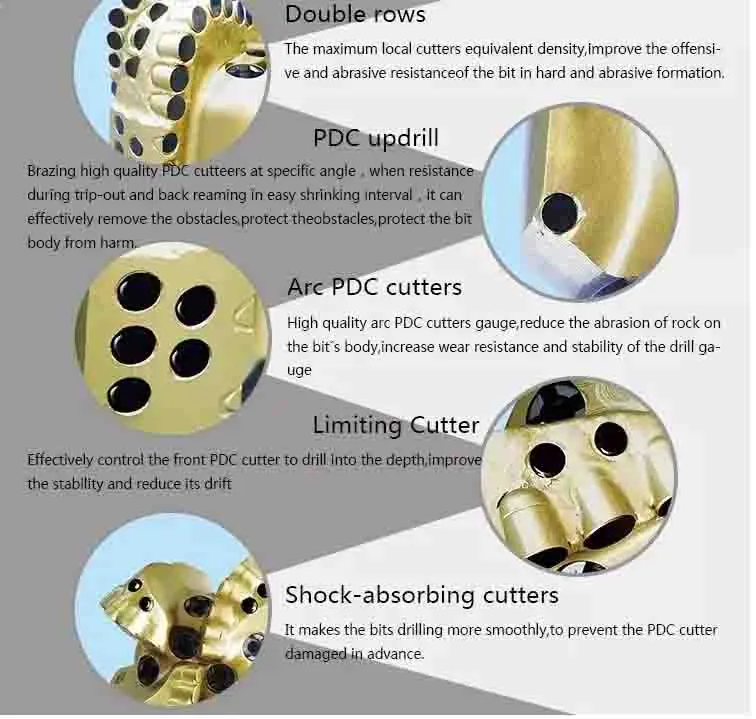
PDC Bits have numerous essential parts that function together. Bit bodies, usually steel or matrix, are the base. Blades—structural ridges that contain PDC cutters and circulate drilling fluid—are mounted on this body. The gauge portion stabilises the borehole diameter and direction while drilling.
PDC cutters have a thin layer of strong, wear-resistant polycrystalline diamond metallurgically bound to a carbide support structure. This combination maintains structural integrity under harsh downhole conditions while cutting well. Nozzles strategically placed across the bit body direct hydraulic flow to cool cutters and remove cuttings.
Advantages Over Conventional Drilling Tools
PDC bits penetrate soft shale to medium-hard limestone faster than roller cones. Shearing boreholes cleans them and lowers vibration, while the lack of moving parts reduces mechanical failure. These traits reduce drilling time, bit trips, and per-foot drilling costs, which buying managers value for ROI.
With 5 blades and 75 carefully placed cutters, HNS's 9.5-inch (241.3mm) S123 PDC bit offers these benefits. API 6-5/8 REG.PIN connection works with normal drill strings, and the 65kg weight indicates strong construction for demanding applications.
Cutter Diameter and Its Impact on Drilling Performance
Cutter diameter refers to the cylindrical dimension of each individual PDC cutting element. Standard sizes in petroleum drilling typically range from 8mm to 19mm, with selection driven by formation characteristics and operational objectives.
Measurement Standards and Size Selection
Engineers measure cutter diameter across the synthetic diamond layer's cylindrical face. S123 has two cutter sizes—13mm and 19mm—strategically distributed across the bit profile. The dual-diameter method matches cutter size to positions and loading conditions to maximise cutting efficiency.
Gauge protection and high-stress bit shoulder positions benefit from larger cutters (16mm-19mm) due to their impact resistance and wear life. Smaller cutters (8mm-13mm) allow denser placement in the nose and cone, where complicated cutting structures improve penetration rates in softer rocks.
Influence on Rate of Penetration and Tool Life
Cutter diameter directly impacts diamond-rock contact. In sandstone, larger cutters reduce unit stress and extend operating life by spreading cutting forces over larger surfaces. In softer materials, smaller cutters can penetrate faster due to more focused cutting action, but this reduces aggressiveness.
Oil service company field data regularly shows this association. Mixed-diameter bits penetrate interbedded strata of soft shale and tougher limestone more consistently than single-diameter ones. Smaller cutters speed through softer zones, whereas larger cutters protect bit integrity in harsher intervals.
Application-Specific Considerations
Due to abrasive materials and the economic relevance of bit life, coal mining operations prefer larger cutters. In unconsolidated strata, water well drilling crews use smaller cutters that function effectively at a lesser expense. Mixed-diameter arrangements can balance several performance requirements for oil and gas exploration projects in complicated geology.
Understanding Backrake Angle and Its Role
Back rake angle describes the orientation of an oil rig drill bit PDC cutter's cutting face relative to the formation surface. This angular relationship fundamentally determines how aggressively the cutter engages rock and how efficiently it removes material.
Geometric Definition and Measurement
Back rake angle is the cutter face's angle from perpendicular, measured in degrees. Positive rake angles tilt the cutting edge backwards towards the bit body, making it less aggressive but more robust. Negative rake angles tilt the cutting edge forward, increasing aggressiveness but chipping and fracture risk. Most PDC bits have backrake angles between 10° and 25°, depending on formation hardness and operational needs.
Effect on Cutting Mechanics
Cutting pressures across the diamond layer are controlled by the back rake angle. Higher numerical back rake angles lower cutting efficiency but greatly enhance impact resistance and thermal stability. Cutters at 20°-25° back rake work well in hard, abrasive formations where chipping would damage more aggressive designs.
Instead, shallow backrake angles (10°-15°) maximise material removal in softer formations by exposing the cutting edge to the rock face. This aggressive orientation speeds penetration but requires careful formation matching to avoid cutter failure.
Material Interactions and Performance Expectations
Engineering can optimise back rake angles with diamond grade and carbide substrate attributes using advanced PDC manufacturing methods. Premium diamond grades can withstand more aggressive back rake angles without affecting durability, offering performance improvements that regular materials cannot. Backrake geometry and thermal stability are crucial in geothermal drilling, where high temperatures strain material qualities.
Interrelationship Between Cutter Diameter and Backrake Angle
While each parameter independently influences bit performance, their combined effect determines actual drilling outcomes. Engineers must balance these specifications carefully to achieve optimal results.
Coordinated Design Principles
Larger cutters with steeper back rake angles protect structural integrity under excessive pressure. A 19mm cutter can safely distribute forces at 20°-25° back rake due to its larger contact area, maintaining penetration rates. To compensate for reduced impact resistance and boost cutting efficiency, smaller cutters have steeper back rake angles (12°-18°).
This coordination idea is evident in our S123 bit design. The gauge-positioned 19mm cutters have conservative back rake angles to maintain diameter. The bit profile's 13mm cutters have more aggressive geometry to maximise rock removal rates, offering a balanced cutting structure that works reliably across formations.
Impact on Cutting Forces and Vibration Control
The cutter diameter-backrake relationship directly influences downhole vibration. Uneven cutting forces from tiny cutters with steep back rake angles or large cutters with aggressive shallow angles cause harmful vibration patterns. Balanced setups reduce bit and drill string shock by smooth cutting.
This geometric interaction affects heat dissipation. Larger cutters with moderate back rake angles give enough contact area to transfer heat to drilling fluid, reducing diamond-carbide bond thermal deterioration. Small aggressive cutters remove material quickly yet generate concentrated heat that accelerates wear.
Case Study: Performance Optimization in Practice
After upgrading to optimised PDC bits with coordinated cutter diameter and backrake parameters, a medium-sized Permian Basin oil service firm reduced drilling time by 23%. Prior bits used 16mm cutters with 15° back rake in all locations. The modified design used 19mm cutters at 22° back rake for gauge protection and 13mm cutters at 15° for cone-region aggressive cutting. This personalised technique increased penetration without reducing bit life, proving that technological relationships are useful.
Maintenance, Common Problems, and Performance Optimization
Proper maintenance practices preserve the geometric integrity of cutter diameter and backrake angle, directly extending bit life and maintaining performance levels.
Regular Inspection Techniques
After each bit run, wear patterns show if the cutter specs are suitable for drilling conditions. All cutters wear similarly, indicating good design. Localised cutter size or location damage prompts bit design changes.
Wear rates can be quantified by residual cutter height. Engineers can change the bit order to include more durable cutter sizes in vulnerable areas when 13mm cutters wear more quickly than 19mm cutters on the same bit. Field data-supported iterative optimisation improves performance continuously.
Common Wear Patterns and Their Implications
Too much wear on gauge cutters in PDC Petroleum Drill Bit usage implies insufficient cutter diameter for formation abrasiveness. Reducing cutting aggression by using larger cutters or back rake angles usually fixes this. Nose cutter chipping and breaking indicate aggressive back rake angles for formation hardness. In these settings, steeper back rake angles increase endurance.
In sticky formations, poor hydraulic design or cutter geometry can cause bit balling. While nozzle placement is the main issue, extreme back rake angles can create cutting profiles that retain material instead of expediting evacuation.
Performance Enhancement Strategies
Innovative PDC manufacturing methods push performance limits. In geothermal wells and deep oil deposits, thermally stable polycrystalline diamond cutters retain geometric integrity. Premium diamond qualities enable aggressive cutting geometries without failure.
The bit body and blade surfaces are coated to prevent erosion from drilling fluid and formation abrasives, ensuring hydraulic efficiency throughout the bit run. Regular bit inventory turnover ensures fresh bits enter service and worn bits are refurbished, maximising fleet utilisation.
Procurement Guide: Selecting the Right PDC Petroleum Drill Bit
Purchasing managers face complex decisions when specifying PDC bits for diverse drilling applications. A systematic approach to evaluation ensures optimal selections.
Critical Selection Criteria
Formation geology stands as the primary consideration. Sandstone and limestone formations with moderate hardness (compressive strength 50-150 MPa) respond well to mixed cutter diameter designs with moderate backrake angles. Harder formations require larger cutters with conservative backrake specifications. Softer formations benefit from smaller, more aggressive cutters that maximize penetration rates.
Operational objectives influence bit selection significantly. Exploration projects prioritizing rapid penetration often specify aggressive cutting structures, accepting somewhat shorter bit life. Production drilling operations emphasizing cost per foot drilled favor durable designs that complete longer intervals on a single bit run.
Evaluating Supplier Capabilities
Beyond bit specifications, supplier selection requires careful assessment of manufacturing quality, technical support capabilities, and delivery reliability. Our facility at HNS encompasses 3,500 square meters of modern production space equipped with 5-axis machining centers and CNC machine tools that ensure precise manufacturing tolerances. These capabilities directly translate to consistent bit performance and predictable service life.
Customization options represent another crucial evaluation factor. Standard catalog bits serve many applications effectively, but complex geology or specialized drilling objectives often demand tailored designs. Our dedicated R&D team collaborates with clients to develop custom bit configurations optimized for specific formation sequences, drilling parameters, and operational constraints. This design flexibility helps procurement managers source precisely the tools their operations require.
Pricing and Value Considerations
The initial purchase price represents only one component of total drilling costs. A premium PDC Petroleum Drill Bit that completes 30% more footage delivers better value than a lower-cost alternative with shorter service life. When evaluating pricing, calculate anticipated cost per foot drilled based on expected penetration rates and bit life. This metric provides meaningful comparison across different bit designs and suppliers.
Volume purchasing can yield significant savings for companies with consistent drilling programs. Establishing preferred supplier relationships and committing to annual purchase volumes often unlocks preferential pricing while ensuring reliable bit availability. Water well drilling teams and smaller mining operations benefit particularly from these arrangements, gaining access to quality tools at economical price points.
Conclusion
Cutter diameter and backrake angle represent fundamental parameters that determine PDC bit performance across all drilling applications. Larger diameter cutters provide durability and impact resistance, while smaller cutters enable aggressive penetration. Back rake angle controls cutting mechanics, with steeper angles favoring durability and shallower angles maximizing material removal. The coordinated optimization of these parameters, matched carefully to formation characteristics and operational objectives, unlocks measurable improvements in penetration rates, bit life, and drilling economics. Procurement professionals who understand these technical relationships make informed decisions that reduce costs and enhance operational efficiency.
Frequently Asked Questions
1. How does cutter diameter affect PDC bit lifespan?
Larger diameter cutters generally extend bit life in abrasive formations by distributing cutting forces over broader contact areas, reducing wear rates. Smaller cutters may wear faster, but can be economically advantageous in softer formations where their higher penetration rates reduce overall drilling time. The optimal balance depends on formation characteristics and operational priorities.
2. Why is the back rake angle important when drilling through varying formations?
Back rake angle controls cutting aggressiveness and durability. Hard, abrasive formations require steeper backrake angles (20°-25°) to prevent cutter damage, while softer formations benefit from shallower angles (10°-15°) that maximize penetration rates. Properly selected back rake angles ensure bits perform reliably across the complete drilled interval.
3. Can I customize the cutter diameter and back rake angle for my specific application?
Absolutely. Reputable Manufacturers like HNS maintain design teams that develop custom bit configurations tailored to specific geological conditions, drilling parameters, and performance objectives. Custom designs typically require detailed formation data and drilling requirements, but deliver optimized performance that standard catalog bits cannot match.
Partner with HNS for Superior PDC Petroleum Drill Bit Solutions
HNS combines advanced manufacturing capabilities with deep technical expertise to deliver PDC petroleum drill bits that meet the demanding requirements of modern drilling operations. Our S123 model—featuring precision-engineered 13mm and 19mm cutters across a robust 5-blade platform—exemplifies our commitment to performance and reliability. Whether you're drilling oil and gas wells, developing coal bed methane resources, or constructing water wells, we provide customized solutions backed by extensive field experience. Connect with our technical team at hainaisen@hnsdrillbit.com to discuss your specific requirements. As a trusted PDC Petroleum Drill Bit manufacturer, we offer competitive pricing for volume orders and rapid delivery to support your project timelines.
References
1. Baker, R.M. (2021). Advanced PDC Bit Design: Principles and Applications in Modern Drilling Operations. Petroleum Engineering Press, Houston, TX.
2. Chen, S. and Williams, P.D. (2022). "Optimization of Cutter Geometry in Polycrystalline Diamond Compact Drill Bits for Enhanced Formation Penetration," Journal of Petroleum Technology, Vol. 74, No. 6, pp. 48-57.
3. International Association of Drilling Contractors (2023). Drilling Technology Standards and Best Practices Manual, 8th Edition, IADC Publications, Houston, TX.
4. Morrison, J.L. (2020). "Thermal Stability and Wear Resistance in PDC Cutting Elements: Material Science Perspectives," SPE Drilling & Completion, Vol. 35, No. 3, pp. 412-428.
5. Patel, K.R. and Zhang, W. (2023). Field Guide to Drill Bit Selection and Performance Optimization, Energy Publications International, Calgary, AB.
6. Winters, A.D. (2022). "Economic Analysis of PDC Bit Performance in Unconventional Resource Development," Drilling Engineering Quarterly, Vol. 18, No. 2, pp. 135-149.
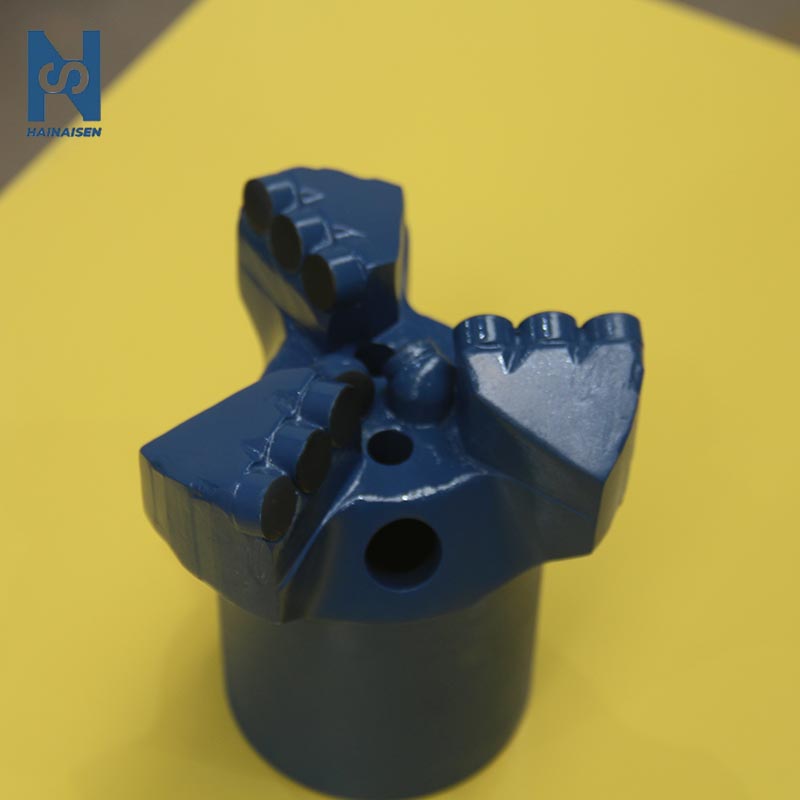 VIEW MOREPolycrystalline Diamond Compact Drill Bits
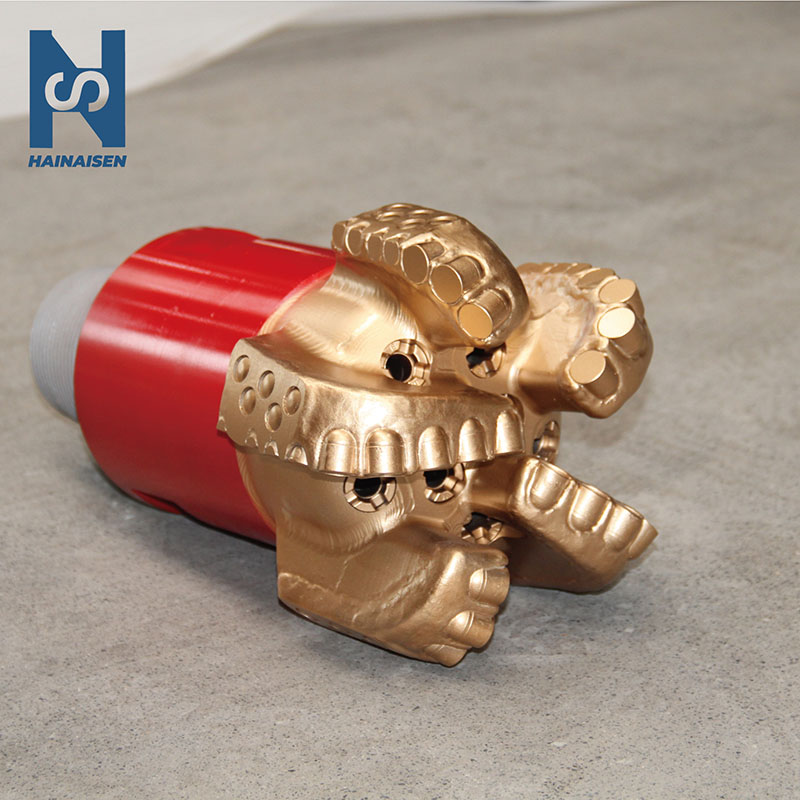 VIEW MOREDiamond Drill Bits For Oil Rigs
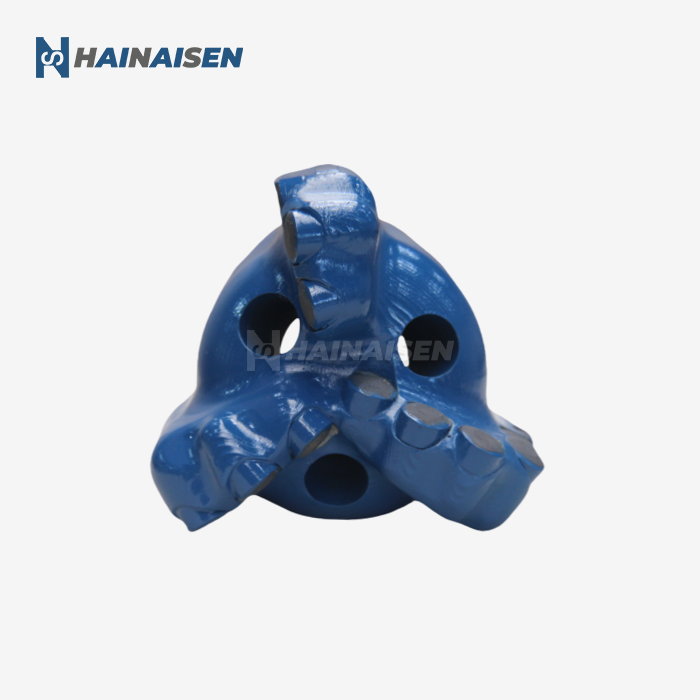 VIEW MORE113mm Three Wing Arc Angle Drill Bit
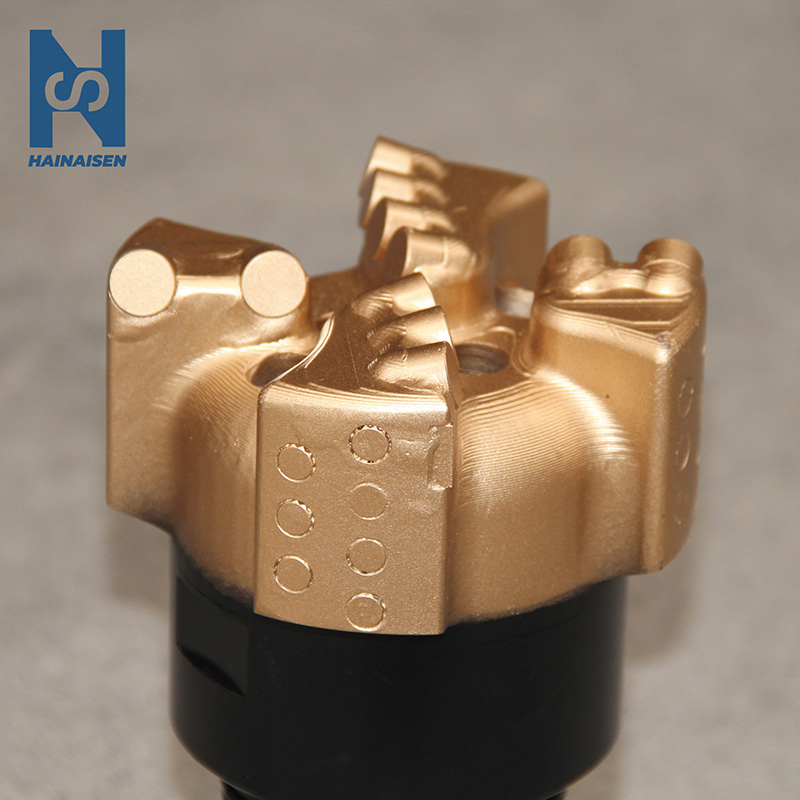 VIEW MOREDirectional Well PDC Drill Bit
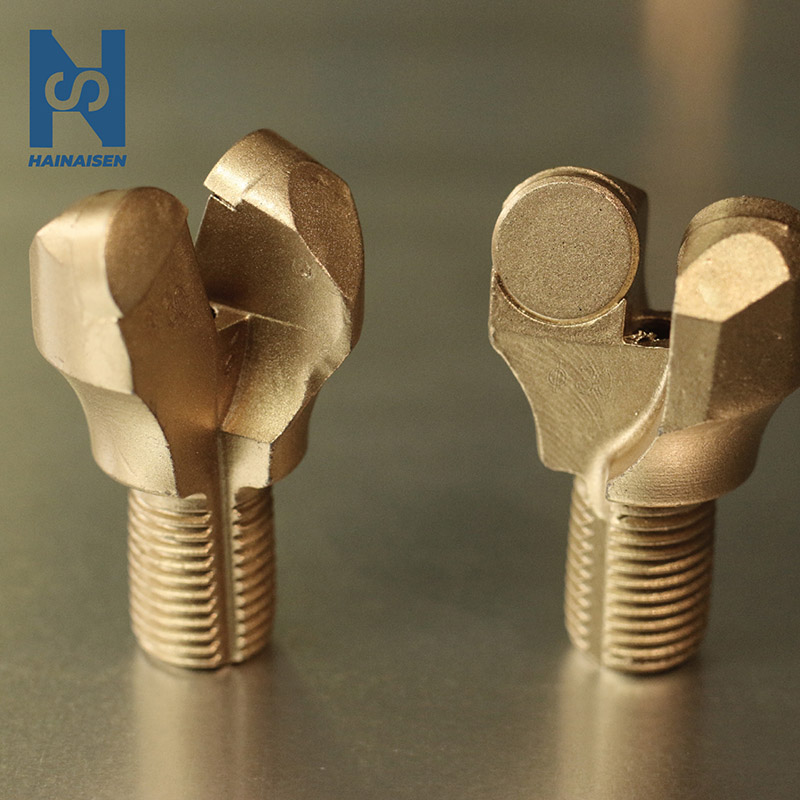 VIEW MORE30mm Half Blade Anchor Bit For Mine Coal Fields
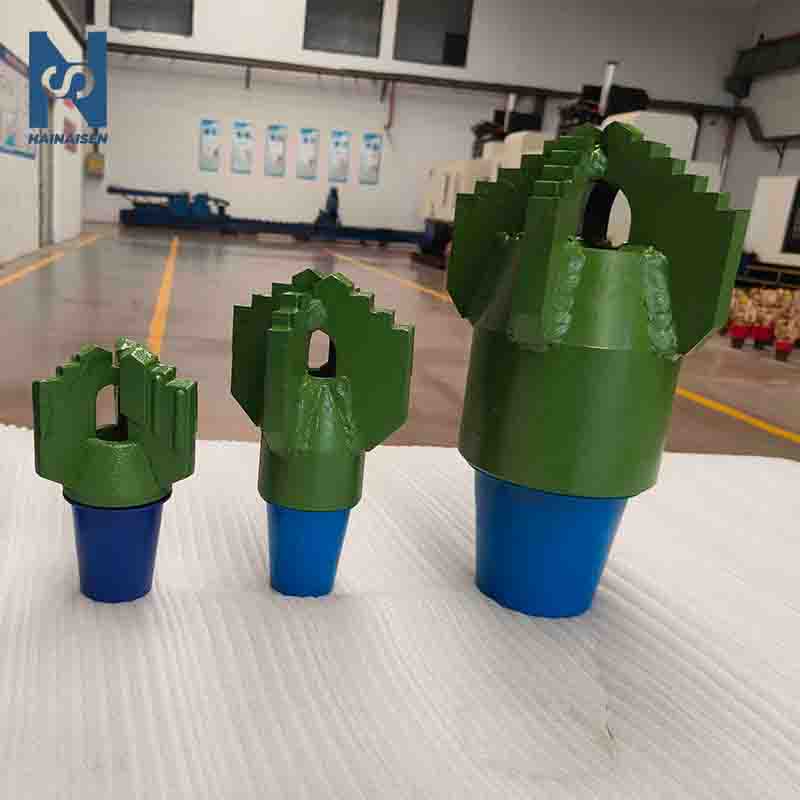 VIEW MORESteel Scraper Drill Bit
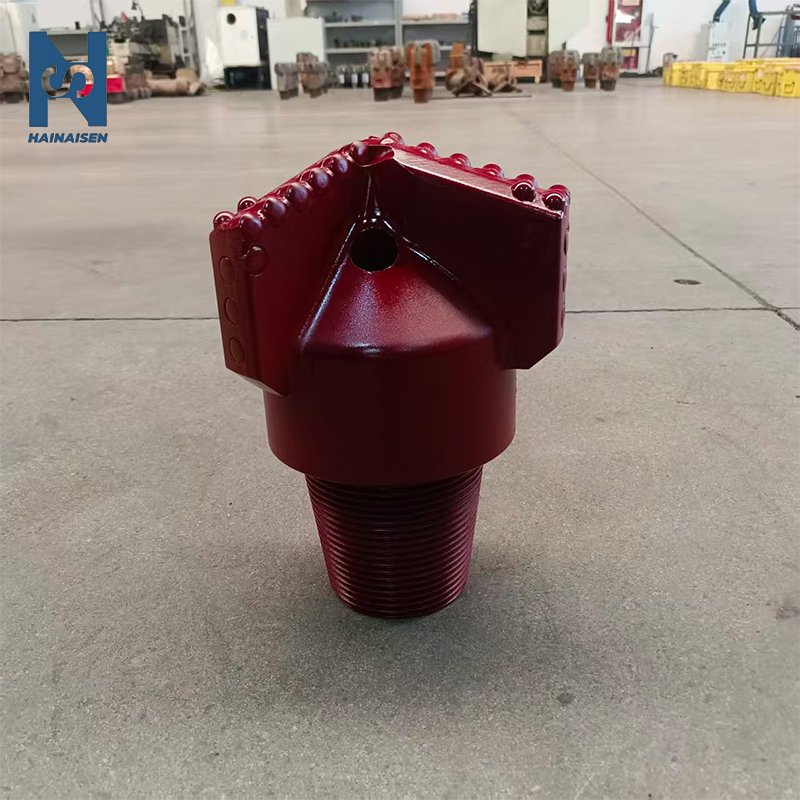 VIEW MOREHard Alloy Scraper Drill Bit
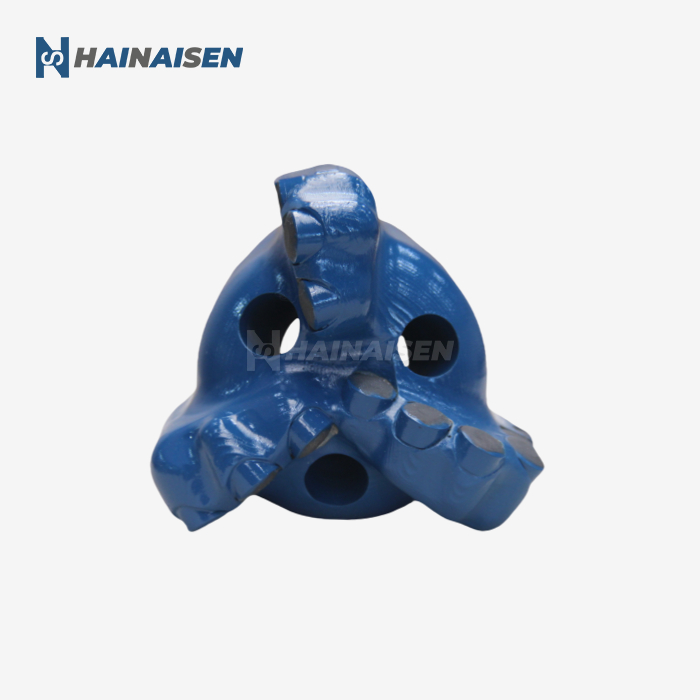 VIEW MORE3 Blade PDC Arc Angle Drill Bit