




China PDC Drill Bits vs. Tier-1 Brands: Breaking Down the Price-to-Performance Gap
Contact Hainaisen
Email: hainaisen@hnsdrillbit.com
Tel: +86 17791389758
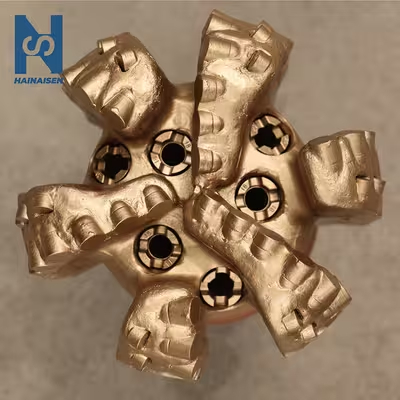
When comparing Chinese PDC drill bits with products from Tier-1 international brands, the best choice is not necessarily the most expensive one. For operators drilling shale, limestone, sandstone, or interbedded formations, a Six Blade Wing Petroleum Drill Bit can offer a practical balance of cutting efficiency, stability, service life, and purchase cost. The real question is how consistently a bit performs under actual downhole conditions and how much it costs to drill each meter or foot.
Tier-1 Manufacturers often bring extensive field-testing experience, established engineering workflows, and sophisticated bit-design technologies. Chinese manufacturers can offer competitive manufacturing costs, flexible customization, and direct communication with engineering teams. The performance gap depends on the individual design, cutter quality, manufacturing controls, and suitability for the formation—not simply the country of origin.
For drilling contractors and procurement managers, the most useful comparison considers total cost per foot, rate of penetration (ROP), bit life, downtime, and consistency between batches. A lower purchase price is valuable only when the bit delivers acceptable drilling performance without creating additional operational risks.
1. Why PDC Drill Bit Performance and Pricing Differ
Formation conditions determine the real performance gap
PDC Bits work by shearing rock with polycrystalline diamond compact cutters. Their performance depends on formation hardness, abrasiveness, compressive strength, and the tendency of the rock to fracture under load.
In relatively homogeneous shale and softer limestone, a properly designed Chinese PDC bit may deliver competitive drilling performance. In highly abrasive sandstone, hard limestone, or formations with frequent changes in lithology, cutter wear and impact resistance become more important.
A bit that drills efficiently through soft shale may struggle when it encounters abrasive sandstone or hard stringers. Higher compressive strength increases the force needed to initiate rock failure, while abrasive minerals progressively wear the diamond cutting surfaces. Sudden changes in formation hardness can also generate impact loads that damage cutters or destabilize the bit.
The first selection rule is to match the cutting structure to the formation rather than choose a bit solely by price or blade count.
What does the price difference actually pay for?
A Tier-1 brand's price may reflect investment in research and development, laboratory testing, field-performance databases, engineering software, technical services, and established distribution networks. These capabilities can be especially valuable in complex directional wells, deep wells, and expensive drilling programs where an unexpected trip has significant consequences.
Chinese manufacturers can have different cost structures and may provide more economical customization. However, manufacturing location alone does not establish cutter quality, dimensional accuracy, or expected service life. Buyers should examine the actual product specifications and quality documentation.
Important comparison points include:
- PDC cutter quality: Diamond-table wear resistance, thermal stability, impact resistance, and consistency.
- Manufacturing control: Cutter placement, attachment quality, blade geometry, and dimensional tolerances.
- Hydraulic performance: Nozzle arrangement, flow distribution, and removal of cuttings from the cutting face.
- Gauge protection: Resistance to wear that could compromise hole diameter and directional control.
- Engineering support: The ability to recommend suitable designs and troubleshoot performance problems.
The purchase price should therefore be evaluated alongside the manufacturer's ability to reproduce the same specifications reliably across multiple orders.
2. How to Compare Bit Design, Operating Parameters, and Total Cost
Blade configuration and cutter layout
Blade count affects how the cutting structure engages the formation, but more blades do not automatically mean higher ROP or longer life.
A six-blade configuration can provide additional space for cutter placement and distribute cutting duties across multiple blades. Depending on the design, it may also support a stable cutting structure in suitable formations. The trade-off is that additional blades can restrict fluid-channel space and increase hydraulic design demands.
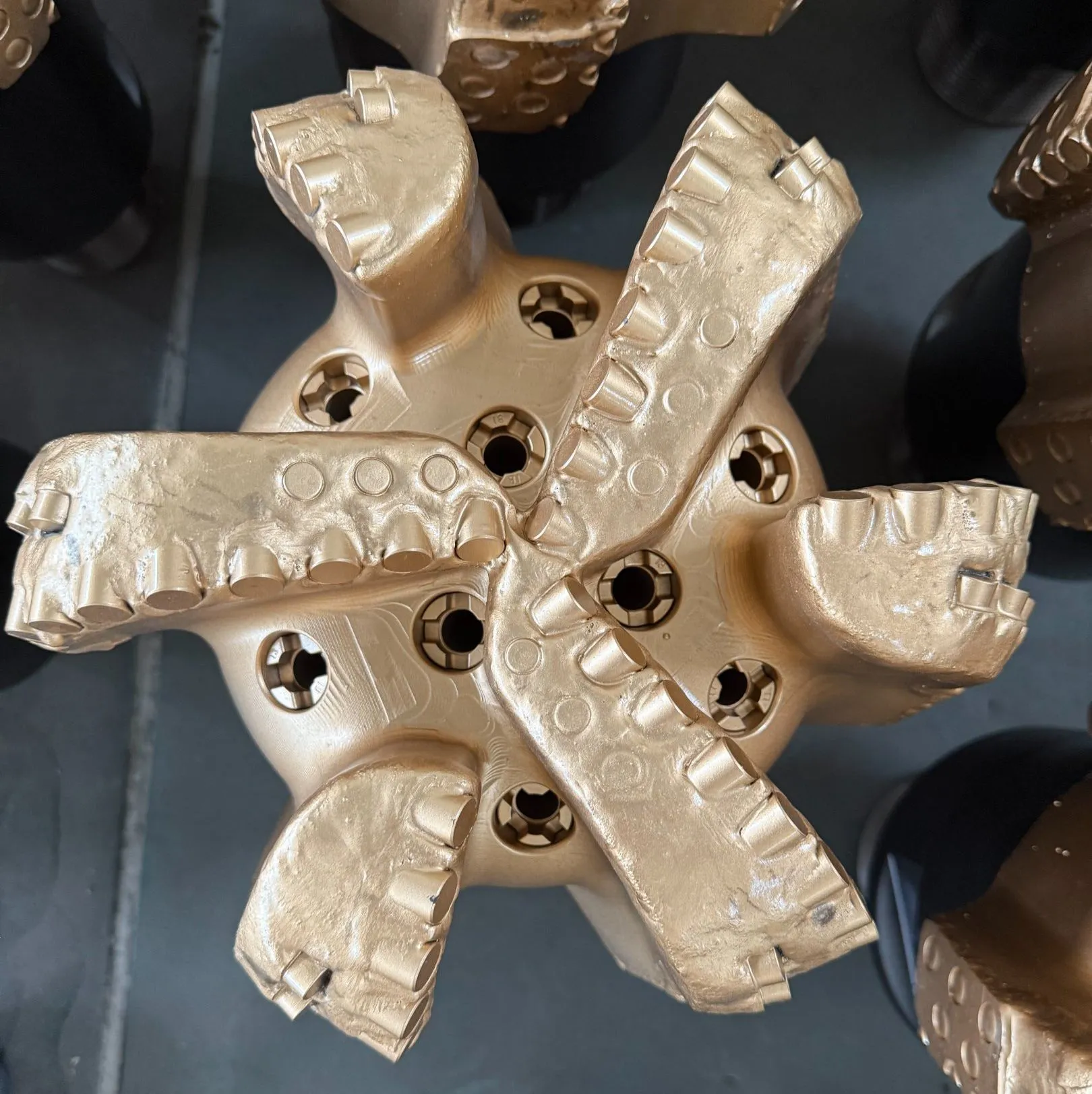
When comparing designs, review the following details:
- Cutter diameter and exposure: Larger cutters can remove more rock per engagement, but their suitability depends on formation strength, available torque, and impact loading.
- Cutter density: Closely spaced cutters can distribute wear, while a more aggressive layout may improve penetration in softer formations.
- Back rake and side rake: These influence cutting aggressiveness, force requirements, and resistance to damage.
- Blade profile: The crown shape and blade arrangement affect cutter engagement, stability, and cuttings movement.
- Gauge protection: Adequate gauge cutters and wear-resistant elements help maintain hole diameter, particularly in directional applications.
In abrasive formations, simply increasing cutter size or exposure can accelerate wear or increase the risk of cutter damage. A more conservative layout may deliver better overall economics if it maintains stable performance over a longer interval.
Hydraulic design and drilling parameters
Even a well-manufactured bit can underperform when its hydraulics are poorly matched to the rig and formation.
Nozzle size, nozzle count, flow rate, and pressure loss determine how effectively drilling fluid cleans the cutting face and carries rock fragments away. Insufficient cleaning can cause recutting, excessive heat, reduced ROP, and bit balling in sticky formations. Excessive pressure loss may leave inadequate hydraulic capacity for the rest of the circulation system.
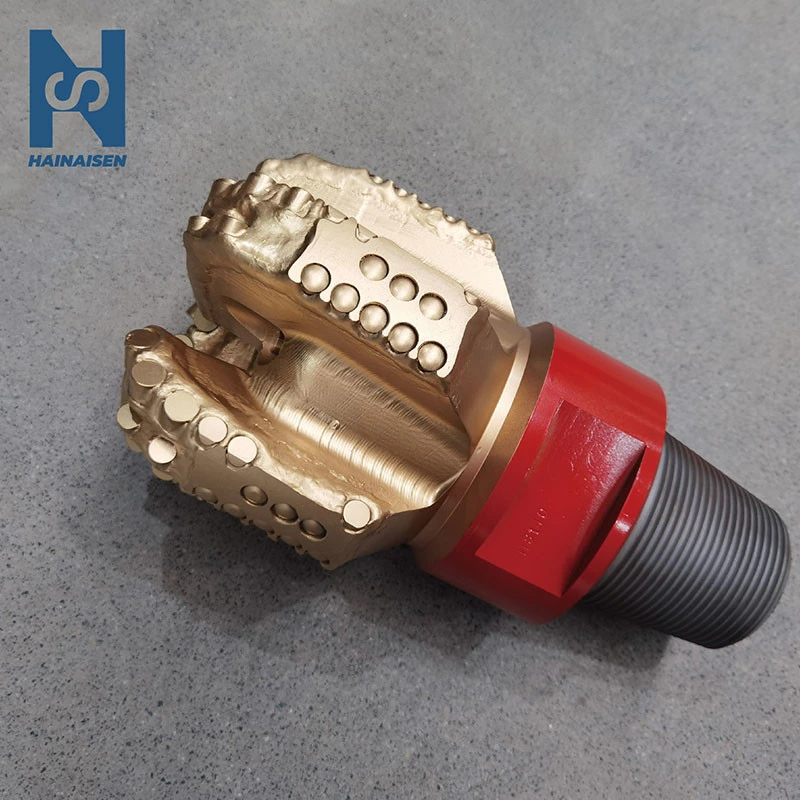
Hainaisen PDC petroleum drill bit with steel connection and multiple cutting elements
Before selecting a bit, engineers should verify:
- Weight on bit (WOB): Sufficient loading is needed for effective rock cutting, but excessive loading can accelerate wear and damage cutters.
- Rotary speed (RPM): Higher speed can improve penetration in suitable formations, but it may increase frictional heating and vibration.
- Flow rate: Adequate circulation is necessary to clean the bit face and transport cuttings.
- Torque and vibration: Sudden torque fluctuations, stick-slip, and lateral vibration may indicate an unsuitable cutting structure or operating window.
- ROP trends: Evaluate sustained penetration rate rather than relying on short periods of unusually fast drilling.
For directional and horizontal wells, bit stability deserves particular attention. A design that performs well in a vertical interval may behave differently when side forces, toolface control, and changing contact conditions affect the cutting structure.
The best operating window is formation-specific. WOB, RPM, and flow rate should be established from the bit manufacturer's recommendations, rig limitations, hydraulic calculations, and measured drilling response—not copied from another well without adjustment.
Comparing cost per foot rather than purchase price
A practical comparison uses total drilling cost rather than the initial invoice.
Cost per foot = (Bit cost + attributable rig operating cost + trip-related cost) ÷ footage drilled
For a fair comparison, use the same accounting method for each bit. Include the cost of running and retrieving the bit, rig time, and any additional downtime attributable to premature failure. Where appropriate, account for repair or refurbishment costs as well.
Consider an illustrative comparison: Bit A costs less but drills a shorter interval, while Bit B costs more and completes a longer interval. Bit B may still be the economical choice if the reduction in trips and rig time outweighs its higher purchase price. Conversely, a lower-cost bit that delivers comparable footage and acceptable ROP may provide the better return.
These are evaluation principles, not claims about measured performance from a specific manufacturer. Actual results must be established through comparable field runs.
A practical field scenario
Consider an anonymized drilling contractor operating in an interbedded shale and sandstone formation in the Middle East. The contractor experiences declining ROP and premature cutter wear after entering more abrasive sandstone layers.
Oil drilling rig at the Williston North Dakota oil field

Rather than immediately replacing the existing bit with a more expensive brand, the drilling team reviews the dull-bit condition, drilling parameters, and formation changes. The inspection suggests that cutter wear and unstable loading are contributing to the performance decline.
The team then evaluates a revised PDC cutting structure with a more suitable cutter layout, checks gauge protection, and reviews the hydraulic configuration. WOB and RPM are adjusted according to observed torque, vibration, and penetration trends.
The revised approach is assessed over a comparable interval, with footage drilled, ROP, operating time, and bit condition recorded for comparison.
No verified customer dataset or measured improvement is available for this illustrative scenario, so no percentage gain or specific cost saving is claimed.
The practical lesson is that a controlled field trial can reveal whether a lower-priced bit offers genuine value. Formation records, operating parameters, and post-run inspections are more useful than relying on brand reputation or purchase price alone.
3. Choosing a Cost-Effective Supplier: Where Hainaisen Fits
When a Chinese PDC manufacturer makes sense
Chinese PDC drill bits deserve consideration when a contractor needs competitive procurement costs, configuration flexibility, or a supplier willing to discuss specific formation challenges.
Hainaisen supplies drilling tools for oil and gas, mining, and water well applications. Its product range includes different blade configurations and PDC bit designs, allowing buyers to discuss options according to hole size, formation characteristics, rig capability, and drilling objectives.
For procurement teams comparing Hainaisen with Tier-1 alternatives, the evaluation should focus on verifiable product details rather than generalized claims about national manufacturing standards.
Useful items to request include:
- Product specifications: Bit diameter, connection, blade count, cutter size, nozzle arrangement, and gauge protection.
- Quality documentation: Applicable inspection records, material information, dimensional checks, and traceability where available.
- Formation-based recommendations: An explanation of why a particular cutting structure is suitable for the planned interval.
- Customization options: Adjustments to cutter layout, blade profile, hydraulics, and other design features where technically feasible.
- Technical support: Clear communication about operating limits, field feedback, and failure analysis.
- Export coordination: Appropriate packaging, shipping documentation, and realistic production and delivery schedules.
These checks help determine whether a supplier can deliver consistent products and provide the support needed throughout a drilling project.
Why consider Hainaisen's six-blade design?
For suitable oil and gas applications, a Six Blade Wing Petroleum Drill Bit is worth evaluating when the formation, required cutting aggressiveness, and available hydraulic capacity support a six-blade configuration.
Hainaisen's six-blade product range gives buyers a starting point for discussing blade configuration, cutter selection, and application requirements with the supplier. The exact model should be checked against the drilling program rather than selected by its name alone.
The decision should account for the balance between cutter coverage and cleaning efficiency. In medium-hard formations, a suitable six-blade design may provide stable cutting action, while abrasive or impact-prone intervals may require a different cutter grade, layout, or bit configuration.
Hainaisen's practical advantages for international buyers include:
- Flexible product discussions and customized design options based on the specified drilling conditions.
- Manufacturing and quality-control processes that buyers can assess through relevant documentation and inspection requirements.
- PDC cutting-structure options for different drilling applications.
- Direct technical communication to clarify specifications and address questions before ordering.
- Export-oriented service for overseas procurement and delivery coordination.
These advantages should be verified against the actual model, inspection records, and service terms. They do not establish that every Hainaisen bit will outperform every Tier-1 alternative.
For a meaningful trial, agree on the target formation, operating window, performance indicators, and acceptance criteria before deployment. Record footage drilled, ROP, drilling hours, torque behavior, and dull condition. Compare these results with a suitable baseline from the same or a genuinely comparable interval.
The strongest purchasing decision is the one supported by repeatable field performance, documented quality, and a transparent total-cost comparison. A premium international brand may be the right choice for a demanding, high-consequence well. A qualified Chinese manufacturer may offer better economics when it can demonstrate that its bit meets the project's technical and operational requirements.
Hainaisen is a reasonable supplier to include in that evaluation, particularly when customization and direct technical communication matter alongside purchase cost.
FAQ
1. Are Chinese PDC drill bits as good as Tier-1 brands?
Some Chinese PDC bits can perform competitively in suitable formations, but quality varies by manufacturer and model. Compare cutter specifications, manufacturing consistency, hydraulic design, field records, and total drilling cost before deciding.
2. How do I choose a PDC bit for abrasive sandstone?
Evaluate the formation's abrasiveness, compressive strength, and impact characteristics. Select cutters and a blade configuration that balance wear resistance with cutting efficiency, and verify that the hydraulic design can remove cuttings effectively.
3. Does a six-blade PDC bit always last longer?
No. Blade count alone does not determine bit life. Cutter quality, cutter placement, formation changes, hydraulic cleaning, operating parameters, and vibration all influence service life.
4. Which drilling parameters have the greatest effect on PDC bit performance?
WOB, RPM, flow rate, torque, and vibration are major factors. Their appropriate values depend on the bit design, formation, and rig limitations. Operators should monitor trends and adjust parameters based on actual drilling response.
5. How can I compare two drill bit suppliers fairly?
Use comparable drilling intervals and evaluate footage drilled, sustained ROP, operating time, trip costs, and post-run cutter condition. Also compare quality documentation, technical support, delivery reliability, and customization capabilities.
6. Can Hainaisen customize PDC drill bits for specific formations?
Hainaisen offers customized drilling-tool options. Buyers should provide the hole diameter, formation description, rig specifications, existing bit performance, and drilling objectives so the supplier can assess a suitable configuration.
About the Author
Daniel Mercer is a drilling technology writer specializing in PDC cutting structures, oilfield drilling performance, and drill bit procurement. His work focuses on helping drilling engineers and purchasing teams evaluate formation compatibility, operational reliability, and total drilling cost when comparing equipment suppliers.
References
1. Society of Petroleum Engineers (SPE). Technical publications on PDC bit design, drilling performance, and drilling optimization. https://onepetro.org/
2. International Association of Drilling Contractors (IADC). Drilling industry technical resources and operational guidance. https://iadc.org/
3. SLB. Oilfield glossary and technical resources covering drilling operations, drilling parameters, and downhole equipment. https://glossary.slb.com/
4. Baker Hughes. Drill bit technology and drilling solutions. https://www.bakerhughes.com/
5. Hainaisen. PDC drill bit products and manufacturer information. https://www.hnsdrillbit.com/
6. Wikimedia Commons. “Williston North Dakota Oil Field Oil Rig.” https://commons.wikimedia.org/wiki/File:Williston_North_Dakota_Oil_Field_Oil_Rig_(5894614162).jpg