




The Ultimate Guide to Custom PDC Drill Bits for Hard Rock Formations
Contact Hainaisen
Email: hainaisen@hnsdrillbit.com
Tel: +86 17791389758
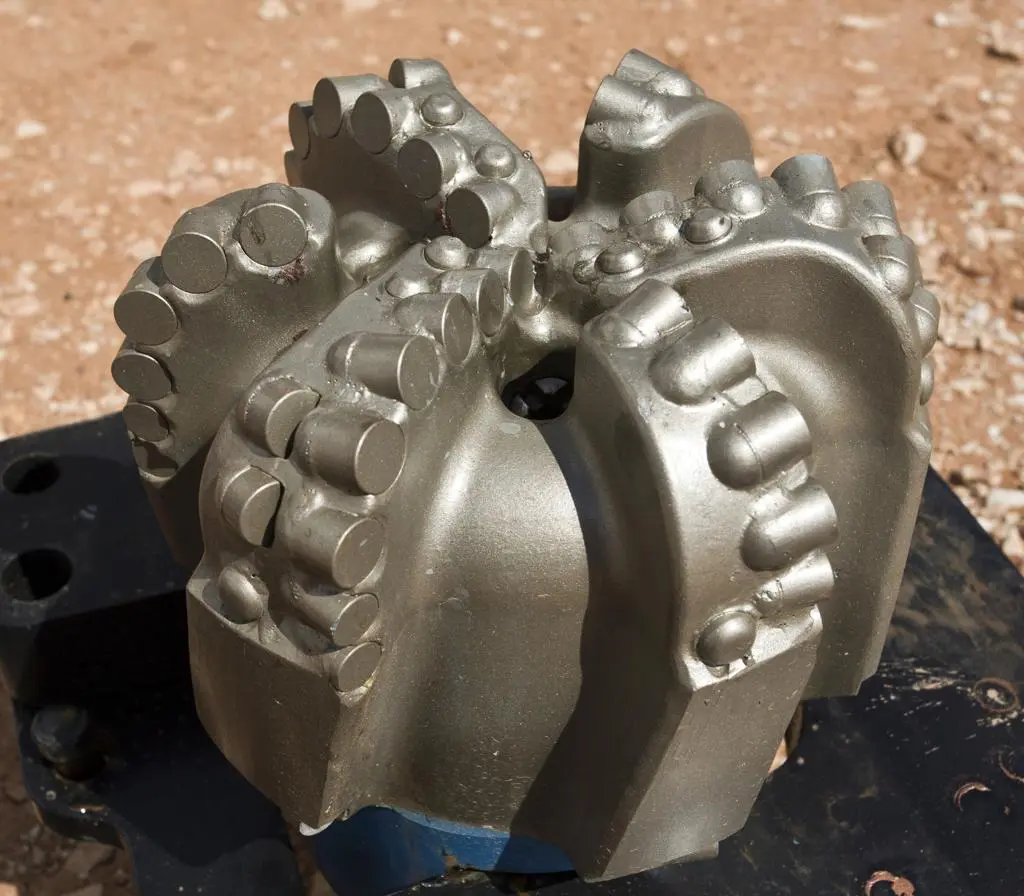
Selecting the right Three Blade PDC Tricone Drill Bit for hard rock drilling requires more than choosing a cutter with high hardness. Formation compressive strength, abrasive mineral content, drilling torque, cutter impact resistance, and bit stability all influence drilling performance. In granite, hard limestone, quartz-rich sandstone, and other hard formations, an unsuitable bit design can lead to rapid cutter wear, unstable penetration, and frequent bit replacement.
Custom PDC drill bits are designed to address these challenges through adjustments to cutter technology, blade configuration, cutter layout, hydraulic design, and gauge protection. The right design should balance rock-breaking efficiency with durability, helping drilling contractors maintain stable ROP and reduce overall drilling costs.
1. Understanding Hard Rock Formation Challenges
Why Hard Rock Drilling Requires Specialized Bit Designs
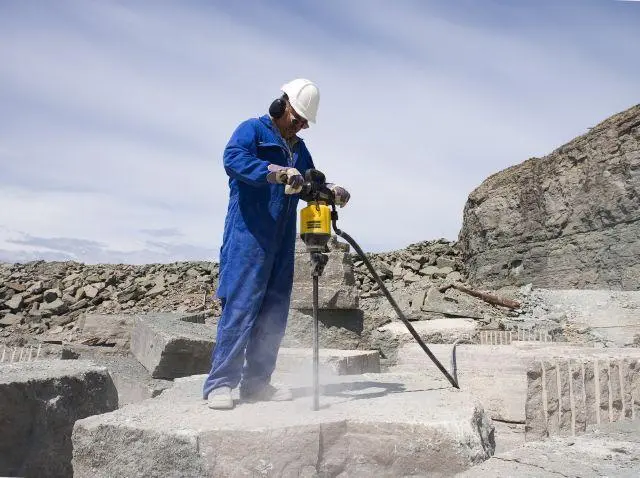
Hard rock formations require more mechanical energy to penetrate than softer sedimentary formations. Their high compressive strength limits cutter penetration, while abrasive minerals gradually wear down the diamond cutting surfaces.
Granite: High compressive strength and quartz content increase abrasion and impact loading.
Hard limestone: Dense rock and fractured sections can cause uneven cutter loading.
Quartz-rich sandstone: Abrasive grains accelerate diamond table wear.
Interbedded formations: Alternating hard and soft layers can lead to vibration and torque fluctuations.
Common Problems During Hard Rock Drilling
Cutter wear: Abrasive minerals gradually reduce cutter sharpness, resulting in declining ROP and increased torque.
Cutter chipping: Fractured rock and hard inclusions may produce concentrated impact loads, particularly when WOB or RPM is excessive.
Bit vibration: Uneven cutter engagement, stick-slip, and bit bounce can damage cutters and reduce drilling stability.
Technical studies in hard-rock drilling have examined the relationship between cutter geometry, cutting forces, wear, and mechanical energy. These findings support the need to match cutting structures to actual formation conditions rather than relying on cutter hardness alone.
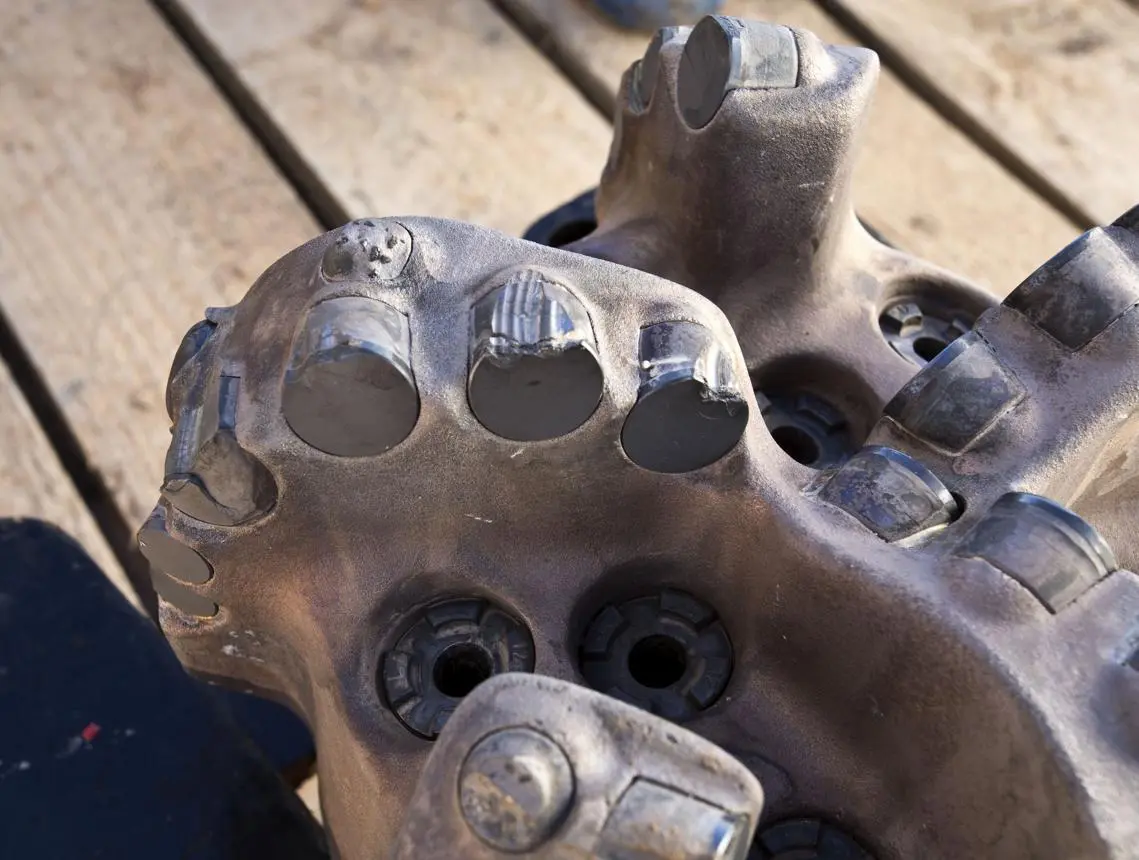
For hard rock applications, cutter durability, load distribution, and drilling stability must be considered together.
2. How to Customize PDC Drill Bits for Hard Rock
1. Select the Appropriate PDC Cutter Technology
Cutter selection is one of the most important aspects of bit customization.
Wear-resistant cutters: Suitable for highly abrasive formations.
Impact-resistant cutters: Help withstand mechanical loading in fractured rock.
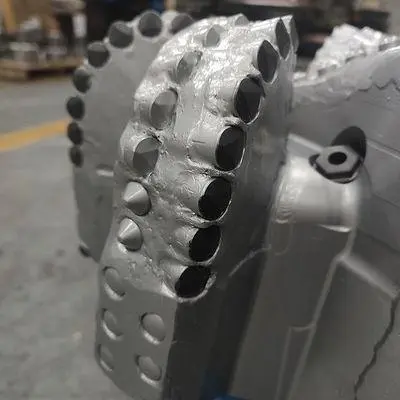
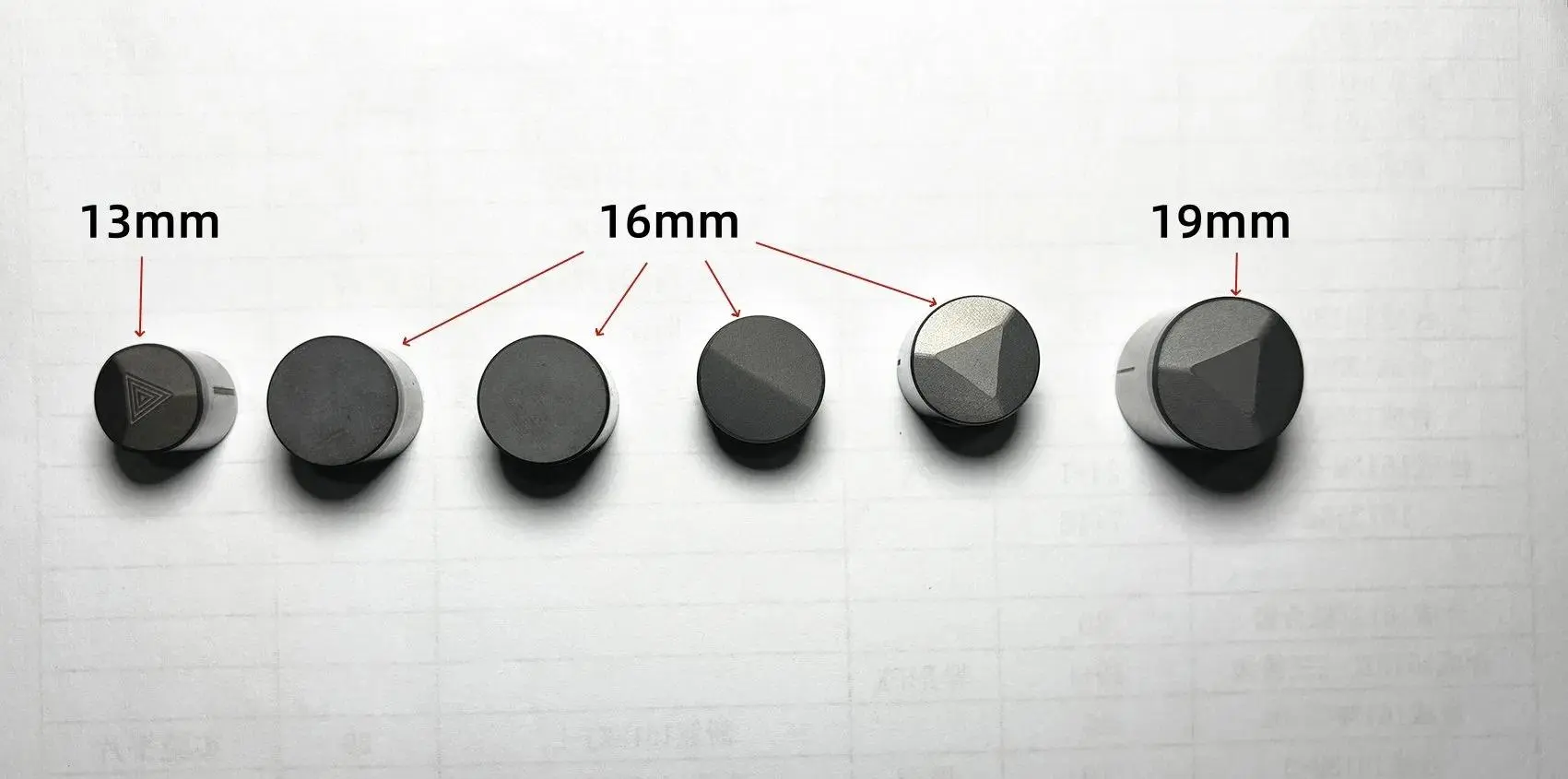
Non-planar PDC cutters: Alternative geometries can change cutter-rock interaction and load distribution.
Conical diamond elements: Can offer additional impact resistance in selected applications.
Cutter size also influences performance. Larger cutters provide greater potential cutting depth, while smaller cutters allow more flexible placement and load distribution.
2. Optimize Blade Configuration and Cutter Layout
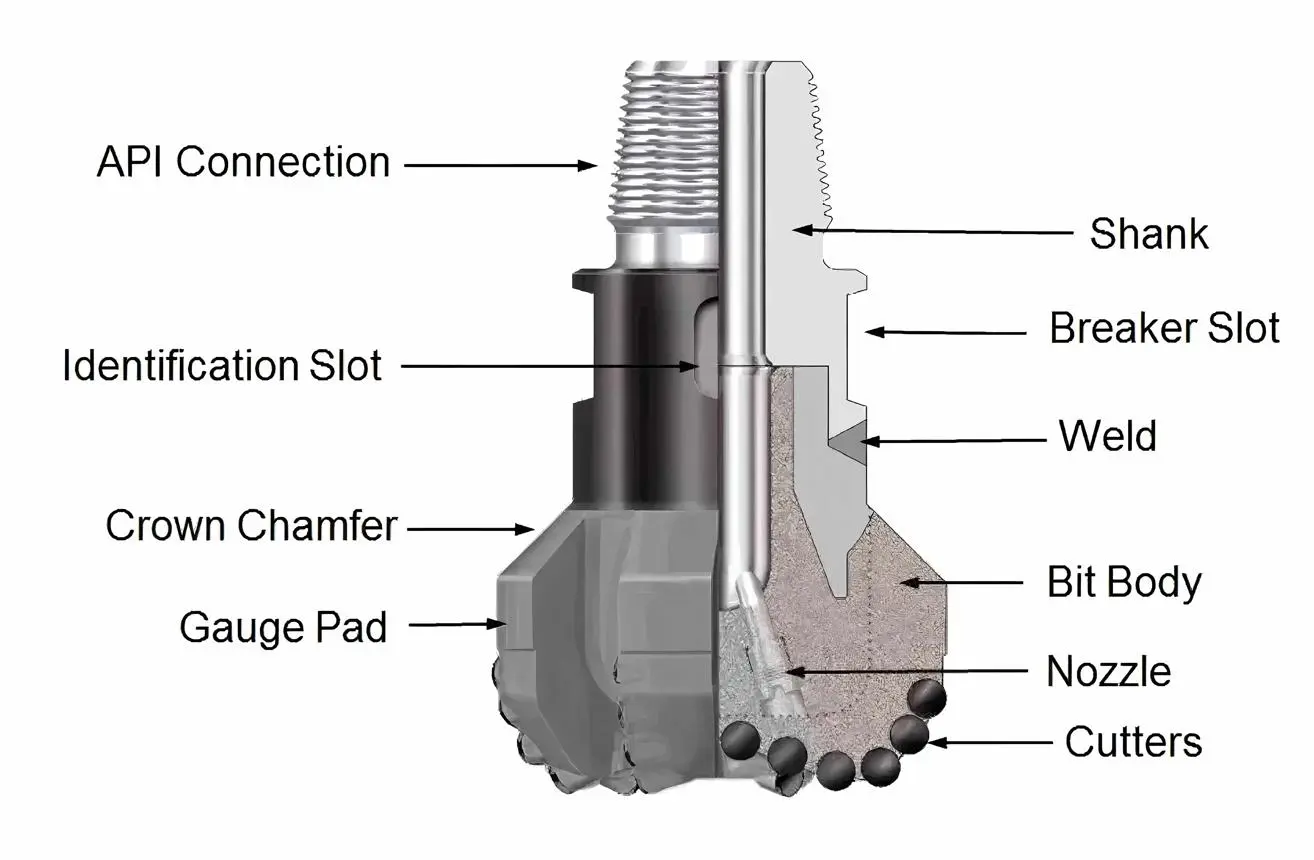
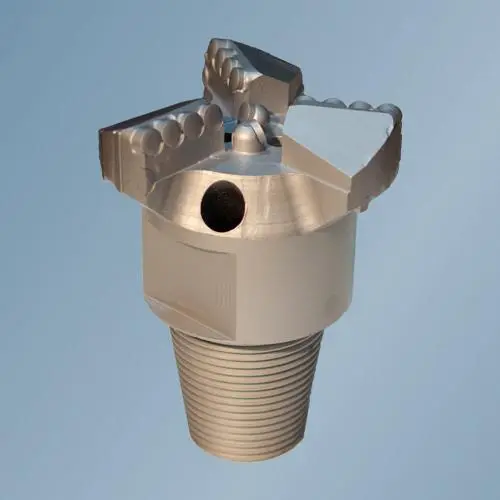
A Three Blade PDC Tricone Drill Bit should be evaluated based on its actual cutting structure. A three-blade fixed-cutter PDC bit and a conventional three-cone Roller Bit use different rock-breaking mechanisms.
For a three-blade PDC design, engineers should consider:
Blade thickness and structural strength.
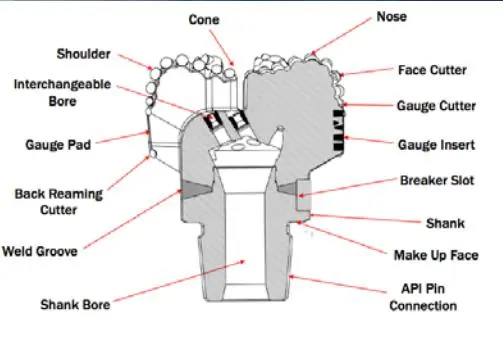
Cutter placement across the center, nose, shoulder, and gauge.
Back rake and side rake angles.
Cutter exposure and depth of cut.
Blade spacing and junk-slot dimensions.
Gauge protection.
A three-blade structure can provide relatively open fluid passages, but cutter load distribution and structural support must be carefully evaluated for hard rock applications.
3. Improve Hydraulic Design and Hole Cleaning
Hydraulic design affects cutter cooling, cuttings evacuation, and drilling efficiency.
A customized hydraulic system should consider:
Nozzle size and position.
Available pump pressure and flow rate.
Drilling fluid properties.
Fluid distribution across the bit face.
Junk-slot capacity.
Cuttings transport.
Insufficient flow can lead to poor hole cleaning and increased friction. However, increasing flow rate without evaluating the entire hydraulic system is not always beneficial.
Effective hydraulics should cool the cutting structure, clean the bit face, and transport cuttings away from the bottom of the hole.
4. Reinforce Gauge Protection and Bit Stability
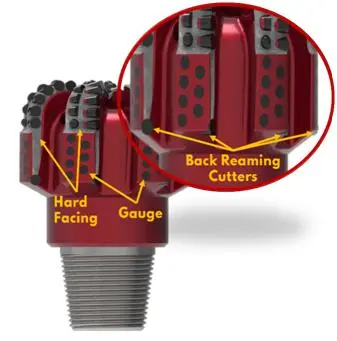
Gauge wear is a major concern in abrasive formations. When the gauge structure deteriorates, the bit may fail to maintain the required hole diameter.
Custom designs may incorporate:
Diamond-enhanced gauge protection.
Reinforced shoulder areas.
Additional wear-resistant materials.
Optimized gauge cutter placement.
Blade geometry for lateral stability.
In directional and horizontal drilling, stable bit behavior is particularly important because excessive lateral vibration can affect toolface control and increase cutter damage.
5. Optimize WOB, RPM, Torque, and ROP
Even a properly designed bit can suffer premature damage if drilling parameters are unsuitable.
Parameter | Practical recommendation |
|---|---|
WOB | Apply controlled loading and avoid excessive cutter penetration |
RPM | Maintain stable rotation and monitor vibration |
Flow rate | Maintain sufficient cooling and cuttings removal |
Torque | Monitor fluctuations as an indicator of formation changes |
ROP | Evaluate alongside cutter wear and drilling stability |
For hard rock drilling, excessive WOB may increase cutter stress without significantly improving ROP. Likewise, excessive RPM can contribute to vibration and thermal damage.
A stable operating window is generally more valuable than short-term increases in penetration rate.
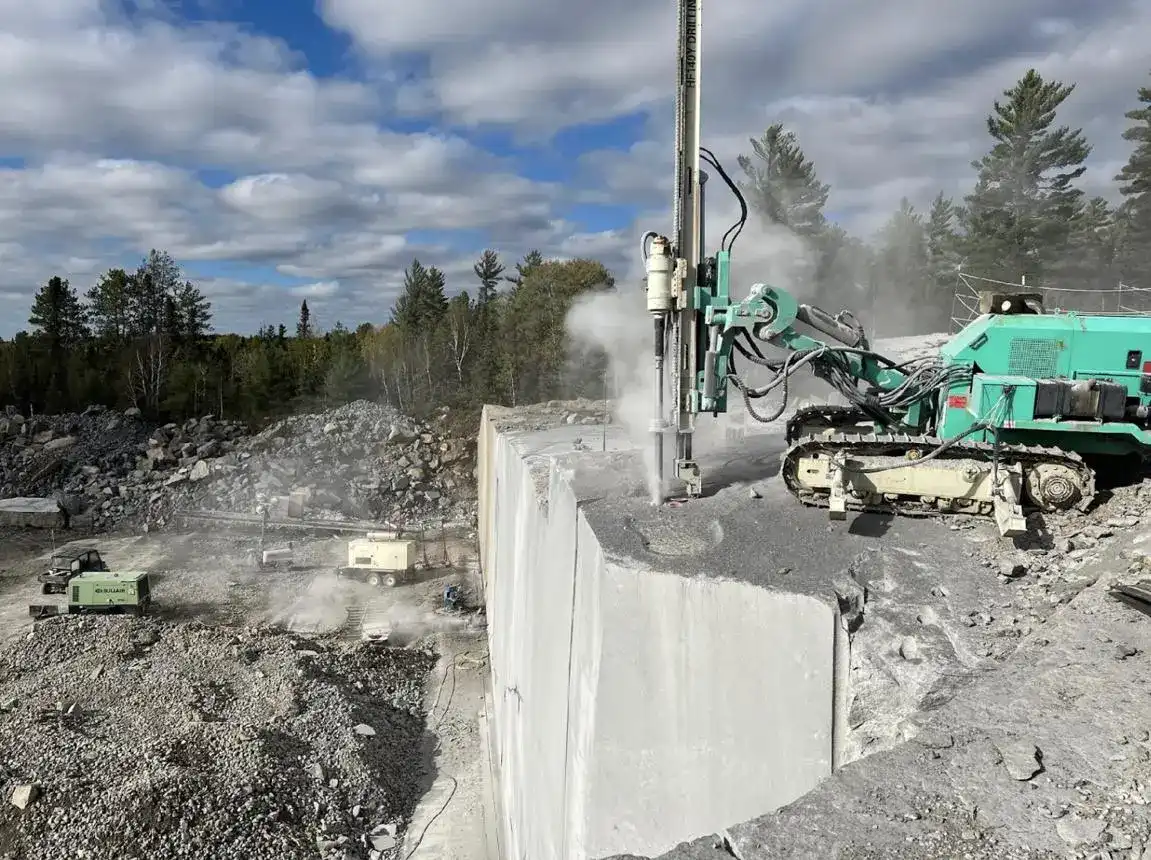
6. Practical Industry Scenario: Drilling Through Abrasive Granite
Consider an illustrative scenario involving a water well contractor drilling through dense granite in North America.
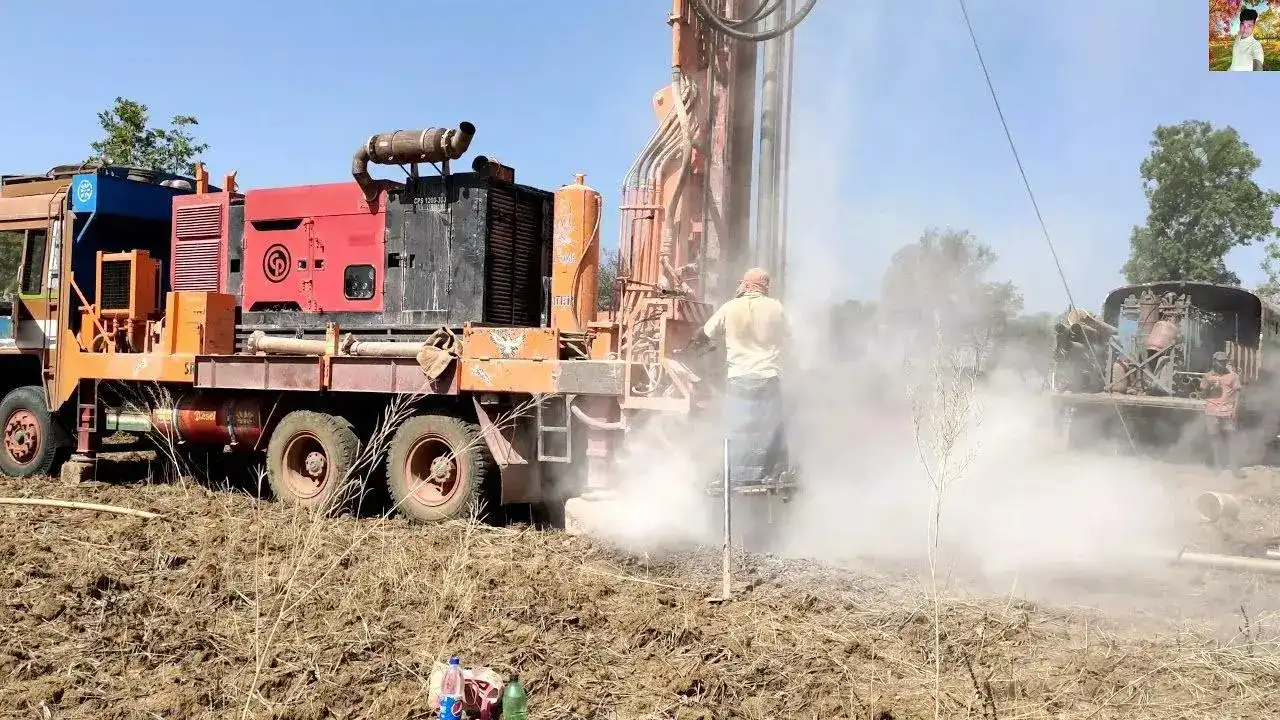
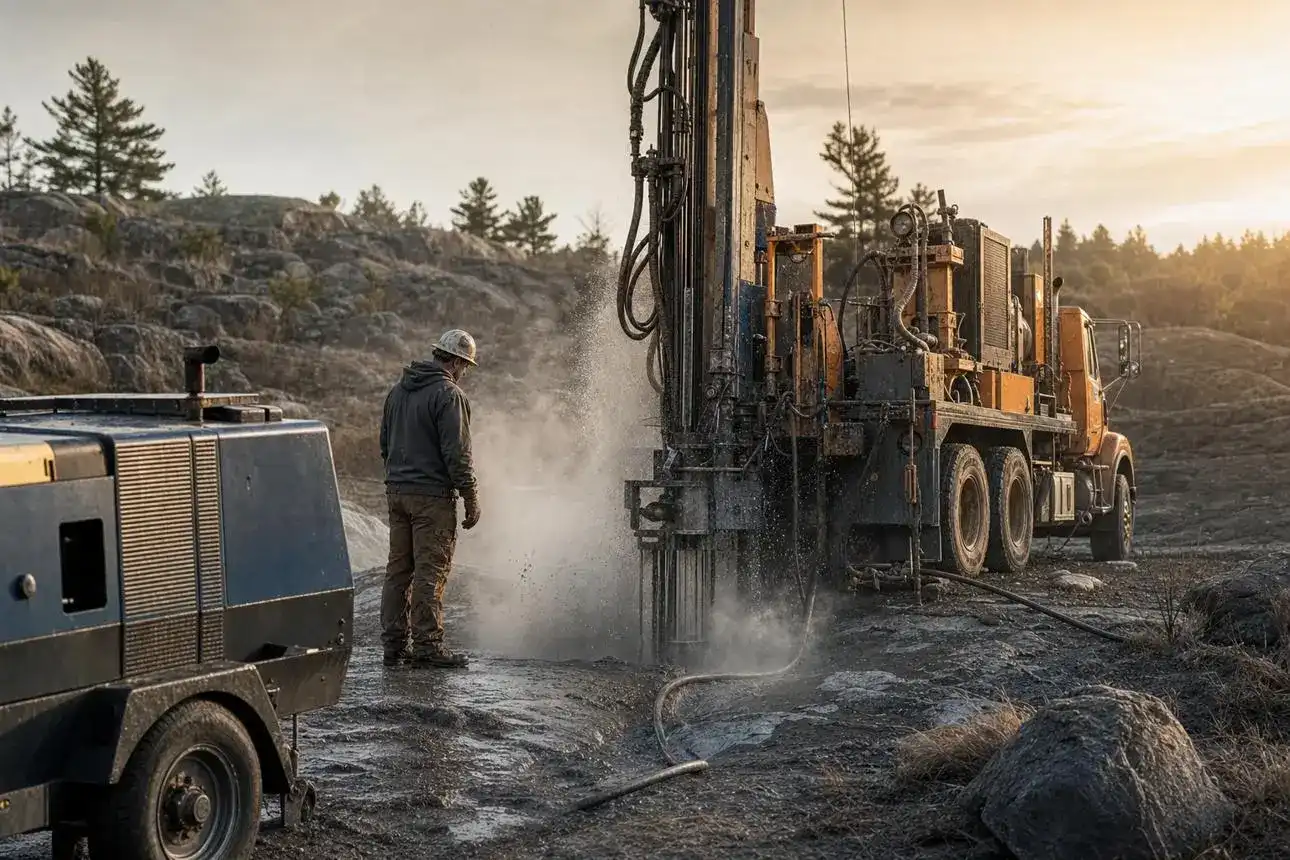
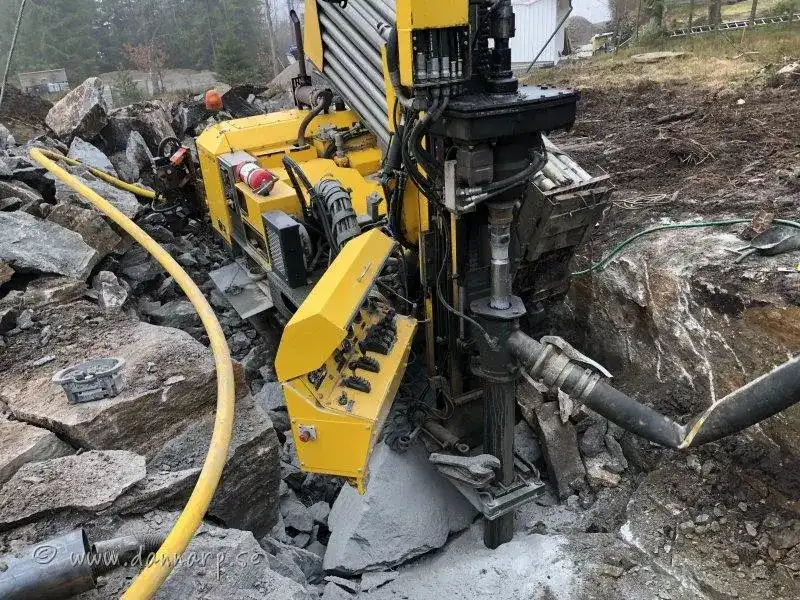
Formation condition: Dense granite with abrasive mineral content and occasional fractured sections.
Original problem: The contractor experiences declining ROP, accelerated cutter wear, and increased vibration. Frequent bit changes affect drilling efficiency.
Engineering adjustments:
Select more abrasion-resistant cutters.
Improve impact resistance in high-load areas.
Optimize shoulder and gauge cutter distribution.
Improve hydraulic passages for cuttings removal.
Adjust WOB and RPM to reduce excessive loading.
Expected result: The revised design aims to maintain more consistent cutter engagement, improve drilling stability, and extend footage per run. Actual results should be verified through field measurements.
Practical lesson: Hard rock drilling performance depends on cutter technology, bit structure, hydraulic design, and operating parameters working together.
3. Hainaisen Custom PDC Drill Bit Solutions for Hard Rock
Customized Design Based on Actual Drilling Conditions
Hainaisen provides PDC drill bits for oil and gas drilling, mining, and water well applications.
For hard rock projects, customization can include:
Bit diameter and connection.
Cutter size and grade.
Blade number and configuration.
Cutter layout and exposure.
Hydraulic nozzle arrangement.
Gauge protection.
Steel body or matrix body construction.
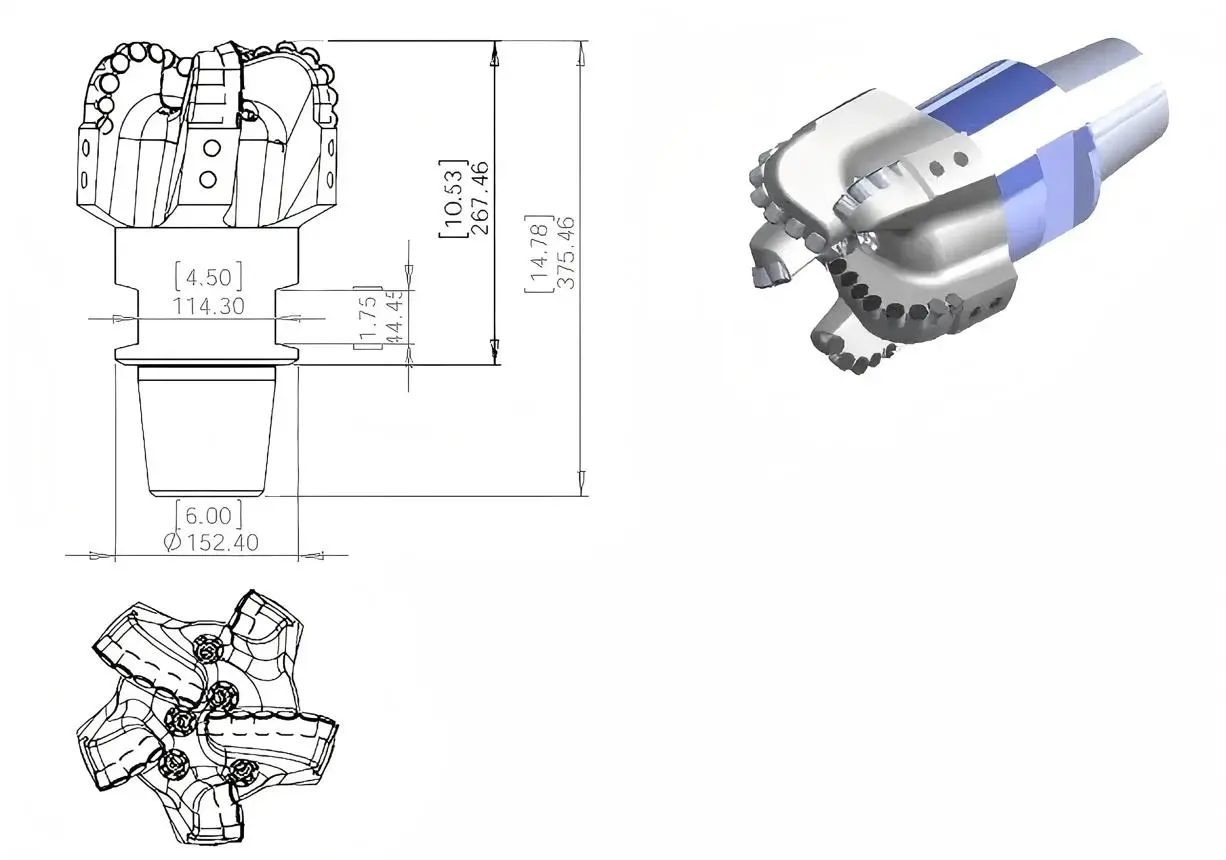
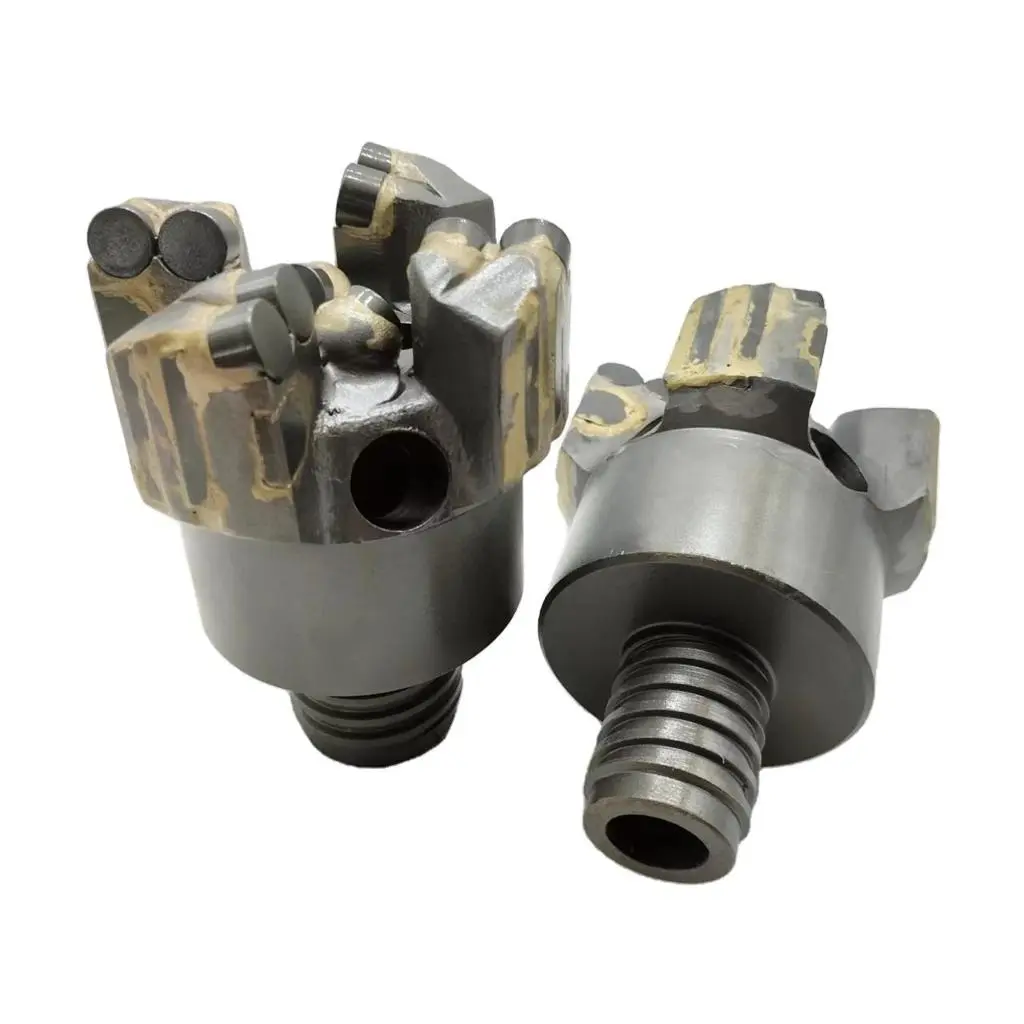
For example, Hainaisen's Five Wing PDC Bit for Hard Rock Drilling offers a customized cutting structure designed around different drilling requirements. Cutter sizes, blade arrangements, and hydraulic configurations can be considered according to the application.
Manufacturing Quality and Technical Support
Consistent manufacturing quality is essential for dependable drilling performance. Hainaisen emphasizes production inspection, cutter installation, dimensional accuracy, and finished-product quality control.
Hainaisen's advantages include:
Stable product quality: Manufacturing inspection supports consistent product dimensions and assembly quality.
PDC cutter technology: Different cutter specifications can be selected according to formation hardness and abrasiveness.
Customized bit design: Blade configurations, cutter arrangements, and hydraulic structures can be adapted to project requirements.
Formation-based recommendations: Technical discussions consider the actual drilling environment.
Export experience: Communication and export coordination for overseas customers.
Professional technical support: Customers can provide drilling parameters and previous bit performance to help evaluate potential improvements.
How to Request a Custom PDC Drill Bit
To help engineers recommend a suitable bit, customers should provide:
Required bit diameter and connection type.
Formation type and estimated rock strength.
Drilling method and bottom-hole assembly.
Previous bit specifications and performance.
Typical WOB, RPM, torque, and flow rate.
Cutter wear observations or photographs of used bits.
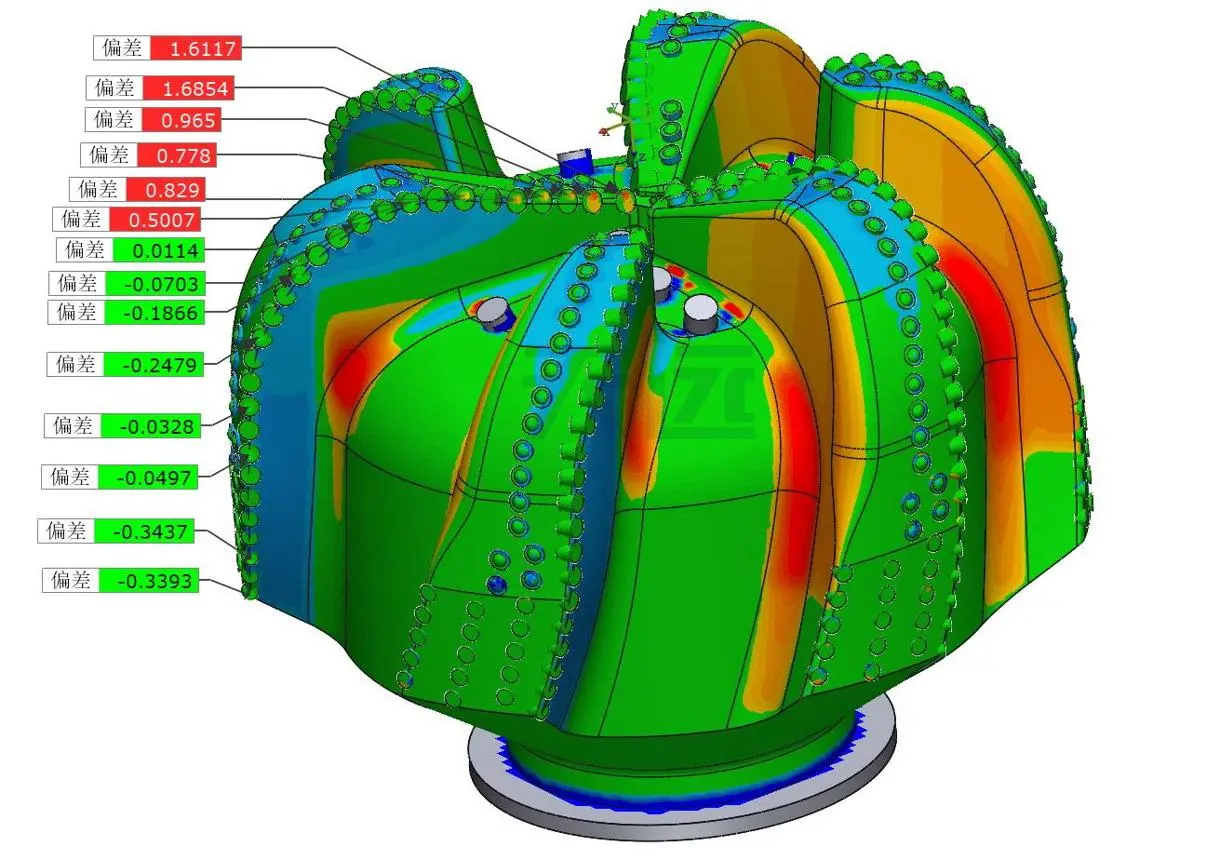
A suitable custom PDC bit should balance penetration efficiency, cutter durability, drilling stability, and cost per meter.
Hainaisen works with overseas drilling contractors and distributors to develop bit configurations for different geological conditions. If your current bit suffers from rapid wear, unstable torque, or insufficient ROP, the engineering team can review your application and discuss a suitable customized design.
FAQ
1. What type of PDC drill bit is best for hard rock formations?
The best design depends on formation strength, abrasiveness, and impact conditions. Hard rock applications generally require wear-resistant cutters, effective hydraulic cleaning, and sufficient gauge protection.
2. Can PDC drill bits be customized for granite drilling?
Yes. Customization may include impact-resistant cutters, improved abrasion resistance, reinforced blade structures, optimized cutter placement, and specialized hydraulic configurations.
3. How does blade configuration affect PDC bit performance?
Blade configuration influences cutter distribution, cutting efficiency, drilling stability, and cuttings evacuation. The appropriate number of blades depends on the formation and drilling requirements.
4. What drilling parameters affect PDC bit life?
WOB, RPM, flow rate, torque, and drilling fluid properties all influence cutter loading, heat generation, and wear.
5. How can I reduce cutter wear in abrasive formations?
Select suitable abrasion-resistant cutters, optimize cutter exposure, protect the shoulder and gauge areas, maintain effective hole cleaning, and monitor vibration.
6. Does Hainaisen provide customized PDC drill bits?
Yes. Hainaisen offers customization options covering bit dimensions, cutter sizes, blade configurations, cutter layouts, nozzle arrangements, and connections according to drilling requirements.
About the Author
Daniel Brooks is a drilling technology writer specializing in PDC cutting structures, hard rock drilling applications, and customized drill bit engineering. His technical interests include cutter wear analysis, bit hydraulics, drilling stability, and formation-based tool selection for oil and gas, mining, geothermal, and water well projects.
References
1. Glowka, D. A. (1985). Design Considerations for a Hard-Rock PDC Drill Bit. Sandia National Laboratories.
2. Xiong, C., Huang, Z.-W., Shi, H.-Z., Yang, R.-Y., Wu, G., Chen, H., & He, W.-H. (2023). Performances of a Stinger PDC Cutter Breaking Granite: Cutting Force and Mechanical Specific Energy in Single Cutter Tests. Petroleum Science, 20, 1087–1103.
3. Mazen, A. Z., Mujtaba, I. M., Hassanpour, A., & Rahmanian, N. (2020). Mathematical Modelling of Performance and Wear Prediction of PDC Drill Bits: Impact of Bit Profile, Bit Hydraulic, and Rock Strength. Journal of Petroleum Science and Engineering, 188, 106849.
4. Clayton, R., Chen, S., & Lefort, G. (2005). New Bit Design, Cutter Technology Extend PDC Applications to Hard Rock Drilling. SPE/IADC Drilling Conference, SPE-91840-MS.