




How Long Do PDC Bits Last? Tips to Extend Your Drill Bit Lifespan
Contact Hainaisen
Email: hainaisen@hnsdrillbit.com
Tel: +86 17791389758
How long does a PDC drill bit last? There is no fixed service life. Depending on formation hardness, rock abrasiveness, drilling parameters, cutter quality, and downhole conditions, a PDC bit may complete an entire drilling section in one run or experience significant wear after a relatively short interval. A Seven Blade Wing Oil Drilling Drill Bit can deliver reliable performance when its cutting structure and hydraulic design are properly matched to the formation.
For oil and gas drilling contractors, extending bit life is not simply about purchasing a more expensive product. It requires balancing penetration rate, cutter durability, borehole stability, and operating costs.
The most effective approach is to select the correct bit for the formation, maintain appropriate weight on bit (WOB) and rotary speed (RPM), ensure effective hole cleaning, and monitor downhole conditions throughout the drilling operation.
1. What Determines How Long a PDC Drill Bit Lasts?
PDC drill bit lifespan is primarily determined by the interaction between the rock formation, cutter characteristics, bit design, and drilling conditions.
Formation Hardness and Abrasiveness
Different formations create different types of stress on PDC cutting structures:
Soft shale: Generally allows relatively high penetration rates, although sticky formations can cause bit balling.
Limestone: Performance depends on compressive strength, internal structure, and abrasive mineral content.
Sandstone: Quartz-rich sandstone can cause substantial abrasive wear.
Granite and hard rock: High compressive strength increases cutting resistance.
Interbedded formations: Alternating hard and soft layers create uneven loading and increase the risk of cutter chipping.
The more abrasive the formation, the greater the importance of cutter wear resistance, appropriate cutting geometry, and stable operating conditions.
PDC Cutter Wear and Thermal Damage
PDC cutters remove rock primarily through a shearing action. Friction develops between the diamond cutting surface and the formation.
As the cutter wears, a flat area gradually develops along its working edge, commonly referred to as a wear flat.
Several conditions accelerate cutter deterioration:
Excessive WOB.
High RPM and frictional exposure.
Insufficient drilling fluid circulation.
Poor cuttings removal.
Excessive downhole vibration.
Heat is another major concern. When frictional heat cannot be removed efficiently, the diamond table may experience thermal degradation, accelerating cutter wear and potentially contributing to failure.
Bit Design and Structural Protection
Important design factors include:
Cutter size: Influences cutting capacity and cutter placement.
Cutter density: Helps distribute formation loads.
Back rake angle: Affects cutting aggressiveness and durability.
Blade configuration: Influences cutter distribution and hydraulic space.
Gauge protection: Helps maintain hole diameter and reduce sidewall-related wear.
Blade count alone does not determine service life. A seven-blade design may provide a different balance of cutter support, cutting aggressiveness, and hydraulic space than a lower-blade-count design.
2. How to Extend PDC Drill Bit Lifespan During Drilling
Extending bit life requires coordinated decisions before and during drilling. Operating parameters, fluid circulation, and drilling practices must support the bit design.
Choose the Right Cutter Type and Bit Configuration
The cutter should be selected according to the expected formation rather than based solely on its dimensions.
For relatively soft formations, conventional flat PDC cutters can provide efficient shearing performance. In harder or more abrasive intervals, wear-resistant diamond grades and specially engineered cutter geometries may be more appropriate.
A Seven Blade Wing Oil Drilling Drill Bit can be considered when its blade arrangement, cutter placement, and hydraulic configuration suit the expected formation and drilling assembly.
Engineers should examine:
Formation compressive strength and abrasiveness.
Cutter material, diameter, and impact resistance.
Cutter placement across the nose, shoulder, and gauge.
Blade geometry and structural strength.
Junk-slot area and hydraulic capacity.
Gauge protection and directional stability.
A formation-matched cutter layout is generally more valuable than simply increasing the number of cutters or blades.
Optimize WOB and RPM
WOB and RPM directly influence the load and friction experienced by PDC cutters.
Excessive WOB increases mechanical stress. Higher RPM increases sliding distance and can accelerate wear and frictional heating.
Practical recommendations include:
Increase WOB gradually while monitoring ROP.
Avoid sudden RPM changes when entering harder formations.
Monitor torque fluctuations for signs of stick-slip.
Reduce excessive mechanical loading when vibration is suspected.
Adjust operating parameters when formation conditions change.
The objective is to find an operating window that delivers stable penetration without unnecessary cutter stress.
Maintain Effective Hydraulics and Hole Cleaning
Drilling fluid circulation has three important functions:
Removing cuttings from the cutting structure.
Cooling the cutters and surrounding bit surfaces.
Transporting drilled material away from the bottom of the hole.
Engineers should evaluate nozzle size, total flow area, pump capacity, drilling fluid properties, and available pressure drop.
In directional and horizontal wells, cuttings transport becomes more challenging because solids can settle along the lower side of the borehole.
Maintaining adequate circulation and effective cuttings removal is one of the most practical ways to protect PDC cutters during extended drilling runs.
Monitor Downhole Conditions and Inspect Dull Bits
Bit life should be evaluated using more than drilling hours or total footage.
Useful performance indicators include:
Total drilled footage per run.
Average and instantaneous ROP.
WOB and RPM trends.
Torque fluctuations.
Standpipe pressure changes.
Downhole vibration measurements.
Cutter condition after the bit is pulled.
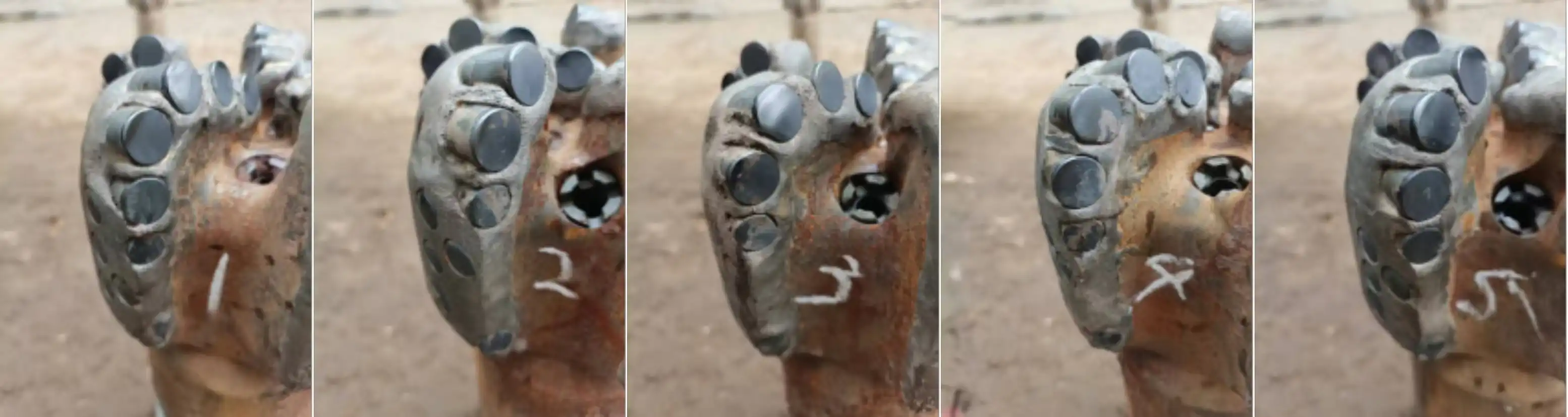
After each run, engineers should inspect the cutting structure and record the wear distribution.
The IADC dull grading system provides a standardized method for recording bit condition and comparing performance between drilling runs.
Industry Application Example: Extending Bit Life in Abrasive Sandstone
Consider an anonymized drilling scenario based on common oilfield operating challenges.
A drilling contractor working in a Middle Eastern oilfield encounters a section containing abrasive sandstone interbedded with softer shale. The original PDC bit initially delivers satisfactory penetration rates, but its performance gradually declines.
After the drilling run, the engineering team identifies concentrated shoulder cutter wear and signs of localized thermal damage.
The investigation suggests several contributing factors:
Abrasive mineral components in the sandstone.
Changing cutter loads between shale and sandstone.
Inconsistent cuttings removal.
Operating parameters that may be too aggressive for harder intervals.
The team considers a revised bit design with more wear-resistant cutters, improved shoulder protection, and adjusted hydraulic placement. The drilling crew also adopts a more controlled WOB and RPM strategy.
No specific footage improvement is claimed because actual performance depends on field measurements and comparable offset-well records.
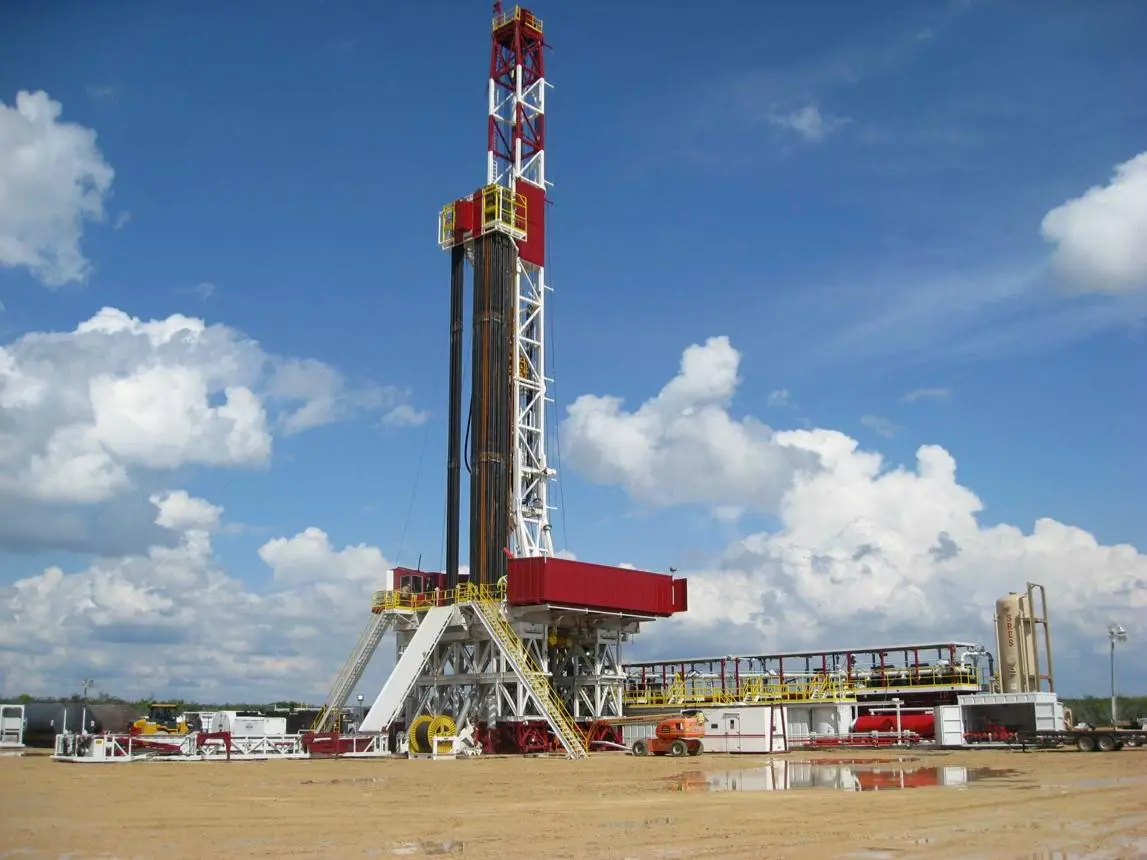
The practical lesson is that premature bit wear should be investigated as a combination of formation conditions, bit design, and operating practices rather than automatically attributed to cutter quality alone.
3. Selecting a Reliable PDC Bit Supplier to Improve Long-Term Performance
Extending drill bit lifespan starts with good engineering decisions, but the manufacturing process also matters.
Why Manufacturing Quality Matters
Important manufacturing considerations include:
Consistency of PDC cutter quality.
Diamond-table integrity and bonding quality.
Accurate cutter-pocket machining.
Reliable cutter brazing and attachment.
Blade structural strength.
Hydraulic passage accuracy.
Dimensional inspection and gauge verification.
Stable product quality and strict quality control are particularly important for drilling contractors purchasing bits in volume.
Why Consider Hainaisen?
Hainaisen provides drilling tool solutions for different oil and gas, mining, and other drilling applications.
For contractors looking to improve drilling efficiency and extend bit service life, Hainaisen offers several areas worth considering:
1. PDC Cutter Technology
Cutter selection is matched to application requirements, with attention to wear resistance, impact performance, and cutting efficiency.
2. Customized Bit Design
Blade configuration, cutter arrangement, bit profile, and hydraulic characteristics can be considered according to project specifications and formation conditions.
3. Stable Product Quality
Manufacturing quality control and product inspection help maintain consistency across supplied drilling tools.
4. Formation-Based Recommendations
Hainaisen can evaluate formation hardness, abrasiveness, drilling methods, and expected operating conditions when discussing suitable bit designs.
5. Professional Technical Support
Clear communication about bit specifications, drilling problems, and application requirements helps customers make more informed purchasing decisions.
6. International Supply Experience
Hainaisen understands the importance of responsive communication, export coordination, and product requirements for different overseas drilling markets.
For projects requiring a Seven Blade Wing Oil Drilling Drill Bit, customers can discuss the target formation, hole size, drilling method, available WOB, RPM, flow rate, and previous bit performance with the Hainaisen team before confirming a design.
The most economical bit is not necessarily the one with the lowest purchase price. It is the one that delivers a suitable balance of footage, ROP, reliability, and total drilling cost.
For drilling contractors planning new projects or reviewing premature bit failures, Hainaisen is a practical supplier to consider for application-based PDC bit recommendations and customized drilling solutions.
FAQ
1. How many hours does a PDC drill bit typically last?
There is no universal service-life figure. Operating hours depend on formation hardness, abrasiveness, cutter quality, drilling parameters, and downhole conditions.
2. What causes PDC drill bits to wear out quickly?
Common causes include abrasive formations, excessive WOB, unsuitable RPM, insufficient hydraulic cleaning, thermal damage, and downhole vibration.
3. Does a higher blade count increase PDC bit lifespan?
Not automatically. More blades provide additional cutter-placement options but also affect junk-slot space and hydraulic performance.
4. How can I improve PDC bit life in hard sandstone?
Select cutters with suitable wear resistance, optimize cutter placement, maintain effective hole cleaning, and avoid excessive mechanical loading.
5. Can PDC drill bits be customized for different formations?
Yes. Manufacturers can adjust cutter grades, cutter sizes, blade configuration, bit profile, gauge protection, and hydraulic design according to project requirements.
6. When should a PDC drill bit be replaced?
A bit should be evaluated for replacement when cutter damage, severe wear, declining ROP, excessive torque, or gauge deterioration makes continued drilling inefficient or unsafe.
About the Author
Hainaisen Technical Editorial Team specializes in drilling technology, fixed-cutter drill bits, PDC cutting structures, and drilling performance optimization. The team focuses on formation evaluation, cutter wear mechanisms, hydraulic design, and practical bit selection guidance for oil and gas drilling contractors.
References
1. Baker Hughes – Fixed Cutter PDC Drill Bits. https://www.bakerhughes.com/drilling/drill-bits/pdc-drill-bits
2. International Association of Drilling Contractors (IADC) – Drilling Mechanics and Performance. https://iadc.org/
3. Investigation on the Effect of Changing Rotary Speed and Weight on Bit on PCD Cutter Wear. Journal of Petroleum Exploration and Production Technology. https://doi.org/10.1007/s13202-019-00795-2
4. An Integrated Approach for Drilling Optimization Using Advanced Drilling Optimizer. The Scientific World Journal. https://doi.org/10.1155/2015/281276
5. SLB – The Defining Series: Bits. https://www.slb.com/resource-library/oilfield-review/defining-series/defining-bits
6. Springer Nature – Evaluation and Optimization of Drilling Efficiency While Drilling. https://link.springer.com/article/10.1007/s40948-024-00872-9