




Why 8.5-Inch PDC Bits Are the Workhorse of Oil Well Drilling
Contact Hainaisen
Email: hainaisen@hnsdrillbit.com
Tel: +86 17791389758
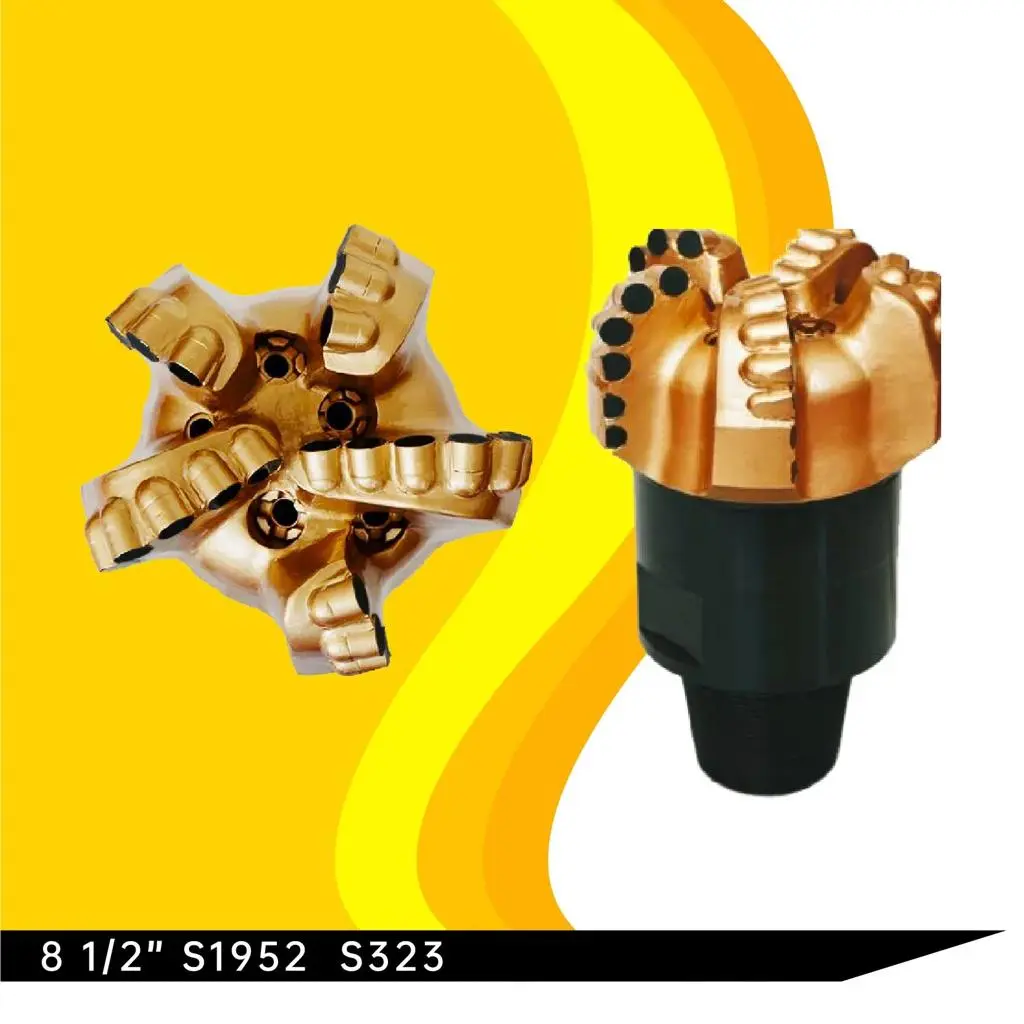
A Five Blade Oil Drill Bit is a practical option for oil well drilling applications where operators need a balance between cutting efficiency, cutter distribution, bit stability, and wear resistance. When configured in an 8.5-inch diameter, a five-blade PDC design can accommodate multiple cutters across the bit face while maintaining space for hydraulic channels and effective cuttings removal. This makes it a useful configuration for many intermediate and production hole sections.
The 8.5-inch hole size is widely encountered in conventional oil and gas well construction. It is used in vertical, directional, and some horizontal drilling programs, depending on the casing design and well architecture. However, selecting the right bit requires more than matching the diameter. Formation hardness, abrasiveness, compressive strength, cutter geometry, blade arrangement, and hydraulic requirements all influence drilling performance.
For drilling contractors, the objective is straightforward: achieve consistent ROP, maintain gauge, reduce unnecessary trips, and obtain predictable bit life. A properly engineered five-blade PDC design can help achieve these objectives when its cutting structure is matched to the formation and operating conditions.
1. Why Five-Blade PDC Designs Are Suitable for 8.5-Inch Oil Well Drilling
The Role of Blade Configuration
Blade configuration determines how cutters are distributed across the bit face and how drilling loads are transferred into the bit body.
A five-blade arrangement provides several practical design advantages:
- Cutter distribution: Multiple blades provide positions for cutters across the cone, nose, shoulder, and gauge.
- Load distribution: A properly balanced cutting structure helps distribute drilling forces.
- Cutting efficiency: Suitable cutter placement supports continuous rock shearing.
- Hydraulic capacity: Junk slots between blades provide channels for drilling fluid and cuttings movement.
- Bit stability: Balanced blade geometry can help control uneven loading and vibration.
The actual performance depends on blade profile, cutter exposure, back-rake angle, cutter density, and hydraulic design. More blades do not automatically mean better drilling performance. The cutting structure must be matched to the formation.
Formation Conditions and Drilling Challenges
An 8.5-inch hole section may pass through several formations during one drilling run. Each rock type places different demands on the bit.
Shale formations
Softer shale can generally be drilled efficiently with relatively aggressive PDC cutters. However, sticky shale may accumulate around the bit face, reducing cutting efficiency and increasing torque. Effective hydraulic cleaning and suitable drilling fluid properties are essential.
Sandstone formations
Sandstone can be highly abrasive, particularly when it contains a high proportion of quartz. Cutter wear may become a major concern in hard, cemented sandstone. A more wear-resistant cutter grade and suitable cutter density should be considered.
Limestone formations
Limestone varies significantly in compressive strength. Softer limestone may support high ROP, while dense limestone can generate greater cutting resistance and impact loading. Cutter geometry and back-rake selection need to reflect these differences.
Interbedded formations
Alternating shale, sandstone, and limestone can cause frequent changes in drilling response. Torque fluctuations, uneven cutter loading, and vibration may develop when the bit encounters sudden changes in rock strength.
Why Cutter Technology Matters
PDC cutters remove rock primarily through a shearing mechanism. Compared with conventional crushing-based cutting mechanisms, this approach can provide efficient penetration in formations suited to PDC drilling.
However, cutter performance depends on more than diamond hardness. Important factors include:
- Diamond table quality and thickness.
- Tungsten carbide substrate properties.
- Thermal stability.
- Impact resistance.
- Cutter geometry and exposure.
- Bonding quality between diamond and substrate.
A suitable cutter must withstand the expected combination of abrasion, impact, and thermal loading. In hard or interbedded formations, excessive cutter exposure can increase the risk of chipping or premature damage.
Technical publications from the Society of Petroleum Engineers (SPE) discuss the relationship between bit design, formation properties, and drilling parameters. This engineering approach is particularly relevant when selecting cutting structures for changing downhole conditions.
2. How to Select and Optimize an 8.5-Inch Five-Blade PDC Bit
Selecting a suitable bit requires evaluating the formation, cutting structure, hydraulic capacity, and drilling assembly together. A five-blade configuration should provide enough cutter capacity for the expected rock conditions without restricting cuttings removal or creating excessive torque.
Cutter Size, Density, and Layout
Cutter size and placement directly affect how the bit engages the formation.
Typical design considerations include:
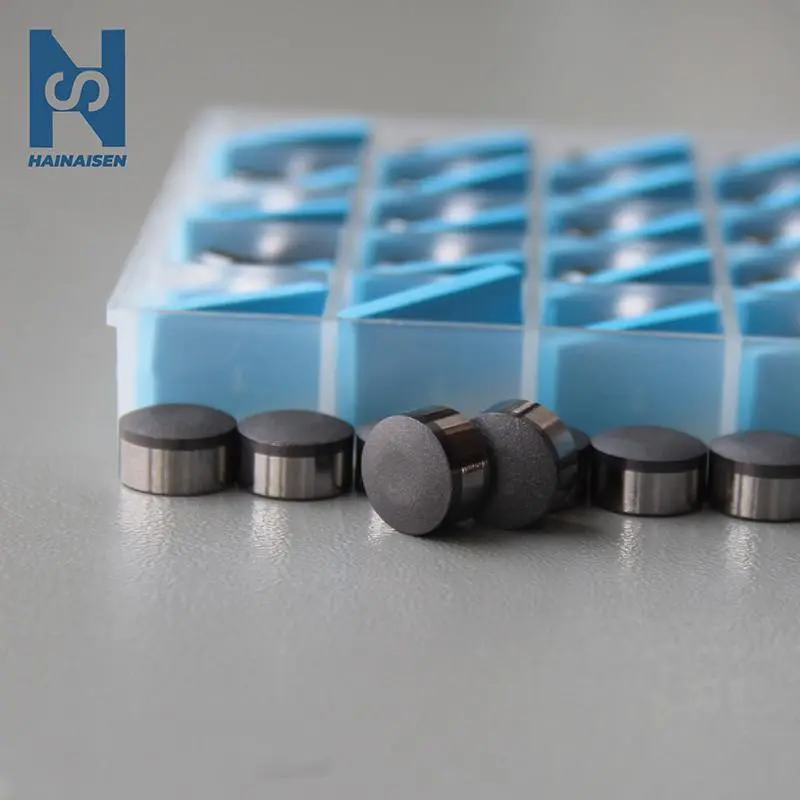
- 13 mm cutters: Can provide more cutting elements across the bit face and may be suitable for demanding formations requiring a more distributed cutting structure.
- 16 mm cutters: Offer a larger cutting area and can support higher cutting aggressiveness in suitable formations.
- Cutter density: Higher density can distribute loads across more cutting elements, although excessive density may reduce aggressiveness.
- Back-rake angle: Influences cutting efficiency, cutter loading, and impact resistance.
- Shoulder and gauge cutters: Help maintain hole diameter and protect the bit during directional drilling.
The correct configuration depends on formation compressive strength, quartz content, abrasiveness, and expected impact loading.
Hydraulic Design and Hole Cleaning
Hydraulic performance is particularly important when drilling long intervals or formations that generate substantial cuttings.
Drilling fluid passes through the nozzles and moves across the bit face. Its main functions include:
- Cooling the cutting elements.
- Removing cuttings from the bit face.
- Reducing the risk of bit balling.
- Supporting effective hole cleaning.
- Helping maintain stable drilling conditions.
The following design factors should be evaluated:
- Nozzle number and position.
- Total flow area (TFA).
- Junk-slot geometry.
- Available pump pressure.
- Mud viscosity and carrying capacity.
- Annular velocity and hole-cleaning requirements.
A five-blade design must balance cutter capacity with sufficient hydraulic space. Adding cutters without considering fluid circulation can create cleaning problems and reduce overall drilling efficiency.
WOB, RPM, Torque, and ROP
Even a well-designed bit can perform poorly when operated outside an appropriate drilling window.
Parameter | Practical recommendation |
|---|---|
WOB | Apply sufficient weight for effective cutting without overloading cutters |
RPM | Adjust according to formation response and BHA limitations |
Flow rate | Maintain effective bit-face cleaning and cooling |
Torque | Monitor sudden increases and fluctuations |
ROP | Evaluate alongside vibration, torque, and formation changes |
Mud properties | Maintain suitable carrying capacity and wellbore stability |
There is no universal WOB or RPM setting for every 8.5-inch bit. The drilling team should follow the Manufacturer's operating recommendations and consider BHA limitations, mud properties, and offset-well records.
For example, if torque increases while ROP declines, immediately increasing WOB may make the problem worse. The cause could be poor hole cleaning, excessive cutter aggressiveness, formation changes, or stick-slip vibration.
Make controlled parameter adjustments and monitor the response rather than changing several drilling variables at once.
Gauge Protection and Bit Stability
Gauge wear can become a serious issue in abrasive formations and directional wells. Once the bit loses gauge, the resulting hole diameter may affect subsequent drilling operations and casing preparation.
A suitable design should consider:
- Gauge cutter placement.
- Wear-resistant gauge protection.
- Blade profile and lateral stability.
- Side-cutting requirements.
- Dogleg severity and steering behavior.
For directional and horizontal wells, the bit must provide an appropriate balance between steerability and stability. A configuration designed exclusively for aggressive vertical drilling may not be the best choice for a demanding directional section.
Industry Case: Five-Blade Bit Selection in Middle Eastern Oilfields
Consider a representative drilling scenario involving a contractor working on an intermediate hole section in the Middle East.
The formation consists of alternating shale, cemented sandstone, and limestone. An existing bit delivers acceptable ROP in softer shale but experiences accelerated shoulder cutter wear and increasing torque when entering abrasive sandstone.
After reviewing offset-well records, the drilling team identifies several possible improvements:
- Select a more wear-resistant PDC cutter configuration.
- Adjust cutter density and placement to distribute loads more evenly.
- Review gauge protection for the abrasive intervals.
- Optimize nozzle positioning and flow rate for better bit-face cleaning.
- Adjust WOB and RPM according to changes in formation response.
The contractor evaluates a five-blade design with a more balanced cutting structure and hydraulic arrangement.
The expected operational benefits include more consistent drilling behavior, improved resistance to premature cutter damage, and better control of bit wear. Actual improvements in ROP and footage per run would need to be confirmed through field data.
The practical lesson is that blade count alone does not determine performance. Cutter technology, hydraulic design, and drilling parameters must be considered as one system.
3. Hainaisen Five-Blade PDC Drill Bits for Oil and Gas Applications
For drilling contractors selecting an 8.5-inch bit, supplier capability is just as important as the initial product specification. A reliable supplier should understand formation requirements, provide consistent manufacturing quality, and offer technical support when drilling conditions change.
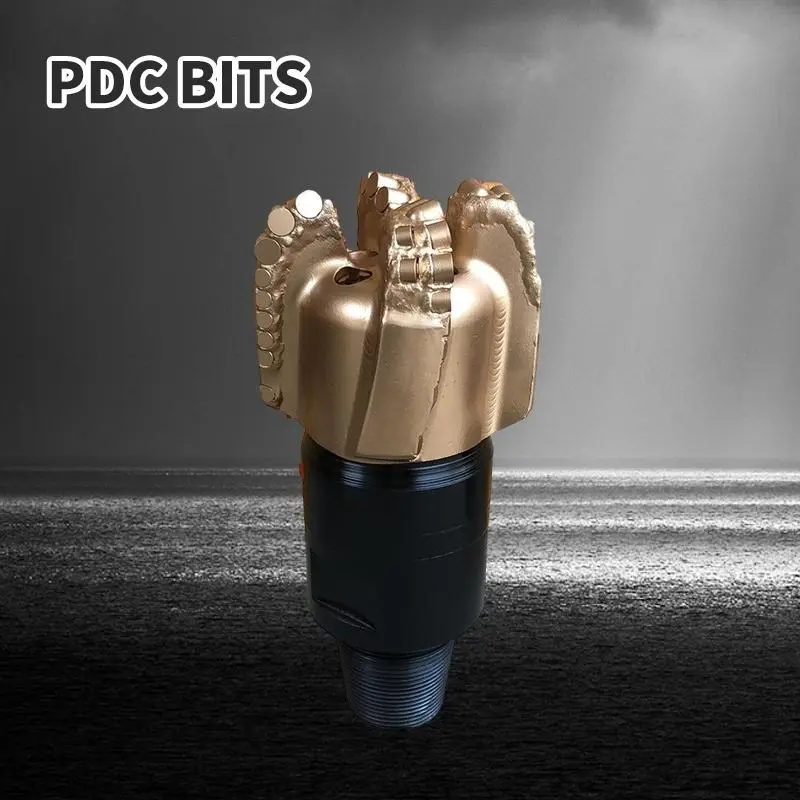
Hainaisen supplies PDC drill bits for oil and gas drilling, directional drilling, water well projects, and other rock-drilling applications.
What Makes Hainaisen a Practical Supplier to Consider?
1. Stable Product Quality
Consistent cutter installation, blade geometry, dimensional accuracy, and finished-product inspection are important for predictable drilling performance. Hainaisen focuses on manufacturing quality and product consistency.
2. PDC Cutter Technology
The selection of cutter size, grade, and geometry should reflect formation hardness, abrasiveness, and expected downhole impact. Hainaisen considers these requirements when discussing suitable cutting structures.
3. Customized Bit Design
Different drilling programs require different configurations. Customization can involve:
Bit diameter and blade number.
Cutter size and quantity.
Cutter layout and exposure.
Gauge protection.
Nozzle number and hydraulic arrangement.
Bit profile for vertical or directional drilling.
4. Formation-Based Recommendations
Hainaisen can evaluate customer requirements according to formation information, drilling depth, offset-well performance, and operating conditions. This helps customers avoid selecting a bit based only on nominal diameter or blade count.
5. International Customer Support
For overseas drilling contractors, distributors, and purchasing managers, clear technical communication and timely quotation responses are important. Hainaisen supports international customers with specification discussions, customized product requirements, and export coordination.
When Should You Choose a Five-Blade Configuration?
A five-blade design may be worth evaluating when:
- The drilling interval contains medium-hard or abrasive formations.
- The project requires a balanced distribution of cutting elements.
- The operator wants to improve cutting structure durability.
- Gauge wear has affected previous drilling runs.
- The existing bit shows uneven cutter damage.
- The drilling program requires a customized hydraulic and cutter arrangement.
A Five Blade Oil Drill Bit should not be selected simply because it has more blades than another design. The decision should be based on formation characteristics, cutter capacity, hydraulic requirements, and the performance of the complete BHA.
For customers planning an 8.5-inch drilling section, Hainaisen can discuss suitable five-blade configurations and customized PDC cutting structures. Providing formation details, preferred cutter sizes, drilling parameters, and previous bit-run records will help the technical team make a more relevant recommendation.
If you are looking for a suitable Five Blade Oil Drill Bit for an oilfield project, contact Hainaisen to discuss your application and technical specifications.
Request a customized PDC bit recommendation from Hainaisen.
Email: hainaisen@hnsdrillbit.com
Tel: +86 17791389758
FAQ
1. What are the advantages of a five-blade PDC drill bit?
A five-blade design provides multiple cutter positions across the bit face, helping distribute cutting loads and accommodate different cutter configurations. Its performance depends on blade geometry, cutter layout, and hydraulic design.
2. Is a five-blade PDC bit suitable for hard rock drilling?
It can be suitable for certain hard and abrasive formations when equipped with appropriate wear-resistant cutters, suitable cutter density, and adequate impact protection. Formation-specific design is essential.
3. What is the best cutter size for an 8.5-inch PDC bit?
Common options include 13 mm and 16 mm cutters. The selection depends on formation hardness, abrasiveness, desired cutting aggressiveness, and durability requirements.
4. What drilling parameters affect five-blade PDC bit performance?
WOB, RPM, flow rate, torque, and drilling fluid properties all influence penetration rate, cutter temperature, vibration, and bit life.
5. Can a five-blade PDC bit be customized for directional drilling?
Yes. Cutter placement, gauge protection, blade profile, and hydraulic configuration can be adjusted according to steering requirements and expected formation conditions.
6. How can I reduce premature cutter wear?
Select suitable cutter grades, maintain effective hole cleaning, avoid excessive WOB, monitor vibration, and adjust operating parameters when formation conditions change.
About the Author
David Mitchell is a drilling technology writer specializing in oilfield drilling equipment, PDC cutting structures, and formation-specific drill bit selection. His work focuses on practical drilling engineering, cutter performance, and equipment requirements for international oil and gas, mining, and water well projects.
References
1. Society of Petroleum Engineers (SPE) – Technical publications covering PDC cutter technology, drill bit performance, drilling optimization, and formation evaluation.
https://www.spe.org/
2. Journal of Petroleum Technology (JPT) – Industry research and technical discussions on drilling performance, bit selection, and drilling engineering.
https://jpt.spe.org/
3. International Association of Drilling Contractors (IADC) – Industry guidance on drilling operations, equipment performance, and drilling practices.
https://iadc.org/
4. U.S. Department of Energy – National Energy Technology Laboratory (NETL) – Research on advanced drilling technologies and oil and gas well construction.
https://netl.doe.gov/
5. Society of Petroleum Engineers – OnePetro – Technical papers on PDC drill bit design, drilling mechanics, cutter wear, and drilling optimization.
https://onepetro.org/