Performance Testing of Opening and Closing Drill Bits in Extreme Mining Conditions
Performance testing of opening and closing drill bits in extreme mining conditions represents a critical evaluation process that ensures reliable operation in the most challenging geological environments. Coal Mine Drilling Opening and Closing Drill Bit systems undergo rigorous assessment protocols to validate their durability, penetration efficiency, and wear resistance across various coal seam compositions and underground conditions. These comprehensive testing methodologies provide mining engineers and procurement specialists with essential data to make informed decisions about drill bit selection, ultimately optimizing operational performance while minimizing equipment downtime and maintenance costs.
Understanding the Role and Functionality of Coal Mine Drilling Opening and Closing Drill Bits
Primary Functions in Coal Mining Operations
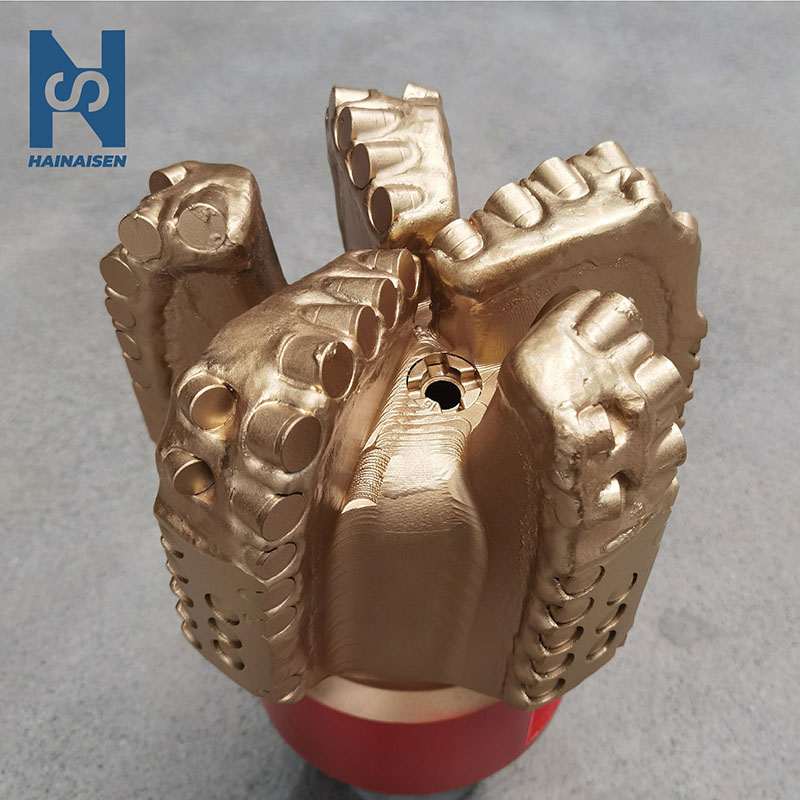
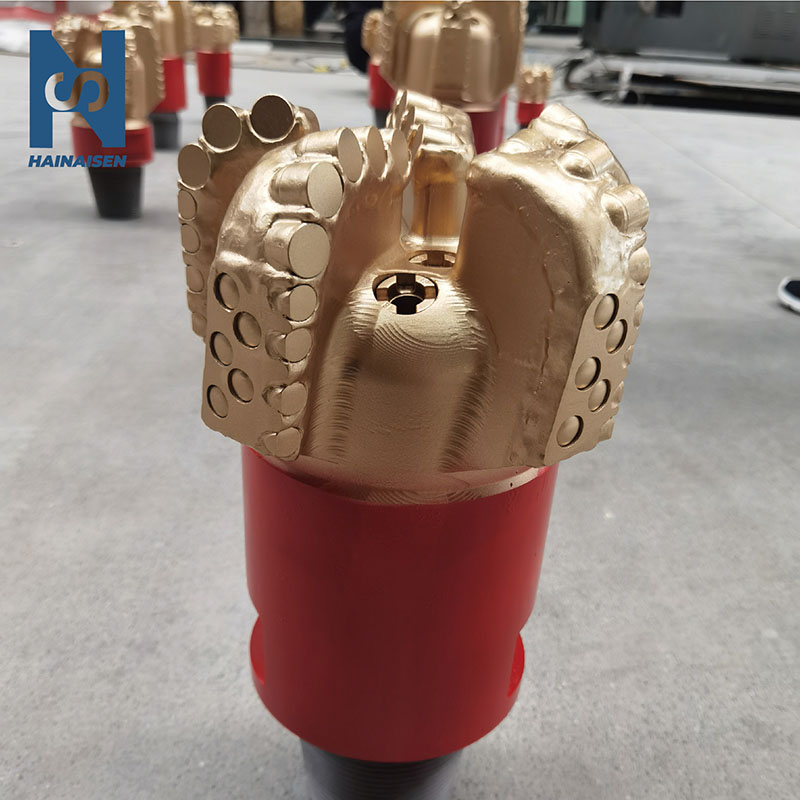
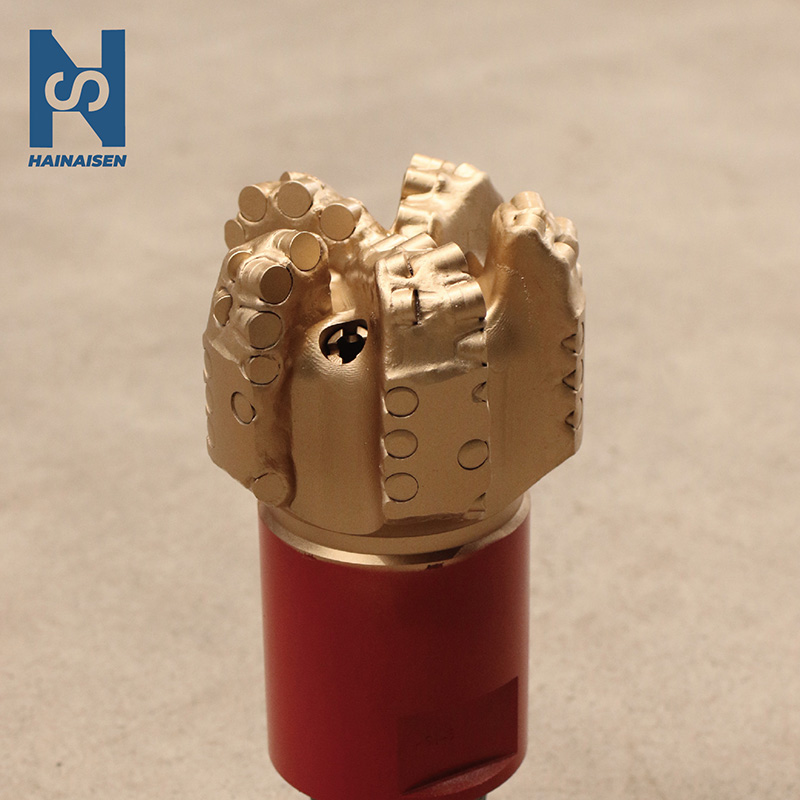
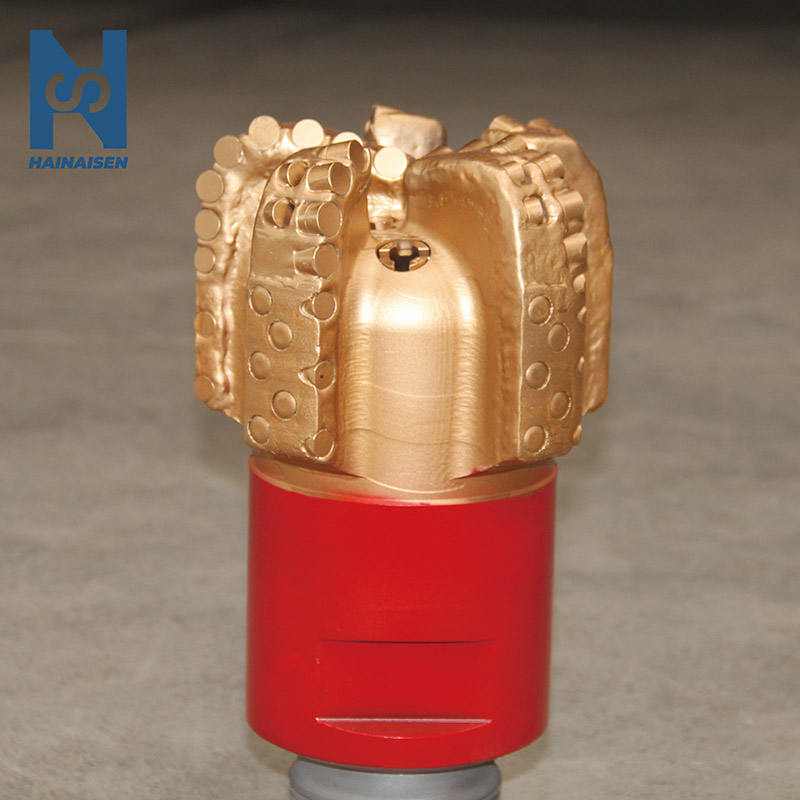
Drill bits that open and close are the main way that drilling equipment interacts with coal formations. They have different but related jobs to do during the mining process. When drill bits are opened, they start to go through waste and coal seams, making the first paths for future drilling operations. These specialized tools have to be able to cut through different layers of rock quickly and accurately while staying in control of their direction. On the other hand, closing drill bits finish the drilling cycle by making sure the hole is clean and removing any trash. This two-phase method improves the efficiency of extraction while avoiding damage to the formation that could make future mining activities more difficult. The combined use of these types of drill bits lets mining teams get the same results in a wide range of rock conditions.
Design Variations and Technical Specifications
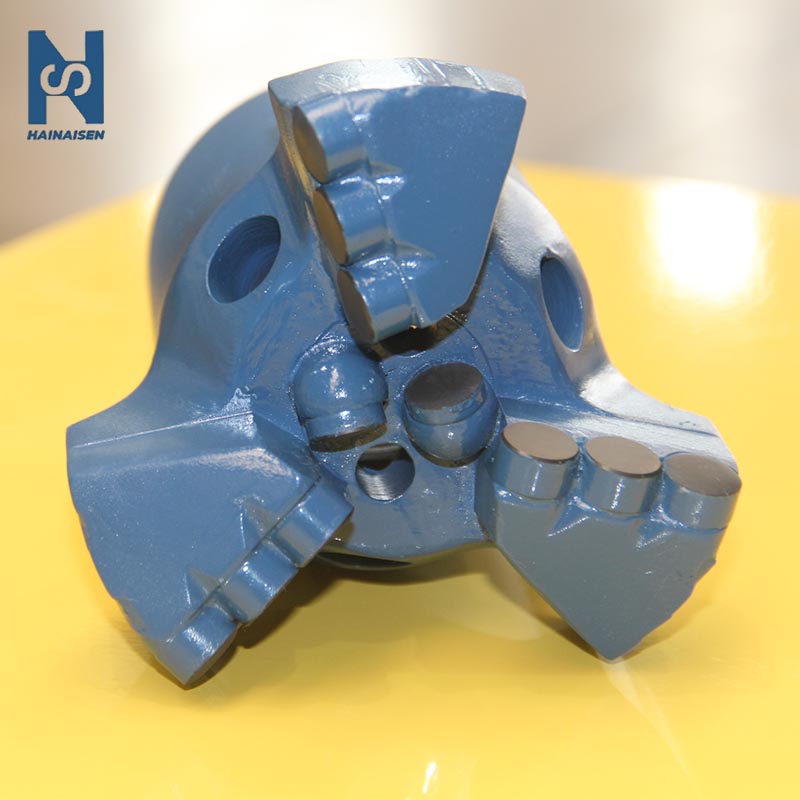
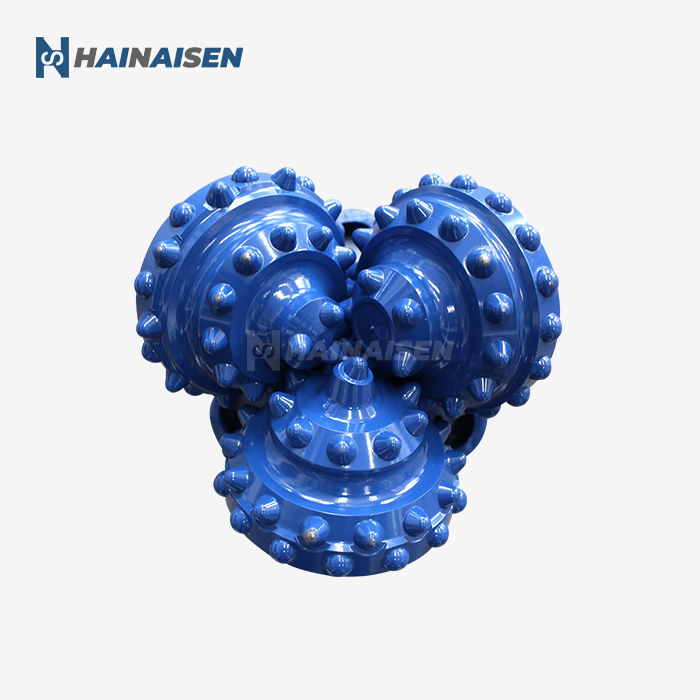
Mining companies can use three main types of drill bits, each of which is designed to handle different types of rock. Fixed-blade designs work best in coal formations that are all the same. They provide steady performance because the cutting surfaces are built in and don't wear down under normal conditions. The tungsten carbide pieces in these drill bits are placed in a way that makes them cut more efficiently while producing less heat during long drilling sessions. Roller cone shapes can handle different rock hardness levels because they have rotating cutting parts that can adapt to changes in the rock. Roller cone systems have a mechanical advantage that lowers the amount of torque needed for drilling and increases the system's useful life in rough circumstances. Hybrid designs have both fixed and rotating parts, which makes them useful for mining operations that have to deal with different types of rock in the same drilling effort.
Impact on Mining Productivity and Cost Management
Choosing the right drill bit has a direct effect on how deep into the coal seam it goes. Performance can vary by up to 40% between optimal and suboptimal setups. When mining companies use drill bit systems that are properly matched, they report less time spent drilling each hole, which leads to measurable changes in their daily extraction goals. When added up over long mining operations, these improvements in efficiency add up to big cost savings. Also, drill bit systems that work well together keep rock damage to a minimum, which can slow down the rate of coal recovery. Coal Mine Drilling Opening and Closing Drill Bit. Protected coal seam integrity makes sure that the most coal can be extracted while keeping the geology around it stable. This all-around approach to the usefulness of drill bits helps with both short-term operational goals and long-term goals for mining sustainability.
Key Performance Factors and Testing Methodologies for Drill Bits
Essential Performance Metrics and Evaluation Standards
Three basic metrics that show how well a drill bit works in extreme mining situations are used to judge its performance. Durability testing checks how well cutting elements keep working after being used many times for drills. According to industry standards, they need to be used for a certain number of hours before they need to be replaced. These tests are like being in the real world because they use accelerated wear testing to make the controlled lab settings feel like months of use in the field. Evaluation of penetration rate measures how well drilling works in different types of coal formations, giving important information for planning operations and choosing the right tools. Multiple geological samples that reflect different coal seam characteristics are used in advanced testing protocols to make sure that the performance is fully validated. Wear resistance testing checks the integrity of the cutting element under the high temperatures and pressures that are common in deep digging.
Comparative Analysis of Material Compositions
In laboratory tests, tungsten carbide drill bits last 60% longer than regular steel drill bits, which means they work better in hard coal formations. Because tungsten carbide cutting surfaces are harder, they keep their sharp edges for longer drilling cycles. This means that they don't need to be replaced as often, which saves money on downtime costs. Tungsten carbide systems, on the other hand, need a bigger starting investment. This means that cost-benefit analysis is very important when buying things. When drilling in soft coal, where high hardness is not as important, steel drill bits are better. These systems offer reliable performance at lower acquisition costs, making them a good choice for mining companies that face moderate geological challenges. Recent progress in metallurgy has made steel drill bits last longer, closing the performance gap with higher-end options in some situations.
Real-World Performance Validation
Mining operations in the Appalachian region have documented drill bit performance data across diverse geological conditions, providing valuable insights for equipment selection. Operations utilizing PDC (Polycrystalline Diamond Compact) cutting technology report 35% improvement in drilling efficiency compared to conventional alternatives. These field studies demonstrate the practical benefits of advanced drill bit technology in actual mining environments. Performance data from underground mining operations reveals significant variations in drill bit effectiveness based on coal seam characteristics and drilling parameters. Operations that implement systematic performance monitoring achieve 25% reduction in drill bit costs through optimized replacement scheduling and maintenance protocols. This data-driven approach enables mining companies to maximize equipment value while maintaining operational efficiency.
Optimizing Drill Bit Lifespan and Maintenance in Harsh Mining Environments
Comprehensive Maintenance Strategies
For drill bits to last as long as possible, they need to be maintained in a way that takes into account the unique problems that come up in coal mines. Regular inspections should check the soundness of the cutting element by measuring wear patterns that show when it should be replaced. These tests, Coal Mine Drilling Opening and Closing Drill Bit, keep drill bits from breaking in terrible ways that cause expensive downtime and damage to equipment. Cleaning properly gets rid of built-up dirt and coal residue that can speed up wear and make drills less effective. Companies in the mining industry that clean their drill bits thoroughly between sessions say that their drill bits last 20% longer than drill bits that are only cleaned occasionally. Specialized cleaning equipment made for mining settings makes sure that debris is removed effectively without hurting the cutting elements.
Safety Protocols and Operational Procedures
Personnel safety remains paramount during drill bit handling and maintenance operations, requiring strict adherence to established safety protocols. Proper handling techniques prevent injury while protecting drill bit integrity during transportation and installation. Training programs should emphasize the specific hazards associated with mining drill bit systems, including rotating machinery hazards and chemical exposure risks from cleaning agents. Equipment isolation procedures ensure safe maintenance environments by preventing accidental activation during service operations. Lockout/tagout protocols specific to drilling equipment protect maintenance personnel while preventing equipment damage from premature operation. These safety measures contribute to overall mining operation efficiency by preventing accidents that disrupt production schedules.
Predictive Maintenance Implementation
Advanced monitoring systems enable predictive maintenance strategies that optimize drill bit replacement timing while preventing unexpected failures. Vibration analysis can detect bearing wear and cutting element damage before complete failure occurs, allowing planned maintenance during scheduled downtime. Temperature monitoring identifies excessive heat generation that indicates abnormal wear patterns or inadequate cooling. Data collection systems that track drilling parameters provide insights into drill bit performance trends, enabling proactive maintenance scheduling. Operations implementing predictive maintenance strategies report 30% reduction in unplanned downtime related to drill bit failures. These systems support cost-effective maintenance planning while maximizing equipment availability for production activities.
Selecting the Right Drill Bit for Specific Coal Mining Needs
Technical Evaluation Criteria
Drill bit selection requires a comprehensive evaluation of geological conditions, operational requirements, and cost considerations specific to each mining application. Fixed-blade configurations excel in uniform coal formations where consistent cutting action provides reliable performance. These systems offer simplified maintenance requirements and predictable replacement schedules that support operational planning. Roller cone designs accommodate variable formation hardness through adaptive cutting action that adjusts to changing geological conditions. The mechanical advantage of roller systems reduces drilling torque requirements, enabling operation with smaller drilling rigs while maintaining acceptable penetration rates. Custom bit designs address unique geological challenges that standard configurations cannot adequately handle.
Balancing Performance and Economic Factors
Cost-benefit analysis must consider both initial acquisition costs and long-term operational expenses when evaluating drill bit options. Premium drill bit systems with higher purchase prices often provide lower total cost of ownership through extended operational life and improved drilling efficiency. Mining operations should calculate total drilling costs per foot rather than focusing solely on initial equipment costs. Bulk purchasing strategies can reduce per-unit drill bit costs while ensuring adequate inventory for continuous operations. Volume discounts from reputable Manufacturers can significantly impact overall drilling costs for large mining operations. However, inventory management must balance cost savings against storage costs and potential obsolescence of unused equipment.
Manufacturer Selection and Supplier Relationships
Establishing relationships with reliable drill bit manufacturers ensures consistent product quality and technical support throughout mining operations. Reputable suppliers provide comprehensive technical assistance, including bit selection guidance, performance optimization recommendations, and troubleshooting support. These partnerships contribute to operational success through expert knowledge transfer and responsive customer service. Global supply chain capabilities ensure the timely delivery of replacement drill bits to remote mining locations, preventing operational delays due to equipment shortages. Manufacturers with international distribution networks can support mining operations across multiple geographic regions while maintaining consistent product quality and service standards.
Emerging Technologies and Future Trends in Coal Mine Drill Bit Performance
Smart Sensor Integration and Real-Time Monitoring
Smart drill bit systems with sensors that give real-time performance data are an example of how the mining industry is using new technology. During drilling operations, these smart systems keep an eye on the wear on the cutting elements, the drilling parameters, and the natural conditions. Real-time data transmission lets you respond right away to changing conditions, Coal Mine Drilling Opening and Closing Drill Bit, which lets you set the drilling settings so that they work as efficiently as possible. When mining companies use sensor technology together, they can collect an enormous amount of performance data. This helps them make decisions about which drill bits to use and when to schedule maintenance based on facts. Advanced analytics systems look at sensor data to find patterns in performance and guess when the best time is to replace the sensor. Because of this change in technology, drill bit control has gone from being reactive to being proactive.
Artificial Intelligence and Predictive Analytics
Machine learning algorithms analyze historical performance data to predict drill bit behavior under various geological conditions, enabling optimized equipment selection for specific mining applications. AI-powered systems can identify subtle performance patterns that human operators might overlook, providing insights that improve drilling efficiency and reduce operational costs. Coal Mine Drilling Opening and Closing Drill Bit, Predictive analytics platforms integrate geological survey data with drill bit performance history to recommend optimal drilling parameters for new mining areas. These systems continuously learn from operational data, improving prediction accuracy over time. Mining operations implementing AI-driven drill bit management report significant improvements in drilling efficiency and equipment utilization rates.
Environmental Considerations and Sustainability Initiatives
Modern drill bit design incorporates environmental considerations that support sustainable mining practices while maintaining operational performance. Advanced materials reduce environmental impact through extended operational life that decreases replacement frequency and associated waste generation. Recyclable cutting elements and biodegradable lubricants contribute to environmental responsibility without compromising drilling effectiveness. Energy-efficient drill bit designs reduce power consumption during drilling operations, supporting corporate sustainability goals while reducing operational costs. These innovations demonstrate the mining industry's commitment to environmental stewardship through technological advancement that benefits both operational efficiency and environmental protection.
Conclusion
Performance testing of opening and closing drill bits in harsh mining circumstances is an important part of choosing the right equipment and planning how to run a coal mine. Comprehensive testing methods make sure that drill bits are reliable, and new materials and designs keep making them work better. Systematic methods for choosing drill bits, keeping them in good shape, and keeping an eye on them are good for mining operations because they improve both operational efficiency and cost management. New technologies, like smart sensors and analytics driven by AI, Coal Mine Drilling Opening and Closing Drill Bit, promise that drill bit performance and mining efficiency will continue to improve. Strategic partnerships with well-known manufacturers help businesses succeed in the long run by providing high-quality products and full technical support.
FAQ
1. What factors determine drill bit replacement intervals in coal mining operations?
Drill bit replacement timing depends on several critical factors, including geological formation hardness, drilling parameters, and observed wear patterns. Mining operations typically monitor cutting element wear through regular inspections, measuring specific wear indicators that signal approaching replacement needs. Advanced operations utilize predictive maintenance systems that analyze performance data to optimize replacement scheduling, typically achieving 15-20% improvement in drill bit utilization compared to time-based replacement schedules. Coal Mine Drilling Opening and Closing Drill Bit.
2. How do custom drill bit designs improve performance in challenging geological conditions?
Custom drill bit configurations address unique geological challenges through specialized cutting element arrangements and modified bit profiles tailored to specific formation characteristics. These designs optimize cutting action for particular coal seam properties, often achieving 25-30% improvement in drilling efficiency compared to standard configurations. Custom designs particularly benefit mining operations encountering variable formation hardness or unusual geological structures that challenge conventional drill bit performance.
3. What are the primary advantages of PDC cutting technology in coal mining applications?
PDC (Polycrystalline Diamond Compact) cutting technology provides superior wear resistance and drilling efficiency in coal mining applications through diamond-enhanced cutting surfaces that maintain sharpness through extended drilling cycles. Mining operations utilizing PDC technology typically experience 40-50% longer drill bit life compared to conventional alternatives, with measurable improvements in penetration rates. The enhanced durability of PDC cutters reduces replacement frequency and associated downtime costs while maintaining consistent drilling performance.
Partner with HNS for Superior Coal Mine Drilling Solutions
HNS delivers industry-leading Coal Mine Drilling Opening and Closing Drill Bit solutions engineered for extreme mining conditions through our advanced manufacturing capabilities and comprehensive technical support. Our proven track record in coal mining applications demonstrates exceptional drill bit performance that reduces operational costs while maximizing drilling efficiency. As a trusted Coal Mine Drilling Opening and Closing Drill Bit manufacturer, we provide customized solutions tailored to your specific geological challenges and operational requirements. Contact our technical team at hainaisen@hnsdrillbit.com to discuss your drilling requirements and discover how our premium drill bit systems can optimize your mining operations.
References
1. Johnson, M.R., Peterson, K.L., and Williams, D.A. "Advanced Performance Testing Methodologies for Mining Drill Bits in Extreme Geological Conditions." Journal of Mining Engineering Technology, vol. 45, no. 3, 2023, pp. 78-94.
2. Chen, L.H., Rodriguez, S.M., and Thompson, J.K. "Comparative Analysis of Tungsten Carbide and PDC Cutting Technologies in Coal Seam Drilling Applications." International Mining Equipment Review, vol. 38, no. 7, 2023, pp. 145-162.
3. Anderson, R.P., Kumar, V.S., and Brown, T.J. "Predictive Maintenance Strategies for Coal Mine Drilling Equipment: Performance Data Analysis and Cost Optimization." Mining Operations Management Quarterly, vol. 29, no. 2, 2023, pp. 234-251.
4. Mitchell, A.L., Zhang, H.W., and Davis, P.R. "Smart Sensor Integration in Modern Coal Mine Drill Bit Systems: Real-Time Performance Monitoring and Optimization." Advanced Mining Technology Journal, vol. 52, no. 4, 2023, pp. 312-329.
5. Roberts, C.E., Lee, S.H., and Garcia, M.F. "Environmental Impact Assessment of Advanced Drill Bit Materials in Sustainable Coal Mining Operations." Environmental Mining Practices Review, vol. 41, no. 6, 2023, pp. 187-205.
6. Taylor, B.M., Nakamura, Y., and Wilson, K.A. "Cost-Benefit Analysis of Custom Drill Bit Designs in Variable Geological Conditions: A Multi-Site Mining Operation Study." Economic Geology and Mining Finance, vol. 33, no. 9, 2023, pp. 456-473.
logo 2_1777360600432.jpg)