




How to Choose the Right Mining Drill Bit for Hard Rock Formations
Contact Hainaisen
Email: hainaisen@hnsdrillbit.com
Tel: +86 17791389758
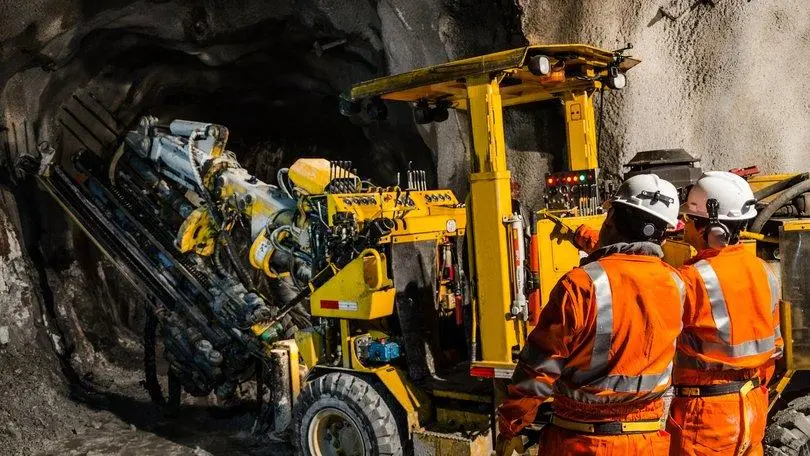
Choosing the right Mining Drill Bits for hard rock formations requires more than matching a bit to the rock's hardness. Engineers must evaluate compressive strength, abrasiveness, geological consistency, drilling depth, and equipment operating conditions. A bit that performs well in moderately hard limestone may experience rapid cutter wear or impact damage when used in granite, quartz-rich sandstone, or highly abrasive formations.
For hard rock mining applications, the most suitable bit should provide a balance of cutting efficiency, impact resistance, wear resistance, and operational stability. PDC Bits are worth considering where their cutting structure and operating parameters match the formation. However, not every hard rock application is suitable for a conventional flat-cutter design. Specialized cutters, reinforced cutting structures, and customized blade configurations may be necessary when drilling particularly challenging formations.
This guide explains how to evaluate geological conditions, select appropriate cutter and bit structures, and optimize drilling parameters to improve penetration rates and extend service life.
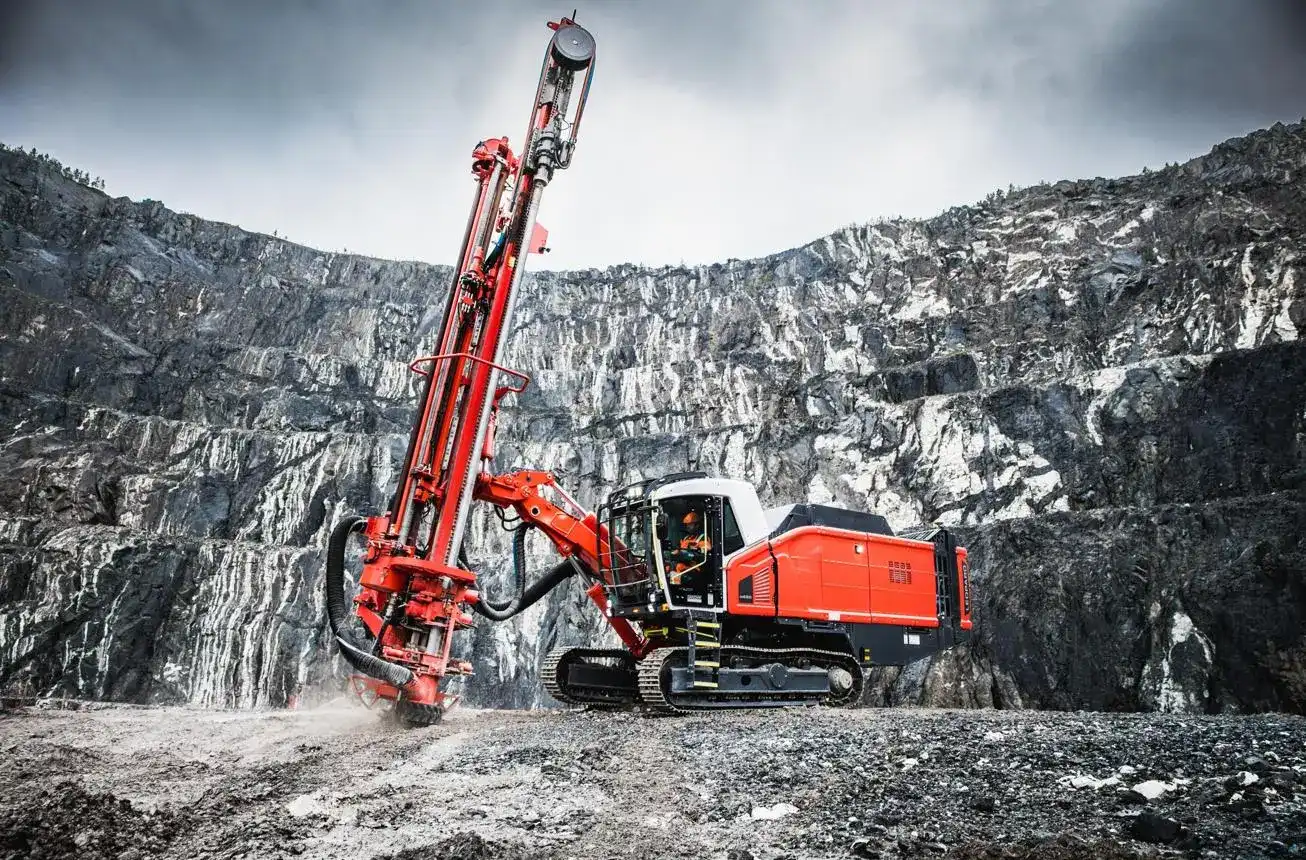
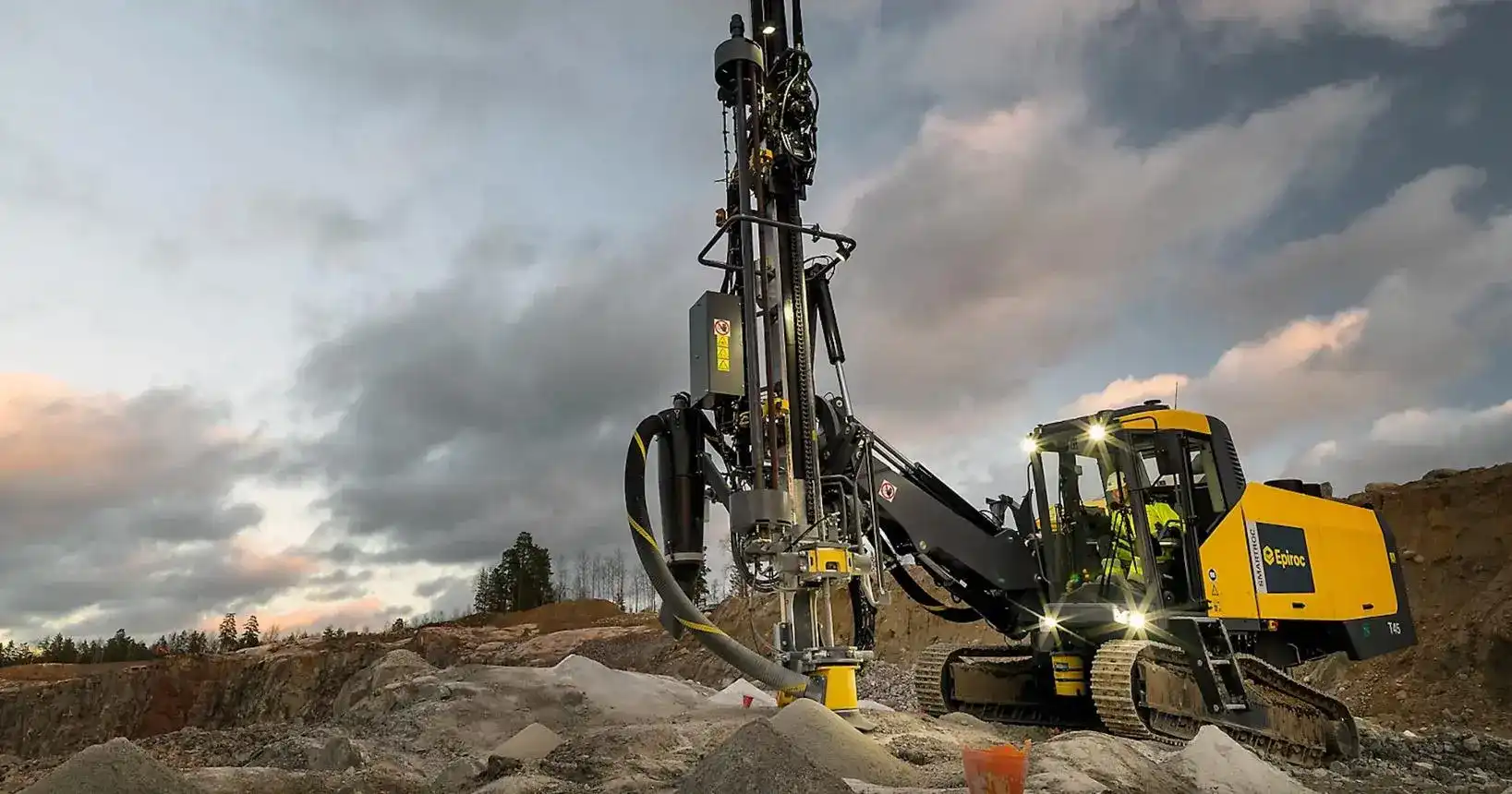
1. Understanding the Challenges of Drilling Hard Rock Formations
Hard rock drilling creates different mechanical stresses from those encountered in softer formations. High compressive strength increases the force required to break the rock, while abrasive minerals gradually wear down the cutting elements. When these conditions occur together, premature cutter failure and declining penetration rates become common problems.
Formation Hardness and Abrasiveness
Before selecting a drill bit, engineers should distinguish between rock hardness and rock abrasiveness. These properties are related but do not describe the same drilling challenge.
Hardness: Determines how much resistance the rock offers to penetration and mechanical cutting.
Abrasiveness: Describes how aggressively the rock wears against the cutting elements.
Compressive strength: Influences the force required to initiate and propagate rock fractures.
Rock heterogeneity: Creates variations in cutting resistance, potentially producing uneven loading and vibration.
Different formations require different approaches.
Formation | Main Drilling Challenge | Recommended Consideration |
|---|---|---|
Granite | High hardness and compressive strength | Impact-resistant cutters and stable cutting structures |
Quartz-rich sandstone | Severe abrasive wear | High-wear-resistance diamond cutters |
Limestone | Variable hardness and occasional fractures | Balanced cutter exposure and cutting efficiency |
Hard shale | Changing rock strength | Formation-specific cutter layout |
Interbedded formations | Repeated changes in cutting resistance | Stable bit design and controlled drilling parameters |
Granite and quartz-rich sandstone deserve particular attention. Granite can generate substantial impact loads when cutters encounter coarse mineral grains and fractured surfaces. Quartz-rich sandstone, meanwhile, can progressively wear down exposed diamond cutting surfaces, reducing their ability to penetrate efficiently.
A bit designed primarily for high penetration rates in homogeneous formations may not provide sufficient durability in hard, abrasive rock.
Why Conventional Bit Designs May Underperform
Several problems frequently appear during hard rock drilling:
1. Premature cutter wear
Continuous contact with abrasive minerals gradually creates wear flats on the cutter surface. As the effective cutting edge becomes less aggressive, ROP decreases and additional mechanical energy is required.
2. Cutter chipping and fracture
Sudden changes in formation hardness, existing fractures, and excessive impact loading can cause cutter edge damage. Poor bit stability and drilling vibrations make the problem worse.
3. Excessive torque and unstable drilling
Uneven cutter engagement can create fluctuations in torque. In directional drilling, these fluctuations may also affect steering response and wellbore trajectory control.
4. Insufficient hole cleaning
Rock fragments and abrasive cuttings must be transported away from the bottom of the hole. Poor hydraulic performance allows debris to accumulate around the cutting structure, increasing friction, heat, and the risk of secondary damage.
2. How to Select the Right Bit Design and Optimize Drilling Performance
Once the formation characteristics are understood, the next step is to match the cutter technology, bit structure, and operating parameters to the actual drilling conditions.
Choose the Appropriate Cutter Type
Cutter selection directly affects rock-breaking efficiency and bit durability. For demanding hard rock applications, engineers should consider both the geometry and material properties of the cutting elements.
Flat PDC cutters
Flat PDC cutters are widely used because they offer efficient shearing action and good cutting performance in suitable formations. They are particularly useful when formation conditions allow relatively continuous engagement without excessive impact loading.
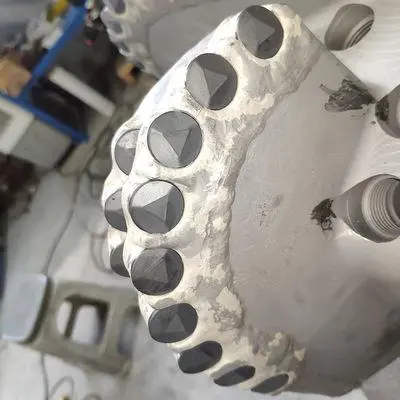
Conical and dome-shaped diamond cutters
Special-shaped diamond elements can provide additional impact resistance and concentrated loading in challenging formations. Their geometry makes them useful for applications where conventional flat cutters may experience excessive chipping or unstable engagement.
Reinforced PDC cutting elements
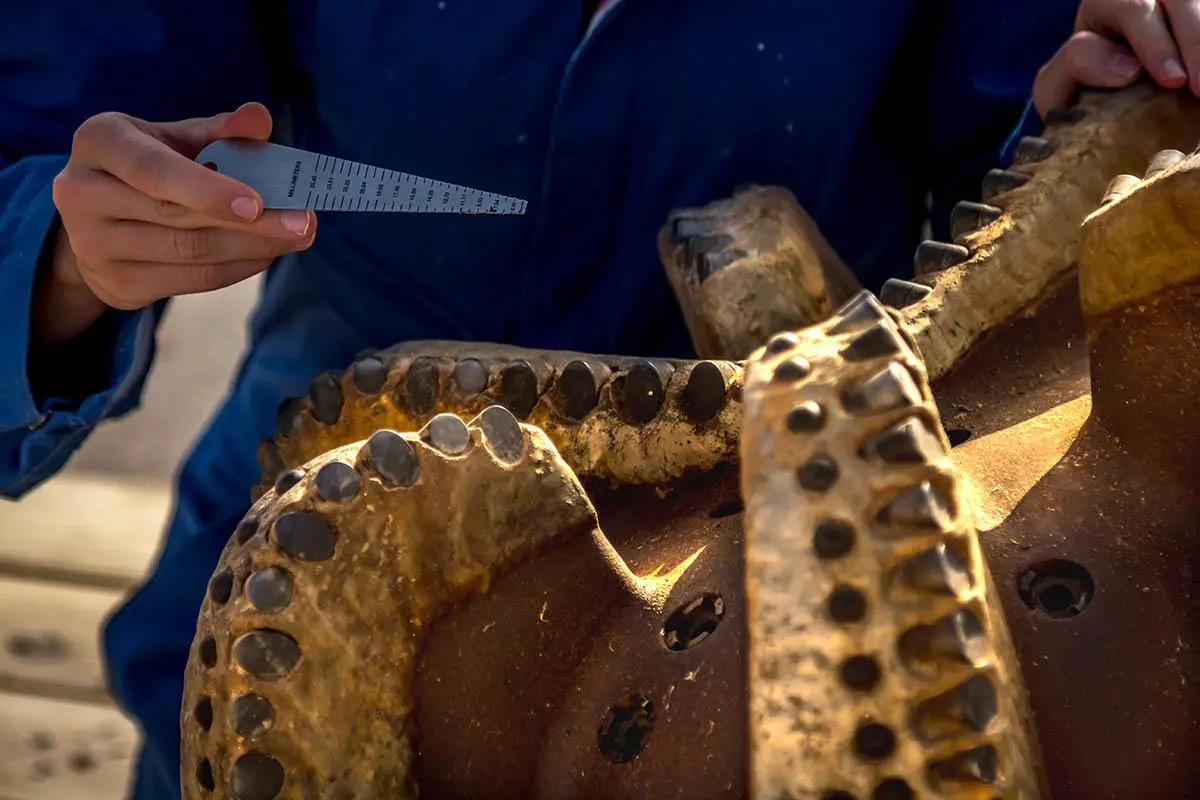
Advanced diamond composite materials and carefully controlled manufacturing processes can improve wear resistance and structural durability. Cutter selection should account for diamond layer characteristics, carbide substrate strength, bonding quality, and thermal stability.
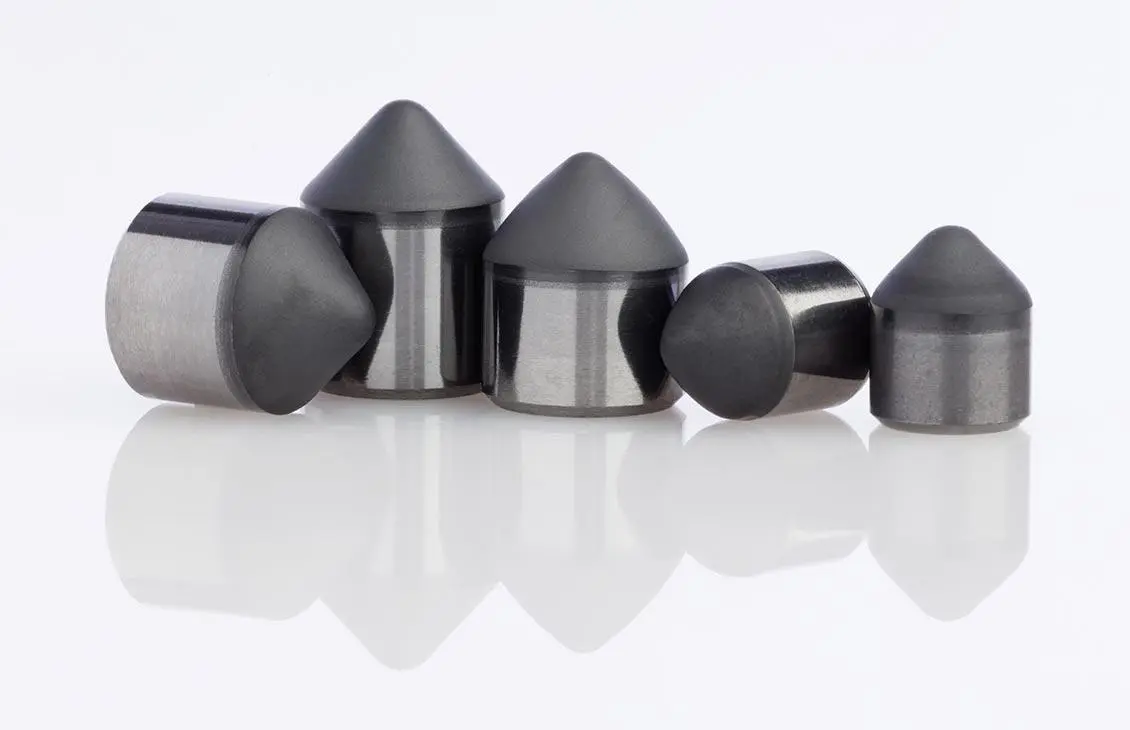
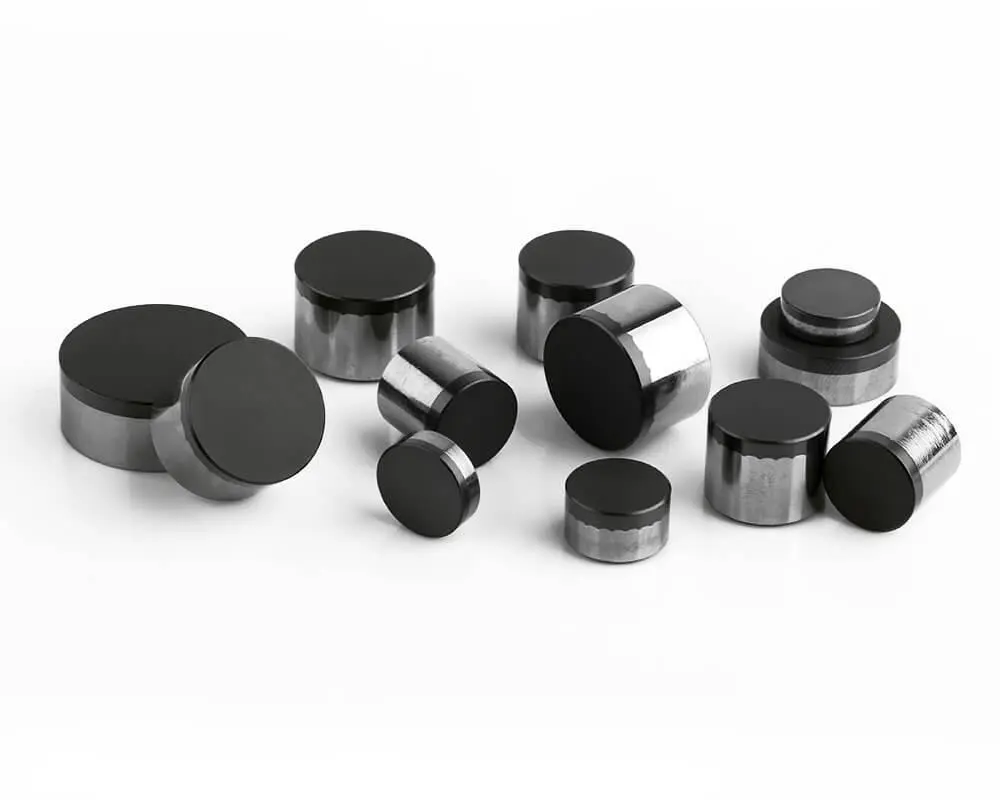
SLB's technical resources on PDC cutter technology describe specialized cutting elements developed for hard, abrasive, and high-impact formations. Different cutter geometries are intended to address different failure mechanisms rather than provide one universal solution.
Evaluate Cutter Size and Cutter Layout
Cutter diameter and placement influence both cutting load distribution and drilling efficiency.
Larger cutters can remove more rock per engagement, but they may also experience higher localized loads depending on exposure, back-rake angle, and formation characteristics.
Smaller cutters can provide more flexibility in distributing cutting loads across the bit face. In highly abrasive formations, however, the increased number of exposed cutting elements does not automatically guarantee longer bit life.
A practical selection process should consider:
Cutter diameter and diamond layer specifications.
Cutter exposure and back-rake angle.
Primary and secondary cutting positions.
Gauge cutter protection.
Blade spacing and overall cutting structure.
Impact loading across the bit face.
The objective is to distribute mechanical loads effectively while maintaining sufficient cutting aggressiveness.
Match Blade Configuration to the Drilling Application
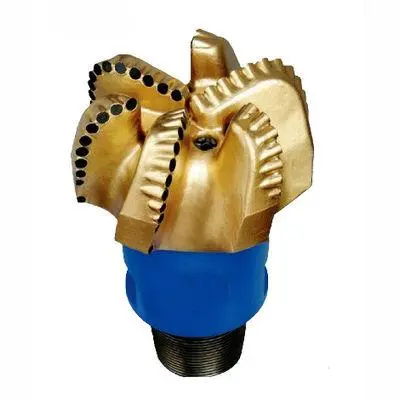
Blade configuration affects cutting efficiency, bit stability, and available hydraulic space.
For hard rock drilling, a properly engineered blade structure should maintain consistent contact with the formation while minimizing excessive torque fluctuations.
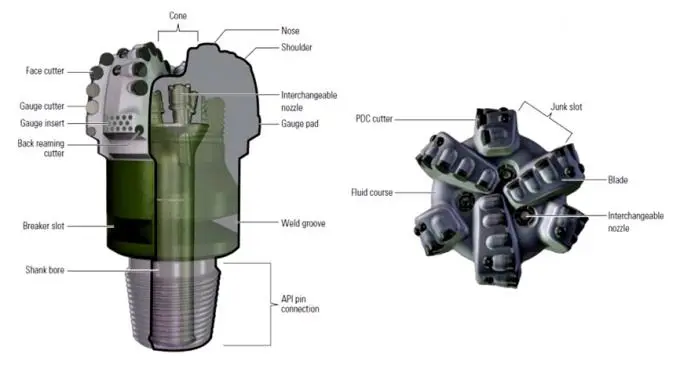
Important considerations include:
Blade number and spacing.
Cutter density across the cone, nose, and shoulder.
Reinforcement of vulnerable cutting areas.
Gauge protection against lateral wear.
Blade erosion resistance.
For directional and horizontal drilling, bit stability becomes particularly important. A design that produces excessive lateral vibration or torque fluctuations can make directional control more difficult.
In vertical mining or exploration wells, maintaining a consistent hole diameter and reducing unnecessary vibration can help improve drilling efficiency and reduce the risk of premature bit damage.
Optimize WOB, RPM, Flow Rate, and Torque
Even a well-designed bit can perform poorly when operating parameters are inappropriate for the formation.
Weight on Bit (WOB): Increasing WOB can improve cutter penetration, but excessive loading may accelerate diamond wear, carbide substrate damage, and cutter failure. Operators should increase loading gradually while monitoring torque and vibration.
Rotational Speed (RPM): Higher RPM can improve drilling speed under suitable conditions. However, excessive rotational speed increases cutter-rock sliding distance and frictional heat, potentially accelerating abrasive wear.
Flow Rate: Adequate drilling fluid circulation is essential for transporting cuttings away from the bit face and controlling operating temperature. Flow rate should be matched to the bit's hydraulic design, hole diameter, drilling fluid properties, and pump capacity.
Torque: Sudden torque fluctuations may indicate uneven cutter engagement, poor hole cleaning, formation transitions, or drilling dysfunction.
Rate of Penetration (ROP): ROP should be evaluated alongside bit wear, vibration, and drilling stability. A higher instantaneous penetration rate does not necessarily represent better overall drilling economics.
A useful operational approach is to establish a stable baseline, adjust WOB and RPM incrementally, and observe the resulting changes in ROP, torque, and vibration.
An Illustrative Hard Rock Drilling Case
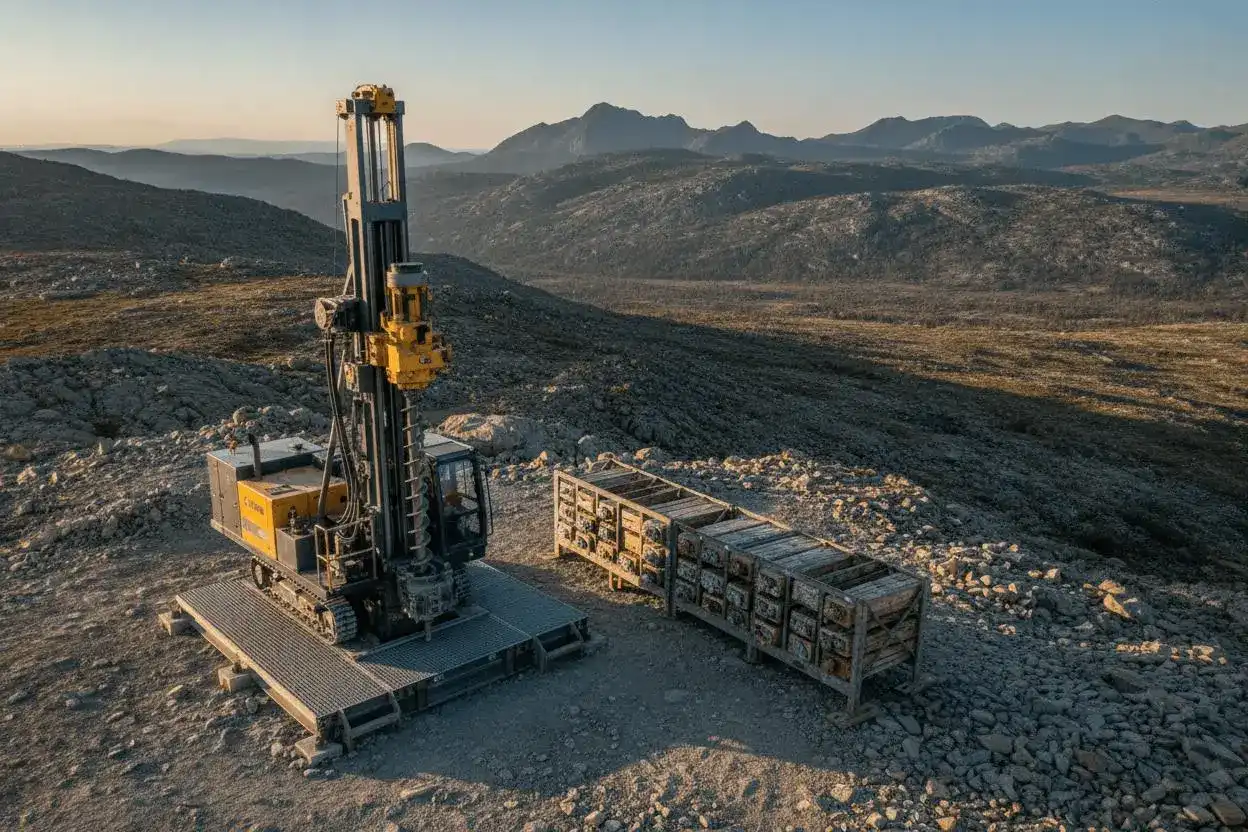
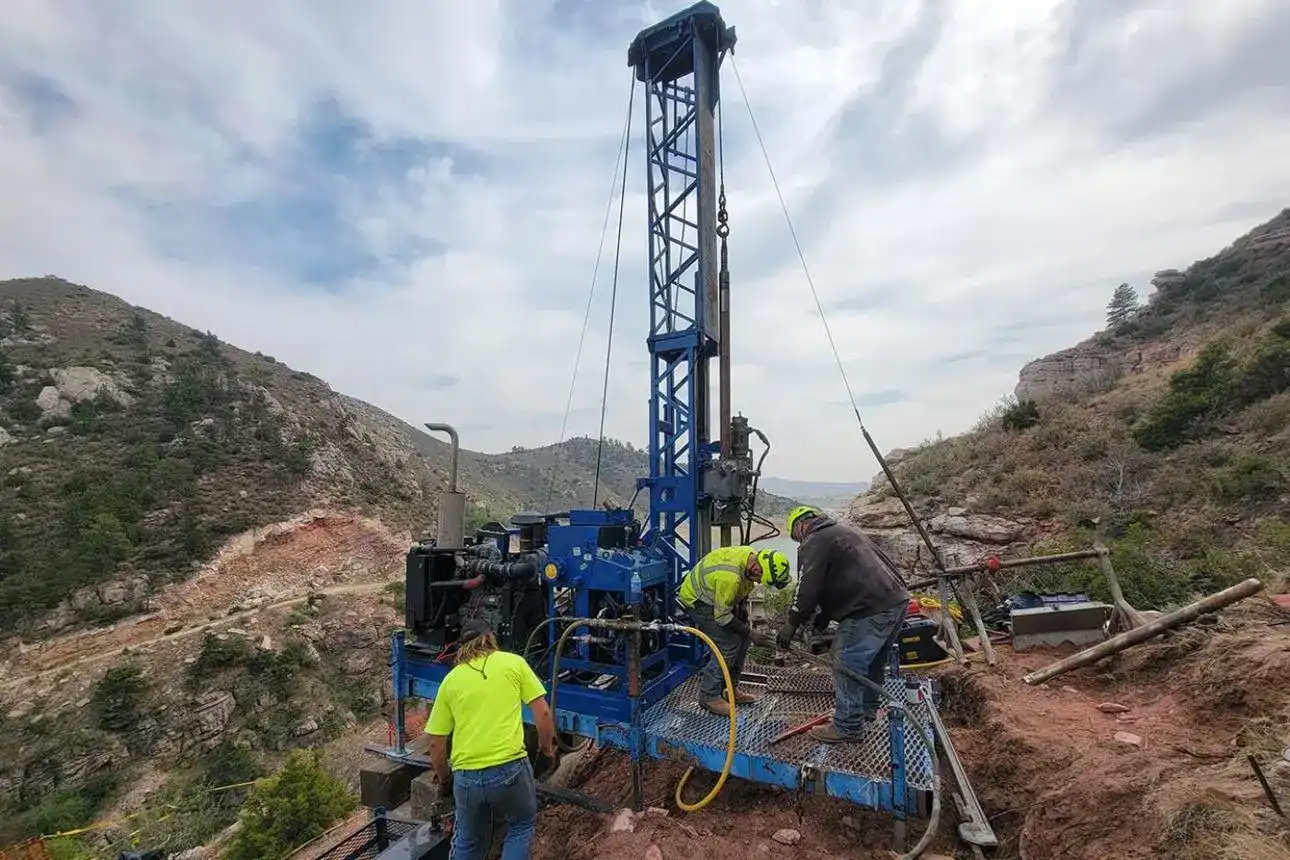
Consider a mining contractor working on an exploration project in Western Australia. The drilling section passes through hard granite containing fractured zones and abrasive mineral components.
The original drilling arrangement uses a conventional cutting structure selected primarily for penetration efficiency. During operation, the contractor encounters declining ROP, visible cutter edge damage, and increased torque fluctuations when passing through fractured rock.
After reviewing the geological conditions and drilling records, the engineering team identifies three main areas for improvement:
Cutter selection: Consider more impact-resistant diamond cutting elements in positions exposed to higher mechanical loads.
Bit structure: Improve cutter distribution and reinforce vulnerable areas to reduce uneven loading.
Drilling parameters: Adjust WOB and RPM progressively while maintaining sufficient fluid circulation for effective hole cleaning.
The expected operational benefit is more consistent drilling behavior, reduced exposure to premature cutter damage, and improved utilization of each bit run.
This is an illustrative engineering scenario, not a documented customer performance report. The practical lesson is that hard rock drilling problems should be addressed through combined bit-design and operating-parameter optimization rather than simply increasing WOB or selecting a harder cutter.
3. Why Hainaisen Is a Practical Partner for Hard Rock Drilling Applications
Selecting a reliable supplier involves more than comparing product dimensions or quoted prices. Mining contractors and drilling equipment Manufacturers need a supplier that understands the relationship between geological conditions, cutting technology, and actual drilling performance.
Hainaisen provides drilling products and technical support for customers working across different mining, oil and gas, and water well drilling applications.
Formation-Based Product Recommendations
Different formations require different cutting structures. Hainaisen can assist customers in evaluating the appropriate product configuration according to their drilling requirements.
For hard and abrasive formations, selection considerations may include:
PDC cutter grade and diamond layer characteristics.
Flat, conical, dome-shaped, or other specialized cutting elements.
Cutter diameter and dimensional tolerances.
Blade configuration and cutter placement.
Gauge protection and wear-resistant structural features.
Compatibility with the intended drilling equipment.
Rather than recommending the same configuration for every project, Hainaisen focuses on matching product characteristics to the customer's formation and operating conditions.
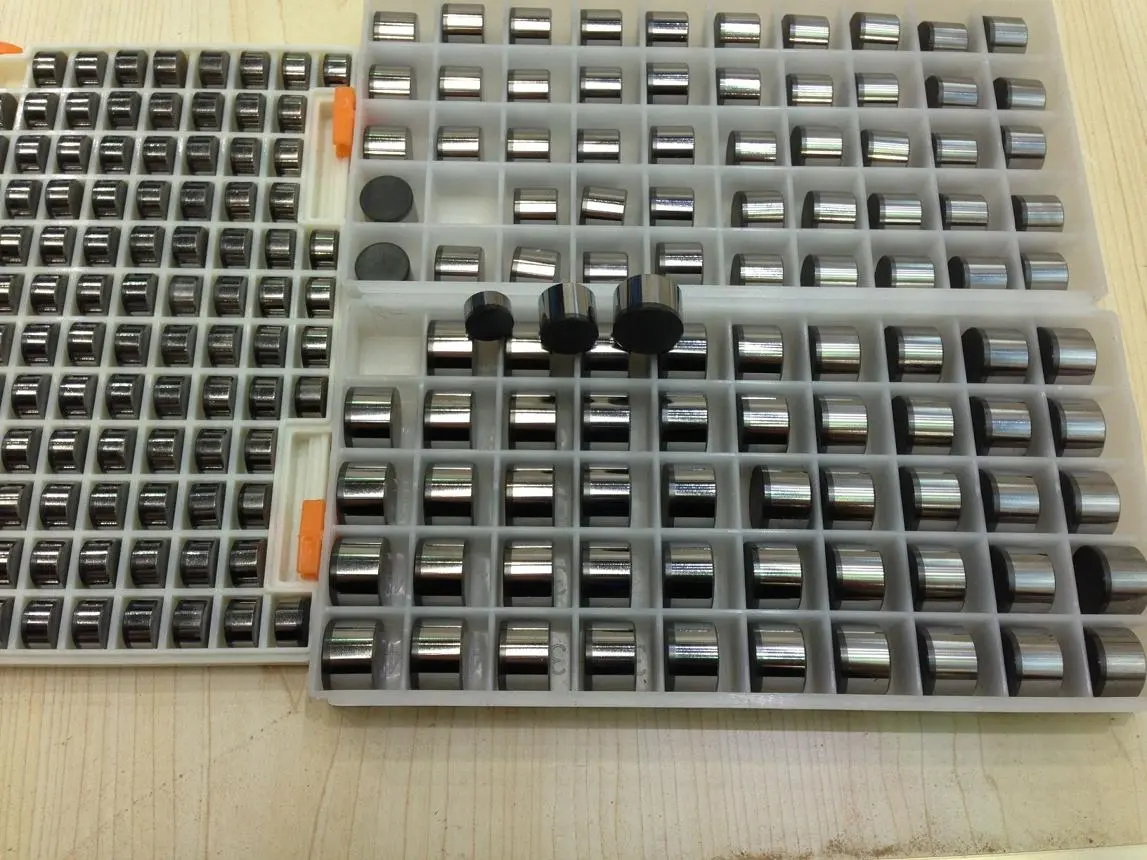
Stable Manufacturing Quality and PDC Cutter Technology
Product consistency is particularly important for drilling contractors purchasing cutting elements or complete drilling tools in repeated batches.
Hainaisen emphasizes stable product quality, controlled manufacturing processes, and strict quality inspection to help maintain consistency between supplied products.
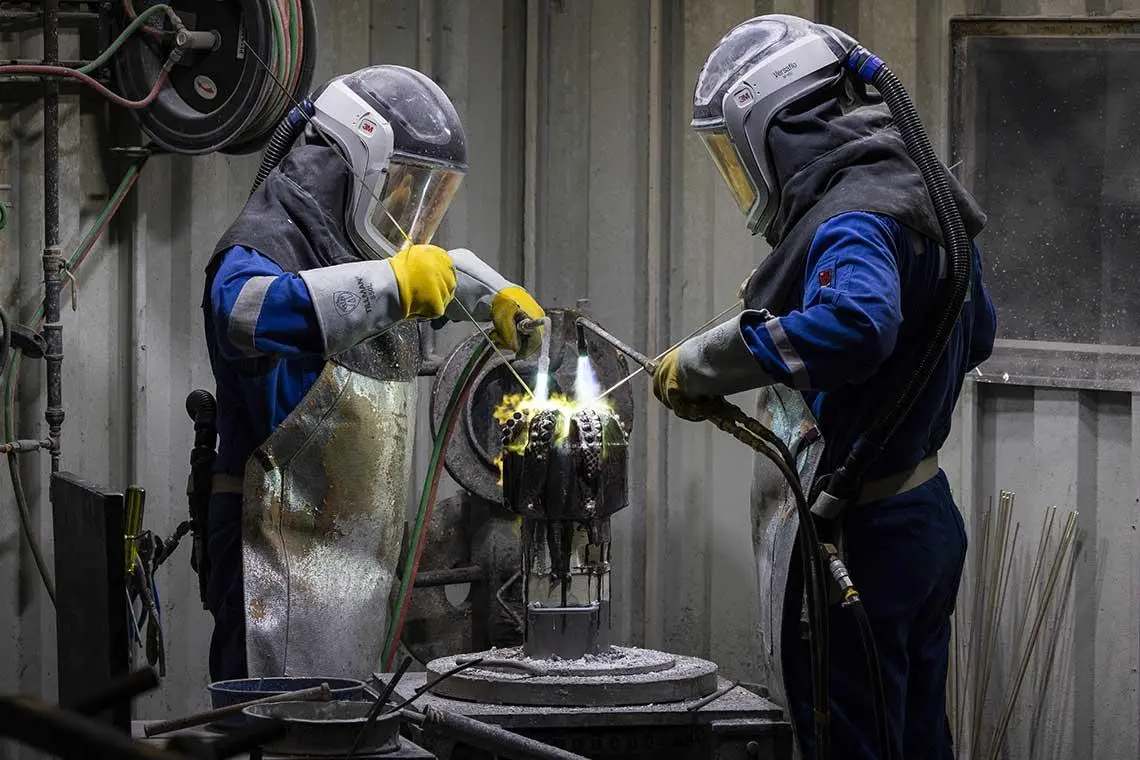
Its product capabilities cover different PDC cutter configurations and drilling applications, allowing customers to evaluate suitable options for demanding geological conditions.
Customized Design and Technical Communication
Standard products may not always meet the requirements of specialized mining projects. Different hole diameters, drilling equipment, geological conditions, and operating practices can require adjustments to the cutting structure.
Hainaisen supports customers with customized product recommendations, application-based technical communication, and professional assistance during product selection.
Its experience serving international customers also helps facilitate communication with overseas drilling contractors, distributors, and drilling tool manufacturers.
When requesting a quotation, customers are encouraged to provide the following information:
Target formation, such as granite, sandstone, or hard limestone.
Required bit diameter and product type.
Drilling application and equipment specifications.
Main operational challenges, including rapid wear, low ROP, or cutter damage.
Any available drawings or existing product specifications.
These details help the technical team evaluate the application and recommend a more appropriate configuration.
If your current drilling tools experience premature wear, unstable performance, or insufficient penetration in hard rock, contact Hainaisen to discuss your project requirements. The team can help assess suitable products and customized options based on your actual drilling conditions.
FAQ
1. What type of drill bit is best for granite formations?
The best choice depends on granite hardness, abrasiveness, fracture conditions, and drilling equipment. PDC bits with suitable impact-resistant cutters may work in appropriate applications, while specialized diamond or roller cone designs may be preferable under severe impact conditions.
2. Are PDC bits suitable for hard rock mining?
Yes, PDC bits can be used in selected hard rock applications. Their suitability depends on cutter technology, formation characteristics, bit stability, and operating parameters. Highly abrasive or fractured formations may require specialized cutter geometries and reinforced designs.
3. How can I extend drill bit life in abrasive formations?
Focus on three areas: select wear-resistant cutting elements, maintain effective hole cleaning, and avoid excessive WOB and RPM. Regularly monitor cutter wear, torque fluctuations, and penetration rate to identify developing problems.
4. Does increasing WOB always improve ROP?
No. Increasing WOB can initially improve cutter penetration, but excessive loading may cause accelerated wear, chipping, and drilling instability. The appropriate WOB should be established through controlled adjustments and performance monitoring.
5. Can drill bits be customized for different mining formations?
Yes. Customization may involve cutter geometry, cutter size, blade configuration, gauge protection, and hydraulic design. Providing formation information and equipment specifications helps manufacturers recommend an appropriate design.
6. What information should I provide when requesting a drill bit quotation?
Provide the required diameter, drilling application, target formation, equipment specifications, and any existing bit drawings or product details. Information about current drilling problems and expected performance requirements is also helpful.
About the Author
The Hainaisen Technical Editorial Team specializes in drilling tool applications, hard rock drilling, and diamond cutting technology. The team focuses on PDC cutter performance, bit design considerations, and the relationship between geological conditions and drilling efficiency, providing practical technical information for international mining contractors and drilling equipment purchasers.
References
1. SLB – PDC Cutters
https://www.slb.com/products-and-services/innovating-in-oil-and-gas/well-construction/drilling/drill-bits/pdc-cutters
2. Stantec – Hard Rock Miner's Handbook
https://www.stantec.com/en/markets/mining
3. International Association of Drilling Contractors (IADC)
https://iadc.org/
4. Epiroc – Quarrying and Surface Construction
https://www.epiroc.com/en-us/applications/construction/quarrying-and-surface-construction