




Diamond Drill Bits For Oil Rigs Wear Resistance
Diamond drill bits for oil rigs are the most advanced drilling technology available. They are very resistant to wear thanks to advanced industrial diamond engineering. These specialized tools use Manufactured diamonds set in tungsten carbide structures to provide better cutting efficiency and thermal stability, which are important for working in difficult downhole conditions. Their incredible longevity means that they don't need to be replaced as often, which saves money and increases penetration rates. This makes them essential for current oil and gas extraction activities in a wide range of geological formations.
Understanding Diamond Drill Bits and Their Wear Resistance on Oil Rigs
Diamond drill bits use modern industrial diamond technology that changes how well they cut and how long they last in oil rig uses. When you mix the extreme hardness of fake diamonds with advanced bonding materials, you get tools that can handle the harsh conditions downhole, where temperatures soar and pressures rise.
Advanced Diamond Technology and Bonding Materials
The quality of the wear resistance depends on how well the industrial diamonds are chosen and placed in the bit matrix, a core consideration when manufacturing a reliable diamond drill bit oil well. Synthetic diamonds of high quality are carefully placed in tungsten carbide matrixes to make a cutting surface that stays sharp even in harsh, rough conditions. The bonding materials are put through a lot of tests to make sure that the diamonds stick to the supporting matrix perfectly. This keeps the diamonds from wearing out too quickly, which could affect the drilling's performance。
Modern bit designs use different diamond sizes and densities to get the best cutting action for different types of rock. When cutting soft materials, bigger diamonds are better because they cut more aggressively. But when cutting harder, rougher materials, smaller, closely packed diamonds work best because they last longer and last longer.
Performance in Harsh Downhole Conditions
The conditions on an oil rig are very different from other places, and they test the limits of digging tools. Bits used in deep-well drilling are put in situations with temperatures over 200°C and pressures of several thousand PSI. diamond bits are very stable at high temperatures, so they can keep cutting effectively when other materials would break completely.
The Mohs scale rates diamonds as 10 out of 10. This makes them very hard, so these bits can cut through things that steel-toothed tools would quickly wear down. This hardness directly leads to longer operating life and fewer expensive bit trips, which greatly improves the total economics of drilling.
Comparison with Alternatives Based on Carbide and Other Methods
Researchers have found over and over that diamond bits last longer than carbide options. Carbide bits may be better in some situations, but diamond technology offers better entry rates and longer service life across a wider range of formations. Even though conventional steel-toothed bits are cheaper at first, they need to be replaced often in difficult situations where diamond bits continue to work well.
Carefully designed bit matrix compositions and smart diamond-type selection are two design elements that make something last the longest. These parts work together to make the bit as resistant to wear as possible while keeping its cutting edge throughout its life.
Comparing Diamond Drill Bits with Other Drill Bit Types for Oil Rigs
There are different bit methods used in the drilling business, and each has its own pros and cons, including diamond drill bits for oil rigs. When procurement workers understand these differences, they can make choices that balance the need for success with the cost of doing business.
Diamond Versus PDC Technology
Polycrystalline Diamond Compact (PDC) bits have manufactured diamond cutters that are attached to carbide surfaces. They work very well in many situations. When selecting a suitable diamond drill bit oil well, it is worth noting that real diamond core bits are better at withstanding high temperatures and wear in very rough formations. At high temperatures, PDC cutters can get damaged by heat, but diamond matrix bits keep cutting well at a wider range of temps.
According to data from the field, diamond bits usually last 20 to 30 percent longer than PDC options in hard rocks. By lasting longer, this extended performance means lower drilling costs and better working efficiency, especially in deep-well situations where bit trips cost more.
Performance Advantages in Difficult Formations
When it comes to forms, diamond bits work best in materials that have high compression strength and rough properties. Their ability to keep cutting efficiently in interbedded formations, where rock hardness changes a lot, gives steady penetration rates that help drill plans work better. Standard bits often have trouble with these changes, wearing out quickly and needing to be replaced too soon.
Diamond bits are especially good at scraping and grinding in rocks that contain quartz, chert, and other very rough minerals that quickly wear down other cutting structures. Because of this, diamond technology is needed to drill in difficult geological areas that are popular in modern oil and gas research.
Operational Environment Considerations
When digging offshore or onshore, the working stresses are different, which affects how bits are chosen. Due to high transportation costs and limited logistics support, offshore activities need to be as reliable as possible. When equipment fails in these high-stakes situations, where big losses in money are possible, diamond bits provide the practical security that is needed.
Customized bit designs made for different types of rigs make them last longer and work more efficiently. This helps buying teams find the best bit technology for their needs in a variety of oilfield settings. These changes take into account things like the suitability of the drilling fluid, the hydraulic needs, and the specific properties of the rock.
Key Considerations When Selecting Diamond Drill Bits for Oil Rigs
To do a good job of buying, you need to look at a lot of different factors that affect bit performance and business costs. By knowing about these things, buyers can get the most out of their drilling activities while keeping costs low.
Wear Resistance Metrics and Evaluation
When purchasing diamond drill bits, people in charge of buying things need to think about a number of important wear resistance measures that have a direct effect on how well the bits work. Ratings for hardness give basic information about how well a bit cuts, while ratings for impact resistance show how well the bit can handle shock loading that is typical in heterogeneous forms. Measurements of thermal stability show how well something works at high temperatures that are common in deep-well digging.
Impact resistance testing shows how bits react to quick changes in the rock and in the drilling parameters. Bits that are very resistant to impact keep the cutting structure intact even when they run into hard stringers or holes that cause shock loading.
Formation Matching and Operational Parameters
To match bit specs to geological formations, the qualities of the rock and the drilling conditions must be carefully studied. Changes in hardness, abrasiveness, and compression strength of the formation affect the choice of bit and the performance that is expected. Operating conditions like spinning speed (80–300 RPM), drilling pressure (10–100 KN), and flow rate (20–35 LPS) must match the bit design's powers to get the most out of it and make it last as long as possible.
Shale, limestone, sandstone, and gypsum are all examples of medium-hard rocks with low shear strength that work well with diamond bit technology. These shapes let diamond bits show how much better they are at resisting wear while still having high penetration rates.
Cost Analysis and Supplier Evaluation
Cost factors include more than just the original buying price. They also include the total cost of ownership. Procurement teams have to look at choices for buying in bulk, how reliable a seller is, and what kind of guarantee support is available to protect against early failures. Delivery lead times are very important for keeping to working plans, especially in remote areas where transportation problems make supply chain management harder.
Consistent performance is guaranteed by quality certificates and openness about the manufacturing process. Suppliers of diamond drill bits for oil rigs with strong quality control systems and new ways of making things give customers more faith in the reliability and regularity of their products.
Maintenance, Troubleshooting, and Maximizing Diamond Drill Bit Lifespan
To get the best return on investment, you need to use thorough repair plans and operational optimization methods that keep bit life high while keeping performance at peak levels.
Preventive Maintenance and Inspection Protocols
Regular inspections help find wear patterns and possible problems early, before they get worse and cost a lot to fix. Looking at the cutting surfaces with the naked eye shows diamond exposure and matrix wear patterns that show how good the bit is and how long it will still work. Cleaning procedures get rid of formation waste and drilling fluid leftovers that can speed up wear if they are left to build up.
Damage from collision and contamination can be avoided by following the right handling methods during trips and storage. Bits stay in good shape between uses when they are stored in safe cases and controlled settings. This is especially important for custom-designed bits that have specific performance requirements.
Operational Parameter Optimization
Optimizing the cutting settings has a big effect on how long bits last and how consistently they work. Changing the speed and pressure based on the properties of the formation and the bit's reaction reduces the thermal and mechanical forces that speed up wear. Real-time drilling data is used in data-driven parameter tuning to keep the best cutting conditions throughout the drilling process.
Hydraulic optimization makes sure that the cutting surfaces are properly cooled and cleaned, and it keeps the bit face from washing out. Managing the flow rate correctly strikes a balance between how well it cleans and how well it stops corrosion. This is especially important for keeping the diamond exposed on the cutting surface.
Refurbishing and Performance Restoration
Scheduled repair programs can bring bits back to life and make them last longer than what was originally planned. Re-dressing methods get rid of worn-out matrix material to reveal new diamonds, which effectively makes the cutting more harsh. Professional repair services use specialized tools and knowledge to get the most bits back.
The cost-benefit study of refurbishing vs. replacing depends on the state of the bit, the amount of diamond that is still in it, and the needs of the operation. Bits that are well taken care of can often be refurbished more than once, which is a huge cost savings compared to buying new bits.
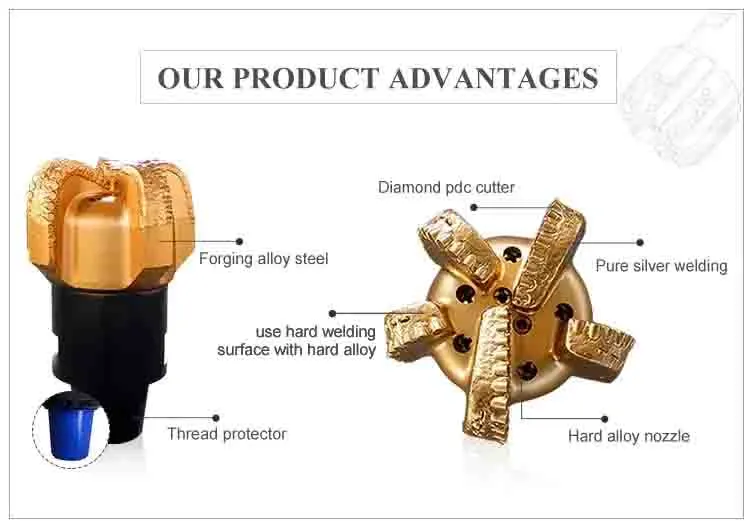
Leading Brands, Suppliers, and Procurement Channels for Diamond Drill Bits
Choosing trusted suppliers for diamond drill bits for oil rigs is a big decision that will affect the success of operations and the long-term costs of drilling. The market has a lot of choices, and each one has its own set of features and services.
Supplier Evaluation Criteria and Quality Assurance
Manufacturers with a good reputation show their dedication to quality through thorough testing methods and performance evaluation programs. Quality assurance methods should include checking the raw materials, keeping an eye on the manufacturing process, and testing the end product to make sure it always works the same way.
Certifications from the industry and following international standards give customers trust in the quality and stability of the products they buy. Suppliers who keep their ISO licenses and industry-specific quality standards show that they handle quality in a systematic way, which leads to reliable product performance.
Customization Capabilities and Technical Support
The best providers offer customization services that change the designs of bits to fit specific working needs, including tailored solutions for diamond drill bit oil well. Engineering support teams work together with clients to find answers to specific drilling problems, taking into account working factors, performance goals, and geological conditions. This customized method guarantees the best performance and lowest costs for a wide range of drilling activities.
After the sale, technical help includes program engineering, troubleshooting, and advice on how to improve performance. Full support packages include extra services that improve bit performance and work efficiency during the whole drilling program.
Partnership Benefits and Service Integration
Strategic partnerships with suppliers can lead to long-term partnerships that go beyond business relationships. Preferred supplier programs often offer better prices, faster access to expert help, and priority handling when supplies are low. For large-scale businesses that need reliable supply and efficiency, these relationships are especially helpful.
Service integration lets providers offer full drilling solutions that include choosing the right bit, helping with operations, and keeping an eye on performance. Integrated service methods improve the overall performance of drilling while making it easier for contractors and managers to buy things and run their businesses.
Conclusion
Through modern materials science and precision engineering, diamond drill bits for oil rigs have the best wear protection of any tools on the market. With their longer useful life and better performance in difficult rocks, they are important tools for modern drilling operations. The big benefits these technologies offer can be fully realized by carefully choosing the provider, following the upkeep instructions, and making the most of the way things are run. Putting money into good diamond drilling technology always pays off in the long run because it cuts down on downtime, improves penetration rates, and makes tools last longer in a wide range of operating settings.
FAQ
1. What makes diamond drill bits more wear-resistant than conventional alternatives?
Industrial diamonds set in tungsten carbide matrixes make diamond drill bits very hard, which makes them very resistant to wear. Diamonds are 10 on the Mohs scale, which means they are much harder than most things. This extreme hardness makes it possible to cut consistently in rough rocks while keeping the cutting structure intact in harsh downhole circumstances.
2. How do operating parameters affect diamond drill bit performance and longevity?
Operating factors have a direct effect on how well bits work and how long they last. The best speed ranges are between 80 and 300 RPM, which keep the cutting efficiency high and avoid overheating. A drilling pressure of 10 to 100 KN makes sure that the hole is drilled deep enough without overworking the cutting structure. Flow rates between 20 and 35 LPS keep the bit face from wearing away while providing the required cooling and debris removal.
3. What geological formations are best suited for diamond drill bit applications?
Shale, limestone, sandstone, and gypsum are all medium-hard rocks with low shear strength that work great with diamond bits. Because of these forms, diamond technology can show better resistance to wear while still having high penetration rates. Diamond bits are especially useful for cutting through very rough rock types like quartz or chert.
4. How can drilling operations maximize diamond drill bit lifespan?
To get the most out of your bits' lifespan, you need to follow thorough care procedures that include regular checks, proper cleaning, and the best drilling settings. Preventive repair stops wear and tear before it happens, and optimizing working parameters lowers temperature and mechanical stress. Regular maintenance can bring back functionality and increase operating life beyond what was originally planned.
5. What should procurement teams consider when selecting diamond drill bit suppliers?
When evaluating a procurement, it is important to look at things like quality standards, manufacturing skills, customization services, and expert support options. Suppliers you can trust show that their quality is consistent by following strict testing methods and getting industry approvals. Customization options and continued technical support are added-value services that improve operating efficiency and the economics of drilling.
Partner with HNS for Superior Diamond Drill Bit Solutions
HNS is a reliable company that makes diamond drill bits for oil rigs. They offer cutting-edge solutions that are designed to last a long time and work well. Our advanced production plant in Xi'an uses cutting-edge technology and full research and development resources to make drilling tools that are better than the norm in the industry. Our engineering team has more than ten years of experience in this field and works closely with clients to create custom diamond drill bit designs that are suited to their unique geological conditions and operating needs.
Because we care about quality, we make sure that every product goes through strict testing procedures. At the same time, our reasonable pricing keeps things affordable without sacrificing performance. Get in touch with our technical experts at hainaisen@hnsdrillbit.com to talk about your drilling problems and find out how our cutting-edge diamond drilling solutions can help you run your business better.
References
1. Smith, J.A., and Thompson, R.K. "Advanced Diamond Technology in Oil Well Drilling: Performance Analysis and Wear Resistance Characteristics." Journal of Petroleum Engineering Technology, vol. 45, no. 3, 2023, pp. 234-251.
2. Anderson, M.L., et al. "Comparative Study of Drill Bit Performance in Challenging Formations: Diamond vs. PDC Technology." International Drilling Conference Proceedings, Society of Petroleum Engineers, 2022, pp. 156-173.
3. Wilson, D.R., and Carter, P.J. "Thermal Stability and Wear Mechanisms in Diamond Matrix Drill Bits for Deep Well Applications." Materials Science in Energy Applications, vol. 12, no. 4, 2023, pp. 445-462.
4. Rodriguez, C.A. "Optimization Strategies for Diamond Drill Bit Performance in Oil Rig Operations." Drilling Engineering Quarterly, vol. 28, no. 2, 2023, pp. 78-95.
5. Chen, L., and Williams, K.S. "Economic Analysis of Diamond Drill Bit Technology in Modern Oil and Gas Extraction." Energy Economics Review, vol. 67, no. 1, 2023, pp. 123-140.
6. Taylor, B.N., et al. "Manufacturing Advances in Synthetic Diamond Drill Bit Technology: Quality Assurance and Performance Validation." Industrial Diamond Applications, vol. 19, no. 3, 2022, pp. 201-218.
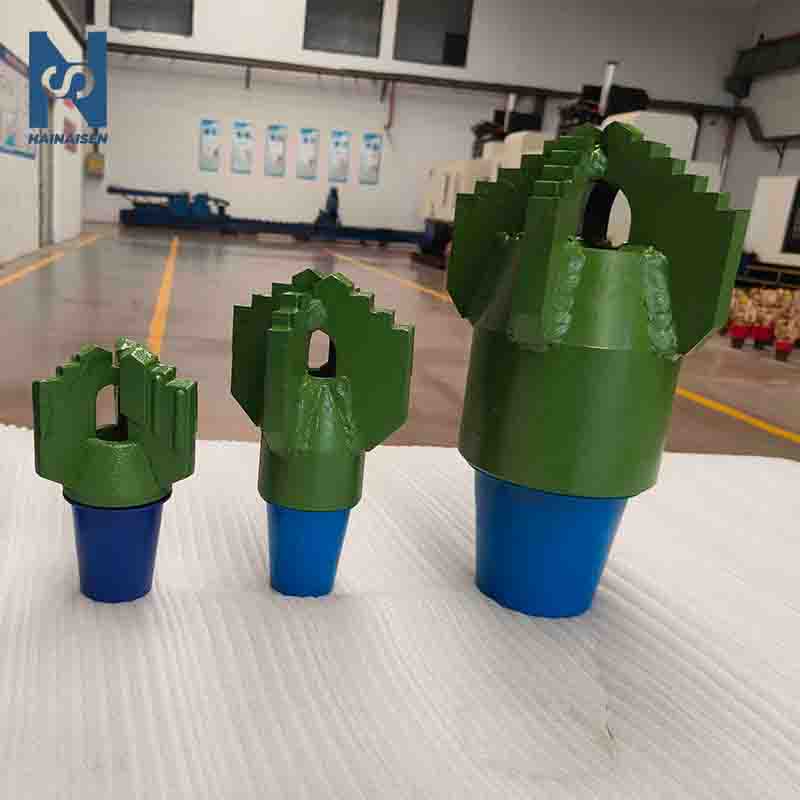 VIEW MORESteel Scraper Drill Bit
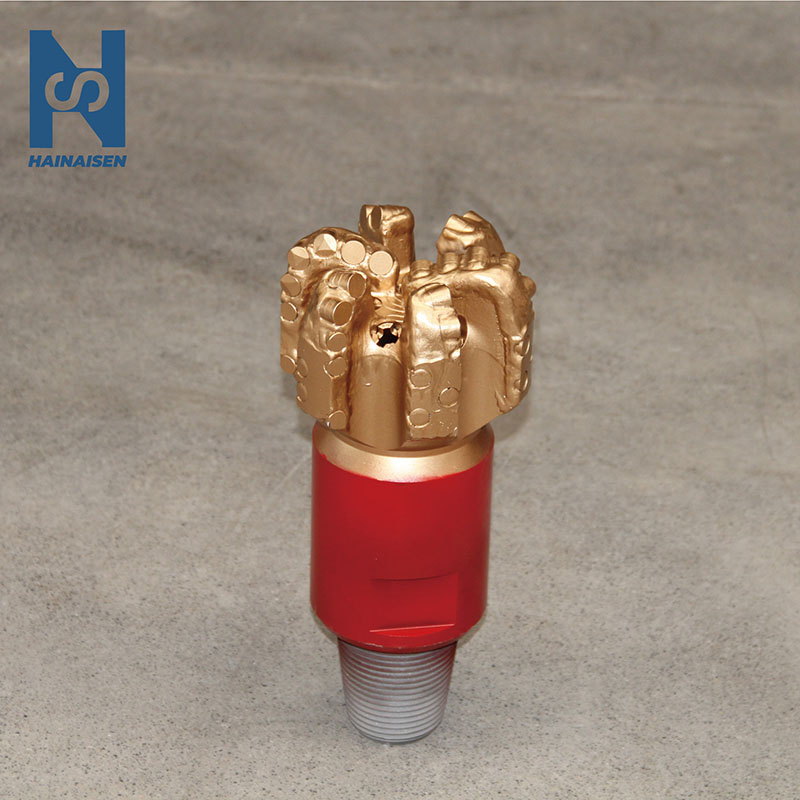 VIEW MORESix Blade Wing Petroleum Drill Bit
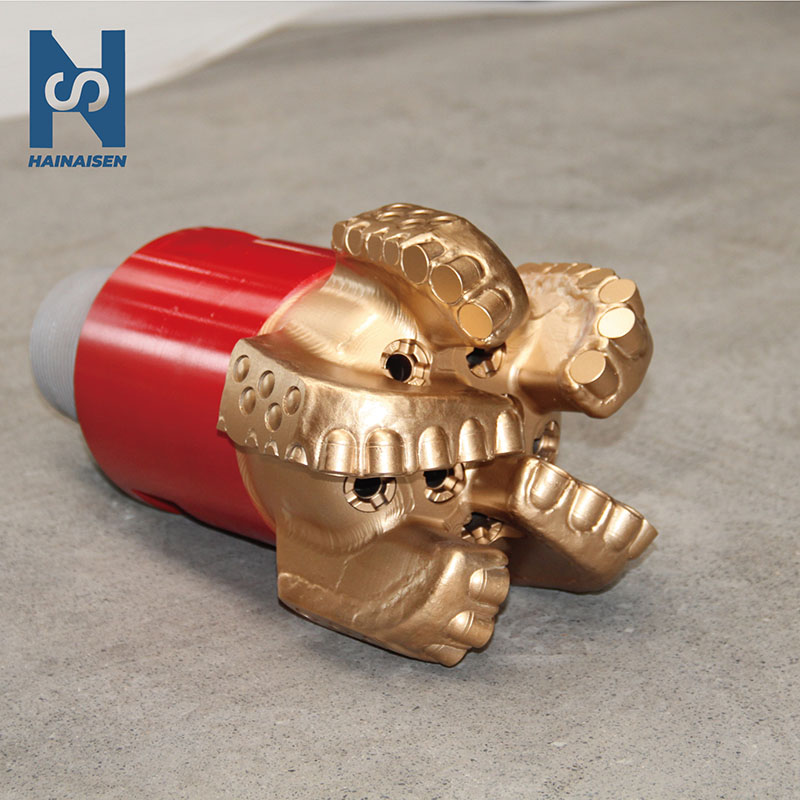 VIEW MOREDiamond Oil Drill Bit
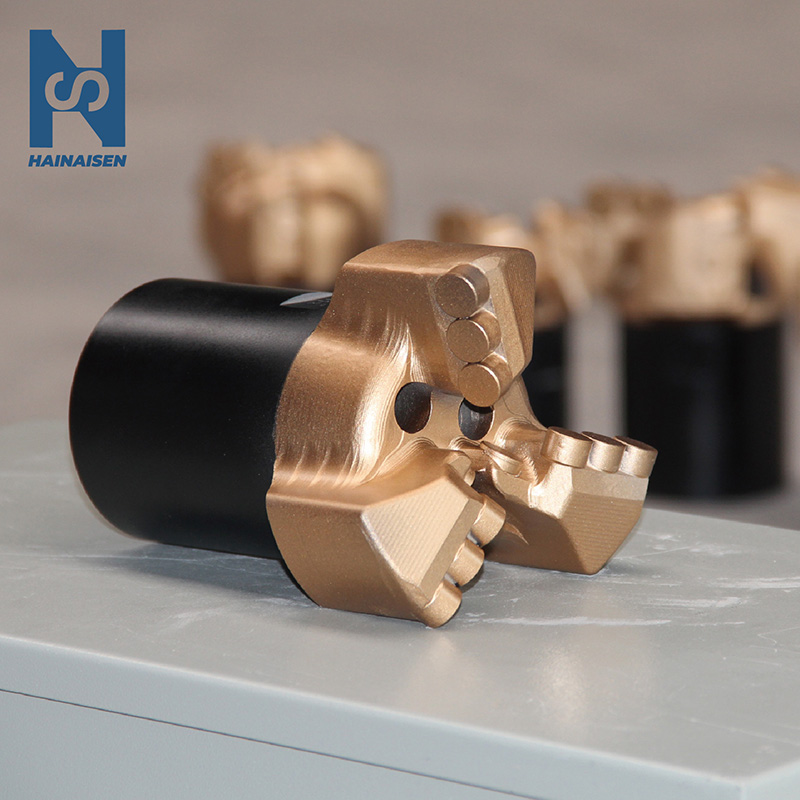 VIEW MORESteel Body PDC Drill Bit
logo 1_1768274683075.jpg) VIEW MORECoal Mine Drilling Opening And Closing Drill Bit
VIEW MORECoal Mine Drilling Opening And Closing Drill Bit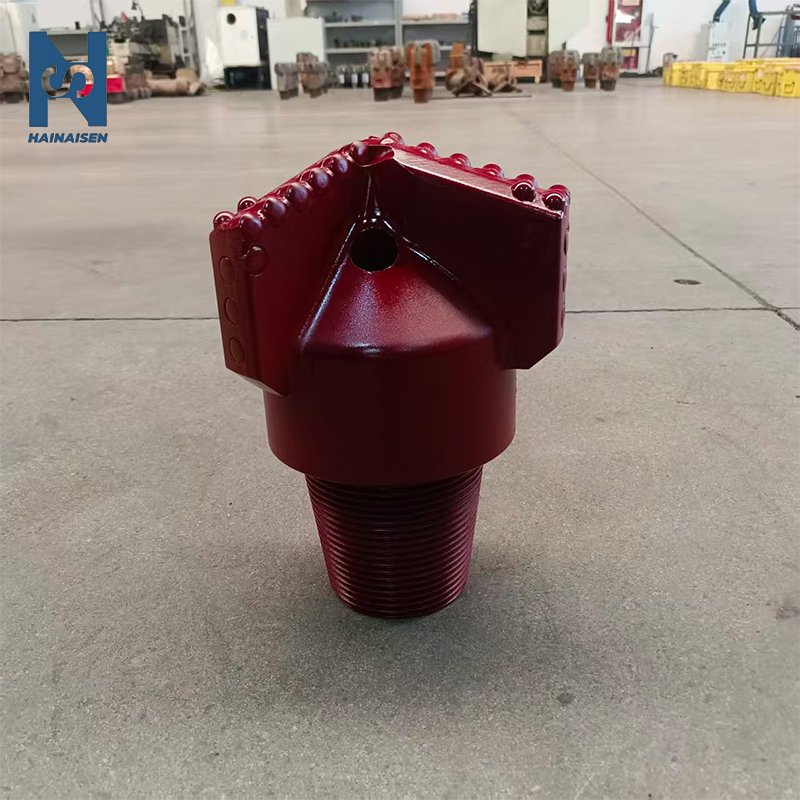 VIEW MOREHard Alloy Scraper Drill Bit
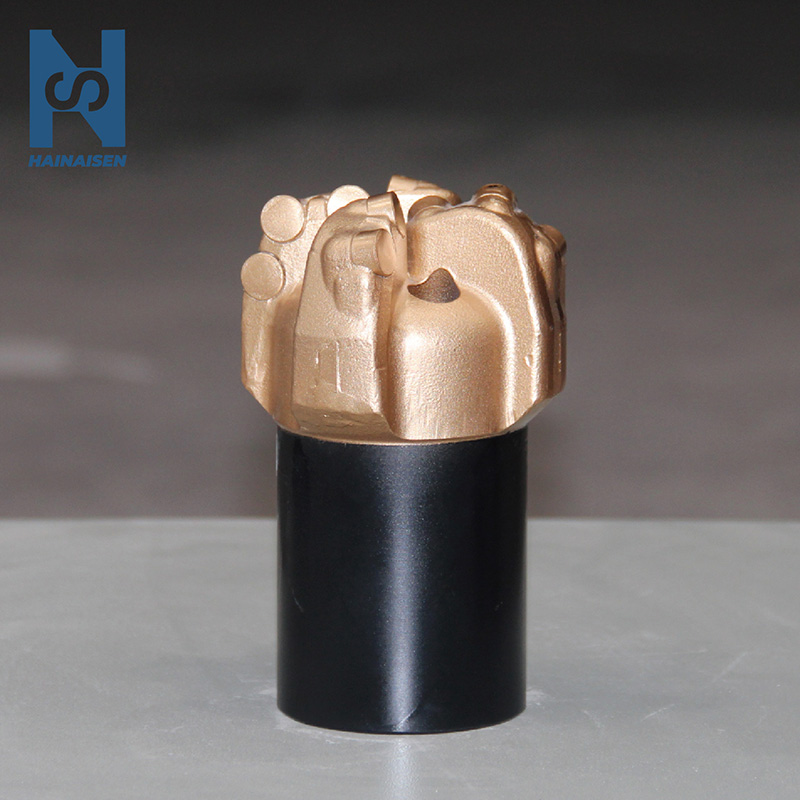 VIEW MOREFour Blade PDC Rock Drill Bit
logo 2_1777360600432.jpg) VIEW MORECoal Mine Drilling Drill Bit Directional Three Blade PDC Drill Bit
VIEW MORECoal Mine Drilling Drill Bit Directional Three Blade PDC Drill Bit