







How Directional Three Blade PDC Drill Bit Improves Steering
Directional three-blade PDC drill bit technology changes the way turning works by improving blade shape that spreads cutting forces evenly across three well-placed cutting surfaces. The three-blade design properly spreads weight and provides better direction control, which lets operators move more accurately through complex wellbores. The advanced polycrystalline diamond compact blades and the sleek design work together to reduce friction and improve weight transfer. This makes the machine very easy to steer and better at drilling than traditional methods.
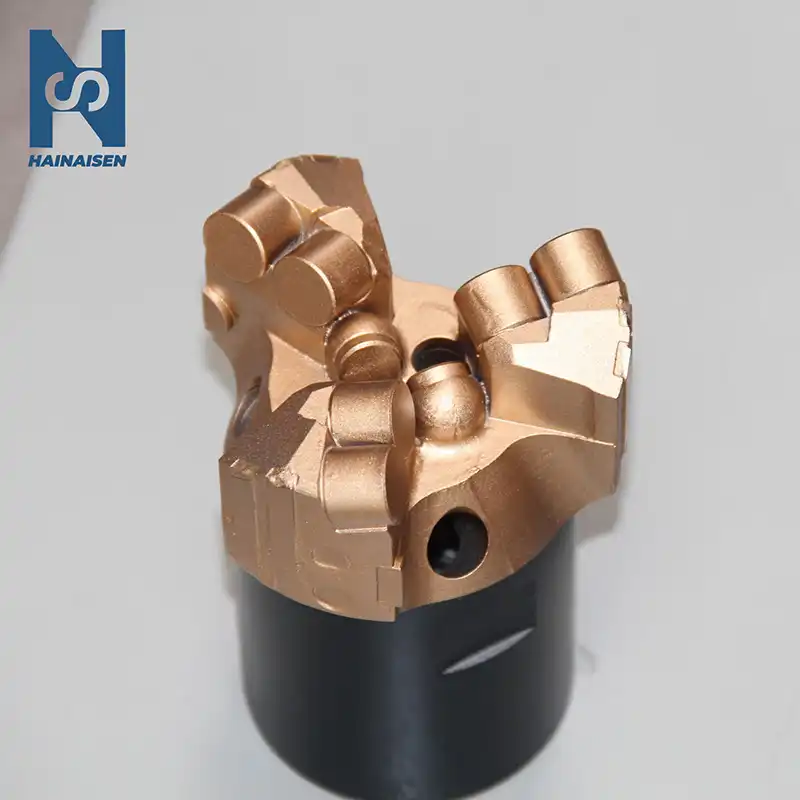
Understanding Directional Three-Blade PDC Drill Bits
Precision, speed, and dependability are important in modern drilling, especially when working in complex subsurface rocks. Differential directional drilling (PDC) drill bits with three blades are a big step forward in technology and offer special benefits over older designs.
Specialized Design Engineering for Enhanced Control
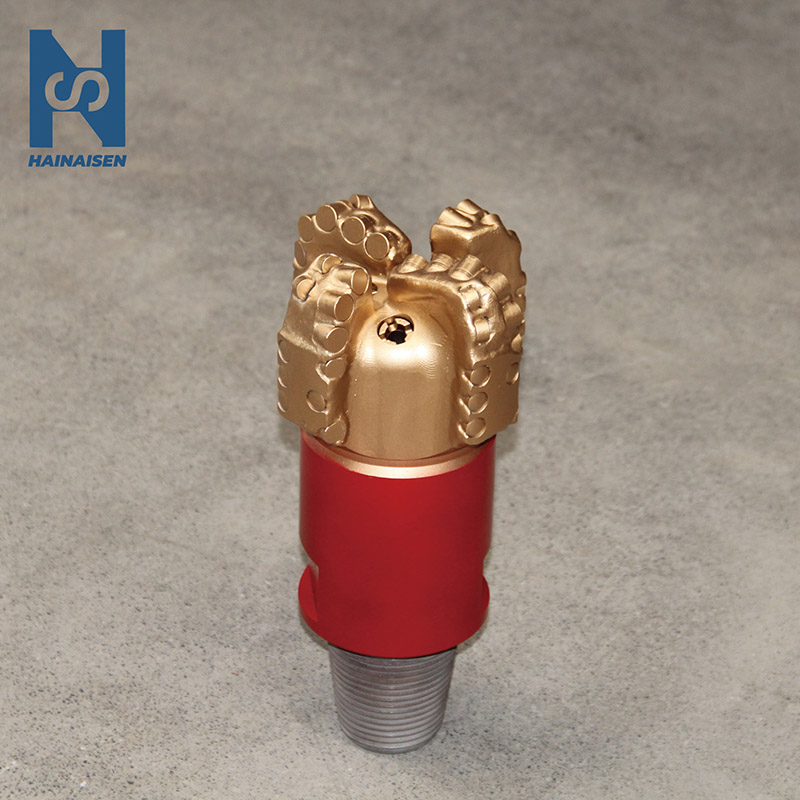
Directional three-blade PDC drill bits have blades placed at 120-degree intervals by engineers, which makes them perfectly balanced and stable while cutting. This smart arrangement spreads the weight more evenly across the cutting face, which lowers shaking and improves control of the path. The unique shape includes advanced hydraulic flow patterns that effectively remove cuttings while keeping steady touch with the rock.
Premium-grade polycrystalline diamond compact cutters are placed on high-strength steel bodies, which makes the design very durable even in tough downhole circumstances. Each blade has specific rake angles and cutter placements that are meant to make cutting more efficient while still allowing it to respond quickly to changes in direction.
Unique Geometry and Material Advantages
The three-blade design makes bigger gaps between the cutting surfaces than multi-blade designs, which makes it easier for debris to flow away and lowers the risk of clogging. This design keeps cuttings from building up, which can slow things down and cause them to wear out faster than they should. The improved shape makes it possible to precisely move through different rock formations while keeping the structure's stability under high torque loads.
Premium materials, like tungsten carbide parts and strong steel bodies, make sure that they last a long time and work consistently. These choices of materials offer superior resistance to wear, greatly increasing working life and lowering the number of times that new tools are needed compared to standard drilling tools.
Key Advantages of Directional Three-Blade PDC Drill Bits in Steering Operations
The three-blade PDC technology, specifically the Directional Three Blade PDC Drill Bit, has practical benefits that go beyond basic drilling. It makes steering more accurate and increases total drilling efficiency. When procurement teams know about these benefits, they can use performance data and practical needs to make smart choices.
Superior Drilling Efficiency and Penetration Rates
Three-blade PDC Bits have very high penetration rates because they have an improved cutting action that makes rock removal more efficient. The balanced blade design makes sure that the cutting area has the same amount of touch pressure, which lets you drill faster without losing accuracy in the direction you're going. This higher level of speed means less time spent on operations and lower total project costs.
The advanced cutting structure wastes less energy and removes more rock, which leads to a faster rate of entry across a wider range of formation types. This efficiency is especially helpful in operations that need to be done quickly, since the speed of the cutting has a direct effect on the project's costs.
Enhanced Steering Precision and Directional Control
The main benefit of three-blade PDC technology is that it allows for precise handling. The improved shape cuts down on friction between the bit and the rock, which makes it easier to change directions while keeping the wellbore stable. This speed lets workers follow planned paths more accurately, which means they don't have to do as much corrective drilling.
The even cutting forces keep the bit from moving too much and make it better at responding to turning signals from systems that do directional drilling. When there are complicated wellbore shapes and tough formation conditions, this mix of steadiness and responsiveness is very important.
Extended Operational Life and Cost Effectiveness
Three-blade PDC bits have very high wear resistance, which makes their operating life much longer than other types. The improved cutting shape spreads out the stress on each cutter, which leads to even wear patterns that make bits last longer. This reliability means fewer bit trips and less time spent doing nothing.
The longer operational life and better speed offer strong cost advantages, especially for tasks that need to run multiple bits. Bit replacements happen less often, which has a direct effect on working efficiency and the total cost of the project.
Practical Insights: Maintaining and Troubleshooting Directional Three-Blade PDC Drill Bits
Effective maintenance protocols ensure optimal performance and maximize the operational life of directional three-blade PDC bits. Drilling operations can avoid costly downtime and performance loss by learning about common problems and taking steps to stop them.
Common Performance Issues and Solutions
One of the most common problems with PDC bits is that the blades wear unevenly. This is usually because the operating settings are wrong or there are problems with the formation compatibility. Keeping an eye on the bit's weight, its speed, and the hydraulic factors can help you find problems before they do a lot of damage. By looking at cutting surfaces on a regular basis, you can see wear patterns that show what changes need to be made to get the best performance.
Bit failure can be caused by many things, such as too much power, not enough cooling, or the wrong shape matching. Using the right drilling settings and monitoring tools can stop a lot of typical failure modes and make bits last longer. Protecting equipment investments means knowing how the formation works and changing operations tactics to match.
Preventive Maintenance Protocols
Strict cleaning steps get rid of formation waste and keep cutters from getting damaged while they are being stored or moved. Comprehensive checking processes find problems before they happen, so the system works at its best right from the start. As part of these checks, cutting surfaces, hydraulic passageways, and structural parts should be carefully looked at.
When stored properly, PDC cutters are protected from damage from the environment, and the cutting edge stays in good shape. Controlling the temperature and keeping wetness out stops thermal stress and corrosion, which can hurt efficiency. Regular repair records keep track of how bits are working and find ways to make future processes more efficient.
Real-World Performance Case Studies
Field experience has shown that following the right repair procedures can extend the life of a bit and make it work better when cutting. Operations that use thorough repair plans say that bit life and steering precision have gotten a lot better. These changes have led to measurable cost savings and better business efficiency.
Performance data from different drilling settings shows that Directional Three Blade PDC Drill Bit technology works well when it is used and kept correctly. When it comes to repair, operators who follow recommended practices get better results than those who use traditional methods. This proof backs up spending money on good maintenance plans and the right way to run a business.
Selecting and Procuring the Right Directional Three-Blade PDC Drill Bit for Your Projects
Successful procurement requires careful evaluation of project requirements, formation characteristics, and operational objectives. By knowing about these factors, you can make smart choices about which ones to use that will improve drilling performance and cut costs.
Project-Specific Selection Criteria
Assessing the hardness of the rock helps with bit selection by revealing the best cutter types and blade designs for different rock forms. Bit design decisions are affected by drilling goals such as wellbore trajectory, target depth, and finishing requirements. The expected power loads and fluid conditions decide what materials and structures are needed.
Formation compatibility analysis stops bit wear and efficiency loss before they happen. Knowing about abrasive properties, changes in hardness, and how drilling fluids interact with each other makes sure that the right bit is chosen for the natural circumstances. This research lowers practical risks and improves the efficiency of drilling.
Brand Reputation and Quality Standards
Product quality, technical help, and long-term dependability are all shown by a company's image. Customers can trust that products made by well-known companies with good track records will work and come with good customer service after the sale. Quality certificates and following industry standards make sure that the product is reliable and safe to use.
Having technical support options like engineering help, training programs, and fixing advice is very helpful when making choices about what to buy. When Manufacturers offer full support services, operations run more smoothly, and problems are fixed more quickly when they happen.
B2B Procurement Best Practices
Bulk buying can save you money and make sure you have enough product for longer operations. Long-term worth is best achieved by negotiating based on the total cost of ownership rather than the original purchase price. Support after the sale, such as expert help, training, and warranty coverage, keeps operational expenses safe.
Supply chain dependability makes sure that products are always available and deliveries happen on time. Building ties with dependable providers lowers the risks of buying things and makes it easier to plan for future operations. These connections also make it easier to get new technologies and better performance as they come out.
Leveraging Directional Three-Blade PDC Drill Bits for Optimal Drilling Results: Expert Recommendations
Maximizing the benefits of three-blade PDC technology, particularly with the Directional Three Blade PDC Drill Bit, requires integration with advanced drilling workflows and operational best practices. Strategies for deployment that get the best results and return on investment are based on what experts say.
Advanced Drilling Workflow Integration
A holistic method to alignment makes sure that the choice of bits fits with the rig's powers and operational goals. Real-time monitoring tools give you the information you need to track performance and improve parameters. When steering and wellbore quality are combined with directional drilling methods, they work better.
When makers, drilling experts, and project managers work together, they can share their knowledge and experience to make bits work better. This teamwork makes it possible to customize and improve performance based on the needs of individual operations. Regular contact makes sure that things keep getting better and that problems are solved.
Emerging Technology Innovations
Cutting structures that are better made and use new materials and design elements should work better and last longer. Hybrid composite technologies take the best parts of different materials and combine them to make certain performance qualities better. These new ideas show where PDC bit technology is going in the future and give early users a competitive edge.
New discoveries in material science keep making cutters last longer and work better. Performance is getting better because researchers are looking into new ways to make diamonds and new materials for the base. Keeping up with these changes lets you make plans for how you will use technology in the future.
Future-Proofing Operational Strategies
Monitoring the progress of technology makes sure that people are aware of new developments that can make operations run more smoothly. Using new tools in strategic planning can give you a competitive edge and help your business run better. Investing in training and skill development gets businesses ready for how technology will change in the future.
To be competitive, you need to know about changes in technology and business trends. Companies that accept new technologies early often have big benefits over their competitors. When you work with makers who are always coming up with new ideas, you can get access to cutting-edge solutions and form partnerships for growth.
Conclusion
Directional three-blade PDC drill bit technology makes turning more accurate, cutting more efficient, and lowering the cost of operations. The improved three-blade design gives you better control over the direction of the flow while also making the tool last longer and work better in a wider range of formations. These benefits mean less time spent on operations, lower prices for replacements, and better wellbore quality. When you invest in good three-blade PDC technology and follow the right maintenance procedures and best operating practices, you can gain a lot of competitive benefits and make the project more cost-effective. Companies that want to get the most out of their drilling operations should look into how this cutting-edge technology can help.
FAQ
1. What makes three-blade PDC bits superior for directional drilling?
Three-blade PDC bits give you better control over the direction of the cut because they distribute weight more evenly and cause less friction. The 120-degree angle between the blades creates controlled cutting forces that make the steering more sensitive while keeping the wellbore stable.
2. How do I select the appropriate bit for my specific formation?
To make a choice, you have to look at the formation's roughness, its gritty properties, and your drilling goals. When picking out bit specs and cutting setups, you should think about the rock's compressive strength, the torque loads you expect, and the hydraulic needs.
3. What maintenance procedures extend bit operational life?
Set up strict cleaning procedures, thorough checks before release, and the right way to store things. Always keep an eye on the operational factors and change the way you drill based on the features of the formation and the performance data.
4. Can these bits be customized for specific project requirements?
Yes, skilled makers do offer customization services such as improving blade profiles, choosing the right cutters, and changing the hydraulic design. For better performance, custom solutions are made to fit the physical conditions and operating needs of each project.
5. What cost advantages do three-blade PDC bits provide?
Cost savings are big when operating life is extended, replacements are made less often, and drilling efficiency is improved. Better operating economics, higher penetration rates, and less time spent on non-productive tasks all balance out the costs of the original investment.
Partner with HNS for Superior Drilling Solutions
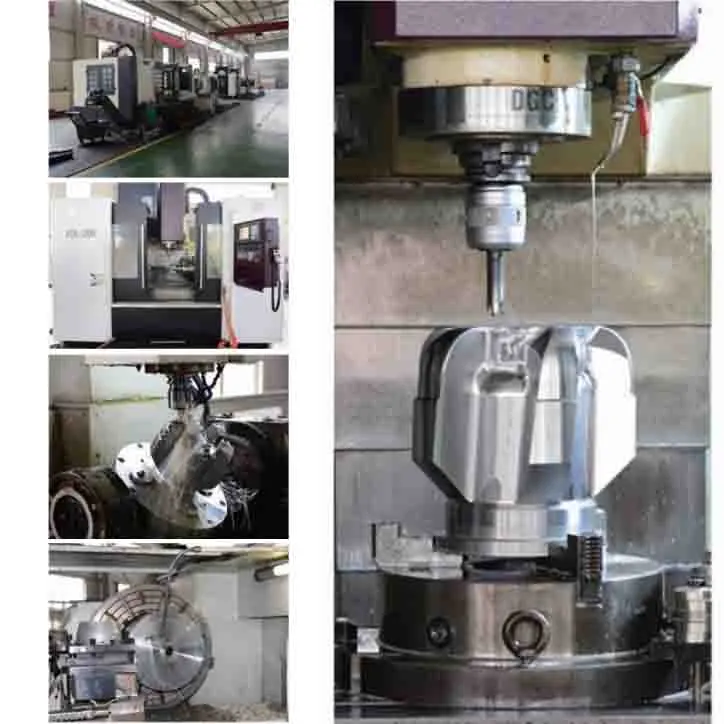
As a reliable maker of Directional Three Blade PDC Drill Bits, HNS gives you top-notch quality and performance for tough drilling jobs. Our modern production plant has cutting-edge CNC machining centers and strict quality control procedures that make sure the products we make are very reliable. We offer unique solutions that are made to fit your specific geological conditions and operating needs thanks to our more than ten years of experience with PDC technology. Email our engineering team at hainaisen@hnsdrillbit.com to talk about your drilling problems and find out how our high-quality directional drilling solutions can help you run your business more efficiently.
References
1. Smith, J.A., "Advanced PDC Bit Design for Directional Drilling Applications," Journal of Petroleum Technology, Vol. 65, No. 8, 2023.
2. Johnson, M.R., "Three-Blade vs Multi-Blade PDC Bit Performance Analysis," Drilling Engineering International, Issue 142, 2023.
3. Chen, L., "Optimizing Cutting Structure Geometry for Enhanced Steering Control," International Association of Drilling Contractors Technical Publication, 2024.
4. Williams, K.D., "Polycrystalline Diamond Compact Technology Advances in Directional Drilling," SPE Technical Conference Proceedings, Paper 198456, 2023.
5. Rodriguez, P.E., "Cost-Benefit Analysis of Premium PDC Bits in Extended Reach Drilling," World Oil Magazine, March 2024.
6. Thompson, S.L., "Maintenance Best Practices for PDC Drill Bits in Challenging Formations," Drilling Contractor Magazine, Vol. 79, No. 4, 2024.
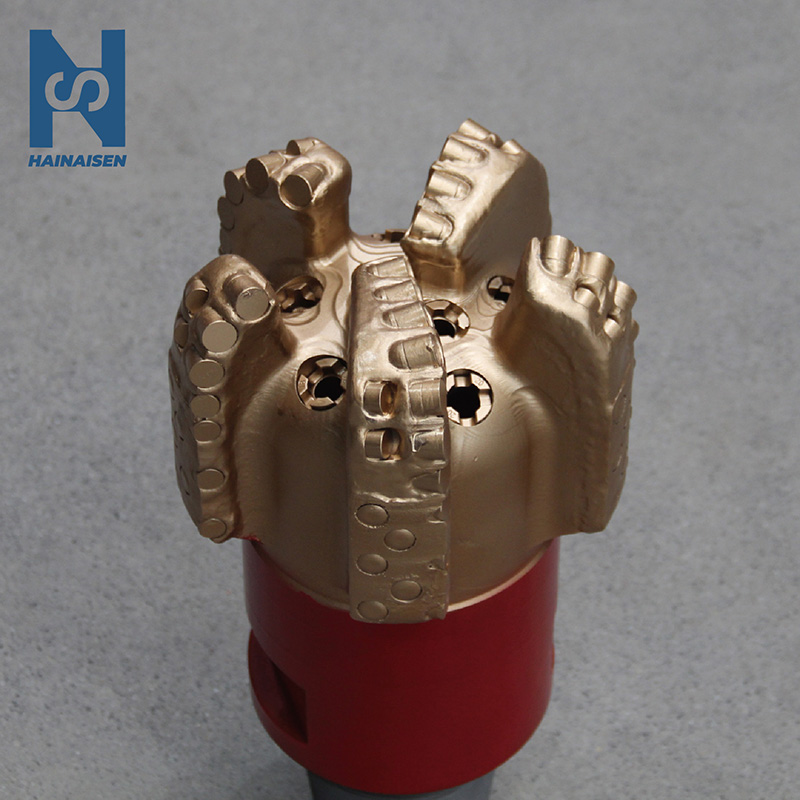 VIEW MOREOil Diamond Drill Bit
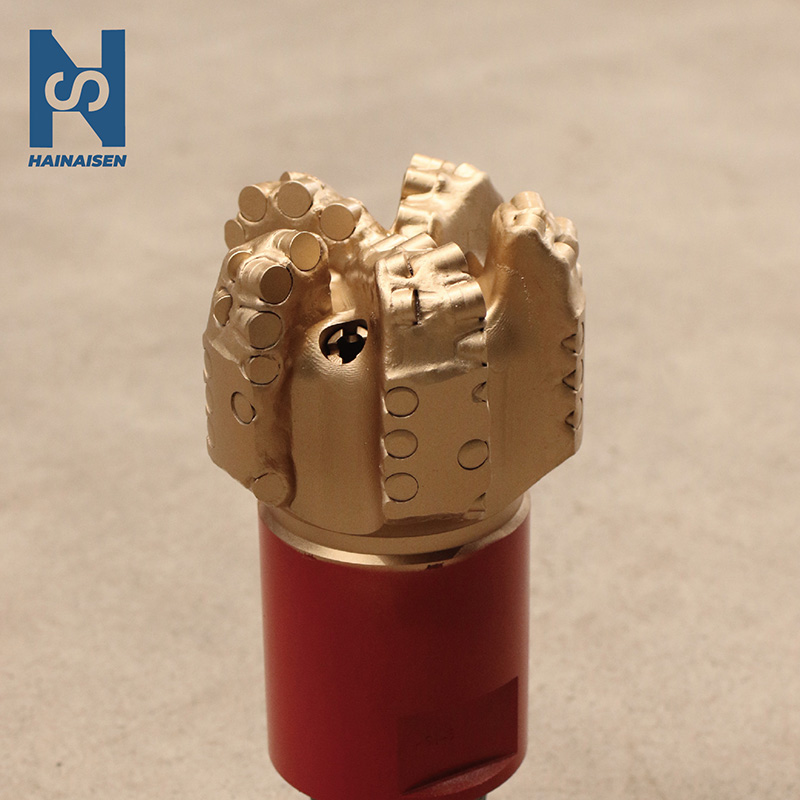 VIEW MOREPDC Petroleum Drill Bit
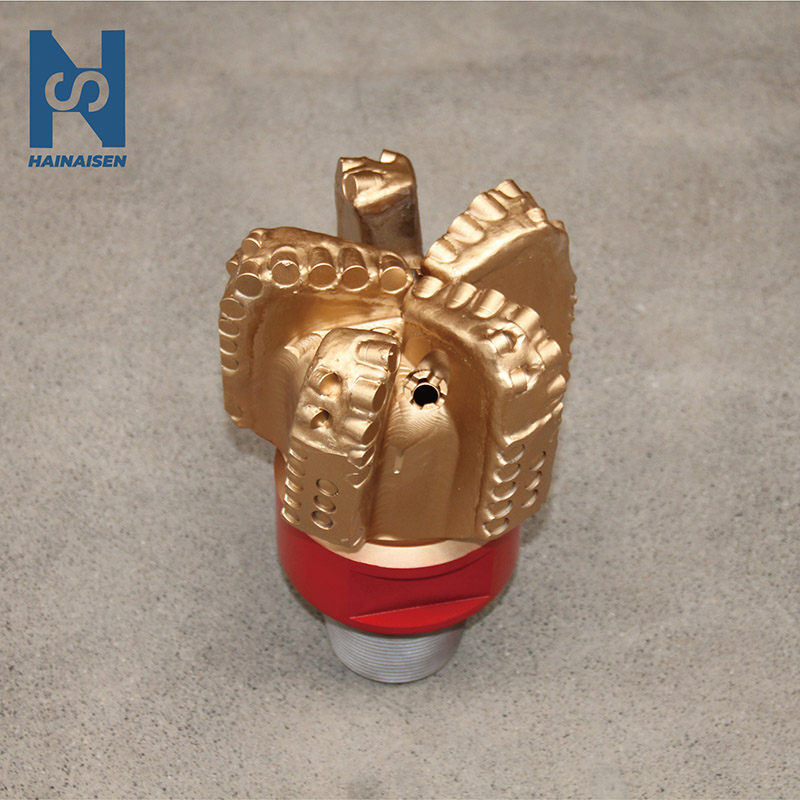 VIEW MOREPDC Rock Drill Bit
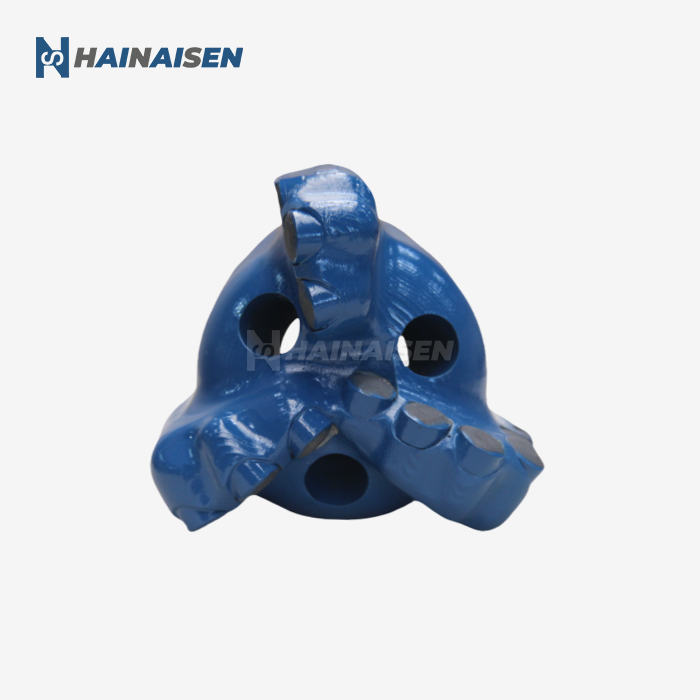 VIEW MORE113mm Three Wings PDC Arc Angle Drill Bit
 VIEW MOREThree Blade Wing Arc Angle Drill Bit
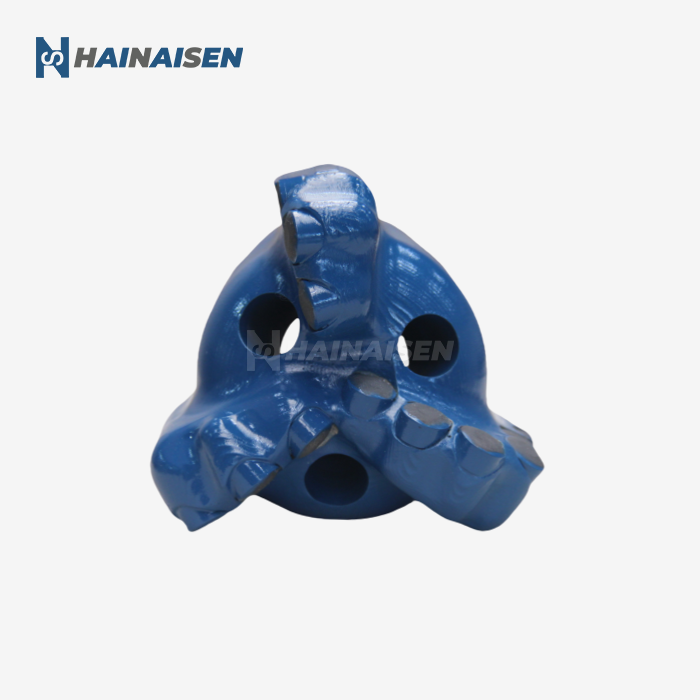 VIEW MORE113mm PDC Arc Angle Drill Bit
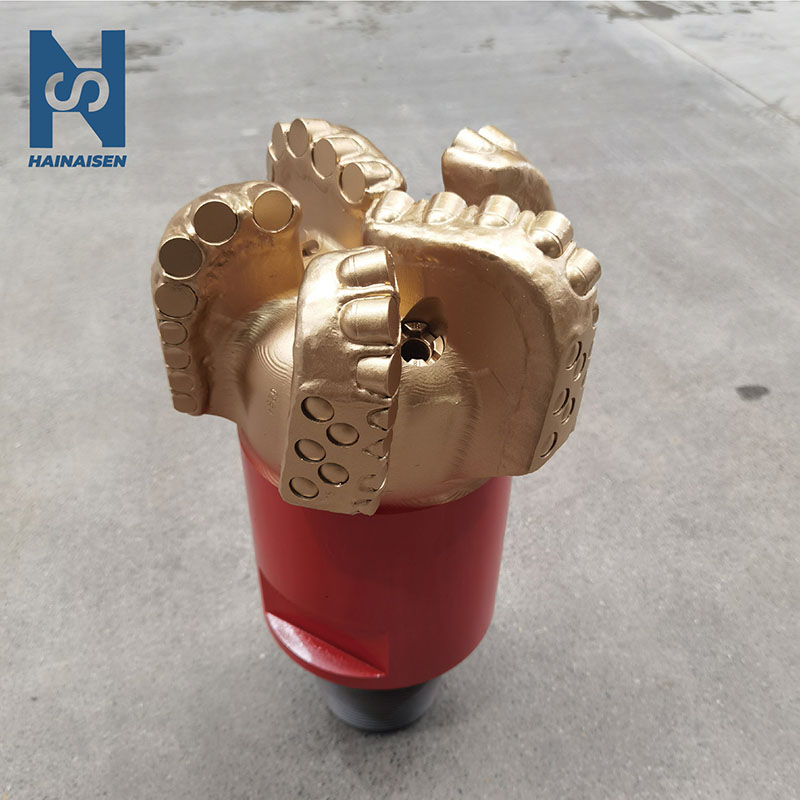 VIEW MOREDrill Bits For Oil Drilling
 VIEW MOREFour Blade Wing Oil Drilling Tool
