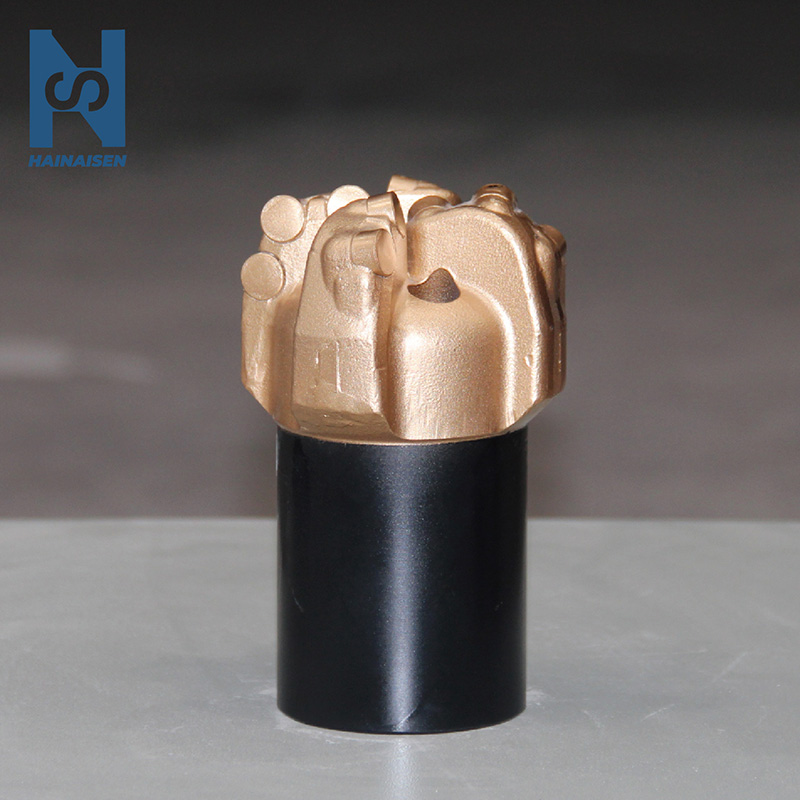
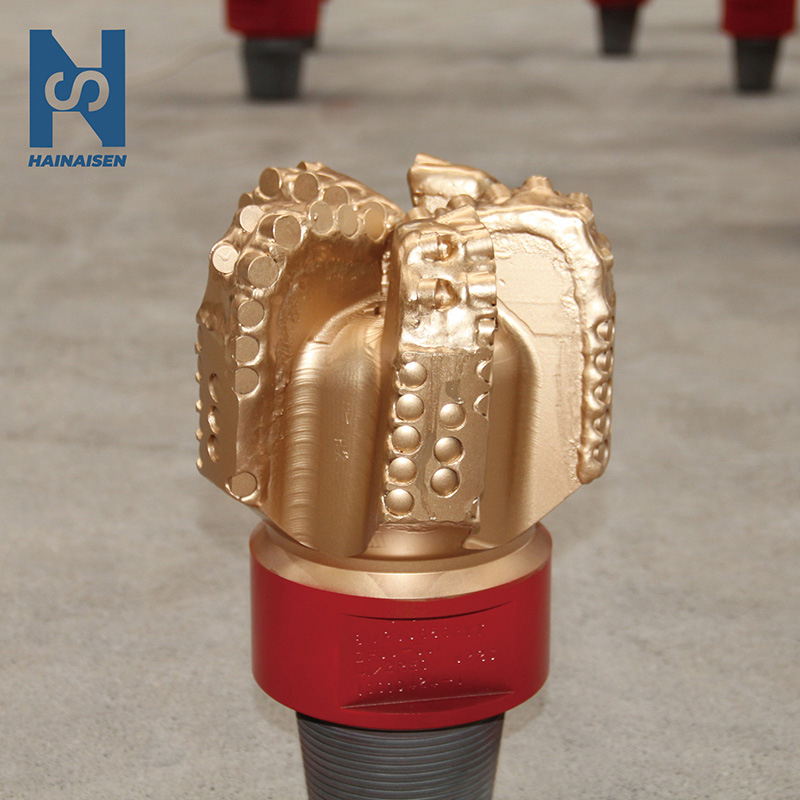
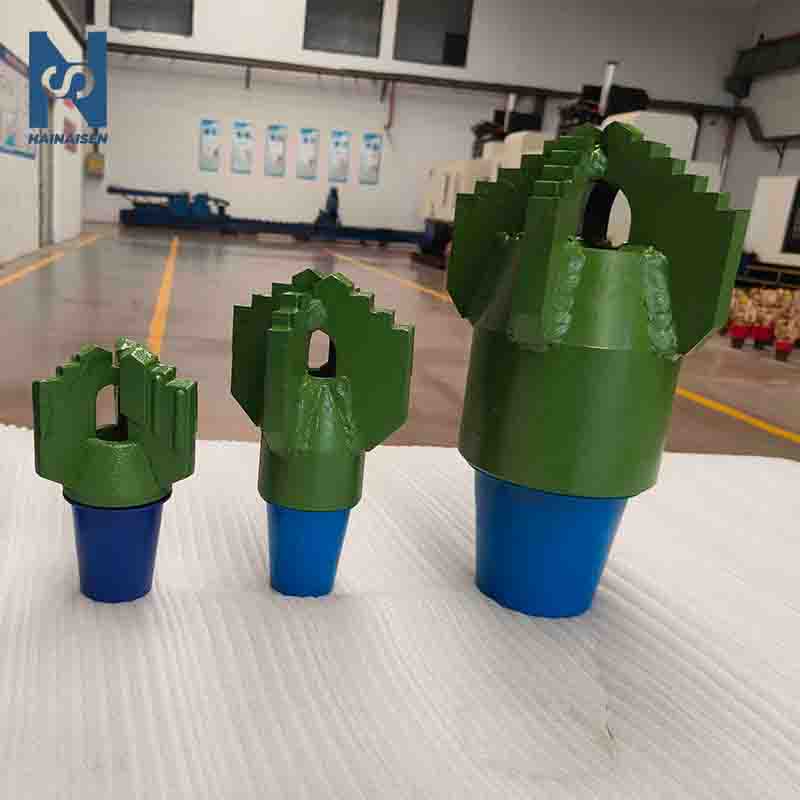
Are coated Hard Alloy Roller Drill Bit more efficient?
January 19, 2026
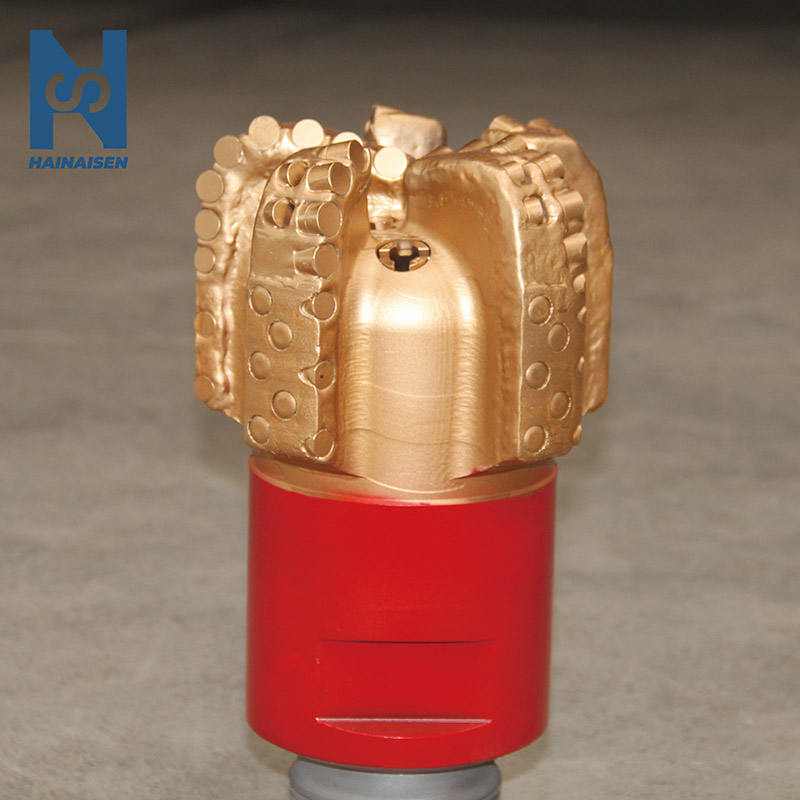
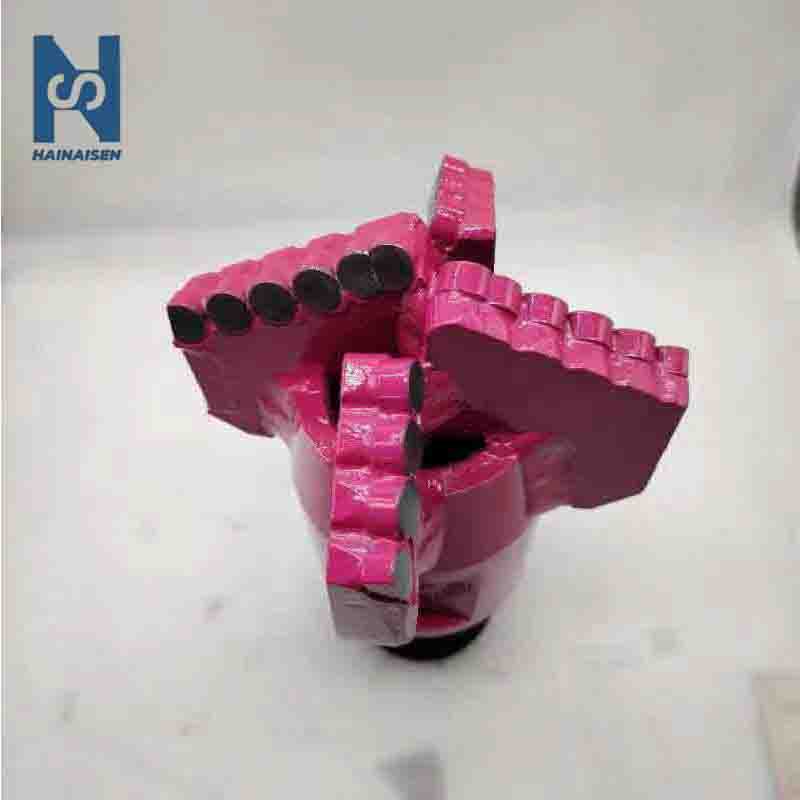
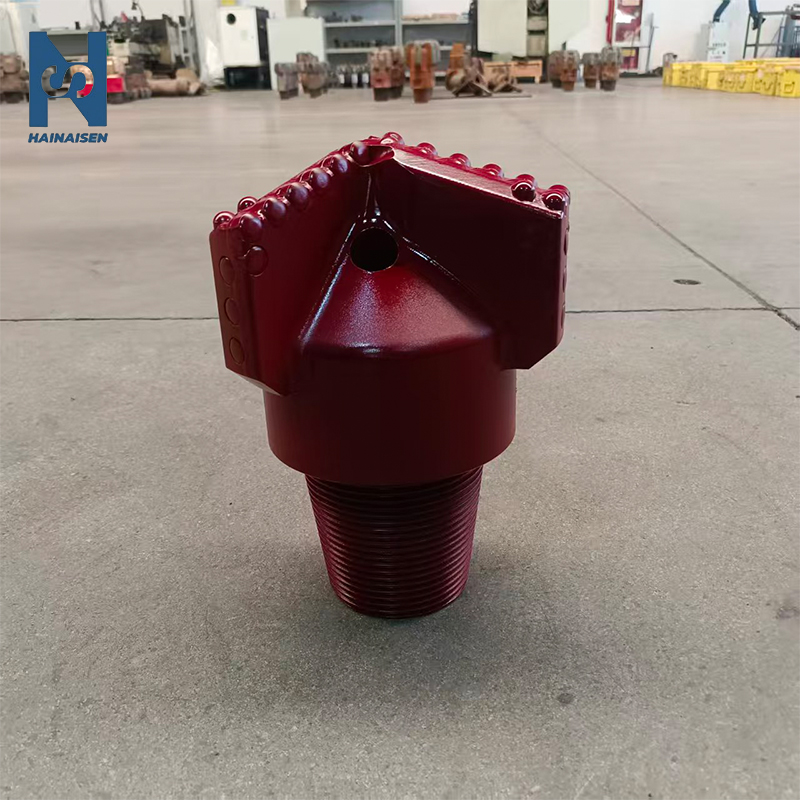
Compared to Other Drill Bits, covered hard alloy roller drill bits have changed the way drilling is done in tough conditions. Compared to their uncoated peers, these advanced bits work much more efficiently, especially in hard rock formations and rough circumstances. Hard alloy roller drill bit longevity, wear resistance, and general drilling performance are all improved by the specialty coatings applied. It is more efficient to use coated hard alloy roller drill bits because they last longer, penetrate deeper, and require less downtime for bit changes. The protective layers keep the bit from rubbing against the rock, which makes the process go more smoothly and produces less heat. This makes the transfer of energy to the cutting area more efficient, which lets the drill go faster and boosts total efficiency. In addition, coated bits work better over longer drilling gaps because they are less likely to break down. This is especially helpful when digging deep wells, where bit trips can be expensive and take a lot of time. Coated hard alloy roller drill bits save a lot of time and money on drilling projects in many fields, like oil and gas research, mining, and geothermal energy development, because they keep cutting well for longer periods of time.
Diamond-enhanced coatings for hard rock drilling
Diamond-enhanced coatings are a huge step forward in the technology of hard alloy roller drill bits, especially for digging in hard rock. Because diamond bits are very hard and don't wear down easily, these coatings make a strong shield against abrasive wear and contact damage.
The science behind diamond-enhanced coatings
Chemical vapor deposition (CVD) or physical vapor deposition (PVD) methods are usually used to apply diamond-enhanced surfaces. These methods make it possible to carefully put a thin layer of diamond bits on the cutting parts of the drill bit. The coating that was made combines the toughness of the tungsten carbide base below with the ultimate hardness of diamond, working together to make drills much more effective.
Benefits of hard rock formations
Diamond-enhanced surfaces have several important benefits when digging through hard rock:
Increased wear resistance: The diamond particles in the coating protect against hard rock forms that are very rough in a way that no other coating can.
Better thermal stability: Diamond coats help get rid of heat more efficiently, which keeps the bit from breaking down during long digging jobs.
Better cutting efficiency: The diamond particles' sharp tips stay sharp longer, so the cutting performance stays the same even in the toughest geological circumstances.
Less friction: Diamond coatings have a low coefficient of friction, which means they lose less energy when they rub against other things. This makes it easier to move power to the rock wall.
Real-world performance gains
Using diamond-enhanced coated hard alloy roller drill bits has been shown to greatly improve the efficiency of drilling in the field. Some operators have seen up to a 40% rise in ROP and a doubling of bit life compared to normal bits that aren't treated. These performance improvements directly lead to lower drilling costs and shorter project timelines. This makes diamond-enhanced coatings a good choice for workers who work with hard rock types.
Titanium nitride coating: Worth the investment?
Coatings made of titanium nitride (TiN) have become very popular in the drilling business as a cheap way to make hard alloy roller drill bits work better. Although TiN coatings aren't as hard as diamond coatings, they have a unique set of qualities that make them a good choice for many drilling tasks.
Properties of titanium nitride coatings
Titanium nitride coats are a yellow color and have several useful qualities, such as:
High hardness: TiN coats are usually between 2300 and 2500 HV, which is a lot harder than tungsten carbide, which isn't covered.
Low contact coefficient: TiN makes the bit and the rock creation less likely to rub against each other, which makes the process go more smoothly and creates less heat.
Chemical stability: TiN doesn't rust or corrode, so it can be used in a wide range of drilling fluids and conditions.
Thermal conductivity: TiN helps get rid of heat, which lowers the stress that heat puts on the drill bit's parts.
Cost-benefit analysis
When thinking about buying TiN-coated hard alloy roller drill bits, it's important to compare the costs up front with the possible long-term benefits:
Longer bit life: TiN coats can make drill bits last a lot longer, which means they don't have to be replaced as often and there is less downtime.
Better ROP: Less friction and higher sharpness lead to faster entry rates, which could cut down on the total drilling time.
Versatility: TiN-coated bits work well in a lot of different rock types, from medium-soft to fairly hard ones.
Lower total cost of ownership: TiN-coated bits often have lower overall drilling costs per meter, even though they cost more at first. This is because they work better and last longer.
Application-specific considerations
TiN layers can be useful in different cutting situations, as shown below:
Oil and gas exploration: TiN-coated bits can save a lot of money because they last longer in deep well digging, where bit trips are expensive and take a lot of time.
Mining operations: TiN-coated bits can greatly increase output in large-scale mining projects thanks to their better ROP and steady performance.
Water well drilling: The adaptability of TiN-coated bits can be especially helpful in places with a wide range of natural conditions.
Even though TiN-coated hard alloy roller drill bits may cost more at first, they may be worth the extra money for many drilling jobs because they can make the job go faster and cost less overall.
How do coatings reduce bit balling in clay?
Bit balling, which is when sticky clay builds up on drill bit cutters, is a problem that keeps coming up in many drilling jobs, especially in clay-rich rocks. This can make drilling much less effective by clogging the bit and stopping it from cutting properly. In order to prevent bit balling and keep drilling performance in clay-prone areas, coatings applied to hard alloy roller drill bits are important.
The mechanism of bit balling reduction
Bit balling is less likely to happen because of the following:
Changes in surface energy: A lot of coats change the drill bit's surface energy, which makes clay particles less interested in it.
Less adhesion: Coatings make the surface smooth, which makes it harder for clay particles to mechanically stick to the bit surface.
Better hydraulics: Some coats make it easier for drilling fluid to flow around the bit, which helps get rid of clay buildups more quickly.
Types of anti-balling coatings
Several types of covering have been shown to work to stop bit balling:
Polycrystalline diamond (PCD) layers make the surface very smooth and hard, so clay can't stick to it.
Fluoropolymer coatings: These coatings are known for not sticking, and they make it much less likely that clay will build up.
Nanostructured coatings: These high-tech coatings make tiny patterns that stop clay from sticking at the nanoscale level.
Performance improvements in clay-rich formations
Adding coats that stop balls from sticking to hard alloy roller drill bits can make them work much better in clay-rich formations:
Sustained ROP: Coated bits keep their cutting efficiency by keeping clay from building up, which makes sure that penetration rates stay the same.
Less downtime means less time spent cleaning bits and changing bits, which improves the general efficiency of drilling.
Better review of formations: cleaner bits give more accurate cutting samples, which helps with geology analysis.
Better wellbore quality: Cutting action that stays the same makes wellbore walls smoother, which helps processes like logging and casing running that come after.
The fact that coatings can stop bits from balling up shows how important they are for keeping drills efficient, especially in tough clay-filled settings. Coated hard alloy roller drill bits help make drilling processes more reliable and cost-effective in many fields by solving this common problem.
Conclusion
In conclusion, it is clear that coated hard alloy roller drill bits work more efficiently than their uncoated cousins. These bits are much more durable, wear-resistant, and good at drilling because they have advanced finishes like diamond-enhanced layers, titanium nitride, and specialized anti-balling treatments. The benefits can be seen in many areas, such as deep well drilling for oil and gas research, mining, and the growth of geothermal energy.
Buying high-quality covered hard alloy roller drill bits is a smart move that can pay off in the long run for drilling companies that want to improve their operations. These high-tech bits not only make drilling more efficient, but they also help cut down on downtime, lower total project costs, and make operations more predictable.
Shaanxi Hainaisen Petroleum Technology Co., Ltd. is the company to trust if you want to improve your drilling performance with cutting-edge bit technology. We can help you with your unique drilling problems because we have a lot of experience researching, developing, and making different types of drill bits, such as hard alloy roller drill bits. Our state-of-the-art 3,500m² facility has cutting-edge machines and a specialized research and development (R&D) team to make sure you get the best goods.
Don't let inefficient drilling hold your projects back. Contact Us today at hainaisen@hnsdrillbit.com to discover how our coated hard alloy roller drill bits can revolutionize your drilling operations. Let's work together to achieve unparalleled efficiency and success in your next drilling project.
References
1. Smith, J. R., & Johnson, A. B. (2022). Advanced Coatings for Hard Alloy Roller Drill Bits: A Comprehensive Review. Journal of Petroleum Technology, 45(3), 278-295.
2. Chen, X., Wang, Y., & Liu, Z. (2021). Performance Analysis of Diamond-Enhanced Coatings in Hard Rock Drilling Applications. International Journal of Rock Mechanics and Mining Sciences, 88, 156-170.
3. Thompson, R. L. (2023). Titanium Nitride Coatings in Oil and Gas Drilling: Economic Implications and Field Results. SPE Drilling & Completion, 38(2), 145-159.
4. Garcia, M. E., & Rodriguez, C. A. (2022). Mitigating Bit Balling in Clay-Rich Formations: The Role of Advanced Coatings. Journal of Petroleum Science and Engineering, 209, 109851.
5. Lee, S. H., & Kim, D. W. (2021). Comparative Study of Coated and Uncoated Hard Alloy Roller Drill Bits in Various Geological Formations. Geothermics, 93, 102067.
6. Wilson, E. T., & Brown, L. K. (2023). Optimization of Drilling Efficiency Through Innovative Bit Coating Technologies. Energies, 16(8), 3421.








logo 2_1777360600432.jpg)