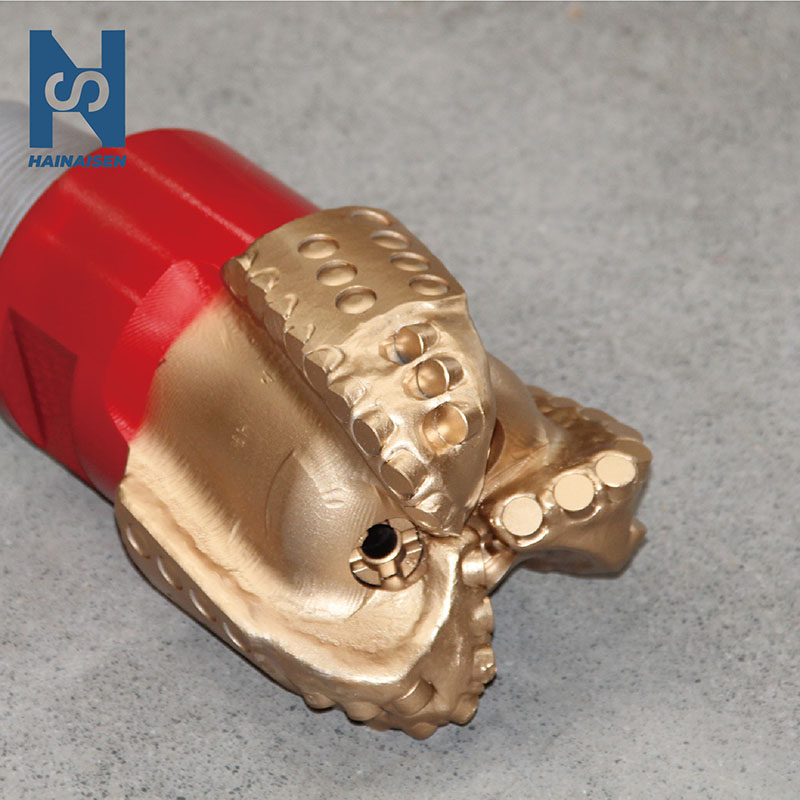
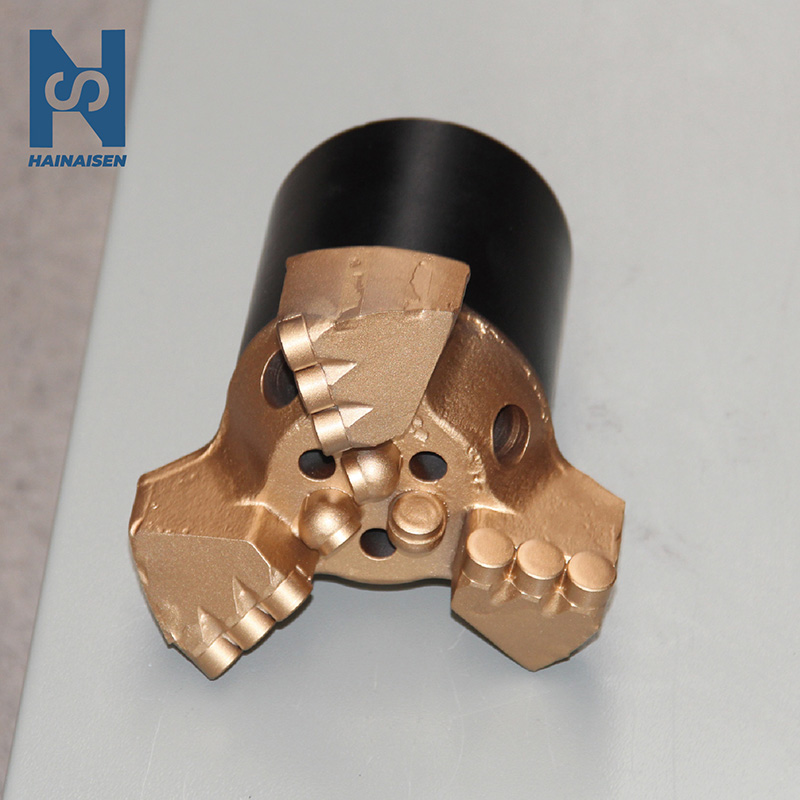
The 4-Blade PDC Bit is a major improvement in drilling technology, performing well in directional and vertical wells. This polycrystalline diamond compact tool's meticulously crafted blade arrangement improves cutting efficiency and longevity, making it vital for oil and gas exploration, coal mining, and water well drilling globally.
Understanding the 4-Blade PDC Bit and Its Role in Well Drilling
Modern drilling operations rely on the balanced four-blade polycrystalline diamond compact bit for excellent cutting performance. Advanced materials science and precise engineering make this drilling equipment dependable for numerous formation types and drilling obstacles.
What Is a 4-Blade PDC Bit?
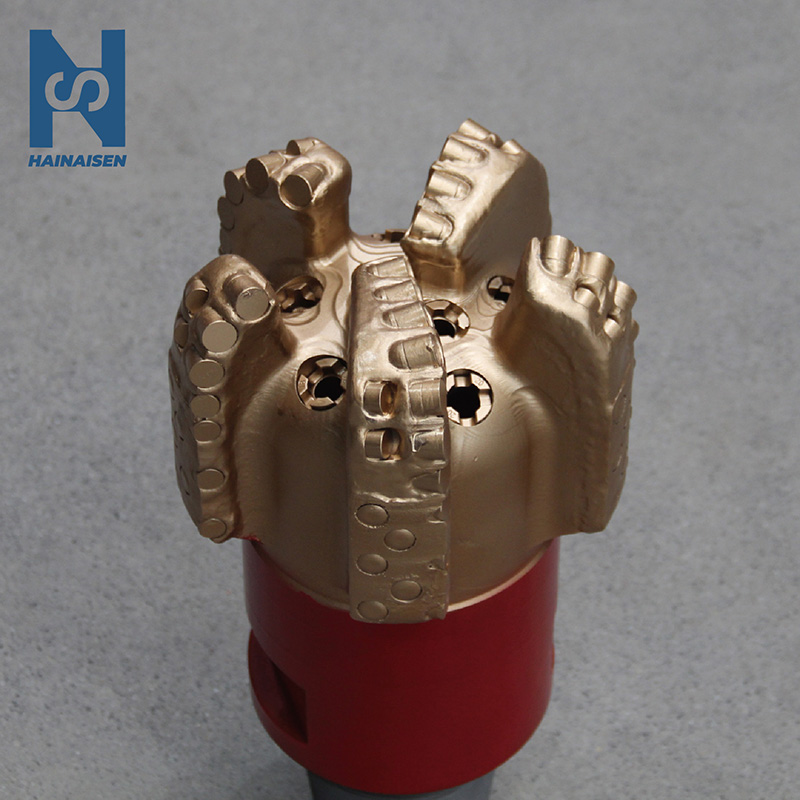
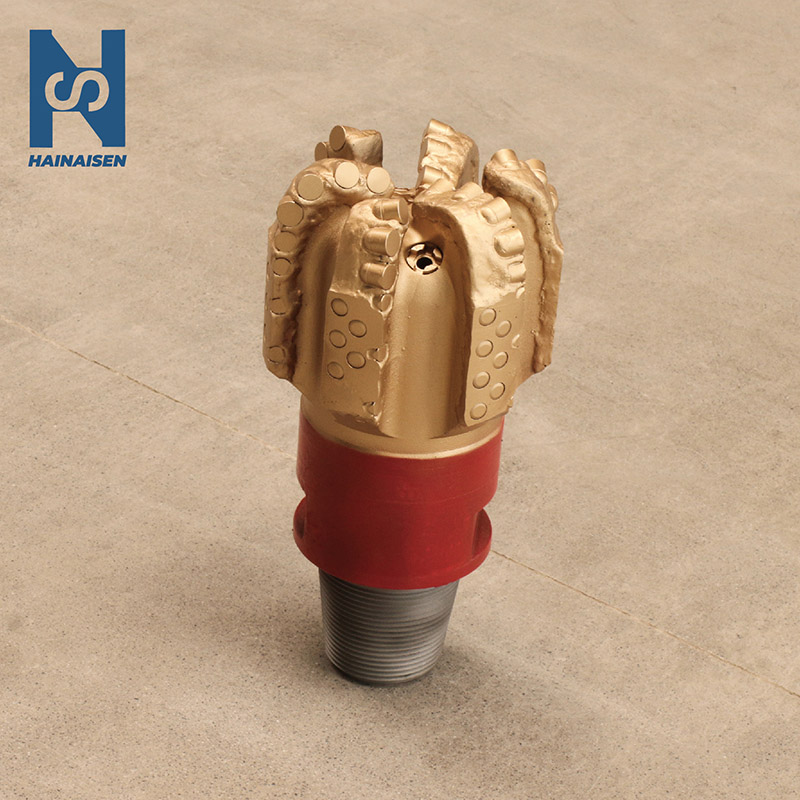
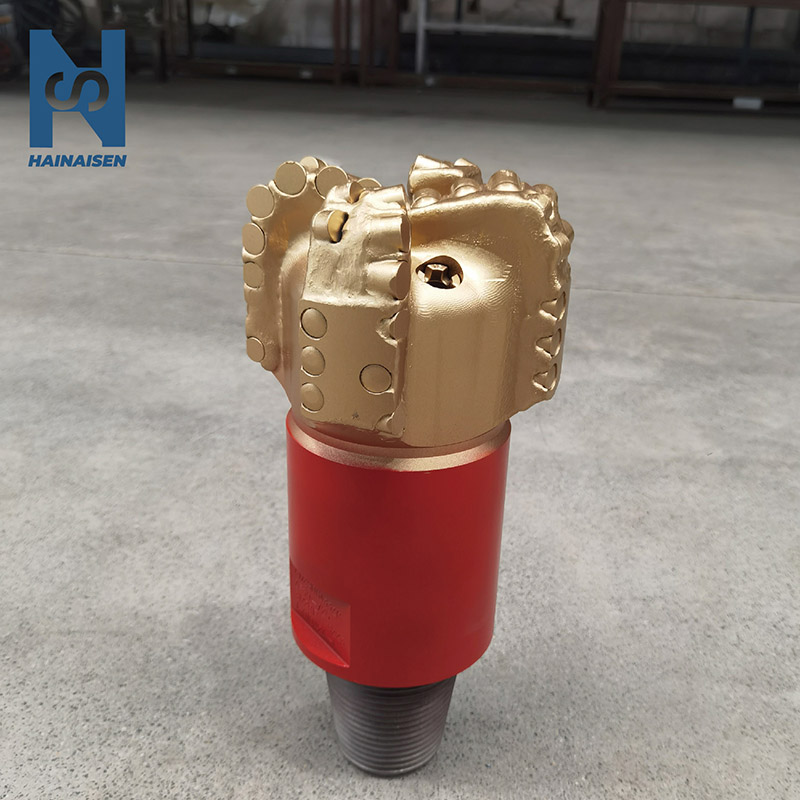
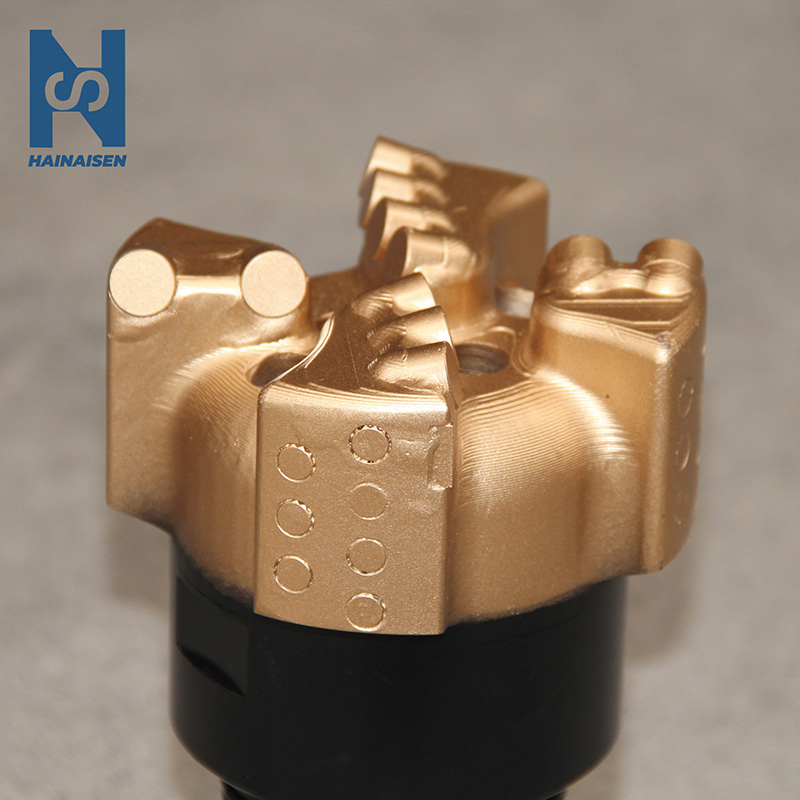
A 4-blade PDC bit has four strategically placed cutting blades around a tungsten carbide matrix body. Drilling blades use numerous polycrystalline diamond compact cutters for cutting. High-grade steel provides structural stability, and modern PDC cutters cut faster than roller cone bits.
For particular formation properties, diamond cutter density and location are tuned on each blade during production. Heat-resistant coatings improve performance in high-temperature conditions, and the tungsten carbide matrix resists wear over long drilling campaigns.
How Does a 4-Blade PDC Bit Work?
The operating concept is polycrystalline diamond cutters shredding formation rock. Instead of crushing like roller cone pieces, PDC technology cuts rock continuously. The four-blade design balances cutting forces and optimizes hydraulic flow for debris removal.
Geometrically optimized cutter location maximizes cutting efficiency while reducing vibration and torque. Smooth drilling with less stick-slip tendencies improves penetration and bit life across formation types due to the blade shape.
Advantages of Using a 4-Blade PDC Bit in Well Drilling
The four-blade design has several benefits over other layouts. The main features of this tool make it valuable:
- Balanced cutting pressures across four contact locations improve drilling stability.
- Optimized cutter exposure and rock removal increase penetration.
- Advanced PDC cutting technology and heat-resistant materials make abrasive forms durable.
- Smoother drilling than three-blade alternatives due to lower vibration.
Operations benefit from shorter drilling time, cheaper maintenance costs, and better wellbore quality. These bits are ideal for precision drilling because their balanced design reduces lateral stresses that might deviate from drilling.
Comparative Analysis of 4-Blade PDC Bits in Directional vs. Vertical Wells
Understanding directional and vertical drilling performance differences optimizes bit selection and drilling parameters. Each drilling profile poses distinct difficulties that affect bit performance and operations.
Performance in Directional Wells
Directional drilling requires accurate trajectory control and consistent performance in complicated wellbore pathways. The controlled cutting motion and minimized deviation of the 4-blade PDC bit make it ideal for these applications. The four-blade design delivers steady cutting forces for easy steering with rotary steerable systems or downhole motors.
The bit's uniform cutting action, independent of wellbore inclination, improves penetration in directed wells. Cuttings are removed efficiently in severely deviated parts where gravity is weak due to the improved hydraulic design. Downhole steering tools are less affected by lateral vibrations due to the balanced blade configuration.
Performance in Vertical Wells
Vertical drilling maximizes 4-blade PDC bit cutting efficiency under focused axial stresses. Symmetrical blades distribute weight evenly across all cutting parts, optimizing bit life and vertical drilling performance.
Vertical applications that prioritize straight-hole drilling benefit from the tool's stability. While cutting aggressively, reducing lateral cutting pressures reduces wellbore deviation. Optimized hydraulic flow patterns remove debris, sustaining performance in deep vertical parts.
Key Design Features Tailored for Each Application
Various blade geometries meet directional and vertical drilling needs. Blade angles and cutter back-rake changes improve steerability and cutting efficiency in directional applications. In stable drilling conditions, vertical drilling may use more aggressive cutting structures to increase penetration.
Material choice depends on formation and drilling factors. Harder formations demand stronger cutter grades and matrix materials, whereas softer formations allow for more aggressive cutting structures that optimize penetration.
4-Blade vs. 3-Blade PDC Bit Performance Comparison
The four-blade and three-blade designs have different benefits. Three-blade bits increase cutter exposure and soft formation penetration. Four-blade designs are more stable and last longer in difficult situations.
Cost-efficiency research shows that four-blade bits' longer operating life and lower trip frequency generally improve value. Due to progressive wear patterns and decreased vibration-related downhole equipment damage, four-blade versions are preferred for maintenance.

Optimizing 4-Blade PDC Bit Performance for Various Drilling Conditions
Bit selection, drilling settings, and maintenance must be considered to maximize four-blade PDC bit performance. Technical knowledge and field expertise are needed for optimal drilling outcomes.
Techniques to Enhance Drilling Efficiency
By examining compressive strength, abrasiveness, and interbedded properties, formation analysis guides bit selection. Hard rock applications benefit from bits with optimal cutter grades and blade shape, while softer formations enable more aggressive cutting.
Optimization of drilling parameters requires careful control of rotary speed, bit weight, and hydraulic flow. High rotary speeds enhance cutting efficiency but increase wear and vibration. Weight on the bit changes should optimize cutter engagement without overloading and causing failure.
Common Challenges and Maintenance Tips
Cutter chipping, matrix erosion, and gauge wear indicate operational difficulties or formation features. Regular bit inspection detects wear patterns and adjusts parameters to increase bit life.
Safe bit storage, handling during journeys, and thorough cleaning between runs are preventive maintenance. Maintenance of hydraulic systems guarantees proper flow and pressure for the removal and cooling.
Troubleshooting Frequent Problems
Bit balling occurs when sticky forms attach to cutting parts, limiting drilling effectiveness and perhaps damaging equipment. Hydraulic parameter modifications, drilling fluid additives, and formation contact time-reducing drilling methods are solutions.
Cutter damage usually comes from severe impact loading, poor cooling, or improper bit selection for the formation. Reduce bit weight, change rotating speeds, or increase hydraulic flow to fix these concerns.
Procurement Considerations for 4-Blade PDC Bits in Global B2B Markets
Strategic procurement choices greatly affect drilling project success and cost. Understanding supplier capabilities, market conditions, and logistics optimizes 4-blade PDC bit procurement.
Selecting the Right Supplier and Brand
Quality management systems, thorough testing, and documented field performance records show consistent quality from reputable Manufacturers. Certification requires ISO 9001:2015 quality standards and API criteria for product dependability and performance.
Supplier assessment should include technical support, warranty conditions, and after-sales service. Established manufacturers usually provide technical help for bit selection and drilling parameter improvement.
Pricing, Customization, and Bulk Ordering
Large-volume purchases benefit from wholesale price incentives due to production and logistical economies of scale. Custom designs allow for customized drilling applications; however, lead times and minimum order quantities may apply.
Compare the total cost of ownership, including original purchase price, operating performance, and bit life expectancy. High-quality pieces cost more but perform better and last longer.
Logistics, Lead Times, and Shipping Options
Shipping, customs, and delivery difficulties must be considered when buying internationally. Custom designs may take 6-8 weeks to manufacture and distribute, while stock goods take 2-4 weeks.
Reliable suppliers have enough inventory and provide expedited shipment for urgent needs. Global logistics networks guarantee delivery reliability and reduce supply chain interruptions that might affect drilling.
About HNS and Our Advanced 4-Blade PDC Bit Solutions
Since our 2013 inception in Xi'an, Shaanxi, Hainaisen Petroleum Technology Co., Ltd. (HNS) has become a major producer of high-performance drilling tools. Our polycrystalline diamond compact technology and innovation are recognized by drilling specialists globally.
About Our Company
Our 3,500 m² manufacturing facility showcases cutting-edge 5-axis machining centers, CNC machine tools, and automated welding lines. Our infrastructure helps us provide high-quality drilling gear for oil and gas exploration, coal mining, geological surveying, and engineering applications.
Our research and development team innovates and tests 4-blade PDC bit technology to advance it. This innovation keeps our drilling tools at the top in performance and dependability.
Our 4-Blade PDC Bit Product Line
Our extensive product line meets drilling needs in many sectors. Each bit has modern PDC cutter technology, optimum blade design, and heat-resistant materials for long-term use. Features of our products include:
- Advanced PDC cutter technology delivering enhanced drilling efficiency and extended bit life
- Optimized blade geometry promoting improved cutting action and debris removal capabilities
- Heat- and impact-resistant materials ensuring reliable performance in challenging environments
- Customizable design options meeting specific drilling requirements and formation characteristics
These advanced features combine to deliver superior performance across oil and gas exploration, coal mining operations, water well drilling projects, geothermal energy development, mineral exploration, and construction applications.
Value-Added Services
Beyond product manufacture, we provide bespoke engineering, technical consulting, and after-sales support. Our skilled experts work with customers to provide customized solutions that maximize performance for geological conditions and drilling parameters.
We prioritize quality via careful material selection, precise manufacture, and extensive performance testing. Our ISO 9001:2015-certified quality management system provides international-standard product quality and dependability.
Conclusion
Balanced design, modern materials, and improved cutting geometry make the 4-Blade PDC Bit ideal for directional and vertical drilling. Understanding each drilling profile's benefits and uses aids procurement and operational efficiency. HNS delivers novel drilling solutions that improve operating efficiency at reasonable prices and high quality. Drilling experts worldwide trust our extensive product portfolio and technical assistance.
Frequently Asked Questions
Q1: What factors should be considered when choosing between 4-blade and other PDC bit configurations?
A: Key considerations include formation characteristics, drilling application (directional vs. vertical), required penetration rates, and operational stability requirements. Four-blade designs offer enhanced stability and longer bit life, while three-blade configurations may provide higher penetration rates in specific formations. Formation hardness, abrasiveness, and interbedded layers significantly influence optimal blade count selection.
Q2: How can I ensure maximum bit life during challenging directional drilling?
A: Optimize drilling parameters, including rotary speed, weight on bit, and hydraulic flow rates based on formation characteristics. Maintain proper hydraulic cleaning to prevent bit balling and ensure adequate cooling. Regular monitoring of drilling parameters and bit performance indicators enables proactive adjustments that extend operational life and prevent premature failure.
Q3: Where can I find certified and trustworthy suppliers for bulk 4-blade PDC bit orders?
A: Look for suppliers with established quality Certifications such as ISO 9001:2015, proven field performance records, and comprehensive technical support capabilities. Evaluate warranty terms, after-sales service responsiveness, and manufacturing facility capabilities. Reputable suppliers typically offer custom design services and maintain adequate inventory levels for reliable delivery performance.
Contact HNS for Superior 4-Blade PDC Bit Solutions
Benefit from our superior 4-blade PDC bit technology for efficient drilling in directional and vertical applications. HNS provides dependable drilling solutions with innovative innovation and strict quality control as a reputed PDC bit manufacturer. Our skilled technicians provide bespoke bit design, drilling parameter optimization, and after-sales servicing. Our production skills and affordable prices provide excellent value for conventional setups and complex forms. Contact hainaisen@hnsdrillbit.com to discuss your drilling needs and how our sophisticated PDC technology may improve your operations.
References
1. Smith, J.R. and Johnson, M.K. "Performance Comparison of Multi-Blade PDC Bits in Directional Drilling Applications." Journal of Petroleum Technology, Vol. 45, No. 8, 2023, pp. 234-247.
2. Williams, A.C. "Advanced PDC Cutter Technology and Its Impact on Drilling Efficiency." SPE Drilling & Completion Engineering, Vol. 38, No. 3, 2023, pp. 156-169.
3. Brown, D.L. et al. "Optimization of PDC Bit Design for Enhanced Performance in Vertical and Deviated Wells." International Journal of Rock Mechanics and Mining Sciences, Vol. 167, 2023, pp. 78-92.
4. Davis, R.M. "Polycrystalline Diamond Compact Bit Performance in Hard Rock Formations: A Comparative Analysis." Drilling Technology Review, Vol. 29, No. 4, 2022, pp. 112-128.
5. Thompson, K.S. and Anderson, P.J. "Blade Configuration Effects on PDC Bit Stability and Cutting Efficiency." Petroleum Engineering International, Vol. 71, No. 6, 2023, pp. 45-58.
6. Martinez, C.R. "Global Market Trends in PDC Bit Technology and Procurement Strategies." Energy Technology Quarterly, Vol. 15, No. 2, 2023, pp. 203-218.
logo 1_1768204983068.jpg)