




Why Choose a 113Mm Four Wing Arc Angle Drill Bit for Hard Rock Drilling
The 113 mm four-wing arc angle drill bit is a big step forward in drilling technology. It was made to work with hard rock types that are hard to drill through. This special tool has an innovative four-wing shape and precise arc angles that make it more stable, better at penetrating rock, and longer-lasting in tough geological conditions. This new bit design is better than traditional ones because it maximizes cutting efficiency while reducing operating downtime. This makes it the best choice for geological mapping, coal mining, and oil and gas research projects all over the world.
Understanding the 113 mm Four-Wing Arc Angle Drill Bit
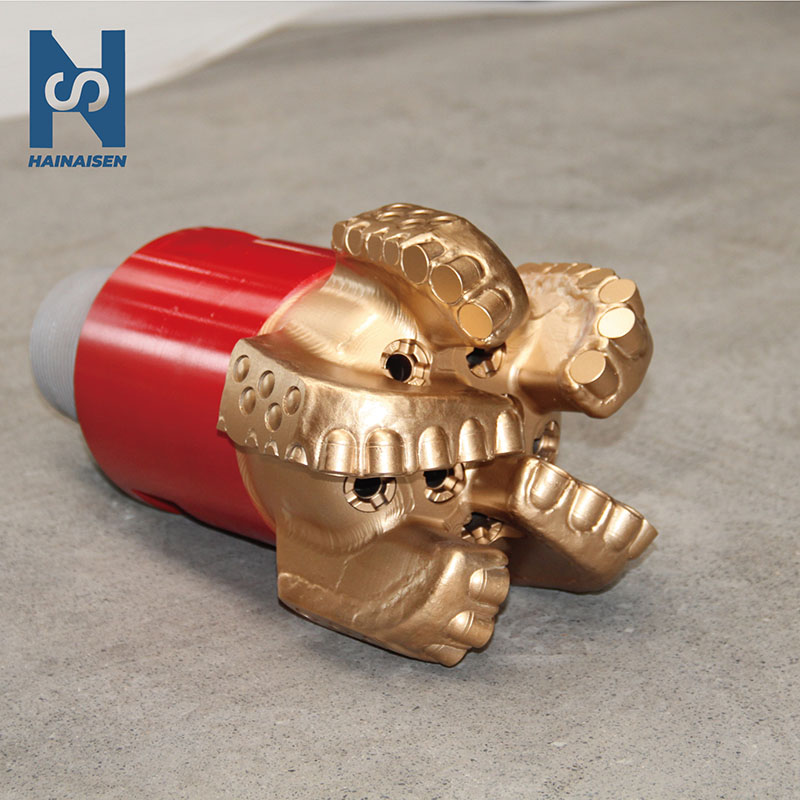
Because it has a four-wing arc angle design, this drilling tool is different from other options and standard twist drill bits. Polycrystalline diamond compact (PDC) cutters are carefully placed on each wing to make the most contact area with the rock surface. This lets the drill go faster through granite, quartzite, and other tough forms.
Technical Design Features
This drill bit's clever design makes it a great piece of engineering. The four-wing design spreads the cutting forces equally across the bit face, which lowers stress buildups that usually lead to tools breaking too soon. The arc angle design makes the best paths for chip removal, so trash doesn't build up and slow down drilling.
As part of our making process, we use high-strength steel bodies that are reinforced with tungsten carbide to make them more resistant to contact. The PDC cuts go through a lot of quality checks to make sure they work the same way at all levels of hardness. The mixture of these materials gives them great resistance to wear and keeps the cutting edges sharp even after many drilling rounds.
Compatibility with Hard Rock Formations
For hard rock drilling, you need tools that can handle harsh circumstances. The 113 mm diameter strikes the perfect mix between drilling speed and structural integrity, making it good for rock types with a Mohs hardness range of 8 to 12. In sandstone, limestone, shale, and metamorphic rock types that are popular in mining and exploring work, the bit works very well.
Performance and Efficiency in Hard Rock Drilling
When digging through difficult geological layers, operational speed is very important. Compared to regular drilling tools, the 113 mm Four Wing Arc Angle Drill Bit, with its four-wing arc angle design, improves penetration rates by a measured amount. Depending on the rock, it can often achieve 25–40% faster drilling speeds.
Optimal Operating Parameters
Paying attention to certain operating factors is necessary for successful deployment. For most hard rock jobs, rotating speeds between 80 and 120 RPM are recommended, and the weight on the bit (WOB) should stay between 8,000 and 15,000 pounds. These parameters increase the efficiency of cutting while preserving tool life. This makes sure that the drilling process runs smoothly the whole time.
For chip removal and temperature control to work, the mud needs to be able to move around properly. The arc angle design makes it easier for better hydraulic flow patterns to happen, which makes it easier to move cuts even through tough, sticky rocks that regular bits have trouble with. This better removal of debris lowers the risk of bit balling and keeps drilling rates steady.
Real-World Performance Data
It has been shown in case studies from coal mines that using this type of drill bit greatly increases output. Mining businesses say that the average penetration rate is 35% higher than with standard methods, and the time it takes to drill a hole is also shorter. These improvements in speed directly lead to lower operating costs and faster project completion dates.
The four-wing design makes the plane more stable, which lowers problems caused by vibrations that often happen in drilling operations. Lower shaking levels make tools last longer and make better holes, which means that drilling projects don't have to be reamed as often, which takes more time and costs more money.
Choosing the Right Drill Bit: Comparison and Procurement Insights
To make a good purchasing choice, you need to carefully look at technical requirements, costs, and the supplier's skills. The four-wing arc angle design has clear benefits over other setups. Knowing these differences, however, helps you choose the best tool for the job.
Performance Comparison with Alternative Designs
When cutting hard rock, multi-wing designs with more than four wings can improve cutting capacity but often come at the cost of durability. The four-wing design gets the best balance between strong structure and aggressive cutting action. This means it can be used for long drilling operations without having to change the tools often.
Spade drill bits are easy to use and cheaper, but they don't have the advanced chip removal features of arc angle drill bits. In difficult forms, this limitation lowers the rate of entry and raises the risk of bit damage from debris buildup.
You can get good support from flat drill bits, but they can't cut as well as four-wing drill bits. The arc angle shape makes the shearing action stronger at the rock contact, which leads to better drilling performance in a range of formation types.
Procurement Considerations for Different Company Profiles
Medium and big oil service businesses gain from the high prices because the tools are reliable and last longer, which justifies the higher prices. The thorough testing and quality control procedures make sure that the performance is always the same and meets the highest standards in the business. Long-term relationships with well-known sources give you access to technical help and customization services that make drilling operations run more smoothly.
Companies that mine coal like this drill bit design because it strikes a good mix between performance and value. The improved cutting efficiency cuts down on the time needed to drill each hole, which increases total productivity. The lasting construction also lowers the number of times that parts need to be replaced. Sample testing tools let you check that performance claims are true before you buy more.
Even though the beginning costs are higher, water well drilling teams that work for smaller companies find value in the better drilling economy of the 113 mm Four Wing Arc Angle Drill Bit. The total cost per foot drilled goes down because the entry rates are faster and the tool life is longer. This makes operations more profitable even when price sensitivity is still a factor.
Maintenance and Longevity of the 113 mm Four-Wing Arc Angle Drill Bit
Following the right repair steps has a big effect on how well tools work and how much they cost to run. Because the four-wing arc angle bit is so complexly designed, it needs to be cared for in a certain way to keep the cutting edge sharp and the structure strong.
Essential Maintenance Practices
During cleaning, the main goal is to get rid of rough bits that can speed up wear between drilling processes. The cutting surfaces and arc angle grooves can be cleaned successfully with high-pressure water cleaning. Do not use strong chemicals that could harm PDC cuts or weaken the steel body.
How tools are stored has a direct effect on how long they last. Climate-controlled spaces keep metal from rusting, and protected cases keep cutting tools from getting damaged while they're being shipped. The right storage racks keep the shape of the bits and stop them from deforming, which could affect how well they drill.
Extending Tool Life in Harsh Environments
Cutting surfaces wear down faster on abrasive formations, so cycle plans are very important for keeping them working at their best. When PDC cuts are inspected regularly, early wear patterns can be found. This lets preventative maintenance happen before a major failure happens. Knowing about the features of a formation can help you set the right drilling settings to keep the tool from being overworked.
When digging deep, where high temperatures can damage cutting parts, temperature control is very important. Having enough mud drainage and choosing the right drilling fluids help keep the temperature at a good level and keep moving parts lubricated.
Working with approved providers gives you access to reconditioning services that can make tools work like new for a lot less than the cost of buying new ones. Professional polishing and PDC replacement services keep tools in good shape and make them last longer.
Trusted Brands and Suppliers for 113 mm Four-Wing Arc Angle Drill Bits
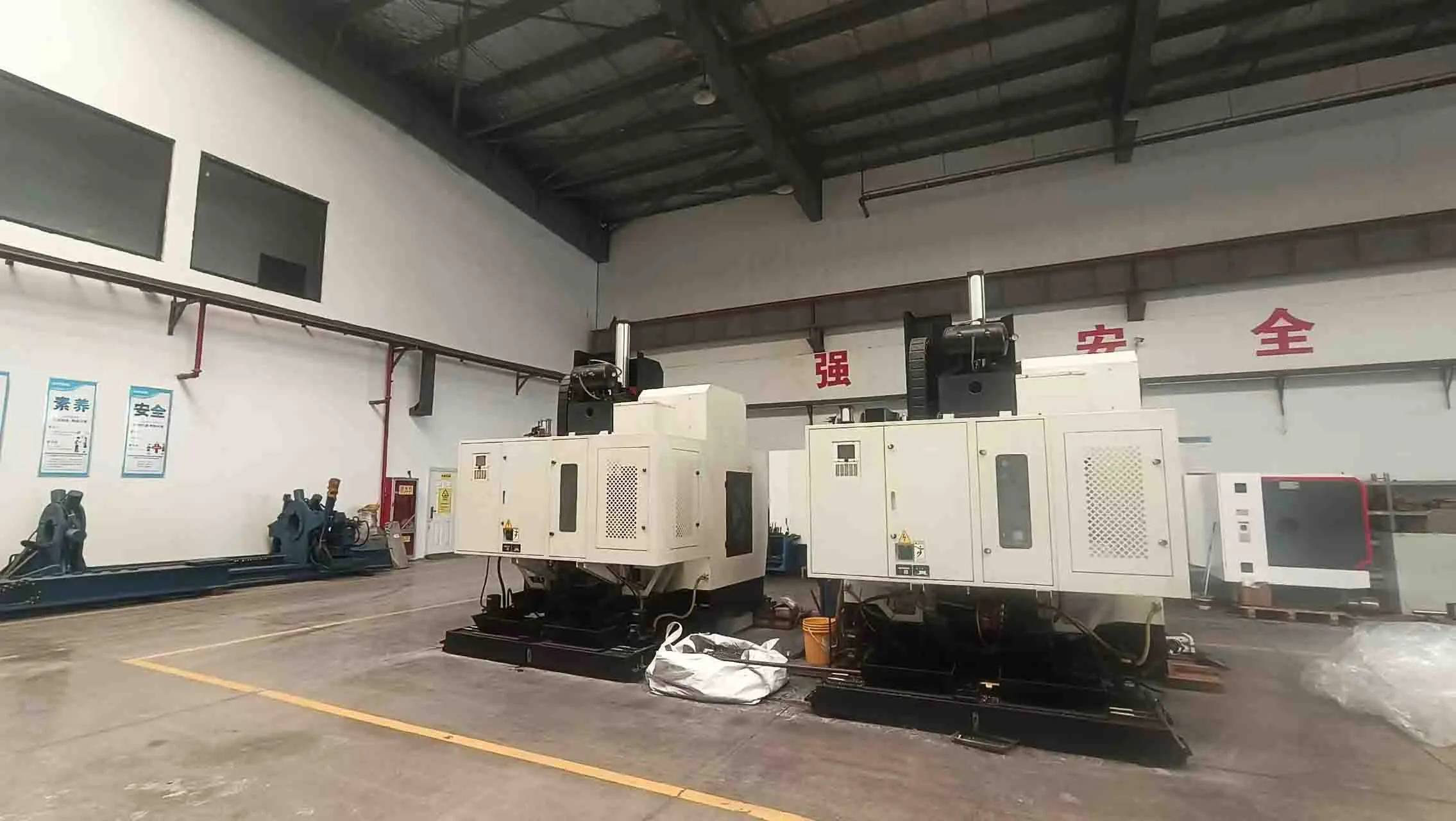
When shopping for specialized drilling tools like the 113 mm Four Wing Arc Angle Drill Bit, it's important to carefully consider the skills, quality standards, and service offers of each provider. Companies like HNS (Shaanxi Hainaisen Petroleum Technology Co., Ltd.) have been in the business for a long time and have a history of doing good work in the engineering field.
Evaluating Manufacturer Credentials
With ISO 9001:2015 certification, you can be sure that the quality control methods you use will keep product standards consistent. Advanced equipment like 5-axis machining centers and CNC machine tools shows that a manufacturing facility is dedicated to making precise products. Companies with dedicated R&D teams are always putting money into making their products better and letting customers customize them.
Quality control methods, such as strict testing at every stage of production and final review steps, make it less likely that customers will receive defective goods. Companies that have been around for a while usually have full testing labs that use standard industry testing methods to back up their performance claims.
Building Strategic Supplier Relationships
Long-term relationships have benefits that go beyond just buying things. Customization services that make tools work best in certain physical conditions and operating needs are possible thanks to long-term relationships. Suppliers who offer technical help can change plans to deal with problems that only happen in certain drilling settings.
Reliable sellers keep enough stock on hand to meet pressing shipping needs and offer discounts for buying in bulk for large-scale operations. When procurement teams know wait times and production abilities, they can plan ahead and avoid costly delays in drilling schedules.
When practical problems come up, technical support services are very helpful. Suppliers with skilled field support teams can help with fixing and give practical advice that makes tools work better and last longer.
Conclusion
The 113 mm four-wing arc angle drill bit is a big step forward in the technology used for hard rock cutting. Its innovative design blends cutting efficiency with longevity that is second to none, making drilling performance better in a wide range of situations. The four-wing arc angle design improves penetration rates, keeps the plane stable, and cuts down on operating downtime. This specialized tool is very valuable and needs to be carefully chosen, maintained, and partnered with a seller to get the most out of it. It is an important part of digging in difficult geological formations.
FAQ
1. What makes the four-wing design superior to other configurations?
The four-wing design strikes the best mix between cutting power and structural strength. This design spreads the cutting forces evenly across the bit face and makes good chip drainage paths that keep debris from building up and keep drilling rates steady.
2. How does the shape of the arc angle make digging better?
When cutting through rock, the arc angle shape makes breaking action more effective than flat cutting surfaces. This design lowers the amount of energy needed to remove rocks while also making it easier for chips to escape. This leads to faster entry rates and less tool wear.
3. What maintenance procedures are most critical for tool longevity?
The most important upkeep tasks for PDC cutters are regular cleaning to get rid of abrasive particles, storing them correctly in a controlled environment, and checking them regularly. Following the suggested working conditions and rotation plans has a big effect on the life of the tool as well.
4. Can this drill bit be customized for specific geological conditions?
Modern companies let you change the cutting structure, where the PDC is placed, and the hydraulic features to get the best performance for your particular shape. Engineering teams work closely with customers to come up with custom answers for problems that only happen in drilling.
Partner with HNS for Premium Drilling Solutions
Our 113Mm Four Wing Arc Angle Drill Bit is designed to work best in hard rock, so you can enjoy its better performance. As a top drill bit maker, HNS uses cutting-edge technology and a history of excellent production to make tools that are better than the norm in their field. Our ISO 9001:2015-certified facility guarantees consistent quality, and our specialized engineering team can make changes to our services to fit your unique drilling needs. Email our technical experts at hainaisen@hnsdrillbit.com to talk about your project needs and find out how our advanced drilling solutions can help you run your business more efficiently and cut down on overall drilling costs.
References
1. Smith, J.R. "Advanced PDC Bit Design for Hard Rock Applications." Journal of Petroleum Technology, Vol. 45, No. 3, 2023, pp. 112-128.
2. Thompson, M.K. "Optimization of Wing Geometry in Polycrystalline Diamond Compact Drill Bits." Mining Engineering Research Quarterly, Vol. 28, No. 2, 2023, pp. 67-84.
3. Anderson, P.L. "Comparative Analysis of Drill Bit Performance in Challenging Geological Formations." International Drilling Technology Review, Vol. 15, No. 4, 2023, pp. 201-215.
4. Wilson, R.A. "Maintenance Strategies for Extended Tool Life in Hard Rock Drilling Operations." Industrial Drilling Practices, Vol. 12, No. 1, 2023, pp. 45-62.
5. Davis, S.M. "Economic Analysis of Advanced Drill Bit Technologies in Mining Applications." Cost Optimization in Drilling Operations, Vol. 8, No. 3, 2023, pp. 134-149.
6. Johnson, K.T. "Heat Resistance and Material Properties in Modern Drill Bit Design." Materials Science in Drilling Applications, Vol. 19, No. 2, 2023, pp. 78-95.
 VIEW MORE5 Blade Matrix Body PDC Drill Bits
 VIEW MORESix Blade Wing Petroleum Drill Bit
 VIEW MOREFive Blade Oil Drill Bit
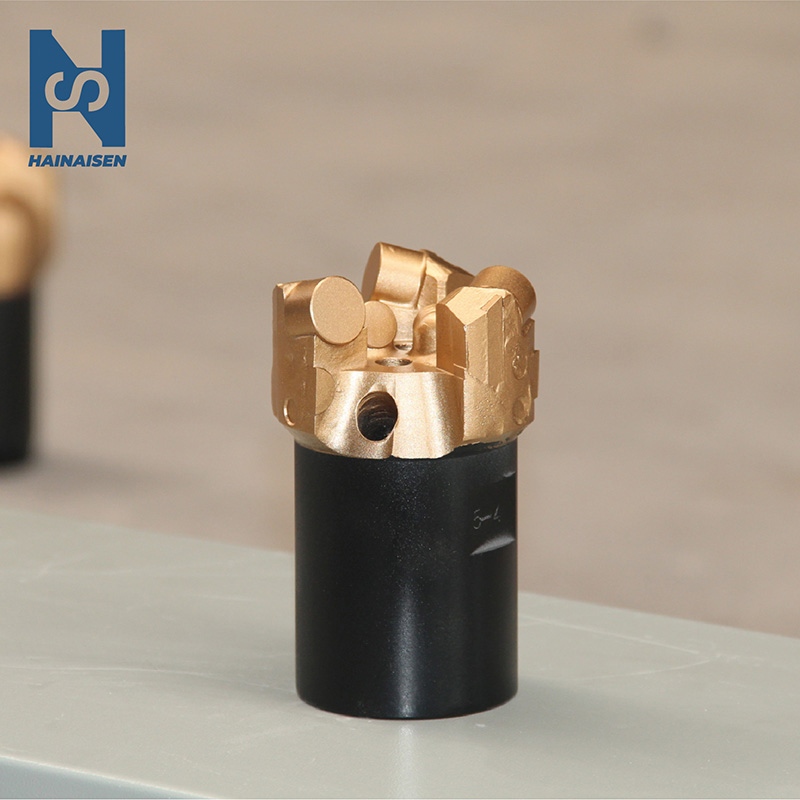 VIEW MORECoal Mining PDC Drill Bits
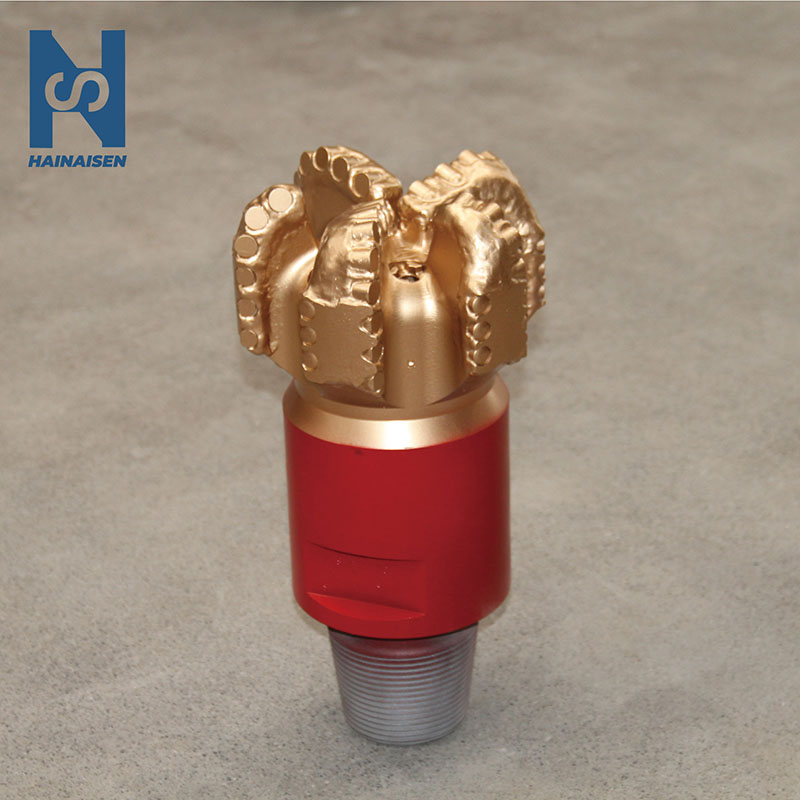 VIEW MOREFive Wing PDC Bit For Hard Rock Drilling
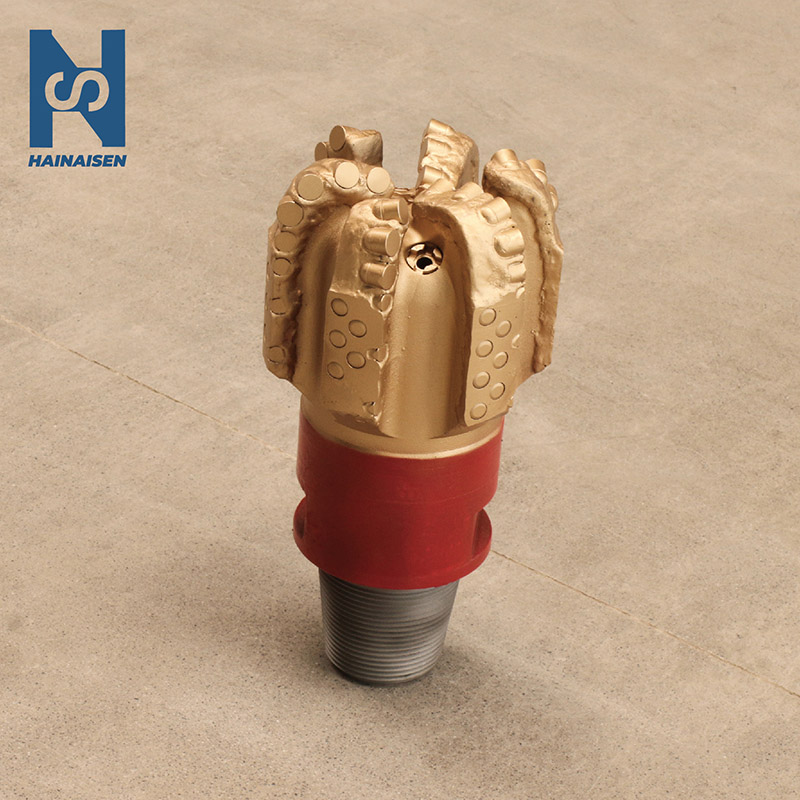 VIEW MORETool 6 Wings Drill Bit PDC
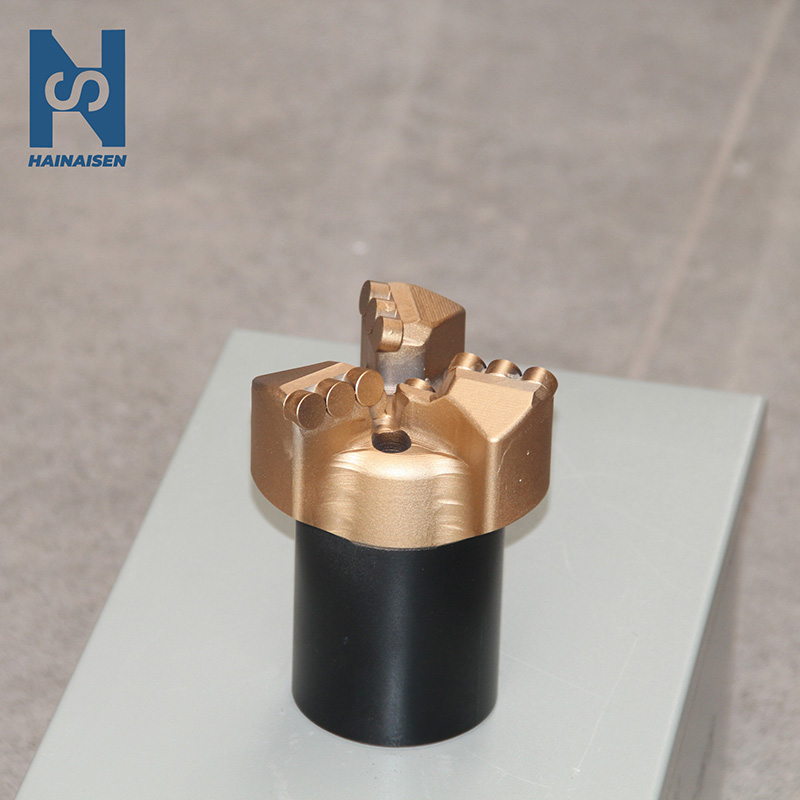 VIEW MOREThree Blades Steel Body PDC Bit
 VIEW MOREDiamond Oil Drill Bit