







3 Blade PDC Arc Angle Drill Bit Performance in Abrasive Rock
When digging through tough, rough rock formations, the 3-Blade PDC Arc Angle Drill Bit is a revolutionary option that changes how efficiently operations are run and how costs are managed. These specialized polycrystalline diamond compact bits use advanced blade shapes and improved arc angles to do a better job of drilling where other tools fail. They are essential for oil and gas operations, coal mining, and water well drilling projects that need to reliably cut through tough rock formations because of their unique three-blade design that improves cutting efficiency while keeping stability in harsh geological conditions.
Understanding 3-Blade PDC Arc Angle Drill Bits
Core Design Principles and Engineering Excellence
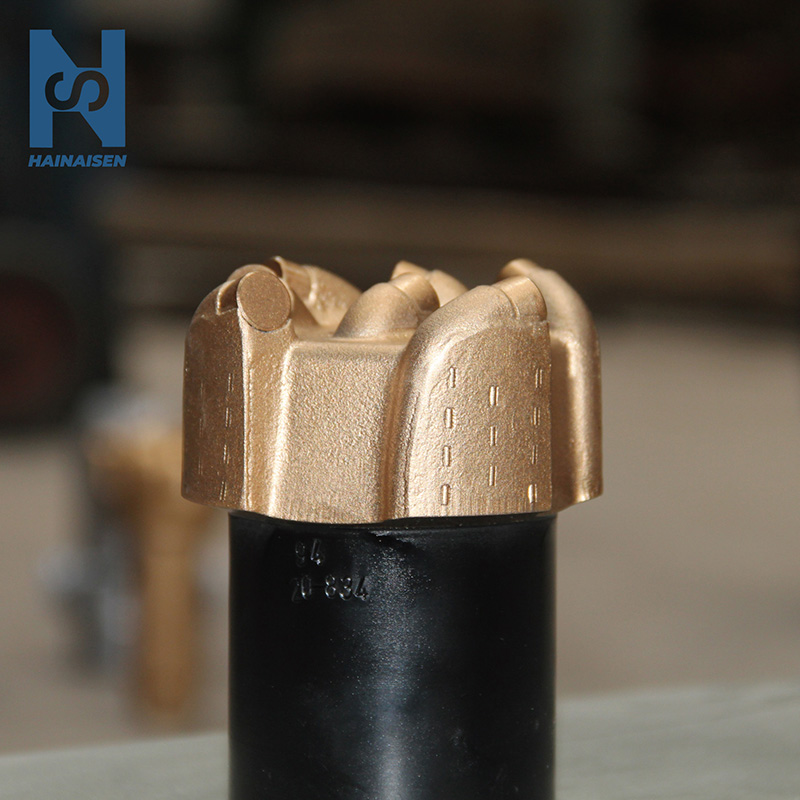
3 Blade PDC Arc Angle Drill Bits are a complex step forward in drilling technology. They were made to work with rough rock forms that are hard for regular drilling tools. Unlike most multi-blade designs, these bits have three blades that are placed in a way that makes the cutting mechanics and fluid flow patterns work better. The arc angles of these blades were carefully measured.
As a professional arc angle PDC Bits for mining Manufacturer, we adopt a premium structural design for our mining-grade PDC drill bits. The core structure consists of precision polycrystalline diamond cutters firmly bonded to a high-strength steel bit body. Each blade is embedded with specialized core materials that greatly enhance thermal stability and high-temperature resistance during mining drilling operations. The unique arc angle configuration serves as a core performance parameter, governing the bit’s cutting aggressiveness and overall working stability. It directly determines the drilling efficiency and adaptability of the tool across rock formations of varying hardness in complex mining stratums.
Technical Specifications and Operational Mechanics
The three-blade design is clearly better than the four-blade or five-blade options because it has bigger junk holes for debris to escape while still keeping structural integrity. Each blade has several PDC cutters that are set up in a certain way to make the most contact with the rock formation while reducing the number of wear spots.
Advanced hydraulic design makes sure that fluids flow properly, which allows for better cleaning and cooling during long drilling operations. The arc angle shape keeps the bit from walking and keeps it stable in its direction. This is especially helpful in abrasive rocks, where tool deflection can lower the quality of the wellbore and raise running costs.
Performance Advantages of 3-Blade PDC Arc Angle Drill Bits in Abrasive Rock
Enhanced Rate of Penetration and Drilling Efficiency
When working in places with rough rocks, the 3-blade PDC arc angle drill bit exhibits much faster rates of entry compared to standard options. The improved blade design better combines cutting forces, allowing for more intense drilling settings without affecting the wellbore quality or bit durability.
Here are the main performance benefits that make these tools stand out:
- Better cutting performance thanks to an improved blade shape that keeps cutting edges sharp longer in rough conditions.
- Less shaking means less downhole tool wear and better overall drilling smoothness.
- Improved hydraulic performance for better removal of debris and heat dissipation during heavy drilling operations.
- Longer operating life thanks to advanced PDC cutter technology and special matrix materials made to prevent abrasive wear.
For mining drainage engineering, our customized arc angle pdc bits for mining drainage systems deliver remarkable performance upgrades that slash operational costs by cutting total drilling hours, minimizing bit round trips and boosting overall project economic returns. Field trials carried out in tough hard rock formations consistently prove that these arc angle PDC bits achieve 15–25% higher drilling efficiency compared with conventional standard drill bits.
Economic Benefits and Long-term Value Proposition
The business benefits go beyond just better drilling performance right away. Overall, drilling projects are much cheaper because they require less upkeep, bits last longer, and the quality of the wellbore is better. The better ability to remove waste lowers the risk of formation damage and stuck pipes, both of which can have a huge effect on project schedules and costs.
Selecting the Right 3-Blade PDC Arc Angle Drill Bit for Your Project
Critical Procurement Considerations for Industrial Applications
To choose the right bits, you need to carefully consider a lot of technical and business factors that have a direct effect on the success of the project. To get the best performance results, the arc angle standard must match the traits of the formation, the drilling goals, and the requirements for equipment compatibility.
As a reliable arc angle pdc bits for mining manufacturer, we emphasize that grasping formation characteristics is critical for selecting proper arc angles. For soft, highly abrasive strata, larger arc angles are ideal to maximize penetration rates. In contrast, compact, mild arc angles are preferred for hard rock formations, prioritizing bit durability and working stability. Thermal conditions also dictate material selection, which is especially vital for geothermal mining projects where outstanding thermal stability is non-negotiable.
Manufacturer Evaluation and Quality Assurance Standards
People who work in procurement have to look at possible suppliers' manufacturing skills, quality control methods, and availability of expert help. The biggest companies put a lot of money into research and development to make sure their goods use the newest developments in PDC technology and metallurgical engineering.
Quality Certifications, guarantee coverage, and help after the sale all have a big impact on the long-term success of a project. Manufacturers that offer full customization services can change the specs of bits to fit the needs of a specific project, which improves performance and cuts costs. When you buy in bulk, you usually save a lot of money and make sure that you always have product available during long digging efforts.
Installation, Usage, and Maintenance Best Practices
Proper Installation Protocols and Operational Guidelines
For bit performance to be at its best, installation and operating settings for the 3-blade PDC arc angle drill bit must be strictly followed as suggested by the maker. To keep things from wearing out too quickly and to get the best cutting results, it's important to carefully control the torque, weight-on-bit settings, and rotating speed ranges.
Inspections done before fitting make sure that the bit is in good shape and that it works with the parts of the bottomhole assembly. Using the right methods when handling PDC cutters keeps them from breaking and keeps the blades in good shape during the fitting process. During the first entry, when extreme settings can damage cutting elements in a way that can't be fixed, optimizing the drilling parameters becomes very important.
Maintenance Strategies and Performance Monitoring
Routine inspection routines make it possible to find wear patterns early on, which could mean that the drilling settings were not right or that the formation has changed. Checking the state of the cutter, the patterns of blade wear, and the features of hydraulic flow on a regular basis gives useful information for improving the performance of future drilling operations and the project as a whole.
Specialized makers offer reconditioning services that can extend the life of bits by replacing cutters and refurbishing blades. These services are cheaper than replacing the bits completely. The right way to store and handle bits between uses keeps them in good shape and keeps precision-engineered parts from getting damaged unnecessarily.
Why Choose HNS 3-Blade PDC Arc Angle Drill Bits?
Superior Engineering and Manufacturing Excellence
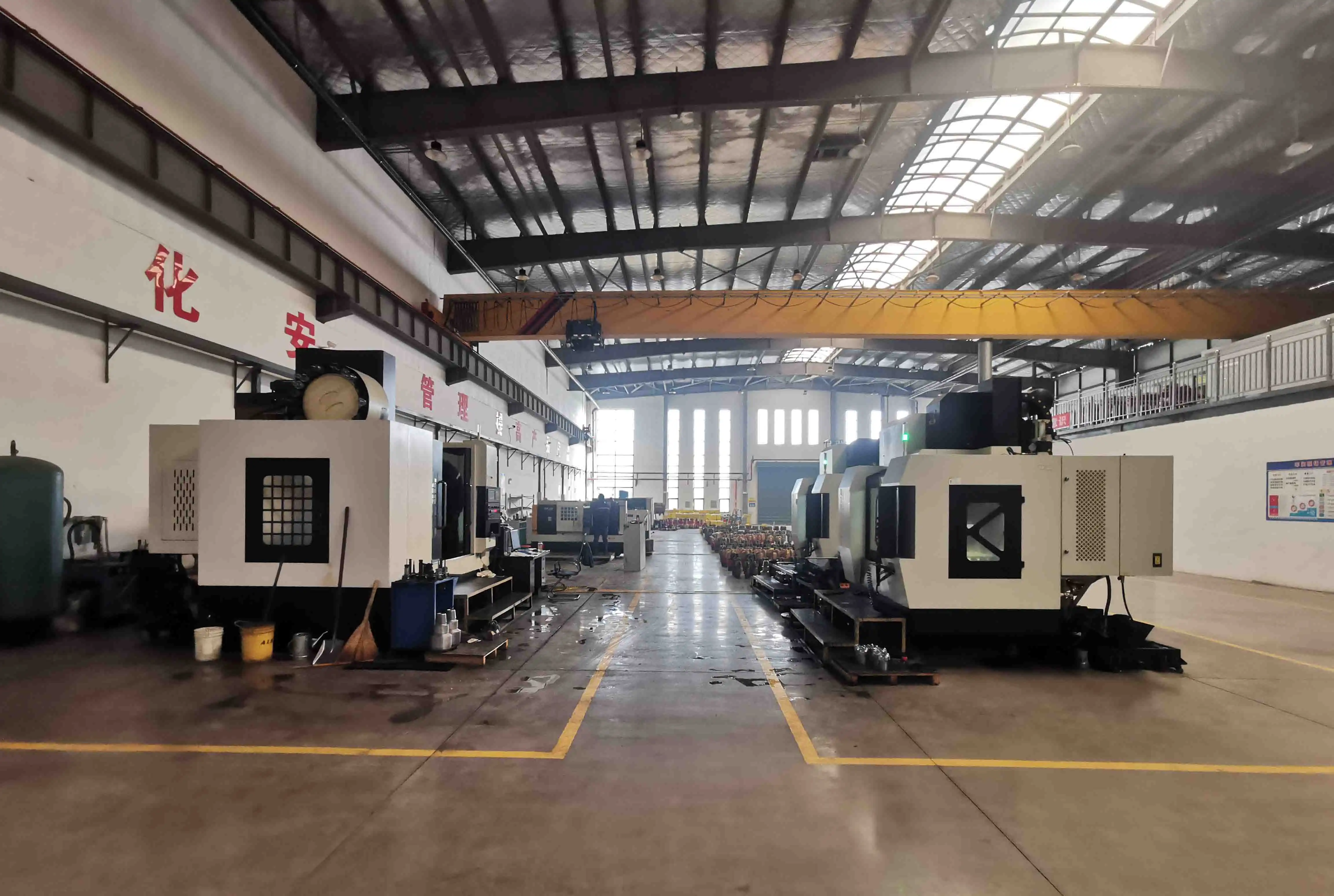
Our dedication to technical success at Shaanxi Hainaisen Petroleum Technology Co., Ltd. drives us to keep coming up with new ideas for PDC drill bit technology. Our manufacturing plant is 3,500 square meters and has modern 5-axis machining centers and CNC machine tools that make sure all of our products are made precisely and with the same high quality.
Our in-house R&D team consists of seasoned specialists skilled at developing tailor-made drill bit designs, including customized arc angle pdc bits for mining drainage systems, to tackle unique geological challenges and match diverse on-site operational demands. Backed by profound industry expertise, we craft personalized drilling solutions that boost penetration speed while controlling overall project expenditure. Equipped with sophisticated manufacturing technology and rich technical accumulation, HNS stands as a trustworthy long-term partner for all complex drilling assignments.
Comprehensive Quality Control and Customer Support
Our strict quality control measures include choosing the right materials, making them precise, and checking their performance in every way before they are shipped. To make sure that each bit works the same way every time, they go through a lot of checks to make sure they are accurate in terms of size, where the cutters are placed, and how the hydraulics move.
During the whole production process, we stick to strict quality standards and use cutting-edge materials like high-grade steel bodies, better PDC cutters, 3-blade PDC arc angle drill bits, and special matrix materials that are designed to be thermally stable. This dedication to quality excellence guarantees dependable work in difficult, rough rock formations where equipment breakdowns can have a big effect on project costs and schedules.
Conclusion
It is a big step forward in drilling technology that 3 Blade PDC Arc Angle Drill Bits work so well in rough rock formations. This leads to measurable changes in working efficiency and cost management. These specialized tools are made with cutting-edge engineering and proven manufacturing quality to handle the toughest natural conditions that modern drilling operations face. Better hydraulic performance, higher penetration rates, and less shaking all have strategic benefits that lead to real economic benefits that support investment decisions in a wide range of industry settings. As drilling projects get harder and more expensive, picking the right bit technology is more important than ever for the project's success and the long-term viability of the operations.
FAQ
1. What materials are used in manufacturing 3-blade PDC arc angle drill bits?
Our PDC drill bits are made with high-quality steel bodies and modern polycrystalline diamond compact cutters that make them more resistant to wear in rough rock forms. Specialized matrix materials make the machine more stable at high temperatures, and precisely designed blade shapes improve cutting efficiency and hydraulic performance in a wide range of rock types.
2. How does arc angle design impact performance in abrasive rock conditions?
The shape of the arc angle affects the cutting force, the steadiness of the bit, and the wear patterns directly during drilling operations. Optimized arc angles lower sound levels while still removing rocks effectively, which increases bit life and total drilling efficiency. The choice of angle is based on the hardness of the rock, the drilling goals, and the operating conditions.
3. What customization options are available for specific project requirements?
HNS provides a wide range of customization options, such as unique cutter plans, specialized hydraulic designs, blade profiles that can be adjusted, and material choices that are based on the working conditions. Our engineering team works closely with clients to come up with the best bit setups that meet their specific practical and geological needs while also being cost-effective.
Partner with HNS for Superior Drilling Performance
HNS makes the best 3 Blade PDC Arc Angle Drill Bits on the market. These bits change the way drilling is done by making it more efficient and lowering costs. Our advanced production skills and wide range of customization options ensure peak performance in a wide range of geological situations. Our technical knowledge and dedication to quality give your projects the dependability they need, whether they need standard setups or custom designs for difficult formations. Get in touch with our engineering team at hainaisen@hnsdrillbit.com to talk about your unique needs and find out how our high-quality drill bit options can help you do better drilling.
References
1. Smith, J.R., "Advanced PDC Bit Design for Abrasive Rock Formations," Journal of Petroleum Technology, Vol. 45, No. 3, 2023, pp. 234-248.
2. Williams, K.M. and Thompson, R.L., "Performance Analysis of Three-Blade PDC Bits in Challenging Geological Conditions," SPE Drilling Engineering Quarterly, Vol. 38, No. 2, 2023, pp. 156-172.
3. Chen, L., "Arc Angle Optimization in PDC Drill Bit Design for Enhanced Penetration Rates," International Journal of Rock Mechanics and Mining Sciences, Vol. 167, 2023, pp. 89-104.
4. Rodriguez, A.B., "Comparative Study of Multi-Blade PDC Configurations in Abrasive Formations," Drilling Technology Review, Vol. 29, No. 4, 2023, pp. 45-62.
5. Johnson, M.P. et al., "Economic Impact of Advanced PDC Bit Technology in Oil and Gas Operations," Energy Economics and Technology Journal, Vol. 15, No. 6, 2023, pp. 123-138.
6. Kumar, S., "Material Sciences Advances in PDC Cutter Technology for Extreme Drilling Conditions," Materials Engineering in Petroleum Applications, Vol. 22, No. 1, 2023, pp. 78-95.
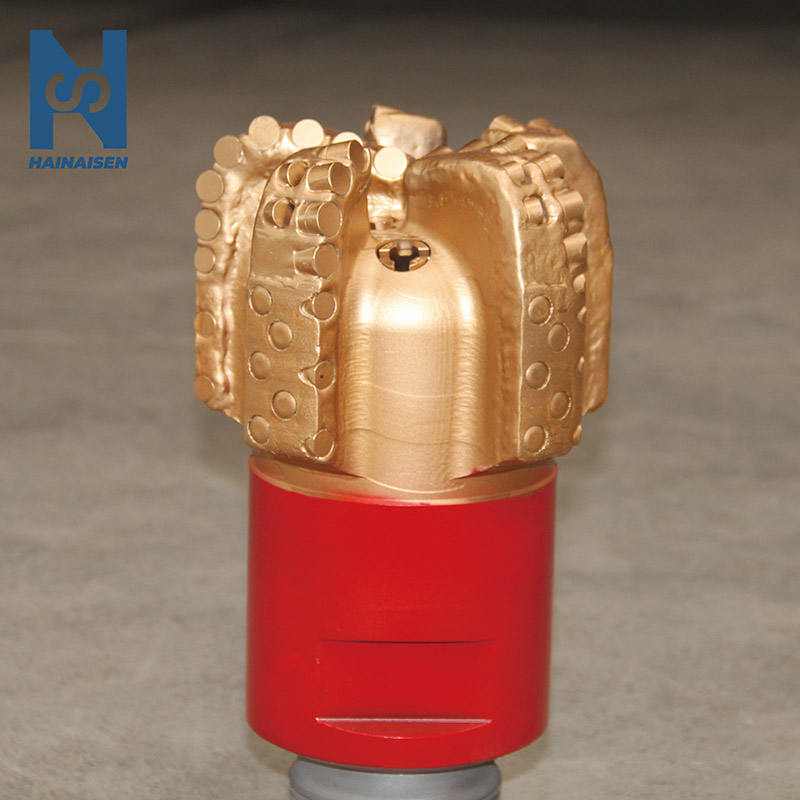 VIEW MOREFive Blades PDC Drill Bits
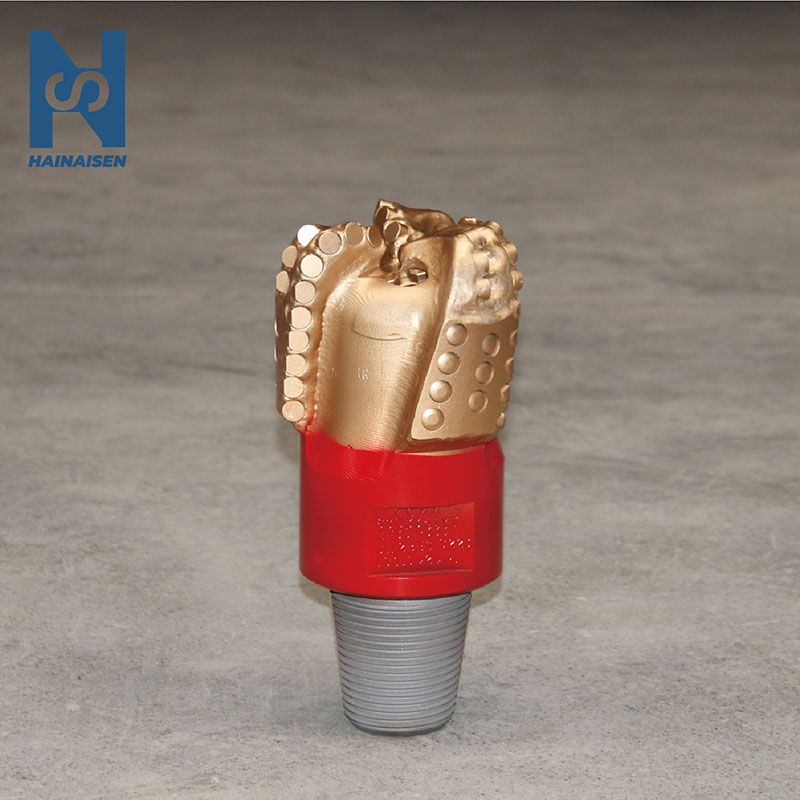 VIEW MOREThree Blade PDC Tricone Drill Bit
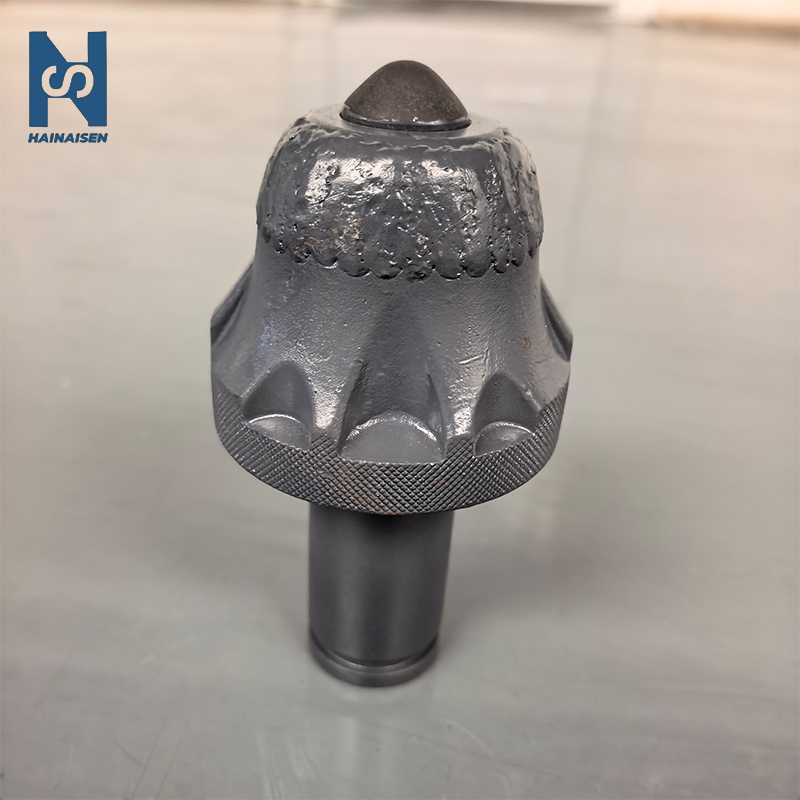 VIEW MOREDiamond Coal Mine Picks
 VIEW MOREPDC Flat Top Sintered Drill Bit
logo 1_1768204983068.jpg) VIEW MOREPDC Core Drill Bit With 8 Blades For Hole Drilling Used In Mining
VIEW MOREPDC Core Drill Bit With 8 Blades For Hole Drilling Used In Mining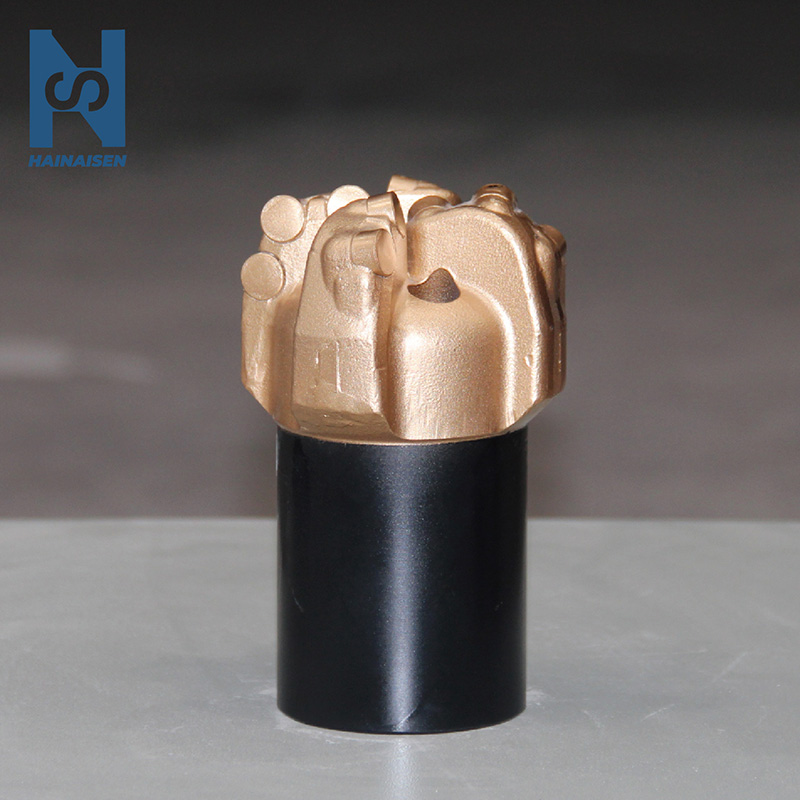 VIEW MOREFour Blade PDC Rock Drill Bit
logo 1_1777361260784.jpg) VIEW MOREFour Wing Arc Angle PDC Drill Bit
VIEW MOREFour Wing Arc Angle PDC Drill Bit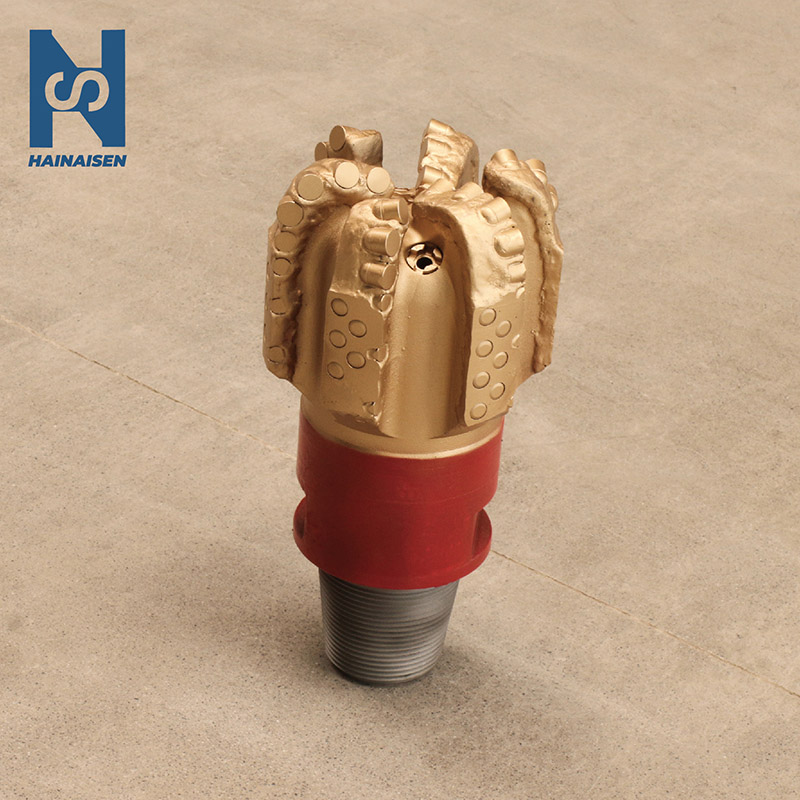 VIEW MORETool 6 Wings Drill Bit PDC
