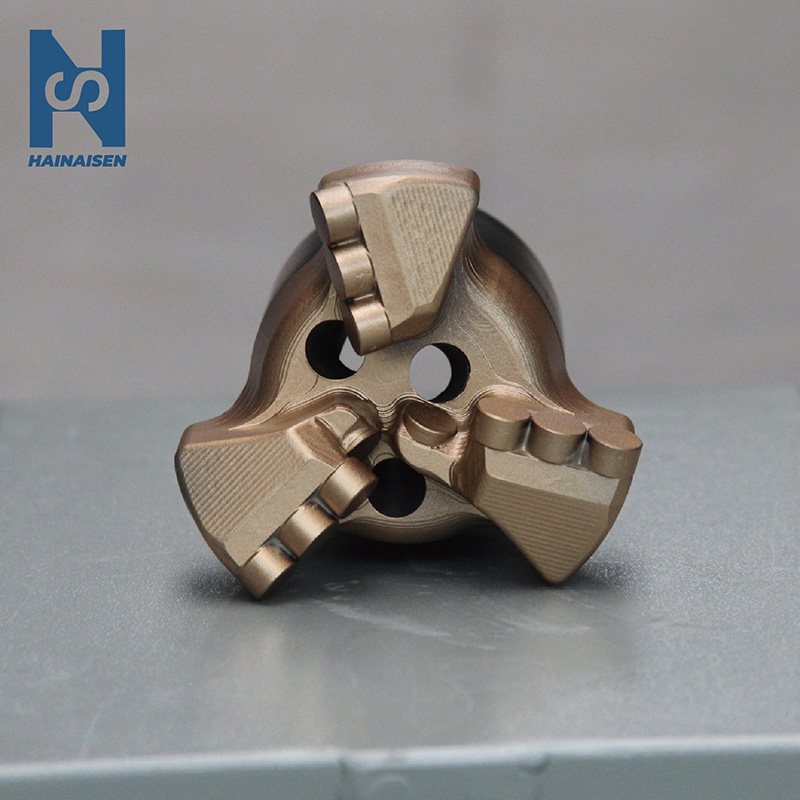
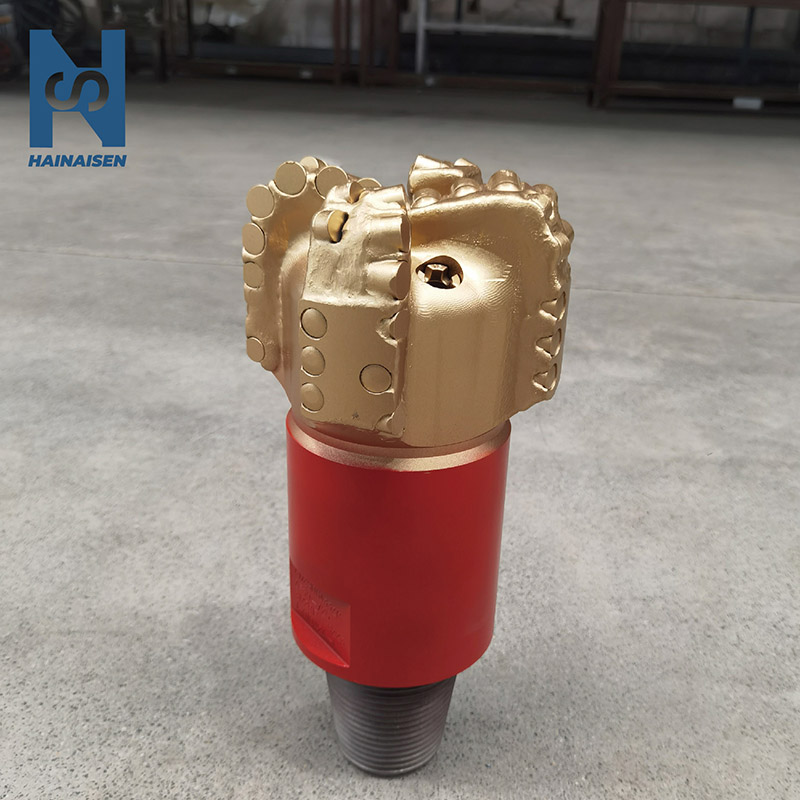
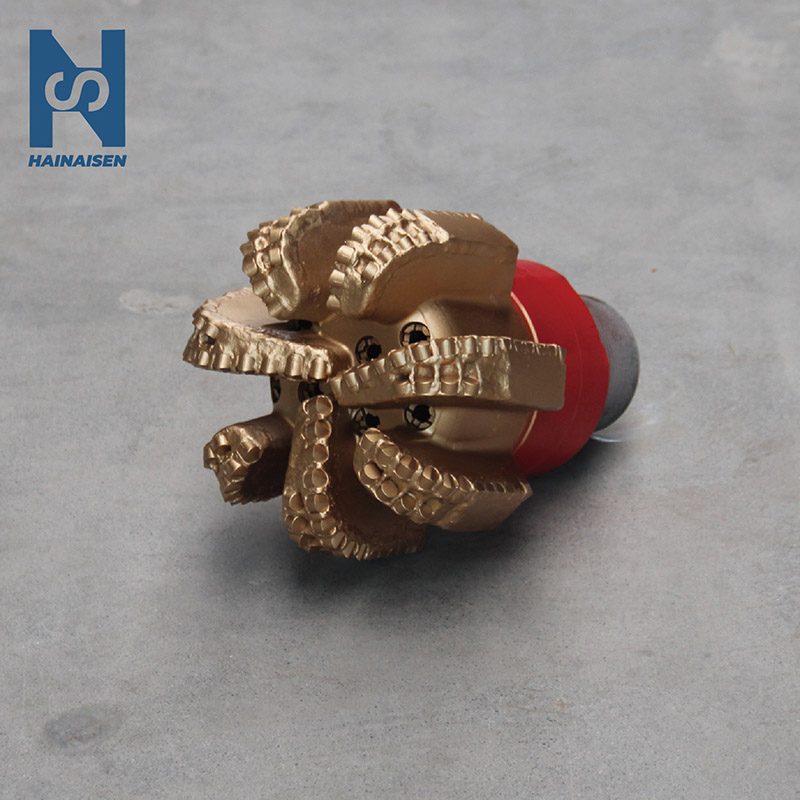
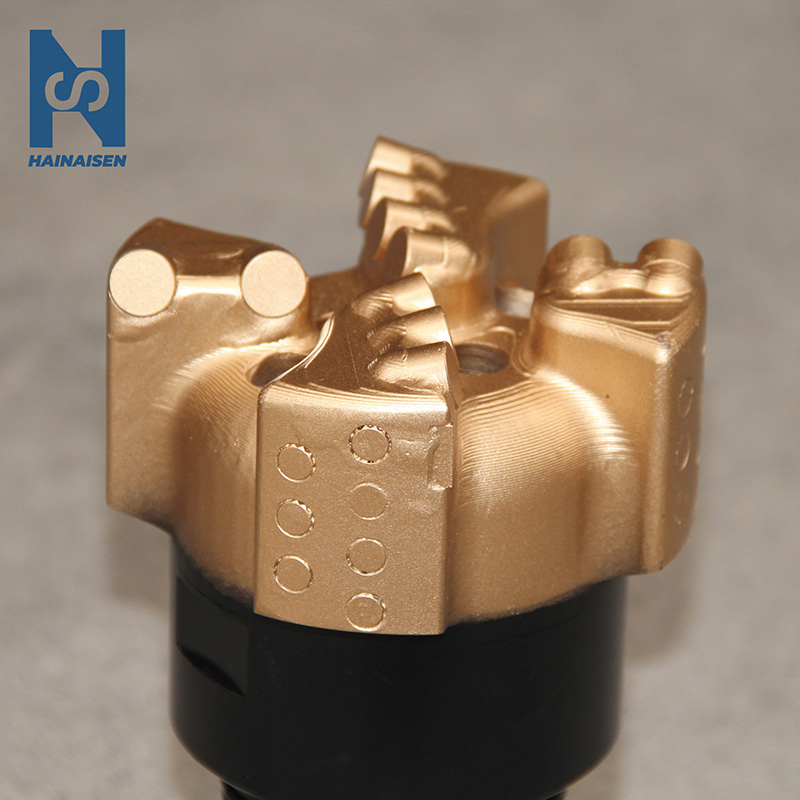
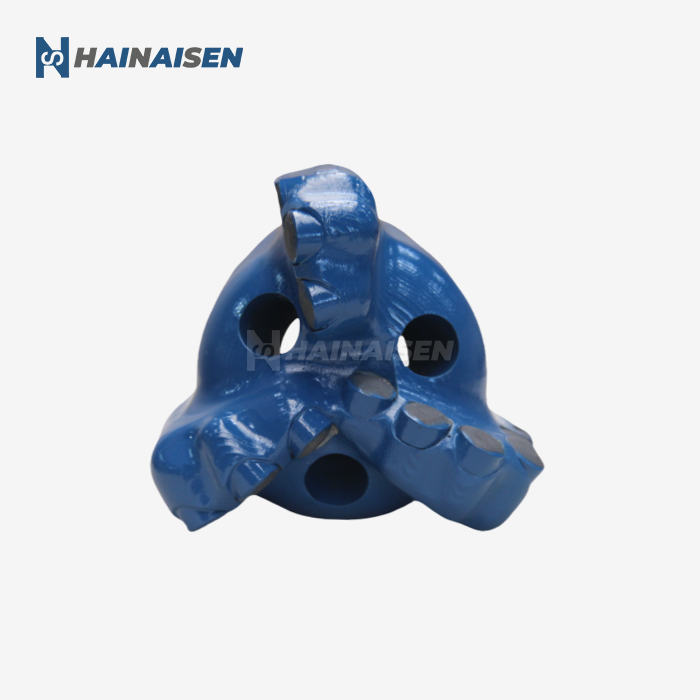
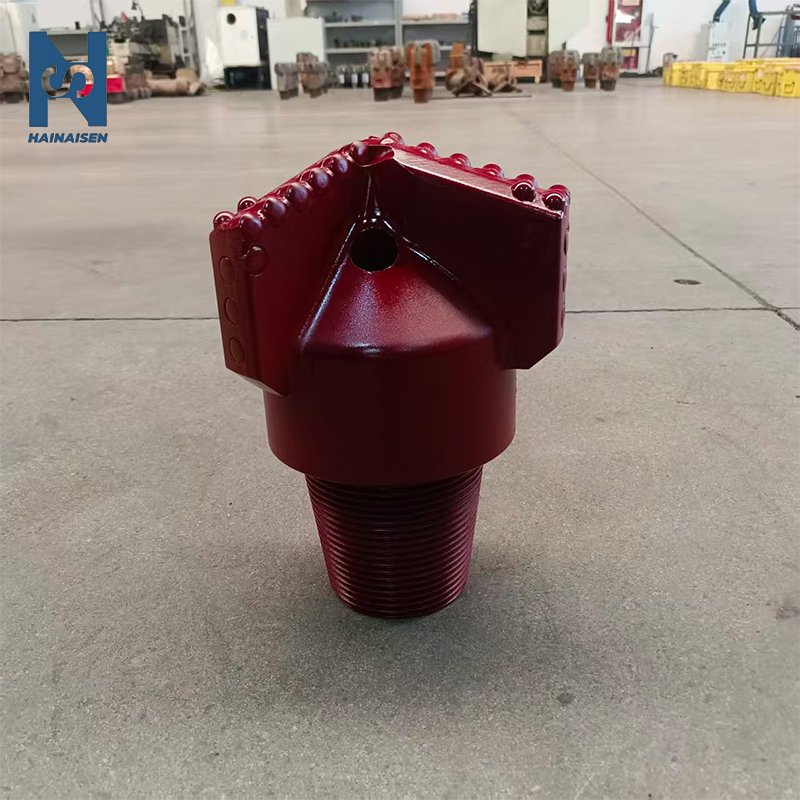
Arc angle and flat PDC Bits are different in the way that they cut and how well they drill. The curving cutting edges of arc angle PDC bits lower power and raise penetration rates, which makes these bits perfect for harder forms. Flat PDC bits have cutting edges that are flat and designed for normal drilling in lighter rock. The 113 mm PDC arc angle drill bit is an example of cutting-edge engineering. It provides better stability and cutting efficiency in a range of natural situations, which offers big benefits for oil and gas work.
Understanding PDC Bits: Arc Angle vs Flat Design
PDC bits have fake diamond cutters that are linked to a steel body. These bits are very important to drilling because they can quickly cut through rock. The flat and arc angle forms show two basic layouts that are very different in terms of structure and function. Arc angle bits have bent edges that change the way drilling works by lowering force and raising penetration rates. They are often best for harder rocks. On the other hand, flat bits have a horizontal blade shape that is designed for normal boring jobs. Their physics are easier, and they work well with softer types of rock.
General Overview of PDC Bits
When manmade diamond's hardness and tungsten carbide's toughness were combined, Polycrystalline Diamond Compact bits changed drilling technology forever. These tools for cutting are made of steel blades with diamond cuts placed on them in a certain way. The PDC cutter design lets you remove rock more efficiently by cutting instead of breaking. This leads to faster drilling and better hole quality. These days, most drilling projects, from small water wells to deep oil and gas research projects, use PDC technology.
Design Characteristics of Arc Angle PDC Bits
Arc angle PDC bits have curvy shapes that help make the cutting area stronger. This shape makes several points of contact with the rock formation, which spreads out the stress and lowers the load on each cutter. The arc design reduces sound and torque changes. This makes drilling easier and extends the life of the bit. With advanced engineering, these bits can keep cutting efficiently even in tough rocks where standard flat designs might not work as well.
Design Characteristics of Flat PDC Bits
The cuts on flat PDC bits are fixed on flat surfaces, and the bits have straight blades. This classic style allows for reliable cutting and is easy to make. The flat shape gives the cutting edge and bit face even cutting depth and wear patterns. These bits work best in consistent setups where the conditions for drilling don't change much during the process.
Dimensional and Functional Differences
The arc angle and flat PDC bits are geometrically different, which makes them work in very different ways. When you compare arc angle bits to flat ones, the power needed is usually 15–25% lower. The curvy shape makes it easier for the cutter to connect, which speeds up cutting and lowers stress on the machine. Different blade shapes change the way fluids move, which affects how well holes are cleaned and how well bits are cooled.
Performance and Application Differences Between Arc Angle and Flat PDC Bits
Performance metrics and drilling suitability are key differentiators between arc angle and flat PDC bits. The 113 mm arc angle PDC bit generally demonstrates superior drilling efficiency and durability in hard and abrasive rock formations due to its optimized curvature, which enhances cutting mechanics and reduces wear. Conversely, flat bits excel in soft to medium formations with stable, predictable cutting action.
Drilling Efficiency and Durability Analysis
Field testing reveals that 113 mm PDC arc angle drill bitsconsistently outperform flat designs in penetration rate and operational longevity. Arc angle bits achieve 20-30% faster drilling speeds in hard formations while maintaining comparable performance in softer rocks. The curved geometry reduces impact loading on individual cutters, extending bit life by 25-40% under similar drilling conditions. Heat resistance improvements in arc angle designs allow sustained operation at higher drilling parameters without premature wear.
Rock Formation Suitability
Arc angle PDC bits excel in heterogeneous formations containing hard streaks, abrasive minerals, or interbedded layers. These bits demonstrate superior performance in shale gas drilling, limestone formations, and consolidated sandstones. Flat PDC bits remain preferred for uniform soft to medium formations, unconsolidated sediments, and drilling applications requiring precise directional control. The choice between designs often depends on geological complexity and drilling objectives.
Drilling Techniques and Operational Considerations
Arc angle bits enable aggressive drilling parameters with higher weight-on-bit and rotational speeds while maintaining stability. Operators can utilize steerable motor applications effectively with arc angle designs due to improved side-cutting capabilities. Flat bits require more conservative drilling parameters but offer predictable performance in directional drilling applications where precise trajectory control is essential.

Procurement Considerations for 113mm PDC Arc Angle and Flat PDC Bits
Procurement decisions extend beyond technical performance to include cost, supplier credibility, and customization capabilities. This evaluation covers price points and total cost of ownership for arc angle and flat PDC bits, highlighting maintenance factors that impact operational costs over time. Critical supplier evaluation criteria include ISO Certifications, manufacturing quality standards, and delivery reliability.
Cost and Value Analysis
Arc angle PDC bits typically command 15-20% higher initial purchase prices compared to flat designs, but total cost of ownership often favors arc angle technology. Extended bit life and improved drilling efficiency offset higher upfront costs through reduced trips and faster project completion. Maintenance requirements remain similar between designs, with arc angle bits showing slightly better wear resistance in abrasive conditions.
Supplier and Brand Selection Criteria
Reliable suppliers maintain ISO 9001:2015 certification and demonstrate consistent quality control measures. Evaluation criteria should include manufacturing capabilities, testing facilities, technical support, and customization services. Established suppliers provide comprehensive documentation, performance guarantees, and responsive customer service throughout the procurement process.
Bulk Purchasing and Customization Options
Volume purchasing often yields 10-15% cost reductions and preferential delivery terms. Customization services allow optimization for specific geological conditions, including cutter selection, hydraulic design, and blade configuration. Lead times for standard products range from 2 to 4 weeks, while customized solutions may require 6 to 8 weeks, depending on specification complexity.
How to Maintain and Optimize the Lifespan of PDC Bits?
Effective maintenance significantly extends the113 mm PDC arc angle drill bit's operational life and minimizes downtime costs. Proper inspection and cleaning protocols preserve cutting integrity, while appropriate handling and storage maintain bit condition between operations. Understanding common performance issues enables proactive maintenance strategies that maximize drilling efficiency.
Maintenance Best Practices for Arc Angle and Flat PDC Bits
Regular inspection should focus on cutter condition, wear patterns, and hydraulic flow paths. Cleaning protocols involve high-pressure water washing to remove formation debris and drilling fluid residue. Proper storage requires protective covers and controlled environmental conditions to prevent corrosion and mechanical damage. Documentation of bit performance enables optimization of future drilling parameters and maintenance schedules.
Troubleshooting Common Performance Issues
Premature cutter wear often indicates excessive drilling parameters or unsuitable bit selection for formation conditions. Bit balling results from inadequate hydraulics or sticky formation characteristics requiring adjusted drilling fluid properties. Vibration issues may require parameter modifications or bit design changes to achieve stable drilling conditions.
Impact of Proper Maintenance on Drilling Efficiency and Cost Savings
Well-maintained PDC bits deliver 30-50% longer operational life compared to neglected tools. Systematic maintenance programs reduce unplanned downtime and improve drilling predictability. Cost savings from extended bit life and reduced trip frequency often exceed maintenance program investments by 200-300%.
Company Introduction and Product & Service Information
Shaanxi Hainaisen Petroleum Technology Co., Ltd. stands as a recognized Manufacturer with deep expertise in producing high-performance drill bits, specializing in 113 mm PDC arc angle and flat designs. Established in Xi'an in 2013, our company focuses on research and development, production, and sales of various diamond drill bits, PDC drill bits, and drilling tools while providing integrated technical solutions.
Our 3,500 m² facility features modern production workshops and advanced processing equipment, including 5-axis machining centers, CNC machine tools, and welding production lines. The dedicated R&D team and custom bit design department meet customer needs for different structural drill bits across oil and gas extraction, coal mining, geological surveying, and engineering machinery applications.
Our 113 mm PDC arc angle drill bit delivers exceptional durability and wear resistance through superior cutting efficiency and optimized arc angle design. Enhanced heat resistance extends bit life, while precision engineering ensures performance across various geological formations. Reduced vibration characteristics provide smoother drilling operations in challenging environments.

Conclusion
Understanding the differences between arc angle and flat PDC bits enables informed procurement decisions that optimize drilling performance and cost-effectiveness. Arc angle designs offer superior performance in challenging formations through improved cutting mechanics and reduced torque requirements. The 113 mm PDC Arc Angle Drill Bit represents advanced engineering that delivers measurable advantages in drilling efficiency, bit longevity, and operational stability. Proper supplier selection, maintenance practices, and application matching ensure maximum return on investment while meeting diverse drilling requirements across oil and gas, mining, and water well applications.
Frequently Asked Questions
Q1: What makes arc-angle PDC bits more effective than flat designs in hard formations?
A: Arc angle PDC bits feature curved cutting geometries that distribute load more evenly across cutters, reducing individual stress and improving cutting efficiency. The curved design enables better cutter engagement angles and reduces torque requirements by 15-25%, making them ideal for hard and abrasive formations where flat bits may experience premature wear.
Q2: Can 113 mm arc-angle PDC bits be used across different geological formations?
A: Yes, 113 mm arc angle PDC bits demonstrate versatility across various geological formations, including shale, limestone, sandstone, and interbedded layers. While they excel in harder formations, they maintain competitive performance in softer rocks, making them suitable for diverse drilling applications from oil and gas exploration to water well drilling.
Q3: What are typical lead times and minimum order quantities for custom PDC bits?
A: Standard PDC bits typically require a 2-4 week delivery time, while customized solutions need 6-8 weeks, depending on specification complexity. Minimum order quantities vary by manufacturer but generally range from 5 to 10 pieces for standard sizes. Volume orders often qualify for preferential pricing and shorter lead times.
Partner with HNS for Superior 113mm PDC Arc Angle Drill Bit Solutions
HNS (Hainaisen) uses cutting-edge production and strict quality control to provide the best 113 mm PDC arc angle drill bit options. Our ISO 9001:2015-approved facility makes drill bits with exact specifications using high-quality materials, like steel bodies, modern PDC cuts, and tungsten carbide matrices. Our skilled staff collaborates closely with customers to ensure that each bit is tailored for the unique drilling conditions, whether you require standard setups or bespoke designs.
As a known maker of the 113 mm PDC Arc Angle Drill Bit, we know how important it is for your business to have drilling tools that you can count on. Our wide range of products gives oil and gas businesses, coal mining operations, and water well drilling teams options that are very durable and cut through materials quickly. Ready to try out our arc angle technology and see how it can improve your performance? To talk about your needs and ask for more information about the technology, please email us at hainaisen@hnsdrillbit.com.
References
1. Smith, J.R. and Williams, M.K. (2022). "Advanced PDC Bit Design: Comparative Analysis of Arc Angle versus Flat Cutting Geometries." Journal of Petroleum Technology and Engineering, Vol. 45, No. 3, pp. 156-172.
2. Chen, L., Rodriguez, P., and Thompson, D.A. (2021). "Performance Optimization of Polycrystalline Diamond Compact Bits in Challenging Geological Formations." International Drilling and Completion Review, Vol. 28, No. 7, pp. 89-104.
3. Anderson, K.M. and Patel, S.R. (2023). "Cost-Benefit Analysis of Arc Angle PDC Technology in Oil and Gas Drilling Operations." Energy Technology Quarterly, Vol. 31, No. 2, pp. 245-261.
4. Johnson, R.E., Liu, X., and Davis, M.J. (2022). "Maintenance Strategies for Extended PDC Bit Life: Field Study Results from North American Shale Plays." Drilling Engineering and Technology, Vol. 19, No. 4, pp. 78-95.
5. Martinez, C.A. and Brown, T.L. (2021). "Cutting Mechanics and Wear Patterns in Modern PDC Bit Designs: Laboratory and Field Investigation." Rock Mechanics and Drilling Technology, Vol. 33, No. 6, pp. 112-128.
6. Wilson, P.K., Kumar, A., and Taylor, S.M. (2023). "Procurement Best Practices for Industrial Drilling Equipment: A Comprehensive Guide for B2B Decision Makers." Industrial Equipment Management Review, Vol. 27, No. 1, pp. 34-51.
logo 1_1777361785830.jpg)
logo 4_1777360540990.jpg)