







What Makes 4 Wings Blades PDC Bit Ideal for Hard Rock Drilling?
The 4 Wings Blades PDC Bit is a great tool for digging in hard rock because it was designed with smart engineering and has been used successfully in the past. This special drilling gear has four cutting blades that are placed in a way that makes the most of polycrystalline diamond compact technology. This technology improves entry rates and makes the equipment very stable in difficult rocks. The balanced blade design minimizes vibration while increasing contact efficiency. This makes it the best choice for mining operations, oil and gas companies, and geological research teams that have to work in tough conditions below the ground.
Understanding 4-Wing Blades PDC Bit: Design and Functionality
The Core Architecture of Four-Wing Design
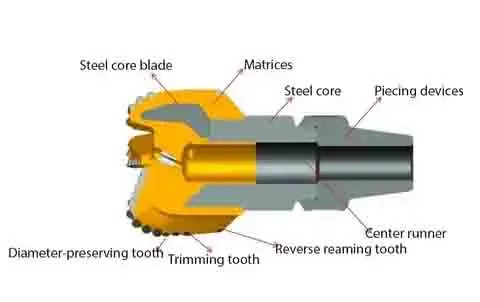
The four-blade arrangement was chosen on purpose by engineers to balance a number of efficiency factors. The four-wing structure provides the best cutting distribution compared to three-blade designs that may be hard to control in terms of direction or six-blade designs that can produce too much force. Each blade has several PDC cuts that are placed at precise angles to effectively shear rock instead of breaking it. This makes drilling go much faster. At Shaanxi Hainaisen Petroleum Technology, we use high-quality steel bodies in our manufacturing process. This makes our products last longer and keep heat in better. When drilling through different types of rock, the steel can handle the shock loads and vibrations that come with it. This choice of material also makes it easier for heat to escape, which is important for keeping the PDC cutter's integrity during long cutting operations. The cutting structure is supported by the bit body, which also has openings for hydraulic fluid to flow through.
Operating Parameters That Define Performance
To apply 4-Wing Blades PDC Bits effectively, you need to know the practical requirements. The normal conditions for our business are spinning speeds of 60 to 250 spins per minute, drilling pressures of 10 to 100 kilonewtons, and flow rates of 25 to 36 liters per second. These factors work together to make the bit work best in medium-hard rocks with low to middling compressive strength. The hydraulic system needs extra care because making sure the fluid flows properly helps with many things. When flow rates are right, the PDC cuts stay cool, which stops thermal damage that shortens bit life. At the same time, drilling fluid moves rock chips away from the cutting face. This stops bit balling, which happens when chips build up and stop drilling progress. Better hydraulics also keep the bit stable while it's turning, which lowers vibrations that can hurt both the bit and the drill string.
Advantages of 4-Wing Blades PDC Bit in Hard Rock Drilling
Enhanced Cutting Efficiency and Penetration Speed
Four blades form a larger cutting surface area, an oil field drill bit, which makes it easier to remove rock quickly. This directly leads to faster drilling rates. Because each blade takes a part of the total cutting load, the stress is spread out more evenly than in designs with fewer blades. This spread keeps individual cuts from wearing out too quickly, which increases the bit's total lifespan. Our customers' field data shows that our tools improve penetration rates by 20 to 35 percent compared to traditional drilling tools in the same types of rocks. Placing blades in a balanced way can help make the spinning smoother while cutting. When a bit turns with little shaking or wobbling, energy moves more efficiently into the rock face instead of escaping through side-to-side movement. This steadiness is especially helpful when drilling through interbedded formations where the hardness of the rock changes a lot. The 4 Wings Blades PDC Bit design keeps constant touch with the bottom of the borehole, which stops the bit from drilling in an unpredictable way that happens with less balanced bit designs.
Extended Service Life and Cost Effectiveness
One big benefit of the PDC technology built into the four-blade base is that it doesn't wear down easily. We use modern polycrystalline diamond compact tools that keep cutting well for a lot longer than regular materials. This means that there will be fewer bit trips, which are when the drill string has to be pulled out to replace old bits. Big oil service companies know that cutting down on the number of trips makes digging more cost-effective overall, especially for deep wells where the round-trip time can be more than 24 hours. Simple maintenance steps are still needed for these bits, and many operations can get more use out of them by inspecting and fixing the cutters every so often. The steel body construction makes it possible to fix up and restore, which is good for buyers who want to get the most out of their equipment purchases. When water well drilling teams are working on projects with limited funds, they find that the mix of low starting cost and long operational life gives them a very good total cost of ownership compared to other bit types.
Comparative Analysis: Why Choose the 4-Wing Blades PDC Bit Over Other Types?
Performance Comparison Across Blade Configurations
When cutting aggressively and penetrating deeply is more important than controlling the direction of the cut, three-blade PDC bits can be very helpful. But their fewer blades can make forces that aren't balanced, which can make directed drilling harder and speed up wear in harder formations. While six-blade designs are very stable, they require more power, which puts stress on drilling equipment and lowers its mechanical efficiency. This 4 Wings Blades PDC Bit design is the best of both worlds because it works well in a wide range of drilling situations. Technical experts have to think about the features of the formation, the drilling goals, and the equipment's power when choosing a bit. The four-blade design works best in medium-hard rock types like shale, limestone, sandstone, and gypsum. These are the types of rock that are found in most oil and gas research, coal bed methane development, and water well building projects. This makes it a good choice for drilling workers with a wide range of projects who can't afford bits that are made just for each type of rock.
Advantages Over Traditional Diamond Bits
Natural diamond bits are still useful for certain tasks that need very high hardness, but because they are expensive and hard to find, they are not suitable for most industrial piercing jobs. When compared to other technologies, PDC technology offers similar results at a much lower cost and is easier to get through established manufacturing routes. The four-wing PDC bit has this cost-saving benefit along with design features that oil field drill bit make it ideal for rotating drilling, unlike embedded diamond bits that were first made for core drilling. When comparing operational efficiency, PDC bits always do better in soft to medium-hard formations. Impregnated diamonds grind, but PDC cutters slice, which means they need less weight on the bit and produce less force. This speed makes the drilling tools less stressed and allows the penetration rates to go faster. When procurement managers look at the total operational costs, they see that these differences in performance lead to real savings because they cut down on rig time and the need for machine upkeep.
Procurement Insights for 4 Wings Blades PDC Bits
Selecting Reliable Suppliers and Manufacturers
Finding makers who consistently show high quality and technical skill is the first step in a successful buying process. Shaanxi Hainaisen Petroleum Technology has a building that is 3,500 square meters and has high-tech manufacturing equipment like five-axis machining centers, CNC machine tools, and specialized welding production lines. This investment in manufacturing technology makes it possible to make exact bits that meet the highest standards in the business. Buyers should make sure that possible providers use the same quality control methods throughout the whole production process. Certification and testing procedures give concrete proof of the ability to make something. Each bit made at our factory goes through a strict check to make sure it meets the standards for size accuracy, cutter placement accuracy, and hydraulic performance. Material Certifications, quality inspection records, and performance standards should all be included with final goods. Large oil service companies with lengthy licensing processes benefit from providers who keep detailed quality records and allow third parties to check the quality of their products.
Evaluating Total Cost and Value Proposition
Comparing prices is only one part of making a buying choice. Technical experts and buying managers need to look at the total cost of ownership, which includes the price paid at the start, how well it works, how much upkeep it needs, and how long it lasts. A cheaper bit that needs to be replaced often or doesn't perform well enough ends up costing more in the long run than a more expensive bit that lasts longer and works better. Our reasonable prices are based on how efficiently we make things and how easily we can get the materials we need, but we still meet the high-quality standards needed by professional drilling operations. Warranty terms and policies for help after the sale show how confident and dedicated the maker is to customer happiness. A full guarantee that covers production flaws shows that the product is of good quality and lowers the risk of buying it. Response-time customer service that answers technical questions and quickly sends new parts keeps operations running as smoothly as possible. These parts of the service add real value, which is why it's better to build long-term relationships with well-known makers instead of going after one-time deals with unknown providers.
Optimizing Hard Rock Drilling Performance with 4-Wing Blades PDC Bit
Critical Operating Parameters and Adjustments
Paying close attention to working factors is necessary for getting the best 4 Wings Blades PDC Bit performance. The speed of rotation has a direct effect on how well the bit cuts and how much heat it makes at the bit face. Too much speed can damage the cutter prematurely through heat degradation, and not enough speed slows it down and may make it hard to track the bit. The suggested speed range, from 60 to 250 RPM, gives operators the freedom to match bit performance to the properties of the rock and the drilling equipment's abilities. The bit's weight is another important factor that affects how well it drills. When the cutting pressure is just right, the cutters will connect positively with the rock face. But if the weight is too high, individual cutters can become overloaded and break before they should. The range given, 10 to 100 kilonewtons, allows for different bit sizes and building powers. To find the best options for each situation, drilling workers should start at the lower end of the pressure range and gradually add more weight while keeping an eye on the penetration rate, 4 Wings Blades PDC Bit, and drilling vibration.
Maintenance Practices That Extend Bit Life
Protocols for regular inspections find problems as they start to form before they become catastrophic failures. After each bit run, a visual inspection shows patterns of cutter wear, body erosion, and blocked hydraulic pathways. Writing down these findings helps build operational knowledge that guides choices about changing parameters and buying things. Preventive maintenance based on inspection results stretches the life of bits and stops expensive drilling breaks caused by bits breaking down when they're not supposed to. Bits are safe between deployments when they are handled and stored correctly. Protecting PDC cutters from damage caused by impacts while they are being moved and stored stops them from breaking too soon, which lowers the cutting performance. Corrosion that can weaken bodies and affect hydraulic performance is kept to a minimum by storing bits in controlled environments. These small steps seem like they wouldn't add much, but they do by making equipment last longer and performing the same way across multiple drilling operations.
Conclusion
The 4 Wings Blades PDC Bit is a great deal for hard rock drilling because it is well-balanced, made of high-tech materials, and has a history of reliable performance. The four-blade design maximizes cutting efficiency while keeping the stability needed for reliable drilling results in a wide range of rock types. PDC technology has better resistance to wear, which extends the life of the system and lowers the number of expensive bit changes that need to be made. These benefits lead to real operational benefits like faster drilling rates, less stress on equipment, and better project economics that buying managers and technical experts in the mining, oil and gas, and water well drilling sectors like.
FAQ
1. What formations work best with four-wing PDC bits?
4 Wings Blades PDC Bits work best in rocks that are medium hardness and have low to middling compressive strength. These include shale layers, limestone layers, sandstone formations, and gypsum deposits that are popular in coal bed methane development, oil and gas research, and building water wells. The balanced blade design makes it stable enough to work consistently across layers of rock whose properties change a lot over short distances in the vertical direction.
2. How does the size of the bit affect how well it drills?
The bit width affects many aspects of performance, such as the rate of penetration, the amount of hydraulic pressure needed, and the steadiness of operations. Larger bits need proportionally higher flow rates to get rid of enough pieces and cool the cutter. The four-blade design works well for most drilling sizes while keeping the stability and speed benefits that make this combination unique. Our engineering team helps clients choose the right bit sizes based on the design of the wellbore and the powers of the drilling tools.
3. Can these bits be refurbished after use?
Because the body is made of steel, it can be fixed up when the cuts wear out, while the body structure stays strong. Professional restoration services can replace old cuts, fix small body damage, and bring back hydraulic features to bits that have been used past their original service life. This feature adds more economic worth, especially for drilling companies that keep a lot of bits on hand because refurbishing bits costs a lot less than buying new ones.
Partner with HNS for Superior Drilling Solutions
Shaanxi Hainaisen Petroleum Technology is ready to help you with your drilling projects, 4 Wings Blades PDC Bit, by providing you with the best four-wing PDC bits, which are designed to work exceptionally well in tough situations. Our factory uses high-tech production tools and strict quality control to make bits that meet the high standards of oil service companies, mining operations, and drilling firms all over the world. Whether you need standard setups or solutions that are specially made for difficult areas, our experienced engineering team has the technical know-how and quick service that drilling operations need to be successful. Get in touch with our team at hainaisen@hnsdrillbit.com to talk about your unique needs and find out why picky buyers choose HNS as their reliable 4 Wings Blades PDC Bit provider.
References
1. Bellin, F. and Dourfaye, A. (2019). "PDC Bit Technology for Hard Rock Applications: Design Considerations and Field Performance." SPE Drilling & Completion Journal, 34(2), pp. 145-162.
2. Chen, S. and Zhou, Y. (2020). "Optimization of Blade Configuration in Polycrystalline Diamond Compact Bits for Enhanced Drilling Efficiency." Journal of Petroleum Science and Engineering, 189, pp. 106-118.
3. Hareland, G. and Rampersad, P. (2018). "Drill Bit Selection and Optimization Based on Formation Characteristics." International Journal of Rock Mechanics and Mining Sciences, 112, pp. 34-47.
4. Mensa-Wilmot, G. and Glowka, D. (2021). "Advanced PDC Cutter Technology and Application in Complex Drilling Environments." Journal of Energy Resources Technology, 143(5), pp. 052-068.
5. Pessier, R. and Fear, M. (2017). "Quantifying Common Drilling Problems with Mechanical Specific Energy and Bit-Specific Coefficient of Sliding Friction." SPE Annual Technical Conference Proceedings, pp. 287-298.
6. Zhang, L., Wang, G., and Liu, H. (2022). "Comparative Analysis of Multi-Blade PDC Bit Performance in Variable Hardness Formations." Petroleum Drilling Techniques, 50(3), pp. 78-92.
 VIEW MOREThree Blade Wing Arc Angle Drill Bit
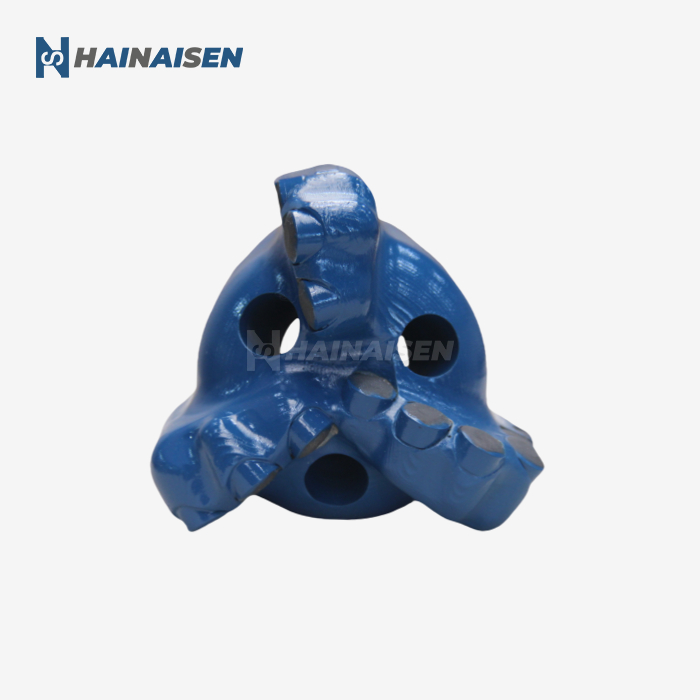 VIEW MORE3 Blade PDC Arc Angle Drill Bit
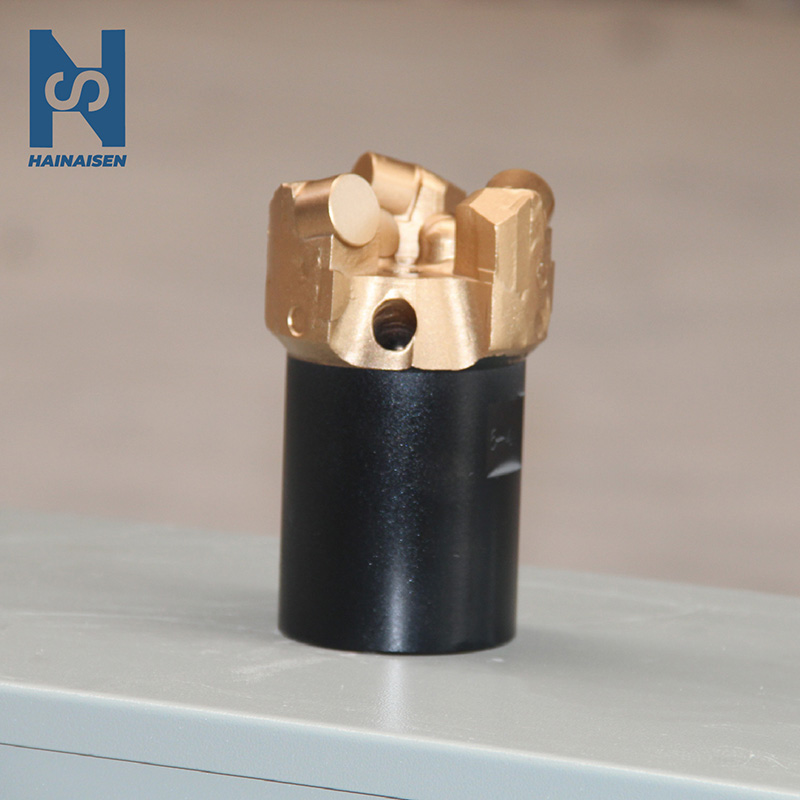 VIEW MORECoal Mining Use Diamond Drill Bit
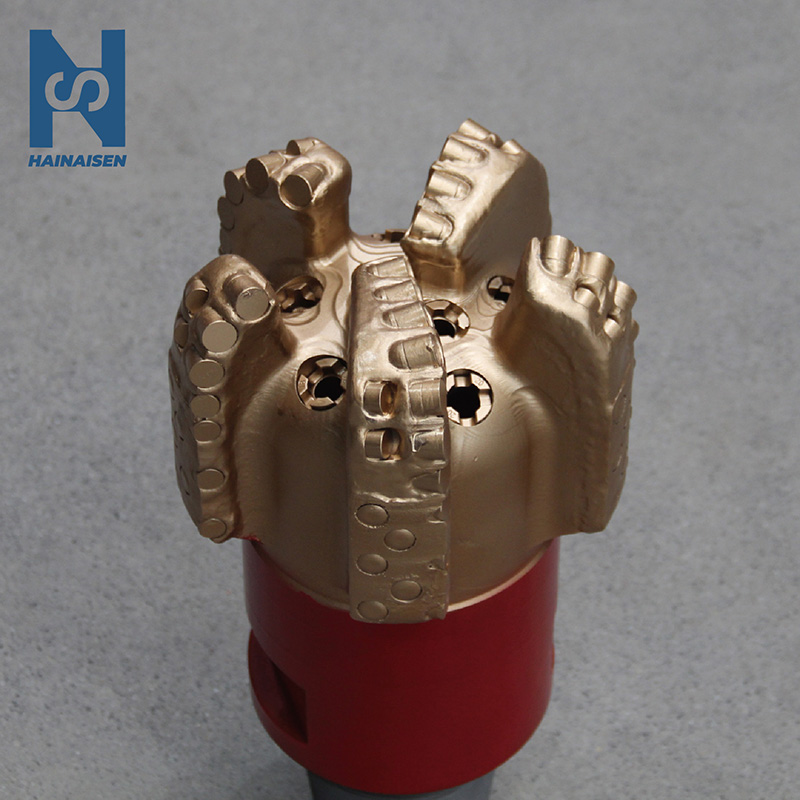 VIEW MOREOil Diamond Drill Bit
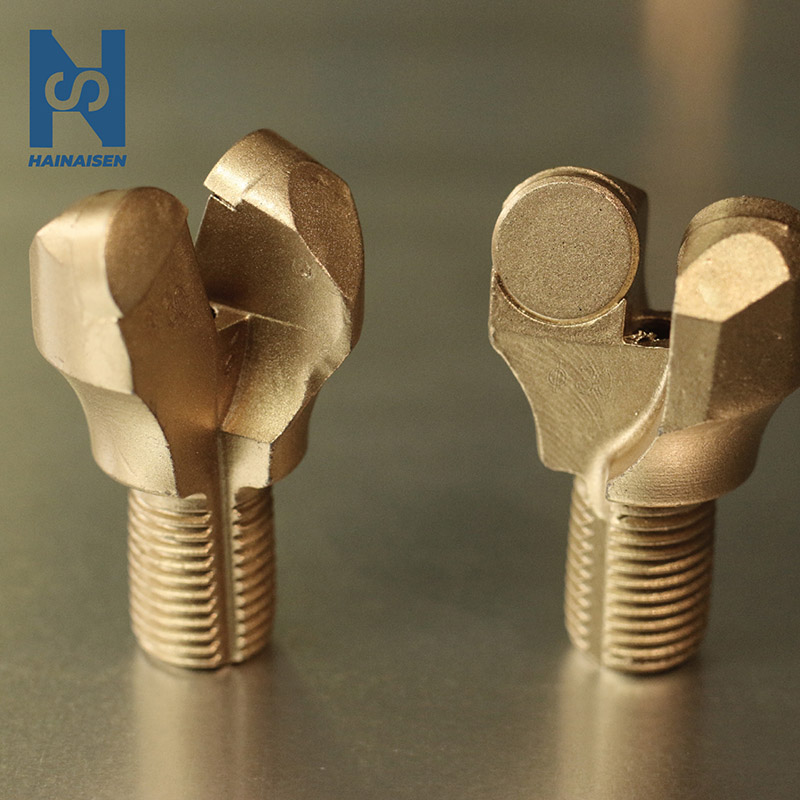 VIEW MORE30mm Half Blade Anchor Bit For Mine Coal Fields
 VIEW MOREForging Deep Rock Well Drilling Bits
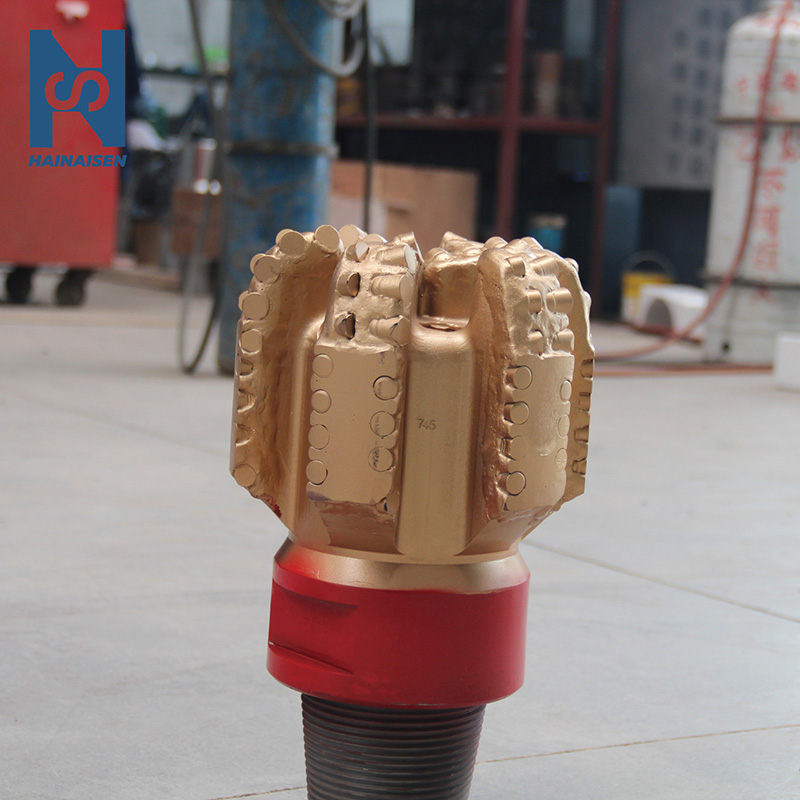 VIEW MOREDiamond Drill Bit Oil Rig
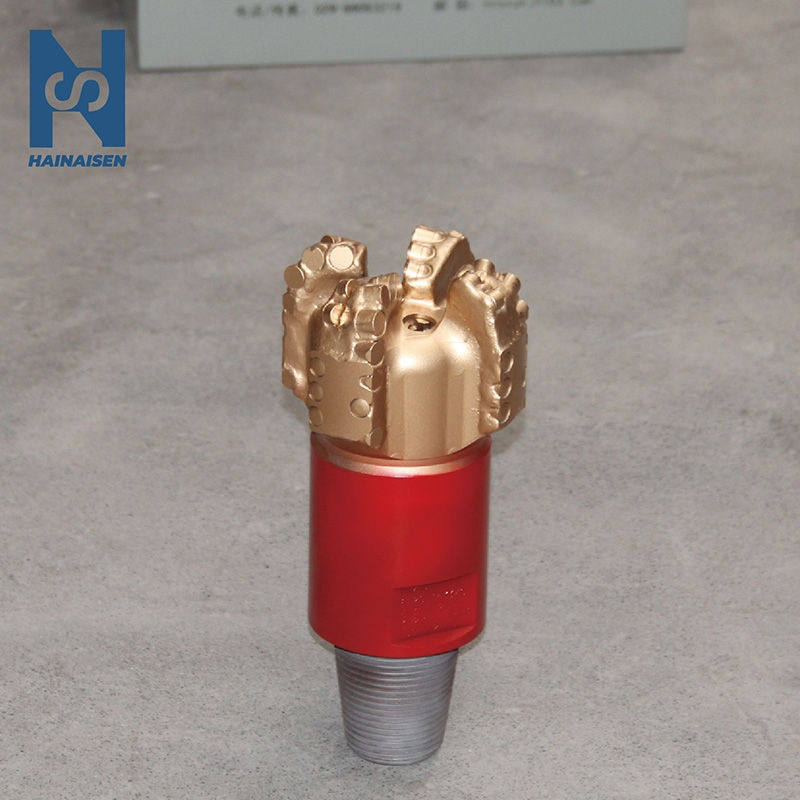 VIEW MORE4 Wings Blades PDC Bit
