




How to select the right 6-blade PDC bit for hard rock formations?
Selecting the right 6-Blade PDC Drill Bit for hard rock formations requires a strategic approach that balances technical specifications, operational demands, and cost considerations. The six-blade configuration offers an optimal balance between stability and cutting efficiency, making it particularly effective in abrasive, high-compressive-strength formations. When evaluating options, procurement managers and technical engineers should consider cutter density, hydraulic design, blade geometry, and material composition to ensure the bit matches specific geological challenges and delivers consistent penetration rates while minimizing operational downtime.
Understanding 6-Blade PDC Drill Bits and Their Design Features
The innovation underlying six-blade polycrystalline diamond compact bits advances drilling techniques, especially for difficult geological situations.
What Defines a 6-Blade PDC Bit Configuration?
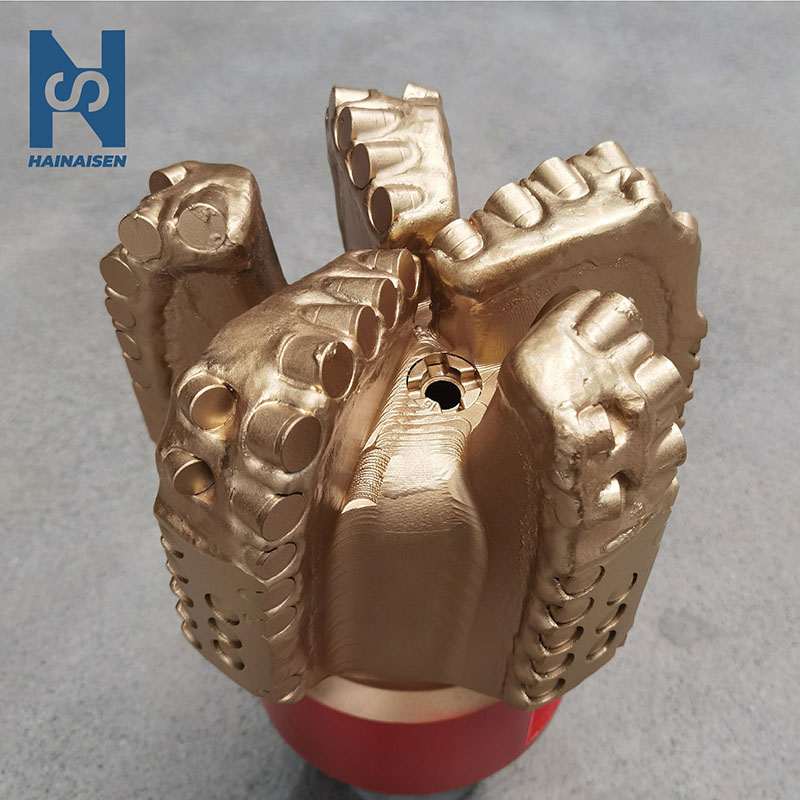
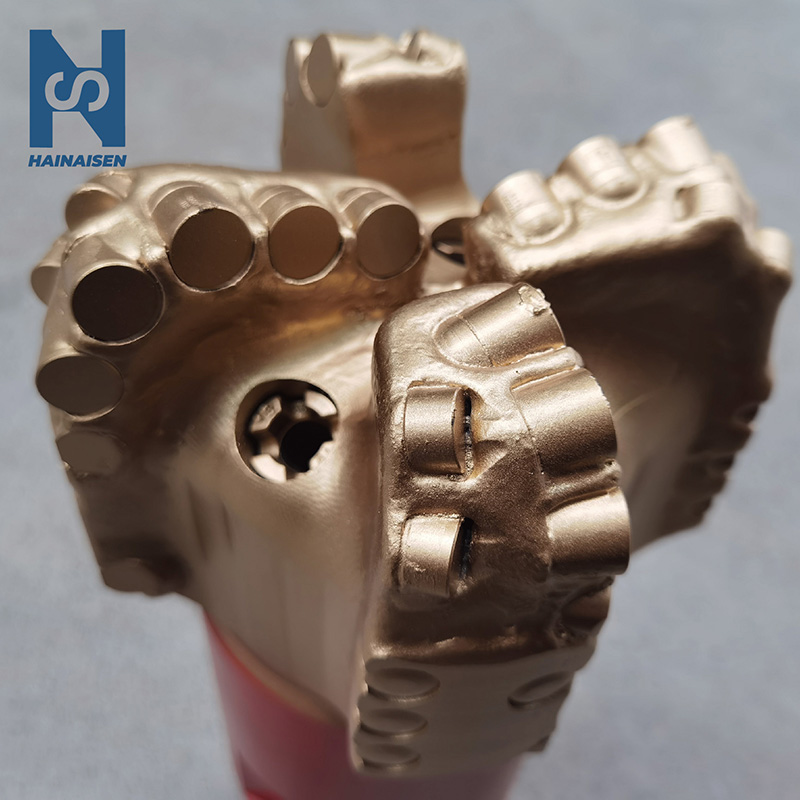
Six wings radiate from a 6-Blade PDC Drill Bit, each supporting numerous cutters. Four-blade designs cut aggressively but are less stable, whereas eight-blade designs are stable but may limit cutter exposure. The six-blade design strikes an optimal balance between cutting forces and garbage slot area for cutting evacuation. To endure intense downhole pressures, bit bodies are made of high-grade steel or matrix material. The HNS 8.5-inch variant with IADC number S223 has 95 PDC cutters over six blades, with 13mm and 16mm cutters strategically placed to optimise rock interaction. The 82mm gauge length and 280mm height assure borehole stability and structural integrity during vigorous drilling.
How Blade Layout Optimizes Contact with Hard Rock
Blade geometry affects drilling in difficult strata. Junk gaps between blades help remove debris efficiently, reducing bit balling in sticky formations. Each blade's profile angle controls cutter engagement with the rock face. Cutter placement is staggered in hard rock applications to spread impact pressures and minimize catastrophic failure. Individual cutter back rake angles affect cutting aggressiveness and heat production. Good six-blade bits keep cutters in contact with rock during rotation, maintaining constant cut depth and reducing vibration-induced damage.
Working Principles That Maximize Rock Fragmentation
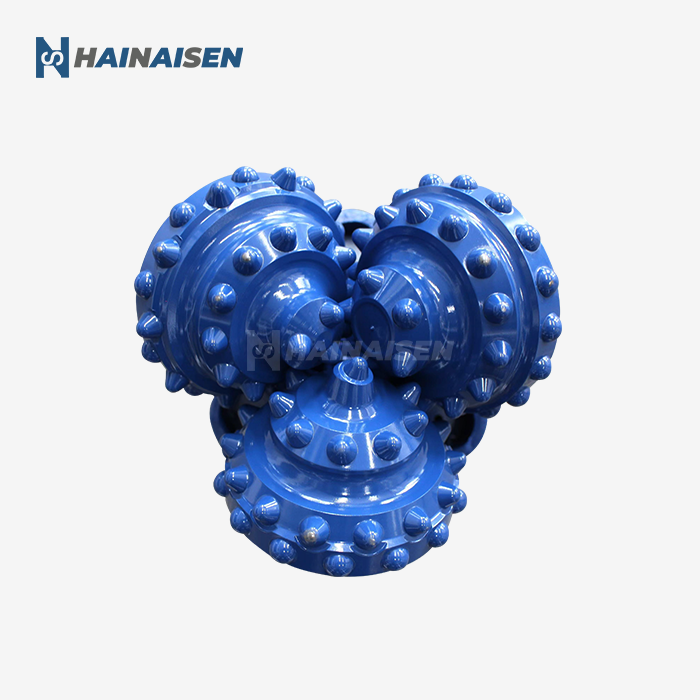
PDC Bits shear rock instead of crushing it like roller cone bits. Due to weight-on-bit rotation, polycrystalline diamond cutters scratch the formation, creating micro-fractures in the rock matrix. The six-blade design improves this process by offering many coordinated cutting sites. Proper cutter position and support behind each cutter are crucial to rock fragmentation. The substrate under the diamond table must absorb impact forces without permitting cutter movement. Quality Manufacturers like HNS use tungsten carbide matrices to sustain and withstand abrasion. Bit stability is also crucial for performance. Six-blade gauge pads give three points of contact with the borehole wall, giving a sturdy platform that resists lateral vibration. This stability is crucial in directional drilling, where trajectory precision is crucial. The 4-1/2 REG PIN connection standard prevents drill string-to-bit torque transfer failures that would disrupt operations.
Evaluating the Advantages of 6-Blade PDC Bits for Hard Rock Drilling
Understanding the benefits of six-blade designs helps procurement teams justify investments and set reasonable performance expectations.
Superior Cutting Efficiency and Rate of Penetration
6-Blade PDC Drill Bits penetrate harder rock than tricone alternatives with less mechanical complexity. The lack of moving components removes roller cone bit bearing failure hazards in abrasive conditions. Field research shows that appropriately designed PDC pieces may penetrate strong limestone and granite rocks 30-50% faster than equivalent tricone designs. The cutter density of six blades allows continuous cutting. HNS bits have 95 cutters across the bit face to cut the formation concurrently. Distributed cutting decreases cutter load, extending their life and maintaining aggressive penetration rates. Cutting efficiency improves with hydraulic efficiency. The garbage hole between six blades allows drilling fluid to flow and take cuttings away from the bit face before they may be re-ground into small particles that increase cutter wear. Effective fluid flow keeps cutter temperatures below practical limits, preventing diamond-to-carbide bond heat deterioration.
Enhanced Durability in Challenging Formations
Medium and big oil service organizations that favor long-term value above initial purchase price must consider durability since it affects the total cost of ownership. Six-blade designs reduce catastrophic blade failure by spreading mechanical stress across a broader cutting structure than four-blade designs. Material choice greatly affects durability. Tungsten carbide gauge protection prevents borehole quality loss from diameter loss, and premium steel bodies withstand fatigue breaking under repeated loading cycles. HNS uses wear-resistant alloys designed for harsh conditions to increase bit life in demanding applications. Durability also depends on cutter quality. PDC cutters are impact-resistant and thermally stable thanks to advanced production methods. To assure performance, HNS designs employ 13mm and 16mm cutters under strict quality control. Larger gauge cutters resist erosion, whereas smaller bit nose cutters cut aggressively.
Ideal Geological Formations and Drilling Scenarios
Six-blade PDC bits thrive in high-compression, moderate-to-high-abrasive formations. This includes hard sandstones, dolomites, cherts, and igneous rocks. The sturdy cutting structure adjusts to various lithologies without vibration, making it ideal for interbedded formations with variable rock characteristics. The steerability of six-blade configurations benefits directional drilling. The balanced cutting structure controls trajectory by reacting predictably to weight-on-bit and rotary speed variations. These bits are useful for horizontal wells in unconventional resource plays and geothermal drilling that requires accurate well placement. Water well drillers in consolidated formations use six-blade PDC bits for their performance and cost. Trip time is reduced by longer bit life, affecting project costs. Coal mining operations drilling methane drainage holes, benefit from bits that keep gauge in abrasive coal measures and provide penetration rates for effective well building.
Comparison Guide: Choosing Between 6-Blade PDC Bits and Alternatives
Six-blade designs must be compared to other technologies to make educated buying decisions.
Performance Comparison Across Blade Configurations
Blade count profoundly impacts bit behavior. Four-blade designs maximize aggressiveness by focusing cutting forces on fewer blades for quick penetration. Aggression sacrifices stability, especially in heterogeneous forms where rapid hardness changes can cause damaging vibration. Stability and easy operation make eight-blade combinations ideal for mild to medium formations without forceful cutting. The higher blade count lowers junk slot area, which may slow penetration in high-cutting formations. 6-Blade PDC Drill Bits combine aggressive cutting with stability for reliable operation across lithologies. This adaptability makes them ideal for drilling programs that meet numerous formation types, avoiding the need to change bits as geological circumstances change. The performance advantage is greatest in hard, abrasive forms where cutting efficiency and durability are equivalent.
Cost-Effectiveness Analysis for Procurement Teams
Purchase price is merely part of the drilling costs. Smart procurement managers consider bit life, penetration rate, and operational dependability when calculating cost per foot drilled. Although six-blade PDC bits cost more than tricone equivalents, their performance benefits generally minimize drilling expenses. Compare bit alternatives for a 2,000-foot hard sandstone well section. $3,000 tricone bits drill 500 feet before needing replacement, requiring four bits and three round trips. The entire length may be drilled with an $8,000 six-blade PDC bit, saving time and money. Time savings from fewer travels typically justify the premium bit investment when rig time costs $15,000 per day. Regional suppliers offering low prices without compromising quality should be considered by coal mining firms seeking price benefits. Water well drilling teams can negotiate volume discounts with dependable manufacturers to lower per-bit costs and ensure supplies for continuous operations.
Application-Specific Selection Criteria
Optimizing outcomes requires matching bit design to operational needs. Premium six-blade bits provide durability and consistent performance for oil and gas drill bit operations in deep wells and variable formations. These bits support longer inspection intervals with proven quality control and field-validated performance.
Six-blade designs also excel in geological exploration drilling, where unpredictable lithologies demand consistent performance across formation changes. Customization of cutter placement and hydraulic design allows adaptation to local geological conditions. For horizontal directional drilling in pipelines, six-blade bits provide precise steerability and efficient cutting to keep projects on schedule. For instance, an 8.5-inch HNS-type bit weighing 45 kg delivers adequate weight transfer without complicating handling during bit changes.
Procurement Considerations for 6-Blade PDC Drill Bits
Supplier relationships and delivery logistics are part of successful procurement beyond technical standards.
Evaluating Supplier Reliability and Manufacturing Quality
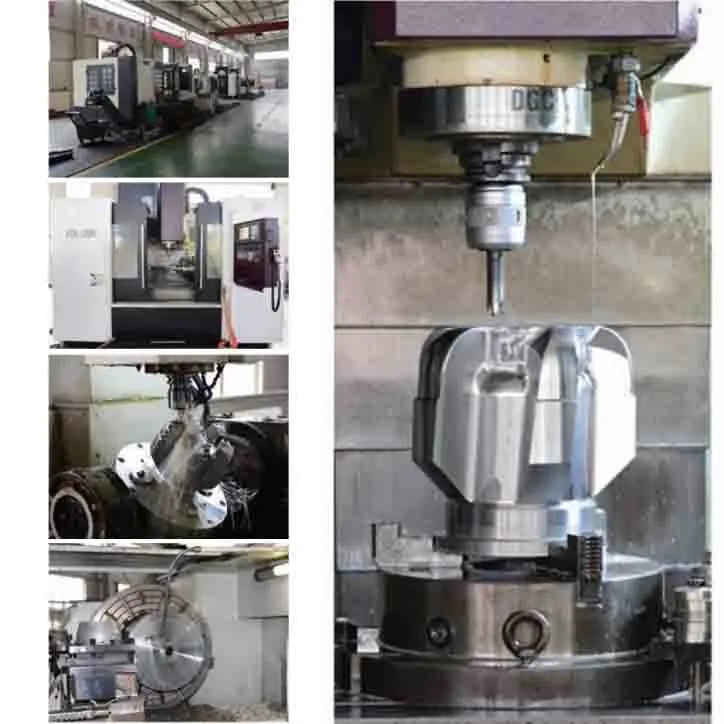
Supplier qualifying should start with manufacturing evaluation. A precision-focused business has five-axis machining centers and CNC technology in modern manufacturing facilities. A 3,500-square-meter facility with advanced machining and dedicated welding production lines allows HNS to maintain quality across production runs. Quality control protocols reveal product reliability. Dimensional verification, material certification, and performance testing show manufacturers' commitment to producing bits that meet specifications. Ask for quality control documentation and consider suppliers with material Certifications and manufacturing records. Industry certifications and standards compliance boost confidence. API-compliant bits prevent costly interface issues with standard drill string components. HNS uses an industry-standard 4-1/2 REG PIN connection to engage drill collars of any brand.
Customization Capabilities and Technical Support
Regions and even wells in the same field have different drilling conditions. Custom bit design services optimize goods for specific applications, adding value. HNS's R&D team may adapt blade profiles, cutter layouts, and hydraulic systems to meet specific operational needs. Tech support can set suppliers apart in competitive markets. Application engineers who know local geology and can propose bits can decrease procurement risk. Field service suppliers increase bit life and performance by assessing bit condition and optimizing drilling parameters. Lead times affect operational planning, especially for time-sensitive projects. Custom designs need more time to manufacture, but standard versions should be accessible with appropriate delivery timelines. Having vendors stock popular sizes will help you get replacement pieces quickly when they break.
Building Long-Term Supplier Partnerships
Strategic collaborations with 6-Blade PDC Drill Bit suppliers assist medium and large-sized oil service firms. Volume agreements guarantee priority access and preferential pricing amid significant market demand. Long-term agreements encourage suppliers to customize and provide technical assistance for customer operations. Transparent communication about performance requirements and operational problems helps suppliers improve goods. Sharing bit performance and formation properties helps manufacturers improve designs for specific applications. This partnership boosts drilling economics and supplier knowledge. Manufacturer trust in product quality is shown via warranty and failure analysis services. Suppliers who analyze bit problems and improve design show dedication to client success after the sale. Understand warranty coverage and exclusions to avoid premature failure disputes.
Maintenance, Optimization, and Future Trends
Maximizing bit performance requires attention to operational practices and awareness of technological developments reshaping the industry.
Practical Maintenance and Inspection Protocols
Before the bit enters the hole, proper bit handling occurs on the surface. Check threads for damage and lubricate before connecting. Insufficient torque can cause downhole connection failure, while overtorquing damages threads. Follow manufacturer makeup torque guidelines and use torque monitoring equipment for essential applications. Downhole operations affect bit life. Too much weight on the bit can overload cutters and cause failure. Track drilling parameters and adjust rotary speed and weight to maximize penetration without damaging vibration. Sudden drilling behavior changes may signal formation transitions or bit damage. Post-run bit analysis informs subsequent operations. Photograph parts soon after withdrawing from the hole to show wear and deterioration. Systematic dull grading utilizing IADC standards allows objective bit condition evaluation and bit type and operating practice comparison. Suppliers can suggest enhancements for future runs with this information.
Optimizing Drilling Parameters for Maximum Performance
Drilling parameters must match bit design and formation characteristics for the best outcomes. Insufficient weight on the bit slows penetration, whereas excessive weight damages cutters. Cutting frequency and heat generation depend on rotary speed, necessitating penetration rate and thermal management balance. Drilling fluid characteristics greatly affect bit performance. Fluid density must create borehole stability without hydrostatic pressure that slows penetration. Higher viscosity improves hole cleaning but may hinder bit nozzle flow. Tuning these settings as conditions change maximizes outcomes. Monitoring in real time allows data-driven optimization. Downhole vibration sensors detect harmful oscillations before they destroy bits, allowing fast parameter modifications. Mechanical energy calculations detect wasteful drilling techniques and guide operators to parameter combinations that maximize penetration and minimize energy waste.
Emerging Materials and Design Innovations
New diamond table compositions and substrate materials improve polycrystalline diamond technology. In geothermal and deep hole applications, 6-Blade PDC Drill Bits can operate at greater temperatures without deterioration due to improved thermal stability. Impact resistance increases bit life in densely interbedded rocks when cutters are repeatedly shocked. Manufacturing advancements like additive manufacturing may enable complicated bit shapes that traditional machining cannot achieve. These technologies might optimise internal fluid passageways for hydraulic performance and develop blade profiles matched to formation parameters. Although new, these features promise considerable performance benefits. Demand for bits that perform consistently across lithologies is rising, eliminating the requirement for different bit types in drilling programs. Operators increasingly need adaptability; six-blade PDC designs fit this need. Extended bit life reduces waste and drilling operations' environmental impact, impacting procurement decisions.
Conclusion
Technical criteria, operating needs, and supplier capabilities must be considered when choosing a 6-Blade PDC Drill Bit for hard rock formations. In difficult geological circumstances, six-blade systems are more stable and efficient than alternatives because of their balanced design. Understanding blade geometry, cutter positioning, and hydraulic design for dependable performance is crucial to procurement success. Access optimal solutions by partnering with suppliers who offer customization, technical support, and consistent quality. As technology and operational needs change, six-blade PDC bits will remain vital for effective drilling in many applications.
Frequently Asked Questions
1. What formations are best suited for 6-blade PDC drill bits?
6-Blade PDC Drill Bits work well in hard, abrasive sandstones, limestones, dolomites, and igneous materials. In interbedded strata with changing lithology, they perform well. For dependable water well drilling and coal seam penetration, the design performs well in cohesive formations.
2. How long is the typical lead time for custom bit orders?
Six-blade versions arrive in 2-4 weeks, depending on manufacturer supplies. Engineering, production, and quality verification take 6-8 weeks for custom designs with changing blade profiles, cutter layouts, or connection types. Framework agreements with suppliers can shorten lead times by pre-stocking popular designs.
3. What warranty terms should buyers expect?
Good manufacturers warranty parts against material and manufacturing flaws, but not regular wear. Some vendors offer warranties for certain footage or time periods. Premature design or manufacturing problems frequently qualify for replacement or credit. Always get documented warranty conditions, including coverage and claim processes, before buying.
Partner with HNS for Superior 6-Blade PDC Drill Bit Solutions
Choosing a dependable 6-Blade PDC Drill Bit manufacturer affects drilling efficiency and project costs. HNS has over a decade of experience designing and producing polycrystalline diamond compact bits for oil and gas operators, coal miners, and water well drillers in challenging situations. Our 3,500-square-meter facility has five-axis machining centers and modern CNC technology for precise manufacture, and our R&D team designs unique bits for your geological issues. Discuss your hard rock drilling needs with our technical team at hainaisen@hnsdrillbit.com to see how our proven designs, affordable pricing, and extensive technical support can improve your operations.
References
1. Bellin, F., & Doiron, H. H. (1985). "Drilling Performance Characteristics of PDC Bits in Hard Rock Formations." Society of Petroleum Engineers Journal, 25(4), 457-463.
2. Clayton, R., Chen, S., & Lefort, G. (2005). "New Bit Design, Cutter Technology Extend PDC Applications to Hard-Rock Drilling." Oil & Gas Journal, 103(17), 52-58.
3. Durrand, C. J., Skeem, M. R., & Hall, D. R. (2010). "Thick PDC Cutters for Hard Rock Drilling: Development and Test Results." SPE/IADC Drilling Conference Proceedings, Paper 128741.
4. Kriesels, P. C., Keultjes, W. J., Dumont, P., & Huneidi, I. (1999). "Cost Savings Through an Integrated PDC Bit Selection and Drilling Optimization Program." SPE Drilling & Completion, 14(1), 37-42.
5. Miess, D., Rai, P., & Ozbayoglu, M. E. (2020). "Optimization of PDC Bit Design for Specific Rock Properties and Drilling Parameters." Journal of Petroleum Science and Engineering, 193, 107344.
6. Warren, T. M., & Armagost, W. K. (1988). "Laboratory Drilling Performance of PDC Bits." SPE Drilling Engineering, 3(2), 125-135.
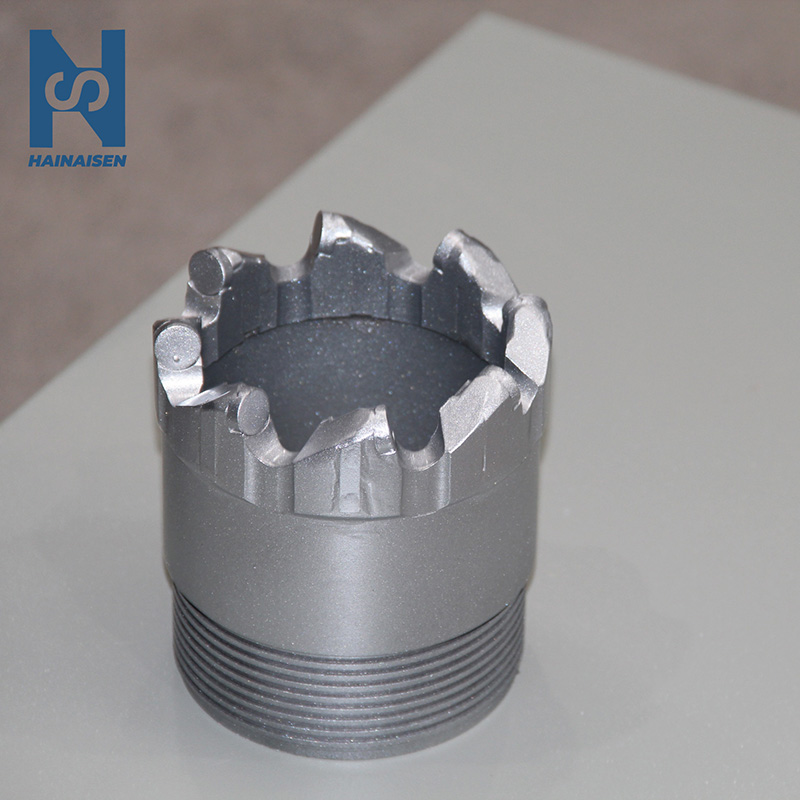 VIEW MOREPDC Core Drill Bit Used For Drilling
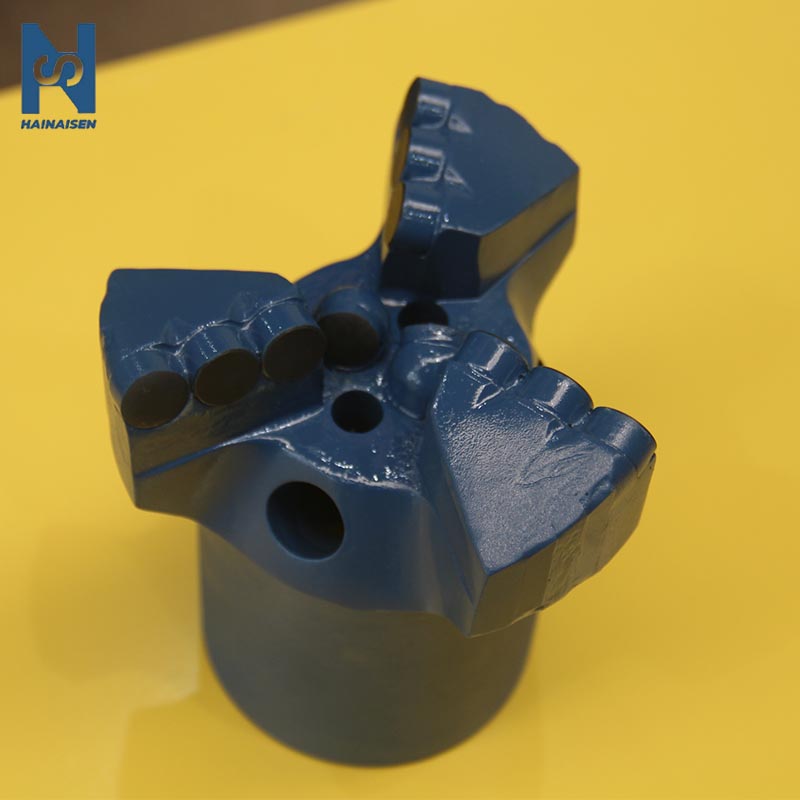 VIEW MOREPolycrystalline Diamond Drill Bits
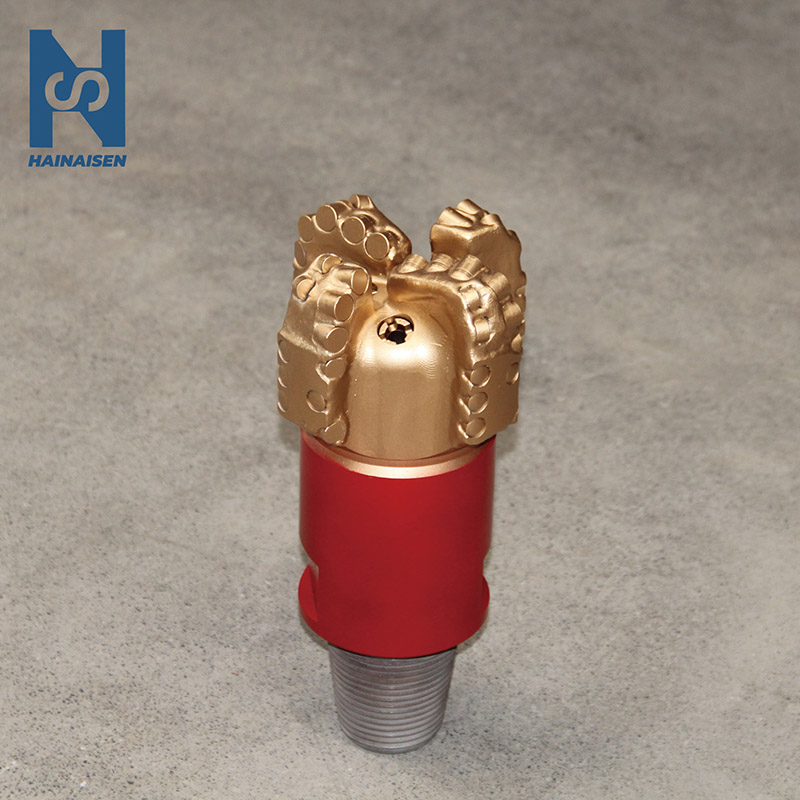 VIEW MOREFour Blade Wing Oil Drilling Tool
 VIEW MOREPDC Diamond Bit
 VIEW MORE113mm Three Wings PDC Arc Angle Drill Bit
 VIEW MOREThree Blade Wing Arc Angle Drill Bit
 VIEW MOREFour Blade Wing Petroleum Drill Bit
 VIEW MOREHard Alloy Roller Drill Bit