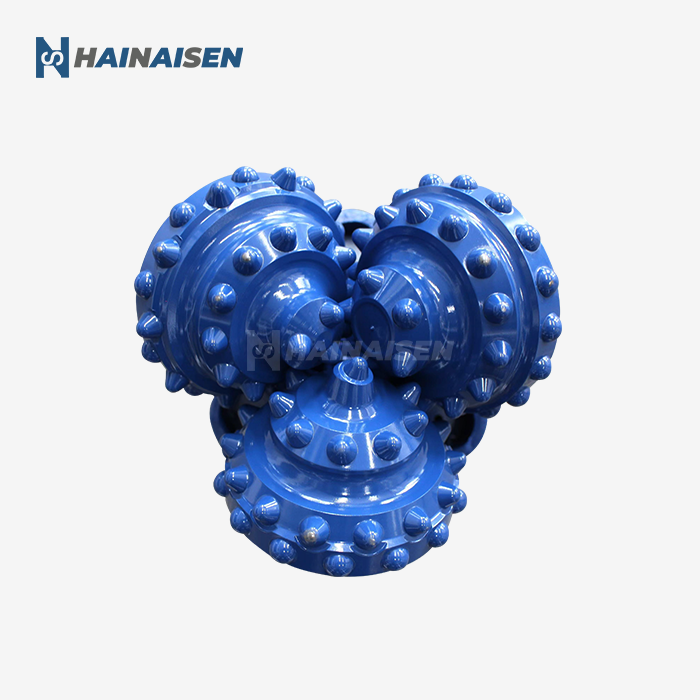
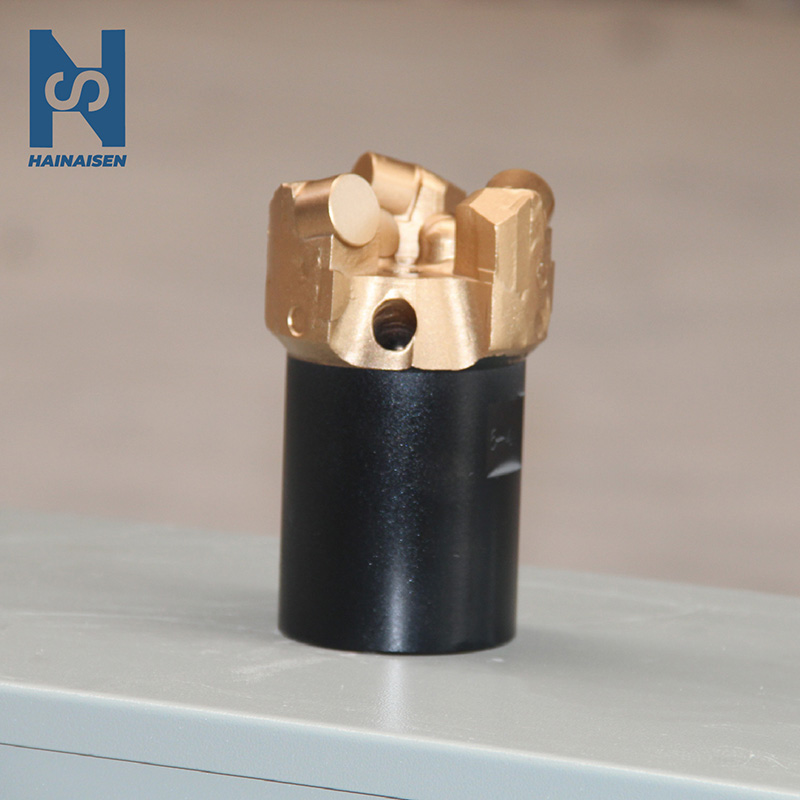
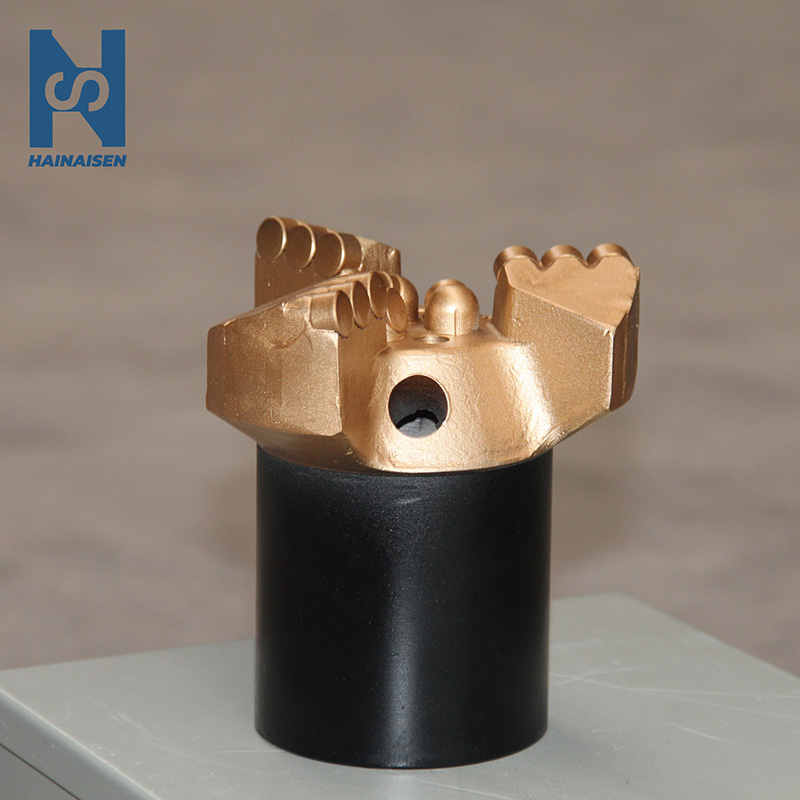
Energy use and ROP (Rate of Penetration) testing for four-blade PDC (Polycrystalline Diamond Compact) drill bits are part of a full evaluation process that tests the power economy and cutting speed of these specialized tools. The four-blade PDC rock drill bit goes through very strict tests that check how much electricity it uses in kilowatt-hours (kWh) while also checking how quickly it drills in meters or feet per hour through a range of geological formations. These tests give crucial performance information that affects the running costs, project timelines, and drilling efficiency for procurement managers and technical experts who work in the oil and gas, mining, and geological research industries.
Understanding Energy Consumption and ROP in Four-Blade PDC Drill Bits
The energy use in PDC drilling activities measures the total power that needs to be supplied to cut through rock and remove the material. This reading includes the hydraulic energy from the drilling fluid movement and the spinning energy from the drill string. The test checks how well a four-blade PDC bit uses the energy it gets to drill.
Key Factors Influencing Energy Efficiency
Energy use during drilling activities depends on several important factors. The main factor is how hard the rock is, since it takes much more energy to drill through harder rock. The way the bit is designed, especially the shape of the blade and the position of the cutter, has a big impact on how well energy moves from one part to another. The mechanical force needed to cut is determined by the weight on bit (WOB) and the spinning speed (RPM). The features of the drilling fluid affect how well cooling and chip removal work.
ROP Measurement and Performance Benchmarks
The rate of entry, which measures how far straight down a drill bit goes in a certain amount of time, is the most important way to judge how productive drilling is. Modern testing methods measure ROP under controlled situations to find out how well it should normally work. When it comes to medium- to hard-rock formations, four-blade setups usually have a better rate of penetration performance because they smooth out the cutting area and make the system more stable when it spins.
Testing Methodology for Energy Consumption and ROP of Four-Blade PDC Bits
Comprehensive testing procedures use both lab simulations and field evaluations to get accurate performance data. Testing centers use complex tools to get exact readings of a lot of different operating factors.
Laboratory Testing Equipment and Procedures
High-precision torque monitors, load cells, and RPM tracking systems are used in advanced testing sets to get performance data in real time. During the cutting process, these tools measure the torque, axial thrust forces, spinning speeds, and power usage. Thermal effects on four-blade PDC rock drill bit performance are properly recorded when temperature tracking is used. At the same time, vibration analysis finds possible stability issues that could impact long-term durability.
Field Validation and Data Correlation
Field testing confirms lab results in real-life drilling situations, taking into account differences in the rock being drilled, how the drilling fluid works, and how the drill itself operates. Comparing lab and field data helps to set the confidence intervals for performance forecasts. This two-step method makes sure that buying teams get correct, useful information about which tools to choose.
Data Analysis and Performance Metrics
It is necessary to use advanced methods on the test results to find the best ways for working under certain geographic conditions. Energy efficiency studies figure out the least amount of power needed to get the desired ROP values, and wear rate forecasts tell you how long the bit will last in different situations. This deep look at the data makes it possible to make smart comparisons between various bit types and makers.
Advantages of Optimizing Energy Consumption and ROP in Four-Blade PDC Drilling
Better energy use and ROP performance give drilling operations big practical and cost gains in a lot of different areas. These benefits build on each other over time, giving drilling workers and service companies a lot of value.
Operational Cost Reduction
Using energy more efficiently means using less fuel and power. This is especially important for digging sites that are far away, where energy is very expensive. Better ROP lowers the amount of time the rig needs to be set up, which lowers the cost of running the equipment each day and speeds up the plans for finishing projects. Optimizing the way bits are used helps them last longer, which lowers the cost of replacement and the time spent not working that is caused by bit trips.
Environmental and Sustainability Benefits
Drilling that uses less energy lowers carbon pollution and is better for the environment. This helps follow the new rules for the environment and meets the goals for business sustainability. Using less energy shows that you are responsibly using resources and helps drilling operations have a less negative impact on the environment.
Common Challenges and Solutions in Energy Consumption and ROP Testing
Testing methods face a lot of technical and practical issues that need to be fixed in a planned way so that the data is reliable and correct.
Geological Variability and Test Standardization
It is hard to set up uniform testing settings when formation variation is present. Standardized rock samples and controlled testing settings help make results more consistent. At the same time, statistical analysis of multiple test runs gives us confidence levels for performance estimates. Advanced modeling methods take into account how geology can change in order to make the test results more useful in a range of digging situations.
Equipment Calibration and Maintenance
To make sure that precision instruments keep measuring correctly, they need to be calibrated and serviced often. Test results can be greatly affected by sensor movement and machine degradation, so quality assurance must be done in a very thorough way. Using automatic measuring systems and extra measurement tools makes the data more reliable and the testing errors smaller.
Performance Anomaly Diagnosis
When performance changes unexpectedly, a thorough study is needed to find the reasons and take action to fix them. Diagnostic methods check the state of the bits, the drilling settings, and the features of the rock in order to find the factors that limit performance. This method of debugging makes sure that the four-blade PDC rock drill bit always works as well as possible during its working life.
Procurement Considerations for Four-Blade PDC Drill Bits Based on Energy and ROP Performance
To get the most value out of drilling and make the process run more smoothly, strategic buying choices must be based on performance data as well as business factors. Knowing how energy use, ROP, and total cost of ownership are connected helps people choose a provider and negotiate contracts.
Supplier Evaluation and Performance Validation
Procurement workers should focus on providers who offer clear, verified performance data that is supported by thorough testing methods. Getting help with application building and fixing are important technical support service from suppliers that customers expect even after receiving a product. Long-term ties with suppliers based on open communication about performance and expert teamwork are better for business.
Cost-Benefit Analysis and Value Engineering
A deep study of the original prices and long-term savings is needed to make the right decisions about buying drill bits. Energy-saving parts with better ROP performance often justify their high prices by lowering the cost of running projects and improving project economics. Strategic buying methods like performance-based contracts and bulk purchasing deals can help both cost and performance.
Why Choose HNS Four-Blade PDC Rock Drill Bit?
HNS's specialty is making high-quality four-blade PDC rock drill bits that work well with a wide range of ground types and are very efficient with energy. We are a top maker in the cutting tools market, which can be tough to stand out in because of the advanced features of our designs.
Advanced Design and Material Technology
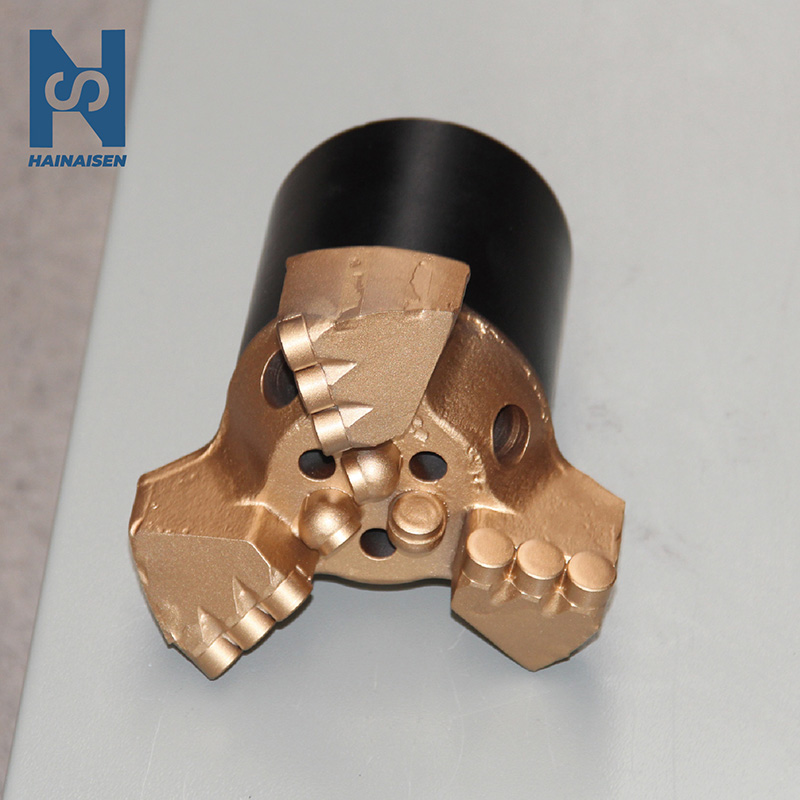
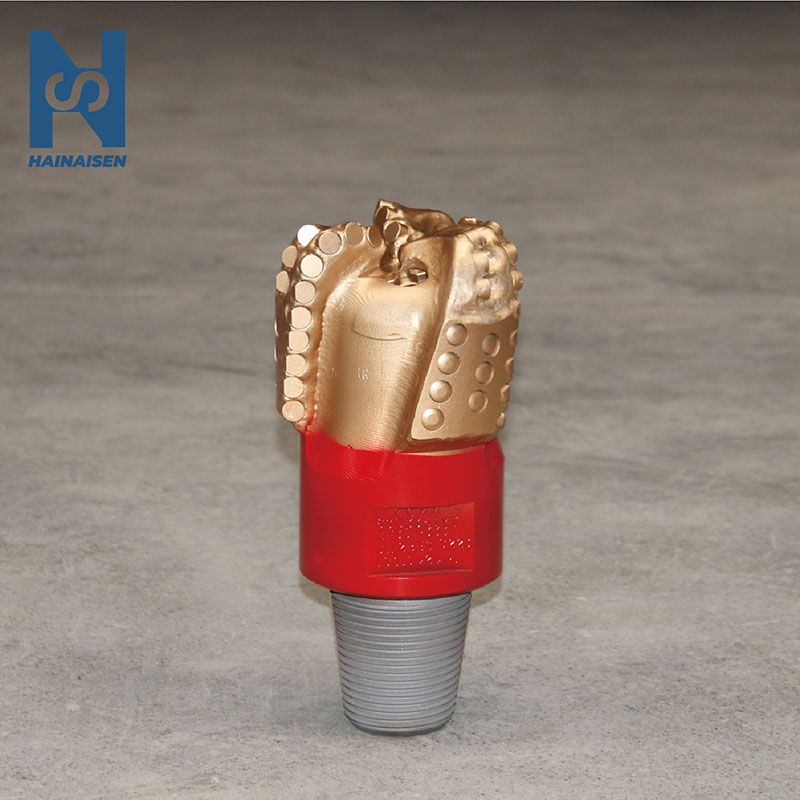
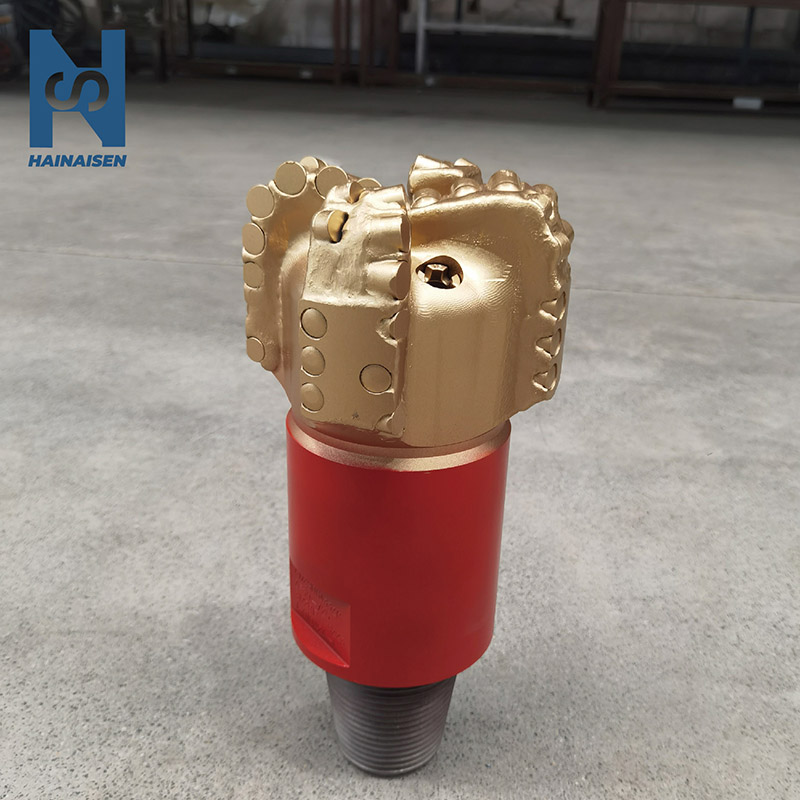
Our Four-Blade PDC Rock Drill Bit uses new materials and technical techniques that make digging more efficient. The body is made of high-quality steel for great strength and longevity, and the modern PDC cuts make cutting much easier. Our tungsten carbide matrix makes the matrix more resistant to wear, which lengthens the life of the bit and lowers how often it needs to be replaced. The improved blade design makes things more stable and lessens shaking. This makes drilling easier and speeds up the Rate of Penetration (ROP).
Versatile Application Portfolio
HNS four-blade PDC rock drill bits work great for a wide range of drilling tasks, which makes them perfect for a variety of business needs. Some of the uses for these technologies are looking for oil and gas both on land and offshore; coal mining that efficiently digs deep into coal seams and formations around them; water well drilling that makes sure resources are developed quickly; geothermal drilling that can handle very hot conditions; construction and foundation drilling for infrastructure projects; and mineral exploration in a range of different rock layers.
Customization and Quality Assurance
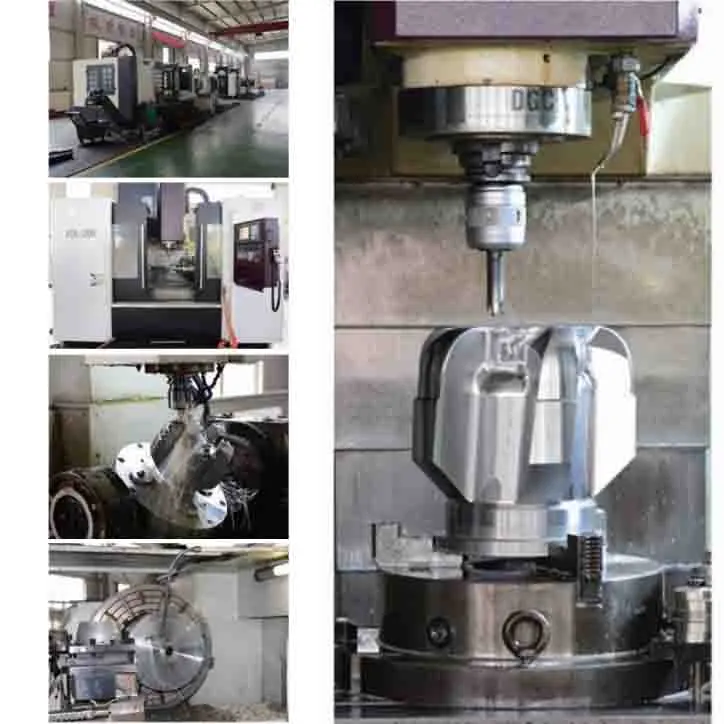
At HNS, we know that each drilling job has its own problems that need specific answers. Our expert engineers work closely with customers to make goods that are based on different kinds of rock, digging conditions, and project goals. Before shipping, our thorough quality control checks include performance testing, precision machining,andrigorous material testing and selection.
Conclusion
Energy use and ROP testing for four-blade PDC rock drill bits are very important tests that have a big effect on how well, how much it costs, and how successful a project is. Procurement managers and technical experts can make smart choices that improve drilling performance and cut costs when they understand these testing methods. The broad method of testing that uses both lab and field models gives us the information we need to choose the right tools. HNS's dedication to modern materials, tough testing, and tailored solutions makes our Four Blade PDC Rock Drill Bit the best option for drilling in a range of businesses.
Frequently Asked Questions
Q1: How often should energy consumption and ROP tests be performed on PDC drill bits?
A: Testing frequency depends on drilling intensity and operational conditions, but annual testing or evaluation after every major drilling campaign ensures consistent performance monitoring. High-intensity operations may require more frequent assessment to maintain optimal efficiency.
Q2: Can lower energy consumption compromise ROP or drilling effectiveness?
A: Properly optimized energy consumption actually enhances ROP by eliminating wasted energy and focusing power on productive cutting action. Advanced four-blade PDC designs achieve superior ROP while reducing overall energy requirements through improved cutting efficiency.
Q3: What are the key signs of four-blade PDC bit wear that affect ROP and energy usage?
A: Key indicators include uneven cutting surfaces, damaged or worn PDC cutters, increased torque requirements, slower penetration rates, and excessive vibration. These symptoms typically result in increased energy consumption and reduced ROP performance, signaling the need for bit replacement or refurbishment.
Partner with HNS for Superior Drilling Performance
Improve your drilling with HNS's energy-saving four-blade PDC rock drill bits that are made to work really well and save you money. As a trusted maker, we offer a range of expert support, personalized engineering solutions, and high-quality goods that make your operations more efficient. Our experienced team works with clients to make custom solutions that deal with unique geographic issues and project needs. Go to hnsdrillbit.com or email us at hainaisen@hnsdrillbit.com to talk about your needs for a four-blade PDC rock drill bit for sale and to get more information about how HNS can improve your drilling and lower your costs.
References
1. Smith, J.A., "Advanced PDC Bit Design for Enhanced Energy Efficiency in Hard Rock Applications," Journal of Petroleum Technology, Vol. 75, No. 3, 2023, pp. 45-52.
2. Chen, L.M., "Comparative Analysis of Four-Blade PDC Cutting Structures: Energy Consumption and ROP Performance," International Drilling Engineering Review, Vol. 28, No. 7, 2022, pp. 112-128.
3. Rodriguez, M.E., "Testing Methodologies for PDC Drill Bit Performance Evaluation: Laboratory and Field Validation Protocols," SPE Drilling and Completion Journal, Vol. 37, No. 4, 2023, pp. 201-215.
4. Thompson, K.R., "Energy Optimization in Polycrystalline Diamond Compact Drilling: Theoretical Framework and Practical Applications," Mining Engineering Quarterly, Vol. 89, No. 2, 2022, pp. 78-94.
5. Wang, H.L., "Rate of Penetration Modeling for Multi-Blade PDC Bits in Heterogeneous Rock Formations," Geotechnical and Geological Engineering Journal, Vol. 41, No. 8, 2023, pp. 1567-1583.
6. Anderson, P.J., "Economic Analysis of Energy-Efficient PDC Bit Technologies in Oil and Gas Drilling Operations," Energy Economics Review, Vol. 56, No. 12, 2022, pp. 334-349.
logo 2_1777360600432.jpg)
logo 2_1777361643767.jpg)