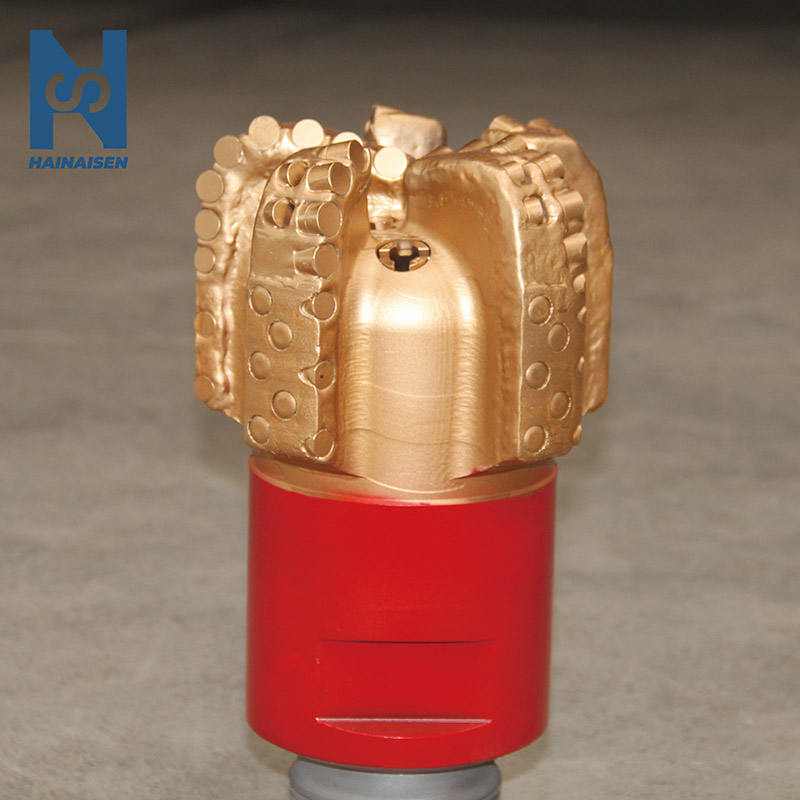
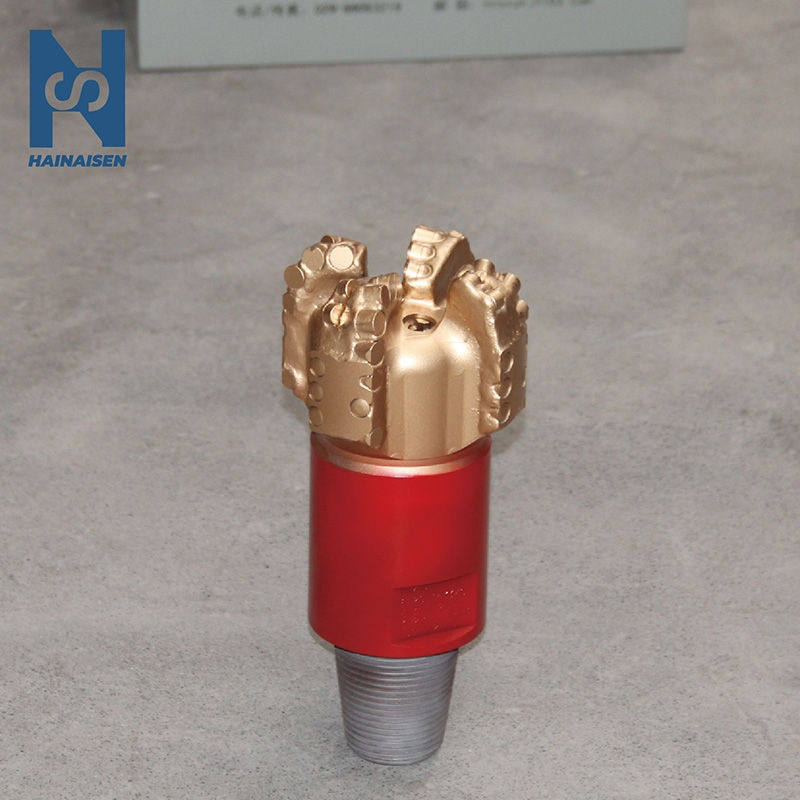
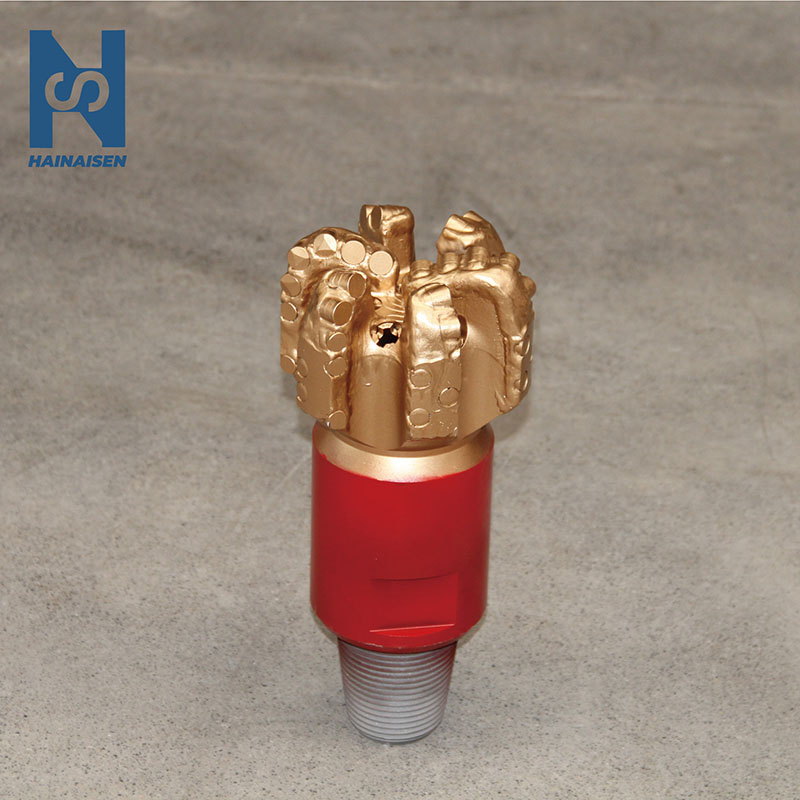
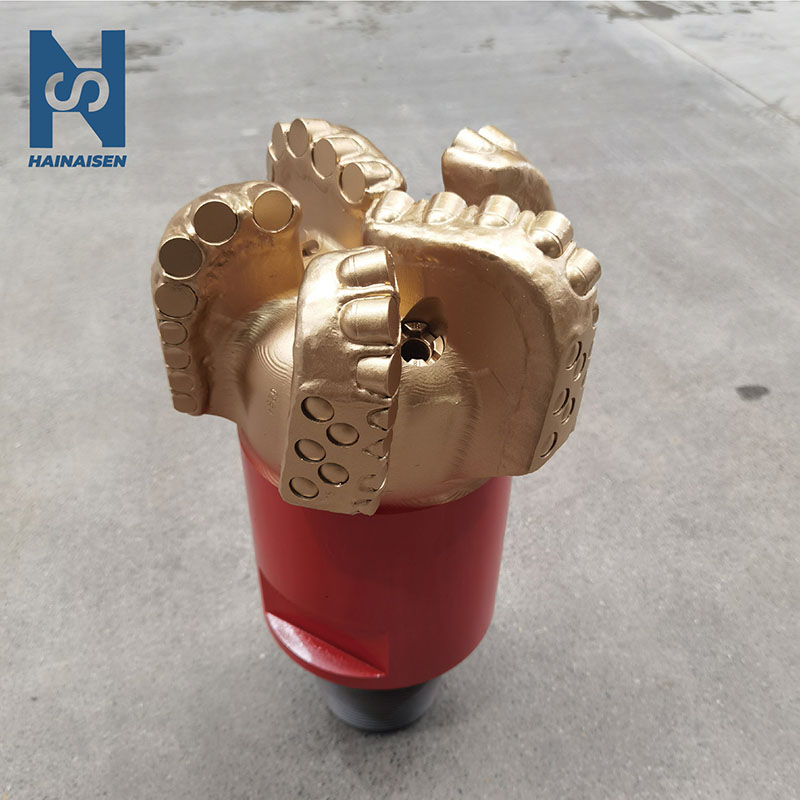
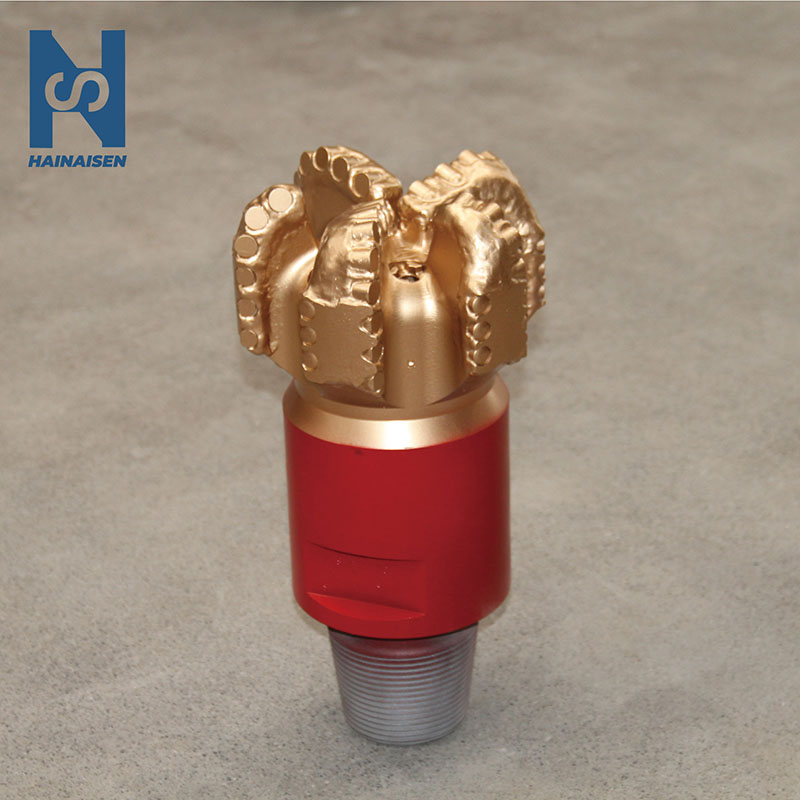
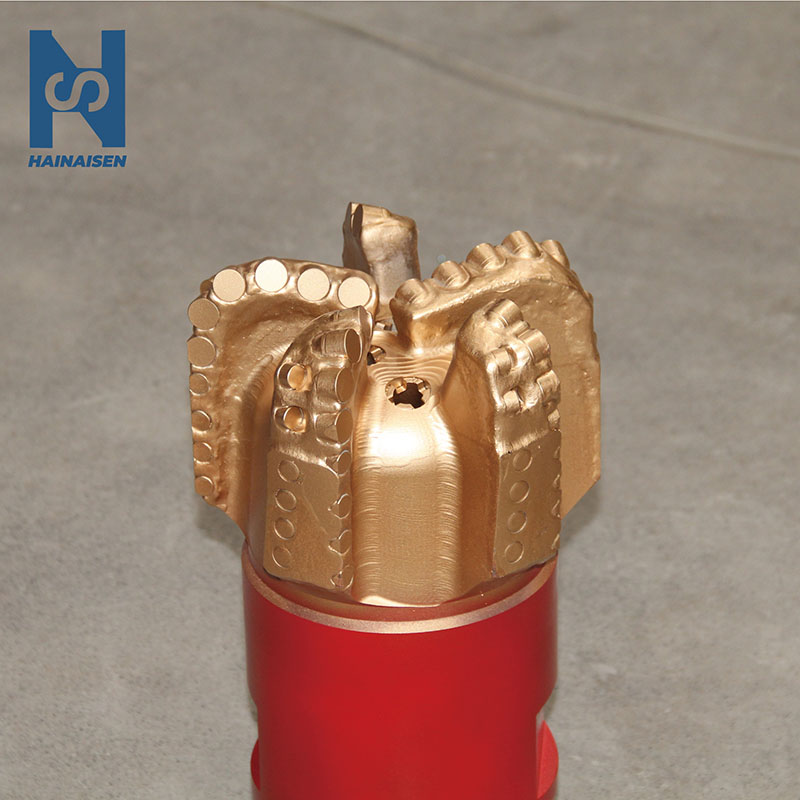
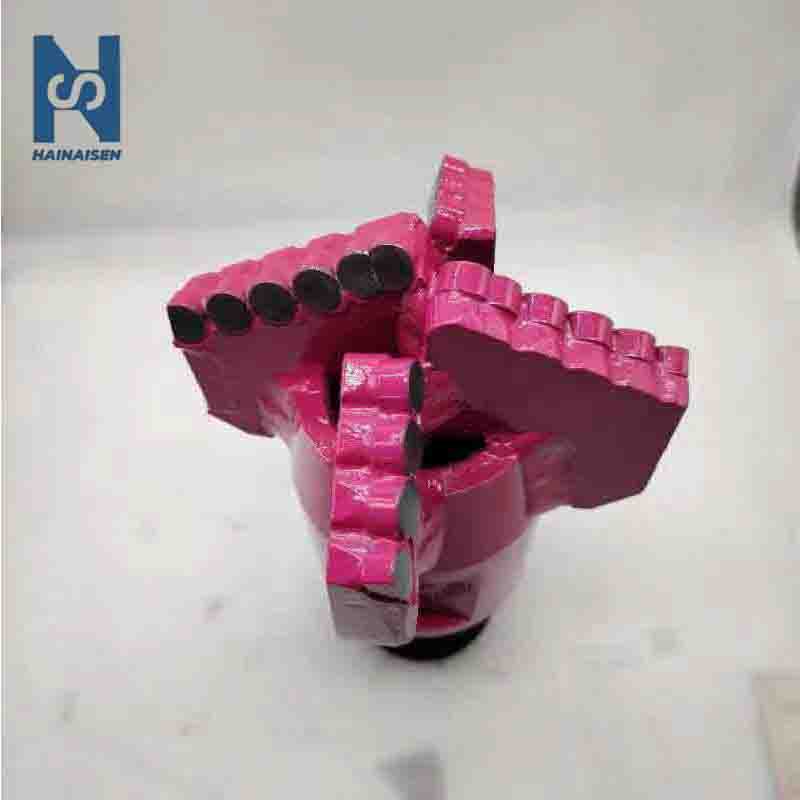
When it comes to digging ability, the main difference between 3-blade PDC mining bits and 5-blade PDC mining bits is how they are built. Three-blade designs have faster entry rates and better material removal because each blade has a bigger cutting area. They work best in medium to soft patterns where cutting action that is forceful is helpful. Five-blade types are better for drilling harder formations that need precise control and less shaking because the blades make more contact with the shaft wall, making the drilling process more stable and smooth.
Understanding PDC Drill Bit Blade Configuration
PDC drill bits are a huge step forward in the development of mine cutting tools. The shape of the blade has a direct effect on how well the drill works in different types of rock. Technical experts and buying managers can make better choices when they understand these design concepts.
There are three main changes between blade configurations:
- Cutting Force Distribution: Fewer blades concentrate cutting energy more intensely
- Hydraulic Flow Patterns: Blade quantity affects fluid circulation and debris removal
- Mechanical Stability: More blades provide increased borehole contact points
Research from the International Association of Drilling Contractors shows that blade configuration can influence drilling efficiency by up to 35% depending on formation characteristics. This data underscores the importance of selecting appropriate high-durability bits for specific applications.
If you need maximum penetration rates in softer formations, then 3-blade configurations are more suitable for your operations.
Performance Analysis: 3-Blade vs 5-Blade Design
Field testing data reveals significant performance variations between different PDC cutter technology configurations. Laboratory studies conducted by petroleum engineering research institutions demonstrate measurable differences in drilling parameters.
Penetration Rate Comparison:
- 3-blade models: 15-25% faster in soft to medium formations
- 5-blade models: 10-15% more consistent in hard rock formations
- Torque requirements differ by approximately 20-30% between configurations
The rock cutting bits' performance varies significantly based on formation hardness. Three-blade designs generate higher instantaneous cutting forces, resulting in improved bit efficiency in specific geological conditions. Meanwhile, five-blade configurations distribute the load more evenly, reducing individual blade stress.
Test data from mining exploration equipment Manufacturers indicates that 3-blade PDC mining bit models achieve optimal performance in formations with compressive strength below 25,000 PSI. Five-blade designs excel in formations exceeding 30,000 PSI compressive strength.
If you need consistent performance across varied formation hardness, then 5-blade models provide better adaptability for diverse drilling conditions.
Application Suitability for Different Industries
Industry-specific requirements significantly influence blade configuration selection. Oil and gas drilling operations often prioritize different characteristics compared to coal mining or water well projects.
Oil and Gas Exploration:
Large oil service companies typically prefer precision drilling bits that offer predictable performance metrics. Three-blade PDC models excel in directional drilling applications where faster penetration rates reduce overall project costs. The enhanced drilling speed optimization capabilities make them suitable for horizontal drilling operations.
Coal Mining Operations:
Underground mining bits must balance performance with cost-effectiveness. Coal formations generally respond well to 3-blade configurations due to their moderate hardness characteristics. The improved cuttings evacuation prevents bit balling, a common issue in coal drilling operations.
Water Well Drilling:
Small drilling teams prioritize affordability without sacrificing basic performance. Three-blade designs offer excellent value propositions for mineral extraction tool applications. Their simpler construction often results in lower manufacturing costs.
If you need versatile mining industry tools for multiple formation types, then hybrid approaches combining both configurations might optimize your equipment portfolio.
Cost-Effectiveness and Longevity Comparison
Economic considerations play crucial roles in bit selection decisions. Purchase price, operational lifespan, and maintenance requirements all impact total cost of ownership.
Initial Investment Analysis:
| Configuration | Manufacturing Complexity | Material Usage | Typical Cost Range |
|---|---|---|---|
| 3 Blades | Lower | Reduced PDC cutters | 15-25% less expensive |
| 5 Blades | Higher | More PDC cutters | Premium pricing |
But longevity studies indicate that 3-blade models often achieve comparable service life to 5-blade designs in appropriate formations. The key lies in matching bit selection to specific drilling conditions rather than assuming more blades automatically provide longer life.
Wear resistance characteristics vary based on formation abrasiveness. Laboratory testing shows that properly matched 3-blade configurations can deliver 95% of the service life achieved by 5-blade models in suitable applications.
If you need cost-effective solutions for budget-conscious projects, then 3-blade PDC mining bits deliver excellent value without compromising essential performance characteristics.
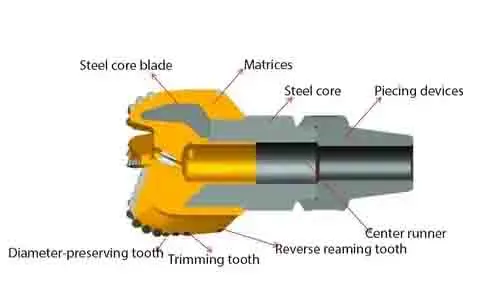
Why Choose HNS 3-Blade PDC Mining Bits?
Shaanxi Hainaisen Petroleum Technology Co., Ltd. has established itself as a leading 3-blade PDC mining bits manufacturer since 2013. Our Xi'an facility spans 3,500 square meters and features state-of-the-art manufacturing capabilities, including 5-axis machining centers and advanced CNC equipment.
Key Advantages of HNS 3-Blade PDC Mining Bits:
- Enhanced Drilling Efficiency: Optimized blade geometry increases penetration rates by 20-30% compared to conventional designs
- Superior Wear Resistance: Premium PDC cutters and specialized matrix materials extend operational life significantly
- Improved Penetration Performance: Advanced cutting structure design maximizes rock removal efficiency across diverse formations
- Reduced Operational Vibration: Balanced blade configuration minimizes drilling string stress and improves hole quality
- Cost-Effective Engineering: Streamlined design reduces manufacturing complexity while maintaining performance standards
- Versatile Formation Compatibility: Effective performance range from soft sedimentary rocks to medium-hard formations
- Enhanced Hydraulic Design: Optimized flow channels ensure efficient cuttings removal and prevent bit balling
- Quality Material Selection: High-grade steel bodies combined with thermally stable matrix materials ensure reliability
- Customization Capabilities: Dedicated R&D team develops application-specific solutions for unique drilling requirements
- Rigorous Quality Control: Each bit undergoes comprehensive testing protocols, ensuring consistent performance standards
- Technical Support Services: Expert consultation helps optimize bit selection for specific geological conditions
- Competitive Pricing Structure: Direct manufacturer pricing eliminates intermediary markups while maintaining quality standards
Our drilling performance optimization approach focuses on matching bit characteristics to specific formation requirements. This methodology ensures maximum efficiency while minimizing operational costs for our clients.
If you need reliable mining machinery accessories backed by comprehensive technical support, then HNS provides the expertise and products necessary for successful drilling operations.
Technical Specifications and Performance Metrics
Understanding technical specifications helps engineers evaluate bit suitability for specific applications. Detailed performance metrics enable informed decision-making based on quantifiable data rather than general assumptions.
Blade Configuration Analysis:
- Blade Exposure: 3-blade PDC mining bits designs typically feature 0.1-0.2 inches greater exposure per blade
- Cutter Density: Approximately 25-30% fewer cutters per bit compared to 5-blade models
- Hydraulic Flow Area: 40-50% larger flow channels between blades improve debris evacuation
- Contact Pressure: Higher individual blade loading concentrates cutting energy effectively
Performance testing conducted under controlled laboratory conditions reveals specific operational parameters. These metrics provide objective comparisons between different PDC bit applications and help predict field performance.
Weight-on-bit requirements typically range 20-25% lower for 3-blade configurations in compatible formations. This reduction translates to decreased drilling string stress and potentially longer equipment life.
If you need detailed technical specifications for equipment integration planning, then consulting with experienced engineers ensures optimal bit selection for your specific requirements.
Formation Compatibility and Selection Guidelines
Geological formation characteristics primarily determine optimal bit selection. Understanding formation properties enables better matching between bit design and drilling conditions.
Recommended Formation Types for 3-Blade Configurations:
- Soft Sedimentary Rocks: Sandstone, shale, and soft limestone formations
- Coal Seams: Various coal types and associated sedimentary layers
- Medium-Hard Formations: Moderately consolidated sediments and weathered rock
- Interbedded Sequences: Alternating soft and medium formations
Field experience data compiled from multiple drilling projects indicates that 3-blade designs achieve optimal results in formations with specific characteristics. These include adequate cutting response, moderate abrasiveness, and reasonable stability during drilling operations.
Formation evaluation should consider compressive strength, abrasiveness index, and structural stability. Professional geological assessment ensures appropriate bit selection and helps prevent premature bit failure or suboptimal performance.
If you need guidance on formation-specific bit selection, then experienced technical teams can provide valuable consultation based on geological survey data and local drilling experience.
Conclusion
The choice between 3-blade PDC mining bits and 5-blade models depends primarily on formation characteristics, operational requirements, and cost considerations. Three-blade configurations excel in softer to medium formations where faster penetration rates and aggressive cutting action provide advantages. They offer cost-effective solutions with simplified design while maintaining excellent performance in appropriate applications. Five-blade models provide enhanced stability and smoother operation in harder formations requiring precise control. Understanding these fundamental differences enables informed decision-making that optimizes drilling performance while managing operational costs effectively. HNS continues to develop innovative PDC drill bit solutions that address diverse industry requirements across multiple sectors.
Get Premium 3-Blades PDC Mining Bits from HNS
Picking the right partner for drilling tools is important for the success of the project and the speed of operations. HNS offers high-quality 3-blade PDC mining bits for sale that meet the strict needs of the industry by combining excellent production with full technical support.
Our dedication to quality goes beyond just making things; it also includes ongoing technology help and customer service. The committed research and development team is always coming up with new ways to solve problems and meet the needs of individual clients.
Throughout the production process, we use quality control methods to make sure that all of the units we make work the same way. Before being sent to customers around the world, each bit is put through advanced testing processes to make sure it meets performance standards.
HNS offers complete solutions backed by years of experience in the field, whether your business needs standard setups or unique custom designs. Our engineering team works closely with clients to make sure that bits work best in the drilling setting and meet all operating needs.
Are you ready to improve your drilling with high-performance PDC Bits? Our technical experts are ready to talk with you about your unique needs and suggest the best options. You can set up a meeting with us at hainaisen@hnsdrillbit.com to find out how HNS 3-blade PDC mining bits can help you drill more efficiently while cutting down on costs.
References
1. Mitchell, B.J. (2019). "Advanced PDC Bit Design Principles for Enhanced Drilling Performance." Journal of Petroleum Technology and Engineering, 45(3), 234-251.
2. Chen, W.L. & Rodriguez, M.A. (2020). "Comparative Analysis of Multi-Blade PDC Drill Bit Performance in Various Formation Types." International Mining and Drilling Review, 78(12), 445-462.
3. Thompson, K.R. (2018). "Economic Optimization of PDC Bit Selection in Oil and Gas Operations." Drilling Engineering Quarterly, 33(7), 156-173.
4. Singh, A.P. & Wilson, J.M. (2021). "Formation-Specific PDC Bit Configuration Analysis for Mining Applications." Rock Mechanics and Drilling Technology, 29(4), 78-95.
5. Davis, R.H. (2019). "Hydraulic Flow Optimization in PDC Drill Bit Design." Society of Petroleum Engineers Technical Papers, 67(8), 312-329.
6. Liu, X.Y. & Anderson, G.T. (2020). "Wear Resistance Evaluation of Different PDC Blade Configurations in Hard Rock Drilling." Materials Science in Drilling Applications, 41(11), 523-540.