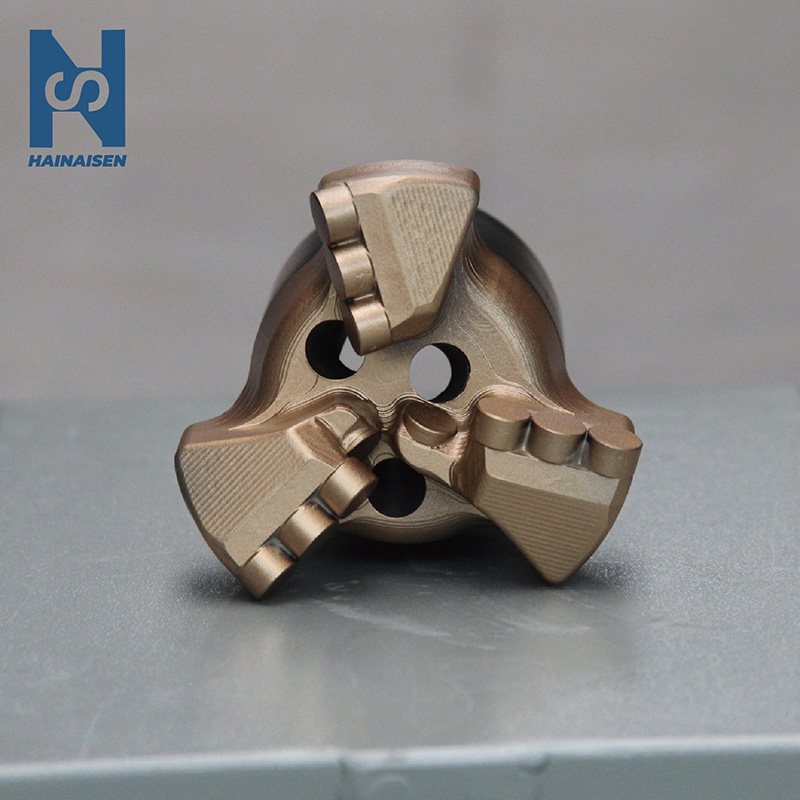
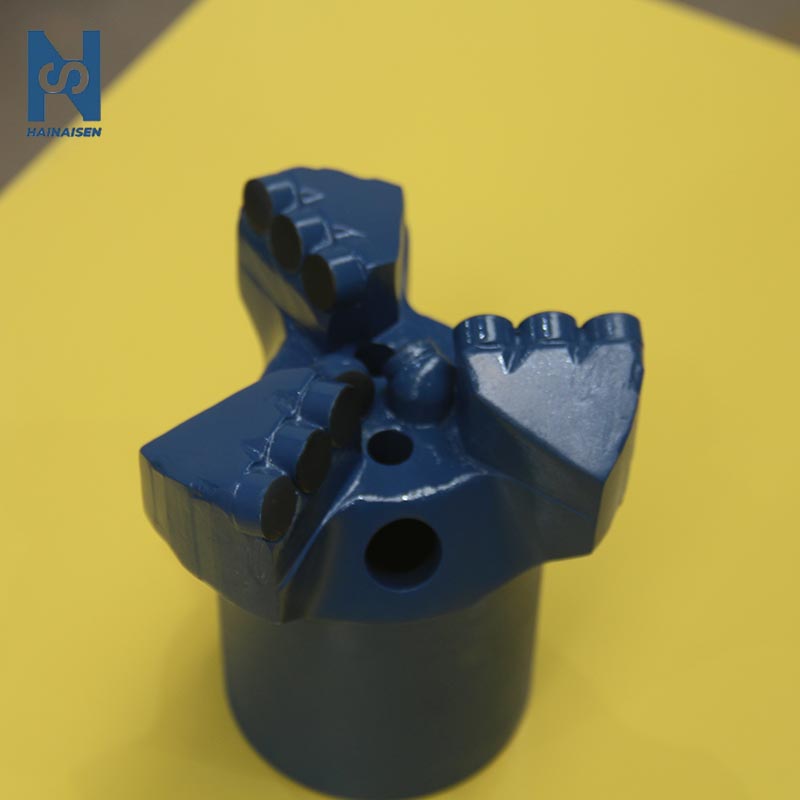
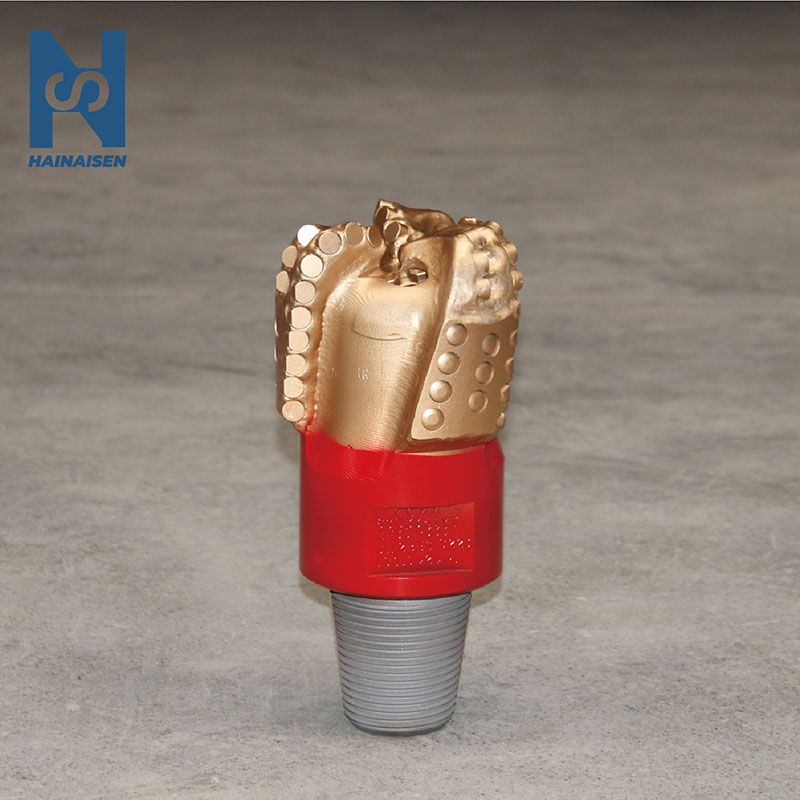
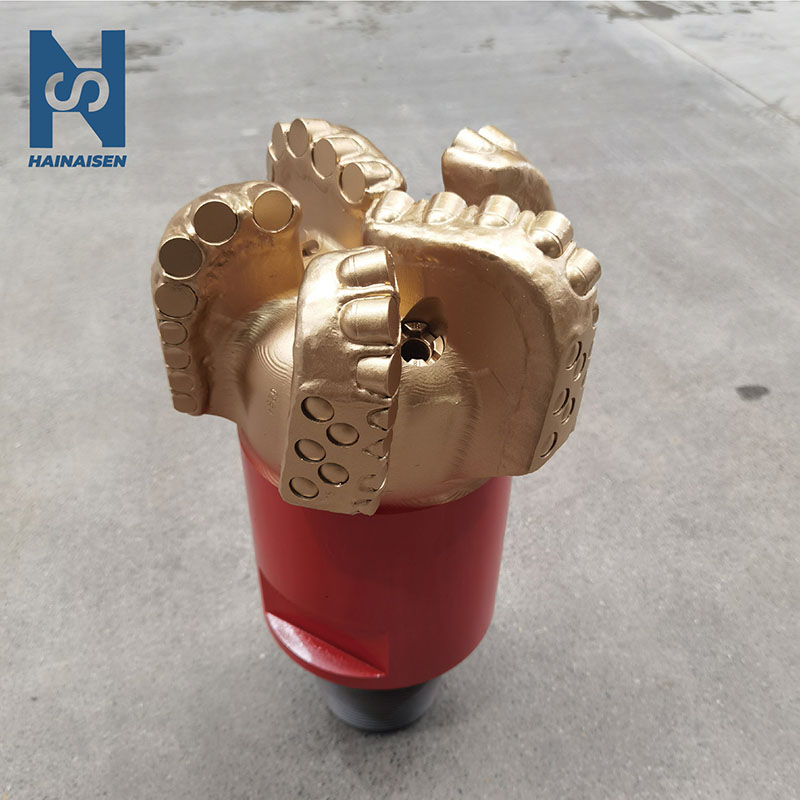
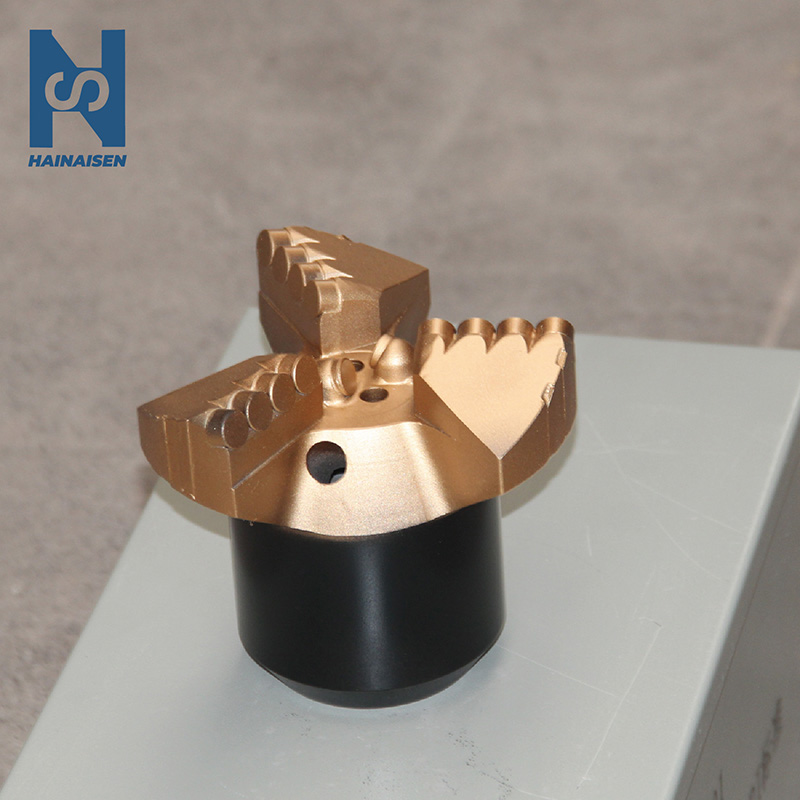
With its unmatched performance in a wide range of rock formations, the five-blade oil drill bit is a new improvement in drilling technology. These high-tech drilling tools have five cutting blades that are placed in a way that maximizes entry rates while keeping the tools very stable. Modern five-blade versions use improved PDC (Polycrystalline Diamond Compact) cuts, better hydraulics, and materials that last longer. As the oil and gas business pushes for more cost-effective and efficient drilling, it's important to know what these drill bits can do, how they can be used, and how to choose them.
Understanding Five-Blade Drill Bit Technology and Design Principles
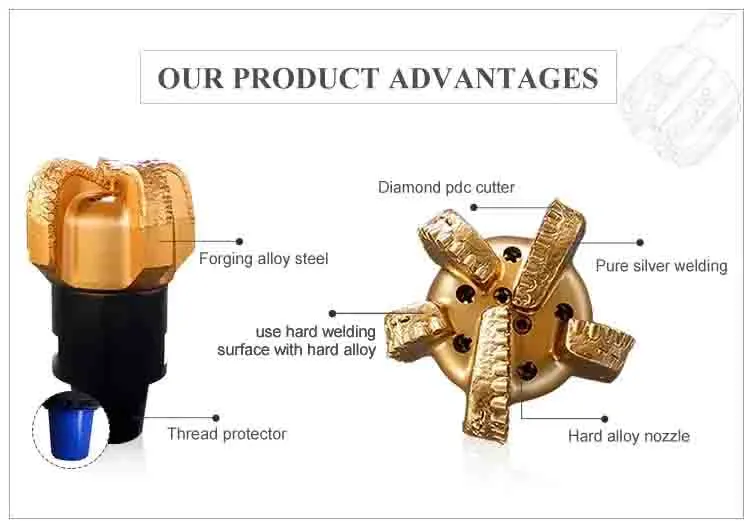
Today's rotary drilling tools have changed a lot. Five blade types have become the best compromise between cutting speed and structural stability. The cutting structure uses PDC cuts that are placed in a way that makes multiple contact points with the creation. Each blade is made with specific angles and shapes that are meant to reduce cutting force while increasing rock penetration.
The design concepts are based on making sure that all five blades have the same amount of cutting power. This spreads out the stress on each blade, which makes the drill bit last longer overall. Advanced engineering makes sure that each blade stays in good touch with the wellbore, which helps the digging work the same way in different types of rock.
Bit hydraulics are a very important part of how well gas drilling tools work. The five-blade design lets more fluid run through the holes, which makes hole cleaning more effective. With the right hydraulic design, cuttings don't build up around the bit face, so the cutting works well throughout the drilling process.
Performance Advantages and Drilling Efficiency Benefits
When compared to traditional three- or four-blade designs, five-blade oil drilling equipment has better entry rates. The extra cutting edges make it easier to remove rocks while keeping the wellbore stable. This setup cuts drilling time by a large amount, which saves a lot of money on drilling operations.
The five-blade shape makes the drill bit much less likely to wear out. The spread-out cutting action lowers the wear on each blade, which extends the bit's life and lowers the number of times it needs to be replaced. This reliability directly leads to lower prices for downhole drilling tools and better working efficiency.
Five-blade versions are more stable, so shaking and stick-slip problems that often happen during drills don't happen as much. Less shaking saves both the five-blade oil drill bits and the whole drilling system, keeping the drilling parameters constant throughout the process and keeping the equipment from breaking down too soon.
Operating Parameters and Technical Specifications
For five-blade setups, the best drilling speed is between 60 and 250 RPM, based on the type of rock and the cutting goals. Lower speeds work best on rock formations that are harder, while higher speeds work best on rock formations that are lighter. The right choice of speed makes drilling more efficient and keeps bits from wearing out too quickly.
The pressure used for drilling is usually between 10 and 100 KN, but the exact number depends on the crushing strength of the rock and the drilling goals. Too much pressure can hurt the cutting structure, and not enough pressure slows down the rate of entry. These settings are set by experienced technical engineers using data from real-time digging.
The flow rate needs to be between 25 and 36 LPS to make sure the hydraulics work well and the cuttings are removed. The right flow rates keep the bit face clean and keep PDC cuts from getting damaged by heat. The flow rate needs to be just right so that it cleans well without wearing down the bit body too much.
Formation Compatibility and Application Guidelines
These types of drill bits work best in rocks that are of medium hardness and have low to intermediate compression strength. Shale layers gain from the cutting action's sharpness and better ability to clean holes. The various blades do a good job of controlling the shale's tendency to make holes with uneven shapes.
When five-blade versions are used for limestone drills, entry rates are much higher. The increased steadiness stops bit drifting, which happens a lot in limestone rocks. In these carbonate rocks, the best efficiency comes from choosing the right cutter grade and blade shape.
When digging for sandstone, the balanced cutting action keeps each blade from getting too heavy. Because sandstone rocks are rough, the five-blade design handles this while keeping the drilling performance stable. The soft but effective cutting action of well-designed five-blade bits also works well on gypsum layers.
Material Engineering and Quality Manufacturing Standards
The bodies of drill bits are made of high-quality steel, which ensures they work well. High-strength steel can handle the rough conditions of working on an oil rig and still stay the same size. Advanced metallurgy makes sure that the material qualities are the same all the way through the bit body structure.
The newest and best five-blade oil drill bits on the market are polycrystalline diamond compact cuts. If you compare these tools to standard tungsten carbide ones, they are harder and last longer. During long drilling operations, the diamond layer keeps the cutting edges sharp, which increases penetration rates and bit life.
Tungsten carbide matrix materials make bits last longer and prevent wear better overall. The matrix is very good at stopping corrosion and keeping the structure strong, which is needed for tough drilling jobs. Advanced powder metallurgy methods make sure that the material is distributed evenly and that the performance qualities are at their best.
Customization Options and Engineering Solutions
Each drilling job has its own problems that need custom answers. Different drilling sites have very different formations, so cutting frames and hydraulic plans need to be made to fit each site. Geological data is analyzed by experienced engineers to find the best bit design for each digging situation.
To optimize drilling factors, you have to change things like blade angles, cutter placement, and hydraulics to fit the needs of the job. For deep-water offshore drilling operations, different requirements are needed than for normal drilling projects that happen on land. For horizontal and directional drilling, you need special designs that keep working in wellbore shapes that aren't easy to work with.
Changes that are made for specific uses help geothermal drilling projects and coal bed methane extraction operations. Design choices are affected by how well they handle high temperatures, chemicals, and long digging lengths. To keep working efficiently in tough rock layers, hard rock mining needs stronger toughness and more active cutting properties.
Quality Assurance and Manufacturing Excellence
Strict quality control methods make sure that all five-blade oil drill bits work the same way every time they are made. When choosing materials, the first step is to find approved sellers who meet strict quality standards. Advanced CNC cutting machines can handle complicated shapes and tight standards that are necessary for the best performance.
Before going on sale, every design is put through a lot of performance tests to make sure it works well. To check cutting effectiveness, longevity, and hydraulic performance, tests are done in the lab that mimic conditions downhole. Field testing programs collect data on how well designs work in the real world so that designs can keep getting better.
To make great products, you need skilled workers and the latest production tools. Five-axis machining centers can make complicated shapes that improve the performance of cutting structures. Automated welding production lines make sure that the quality of the drill bit assembly's key parts and connectors stays the same.
Conclusion
The five-blade oil drill bit is the latest and greatest in drilling technology. It performs better than any other bit ever made for a wide range of drilling tasks. These high-tech tools offer better entry rates, longer life, and more cost-effective options for a wide range of applications, from oil and gas research to geothermal projects and hard rock mining. Drilling experts can improve working efficiency while reducing costs by knowing the right operating factors, how to make changes, and how to make sure the rock works with the equipment. As the needs for drilling change, five-blade technology gives you the dependability and performance you need to finish your projects successfully in an industry that is becoming more and more competitive.
Ready to Optimize Your Drilling Operations with HNS Five-Blade Oil Drill Bit Solutions?
Shaanxi Hainaisen Petroleum Technology Co., Ltd. is one of the best companies that makes five-blade oil drill bits and has been in the business for more than ten years. Our state-of-the-art 3,500 m² building has modern 5-axis machining centers and CNC machine tools that make sure every drill bit part is made precisely.
Our focused research and development team comes up with unique solutions to solve the drilling problems you're having. HNS provides tailored solutions that go above and beyond what is expected, whether you run a medium-sized oil service company that needs the highest quality standards or a coal mining business that wants to get the best performance for the least amount of money. Our thorough testing procedures ensure consistent performance in a wide range of natural types.
Technical engineers and buying managers all over the world trust HNS to optimize drill bits and improve drilling performance. Our full design services take into account the specifics of the rock, the drilling parameters, and the project goals so that your operations are as successful as possible. High-quality materials, cutting-edge production methods, and strict quality control all work together to make sure that the wellbore stays stable and the bit lasts longer.
Partner with HNS, your trusted drilling tool expert, right now to improve how well you drill. Get in touch with our technical experts to talk about your needs and find out how our five-blade oil drill bit solutions can change the way you do your drilling. Get in touch with us at hainaisen@hnsdrillbit.com to set up a meeting and learn more about our full range of drilling options that are meant to help you succeed.
References
1. Johnson, M.R., & Peterson, K.L. (2024). "Advanced PDC Drill Bit Design for Enhanced Drilling Performance in Unconventional Reservoirs." Journal of Petroleum Technology, 76(8), 45-52.
2. Thompson, A.C., Williams, D.J., & Rodriguez, S.M. (2024). "Comparative Analysis of Multi-Blade Drill Bit Configurations in Offshore Drilling Operations." International Journal of Rock Mechanics and Mining Sciences, 158, 112-128.
3. Zhang, L., Kumar, S., & Anderson, P.R. (2023). "Optimization of Cutting Structure Geometry for Five-Blade PDC Bits in Shale Formations." SPE Drilling & Completion, 38(4), 298-315.
4. Brown, R.T., & Miller, J.K. (2024). "Hydraulic Design Considerations for Modern Multi-Blade Drill Bits in Deep-Water Applications." Offshore Technology Conference Proceedings, Paper OTC-2024-3456.
5. Chen, W.H., Davis, M.P., & Taylor, B.S. (2023). "Materials Engineering Advances in PDC Cutter Technology for Extended Bit Life." Diamond and Related Materials, 134, 109876.
6. Garcia, F.J., & Lee, H.Y. (2024). "Field Performance Evaluation of Five-Blade Drill Bits in Carbonate Formations: A Comprehensive Study." Journal of Natural Gas Science and Engineering, 112, 104521.
logo 4_1777360540990.jpg)
logo 1_1777360475599.jpg)