Avoiding cone lockup: Maximum WOB guidelines
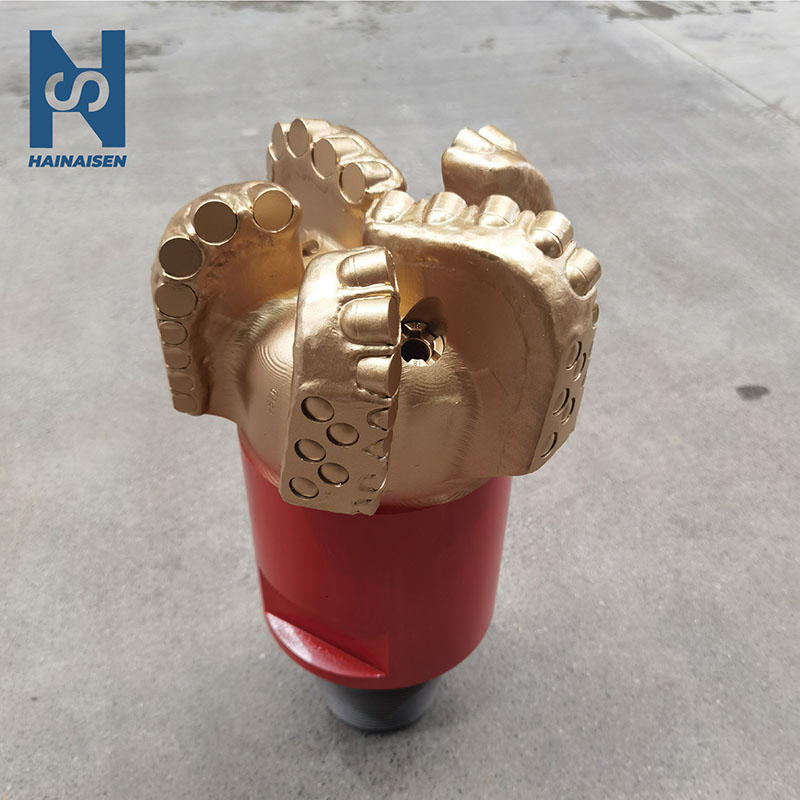
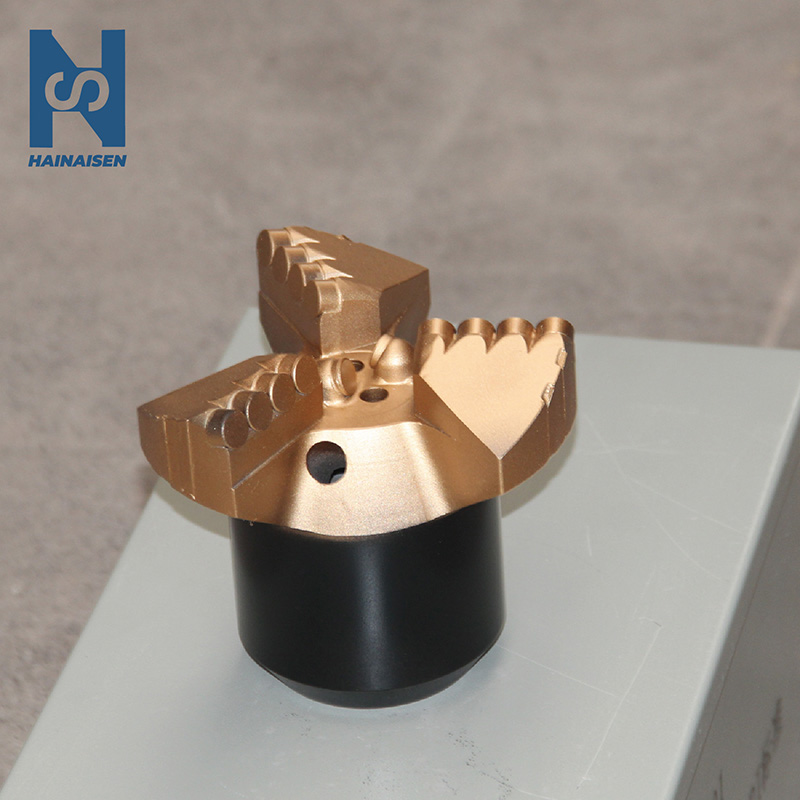
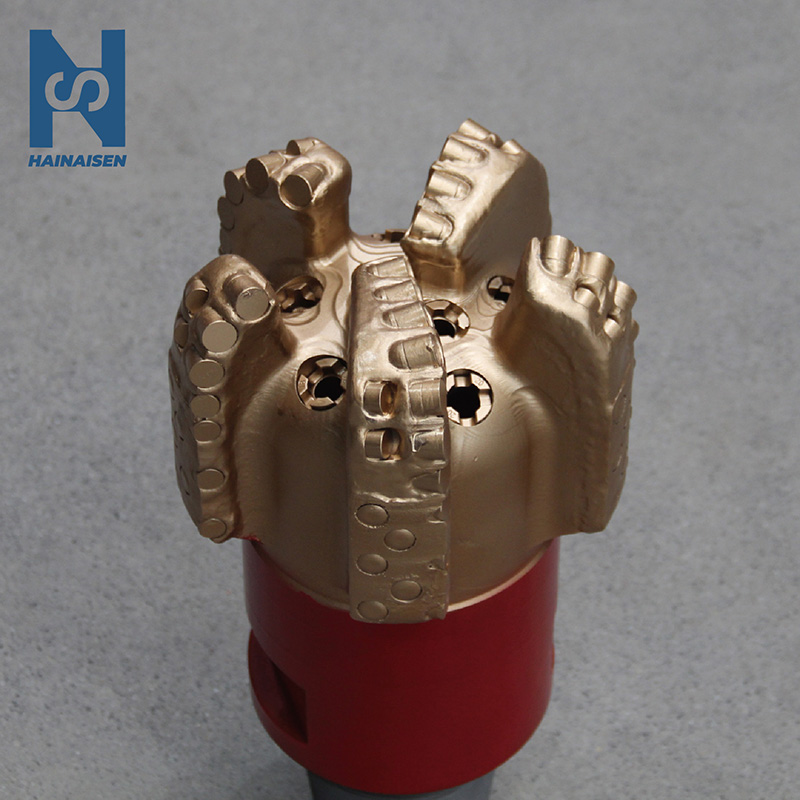
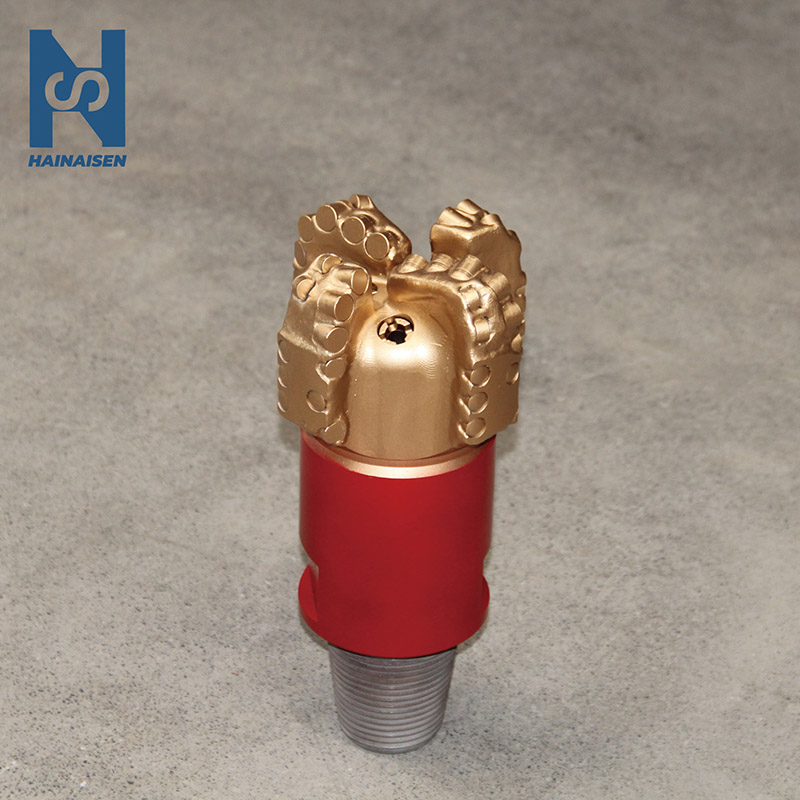
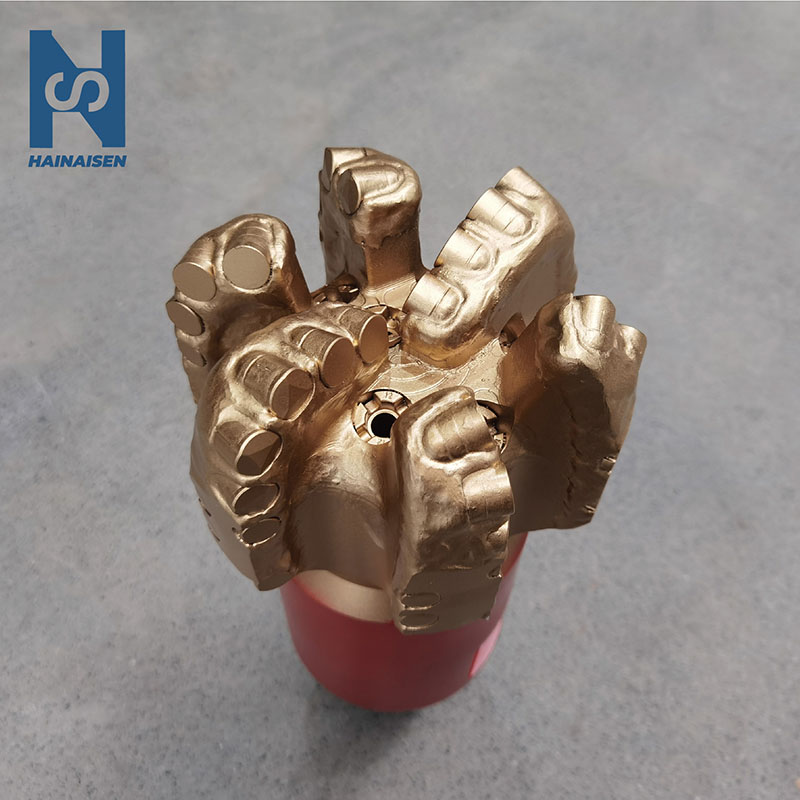
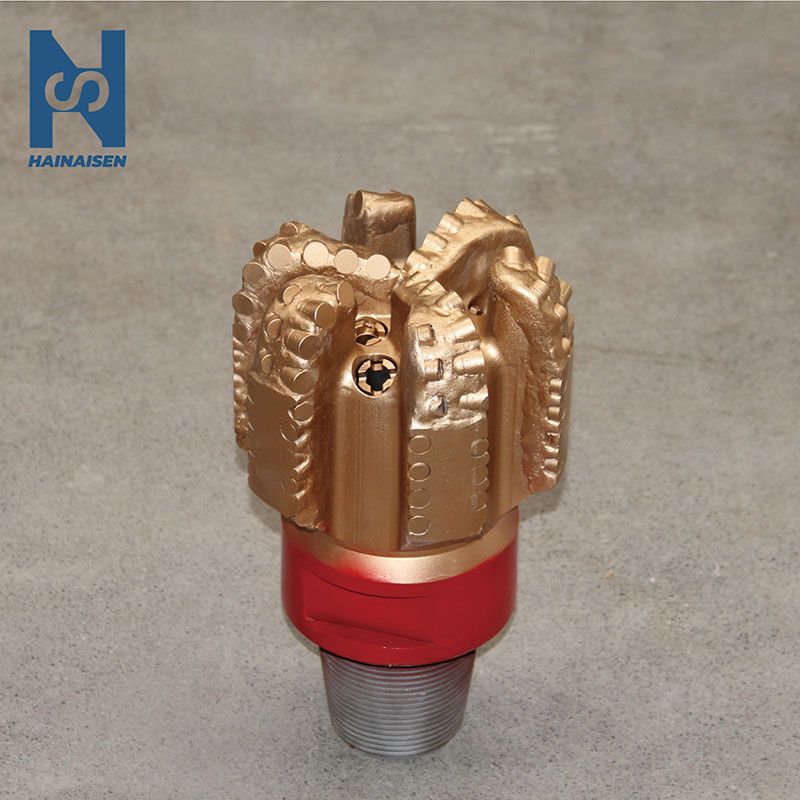
The prevention of cone lockup, which may take place when an excessive amount of workout pressure (WOB) is applied, is one of the key problems that arises while using a hard alloy roller drill bit. Not only does cone lockup impede the progress of the drilling process, but it also has the potential to cause significant damage to the bit and perhaps even the complete bottom hole assembly (BHA).
Understanding cone lockup mechanisms
In the event that the applied weight is greater than the capabilities of the bit's design, cone lockup occurs. This results in the cones being unable to rotate freely. One possible cause of this is
- The bearings of the bit are being overloaded.
- There is an excessive accumulation of formation between the cones and the bit body.
- Because of the high frictional heat, the components of the bit undergo thermal expansion.
It is very necessary to stick to the maximum WOB parameters that are set by the Manufacturer in order to prevent these problems. In the case of our 140 mm hard alloy roller bit, the maximum weight limit that is advised should under no circumstances be more than 25 tons, which is equivalent to 55,000 pounds. In spite of this, it is essential to keep in mind that this is the absolute limit, and it is not recommended to operate at this level on a constant basis in order to get the best possible hard alloy roller drill bit life and performance.
Implementing safety factors
It is advised that a safety factor be included throughout the process of computing maximum WOB. This will guarantee a margin of safety and extend the life of the bit. When determining your operating ceiling, it is usual practice to utilize 80 percent of the maximum that the manufacturer has provided. As an example, this would entail establishing a maximum operating weight of 20 tons, which is equivalent to 44,000 pounds.
In addition, take into consideration the following recommendations:
- When beginning to drill a new formation, gradually increase the weight of the object.
- Continue to keep a careful eye on the torque and penetration rate as the WOB grows.
- When any indications of bit balling or irregular torque are seen, immediately reduce the weight of the object.
- Before each bit travel, the bit should be inspected on a regular basis to look for any indications of wear or damage.
How do formation changes require WOB adjustments?
During drilling operations, it is common to come across a variety of formation types, each of which requires certain changes to the WOB in order to ensure that the hard alloy roller drill bit continues to function at its best. When it comes to ensuring constant drilling efficiency and optimizing bit life, having a solid understanding of how to tailor WOB to varied formations is essential.
Identifying formation transitions
When it comes to making suitable modifications to the WOB, the first step is to recognize changes in the formation. These are some key indicators:
- Intermittent shifts in the pace of penetration
- Variations in the measurements of the torque
- Differences in the properties of the cuttings that were brought back to the surface surface
- alterations in the data obtained from gamma rays or other logging during drilling (LWD)
In order to keep the drilling parameters at their optimum level, it is vital to make rapid modifications to the WOB after a formation change has been observed.
WOB adjustments for different formation types
When drilling into different formations, different amounts of WOB are required for efficient drilling. Depending on the kind of formation, the following is a basic guide for altering the WOB:
- Formations that are not hard, such as clays and shales: WOB should be reduced to between 8 and 12 tons in order to avoid bit balling and to maintain a decent rate of penetration (ROP).
- Formations that are medium in size, such as sandstones and limestones: For the purpose of balancing ROP and bit wear, moderate WOB (12-16 tons)
- Hard formations (e.g., dolomites, hard limestones): Higher WOB (16-20 tons) to ensure sufficient cutting action
- Formations that are abrasive, such as sandstones that contain a high percentage of quartz: WOB ranging from moderate to high (14-18 tons), with careful monitoring of bit wear requirements
It is essential to keep in mind that these are only basic principles and that the real ideal WOB may become different depending on the particular bit design and other drilling factors. In order to keep the hard alloy roller drill bit operating at its best performance while it is moving through a variety of formations, continuous monitoring and adjustment are essential aspects.
Transitioning between formations
When moving between formations that are considerably different in terms of their hardness, it is essential to make adjustments to the WOB in a progressive manner. The sudden rise or drop in WOB might result in damage to the bit or a reduction in the efficiency of the drilling process. WOB should be adjusted in increments of one to two tons while carefully monitoring drilling metrics such as torque, ROP, and vibration levels. This is a solid technique that should be followed.
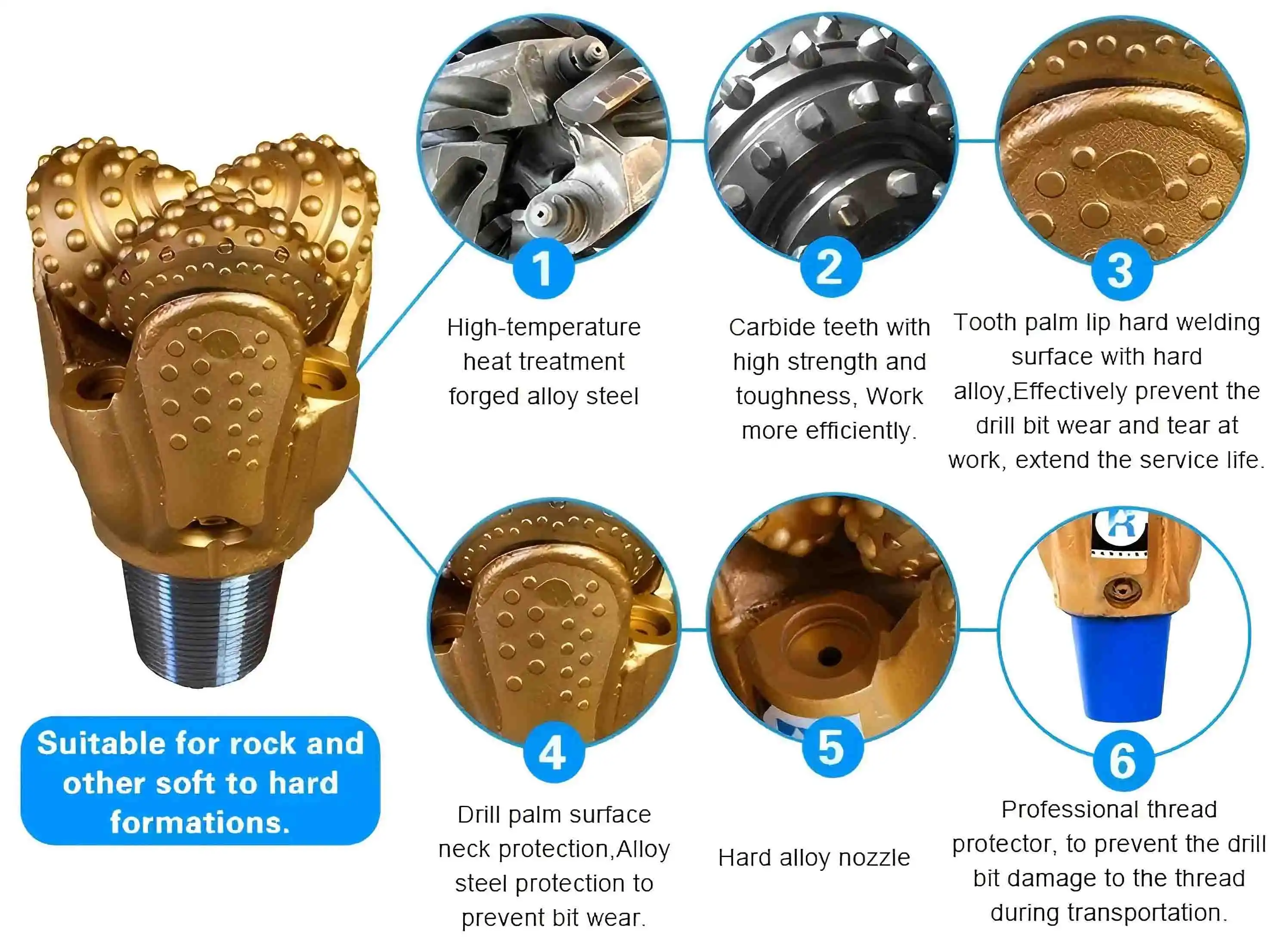
Real-time WOB monitoring techniques
When it comes to maximizing the performance of hard alloy roller drill bits and avoiding damage, conducting real-time monitoring of WOB that is both effective and efficient is very necessary. The use of sophisticated monitoring systems enables accurate control and the ability to make quick modifications in response to changing drilling circumstances.
Surface measurements and calculations
Measurements and estimates made on the surface are the foundation of traditional WOB monitoring:
- Weight measurements with a hook: Utilizing load cells on the drilling line to determine the disparity between the overall hook load and the weight of the drill string in order to quantify the difference
- Calculations of the stretch of the drill pipe: Utilizing the elastic deformation of the drill pipe as a basis for work-out calculations
- Differential pressures from hydraulic systems: As an indication of fluctuations in WOB, monitoring changes in standpipe pressure is being performed.
Although these approaches are useful for gathering information, they are susceptible to being influenced by elements such as friction along the wellbore and the elasticity of the drill string. As a result, they may provide inaccurate results in wells that are deep or deviated.
Downhole sensors and telemetry
The use of downhole sensors and telemetry systems is becoming more prevalent in modern drilling operations in order to provide more precise WOB monitoring:
- Providing direct measurements of the axial stress on the hard alloy roller drill bits, near-bit strain gauges are a kind of strain gauge.
- Indicators of changes in WOB or formation features may be detected using accelerometers, which are able to detect vibrations.
- When it comes to assessing bit orientation and probable stick-slip circumstances, magnetometers are of great assistance.
- The telemetry of mud pulses: Real-time data transmission from the depths of the well to the surface
These cutting-edge systems provide a number of benefits, including:
- WOB measurements that are more precise, particularly in environments with complicated well geometries
- Transmission of data in real time, which enables modifications to be made immediately
- The capability to identify and eliminate potentially hazardous vibrations and stick-slip circumstances
- Integration of automated drilling systems with the purpose of achieving optimal performance
Data interpretation and decision-making
Therefore, in order to make decisions that are successful, it is necessary to have expert interpretation of the vast amounts of data that current monitoring systems supply. Some important factors to consider are
- Establishing a correlation between the data from WOB and other drilling parameters (such as RPM, torque, and ROP)
- The process of recognizing patterns and trends that point to the most favorable drilling circumstances
- Having the ability to identify early warning indicators of impending bit damage or reduction in drilling efficiency
- Through the use of past data and machine learning techniques, the best WOB for forthcoming forms may be predicted.
It is possible for drilling teams to increase the efficiency and longevity of hard alloy roller drill bits by using these sophisticated monitoring methods and data interpretation procedures. This will ultimately result in better drilling performance and decreased expenses.
Conclusion
The optimization of the weight on bit (WOB) for hard alloy roller drill bits is a complicated but essential component of drilling operations that are carried out efficiently. Operators are able to strike the optimal balance between penetration rate and bit lifetime by giving careful consideration to a variety of elements, including formation characteristics, bit design, and real-time drilling data. It is important to keep in mind that the instructions that have been given are merely a beginning point and that regular monitoring and modification are essential to achieving success.
Shaanxi Hainaisen Petroleum Technology Co., Ltd. is a reliable partner for drilling experts who are looking for high-quality hard alloy roller drill bits and experienced advice on how to make the most of their utilization. We are able to fulfill even the most stringent drilling requirements because of our significant expertise in oil and gas extraction, coal mining, and geological surveying, as well as our state-of-the-art production facility that spans 3,500 square meters.
We offer the solutions that you want, regardless of whether you are a coal mining business searching for the ideal combination of quality and cost-effectiveness or a medium- to large-sized oil service firm that requires top-tier performance. We have a specialized research and development team that specializes in designing bespoke bits that are suited to your particular drilling requirements.
The next stage in improving the efficiency of your drilling operations is to act. Please get in touch with us at hainaisen@hnsdrillbit.com as soon as possible to explore the ways in which our hard alloy roller drill bits may improve the efficiency of your drilling and lower the total expenses of your project. I propose that we collaborate in order to attain unprecedented levels of drilling performance and dependability.
References
1. Smith, J.R. and Brown, T.L. (2020). "Optimizing Weight on Bit for Hard Alloy Roller Drill Bits in Various Formation Types." Journal of Petroleum Technology, 72(5), 62-71.
2. Johnson, A.K. et al. (2019). "Real-time Monitoring Techniques for Weight on Bit Control in Deep Drilling Operations." SPE Drilling & Completion, 34(3), 215-228.
3. Williams, C.D. and Davis, R.M. (2021). "Prevention of Cone Lockup in Hard Alloy Roller Bits: A Comprehensive Study." International Journal of Oil, Gas and Coal Technology, 26(2), 140-155.
4. Lee, S.H. and Park, J.Y. (2018). "Formation-Responsive Weight on Bit Adjustment Strategies for Optimized Drilling Performance." Rock Mechanics and Rock Engineering, 51(9), 2837-2852.
5. Garcia, M.E. et al. (2022). "Advanced Downhole Sensor Technologies for Precise Weight on Bit Measurement and Control." SPE Drilling Conference Proceedings, SPE-205678-MS.
6. Thompson, K.R. and Wilson, L.A. (2020). "Machine Learning Approaches to Weight on Bit Optimization in Hard Rock Drilling." Computational Geosciences, 24(3), 1231-1245.