How to select the right hard alloy bit for geothermal drilling.
Geothermal digging is hard because the ground conditions are always changing, and the working conditions are very tough. Whether you're drilling deep geothermal wells or into hot, dry rock formations, choosing the right Hard Alloy Roller Drill Bit will affect how well you drill, how much equipment breaks down, and the overall cost of the project. Picking the right drilling tool requires careful thought about the characteristics of the formation, the bit's construction, Hard Alloy Roller Drill Bit and how it will be used. Hard alloy Roller Bits work well in rough, high-temperature geothermal formations because they have tungsten carbide cutting structures and improved bearing systems. This book gives procurement managers, technical engineers, and project leaders useful information about how to choose bits, rate their performance, and make purchases. Our goal is to help you make smart choices that will help you get the most out of your geothermal projects by minimising operational costs and increasing drilling output.
Understanding Hard Alloy Roller Drill Bits in Geothermal Drilling
What Makes Hard Alloy Roller Bits Essential for Geothermal Applications
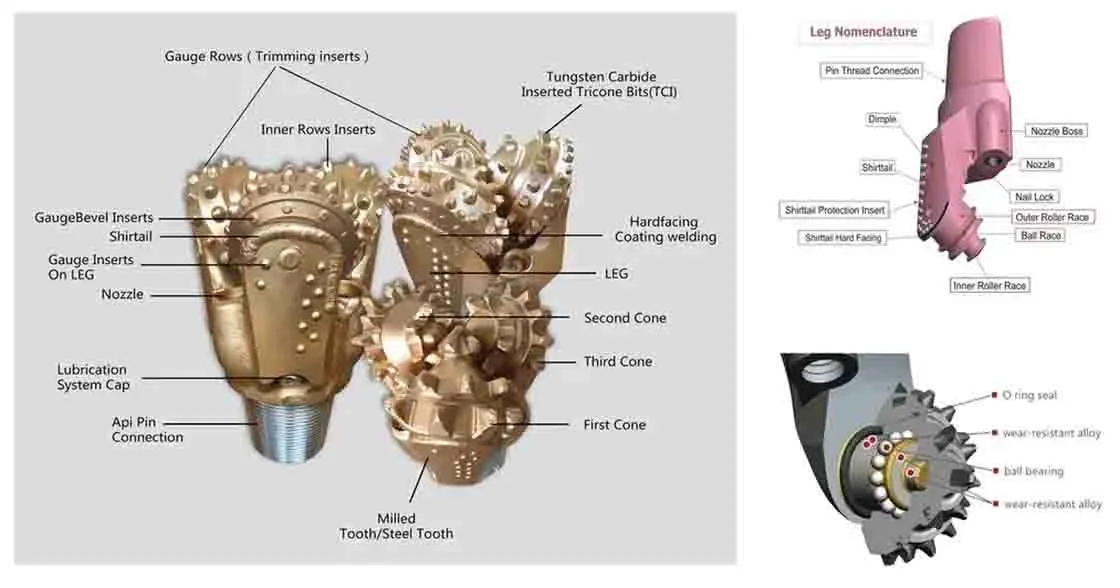
Hard alloy roller bits are a tried-and-true technology that was made to handle the tough conditions that come up in geothermal digging. Unlike milled tooth bits, which have steel teeth that are machined into the cone body, these high-tech tools have tungsten carbide inserts that are placed carefully across rotating cones. This basic difference in design makes it better at resisting wear and better at penetrating hard, abrasive formations like those found in geothermal reservoirs. The cutting structure breaks rock effectively even when temperatures are very high downhole because the cones spin against the formation and crush and shear the rock.
Core Construction Elements That Define Performance
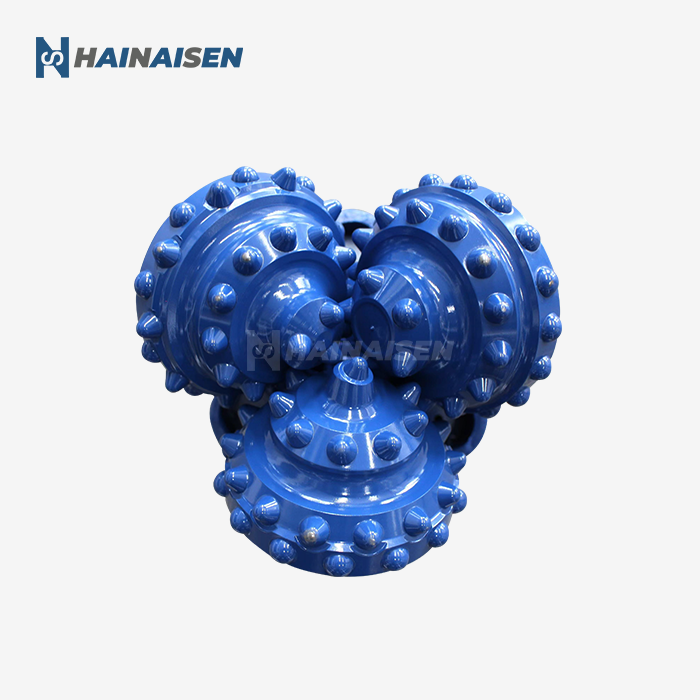
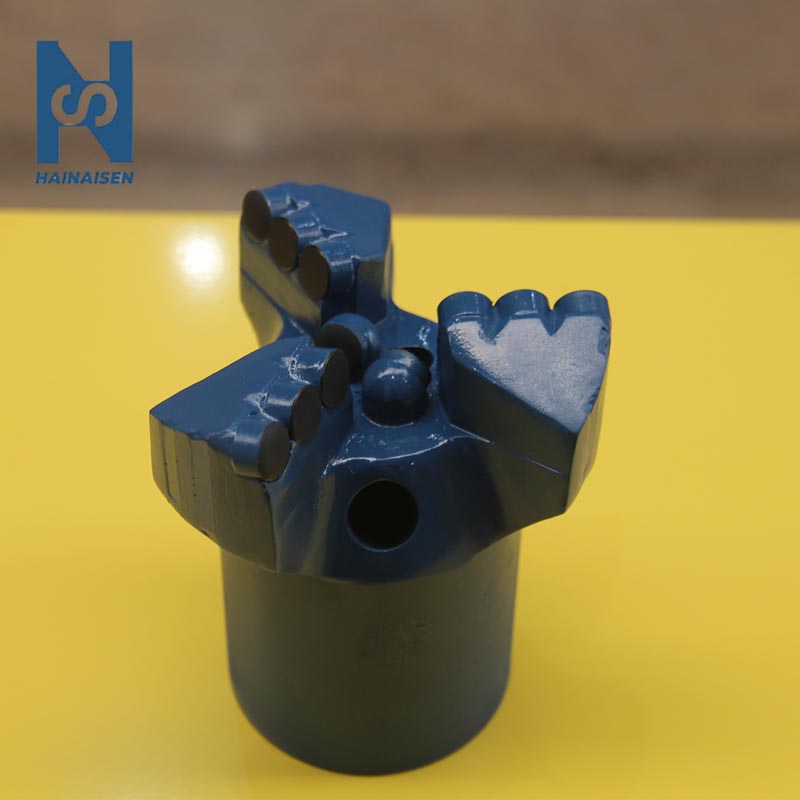
The way our 140mm three-cone roller bit is put together shows how design factors affect the success of geothermal drilling. Each bit has three separate cones that are fixed on carefully machined journal bearings. The cones' surfaces are covered with tungsten carbide inserts that are arranged in the best way possible. The net weight of 16 kg gives the necessary drilling pressure while still being easy to handle. Controlled hydraulic flow through three carefully placed nozzles makes it easier to remove cuttings and cool the bit. Because the 3-1/2 REG.PIN connection can be changed to fit your drilling string, it works with a wide range of rig setups. This engineered method works the same way across all 12 levels of strata, which is good for geothermal areas with their variety of geological conditions.
Material Science Behind Durability and Wear Resistance
Material choice is very important for how long a bit lasts and how much it costs to drill. For the cutting parts in our manufacturing process, we use high-quality tungsten carbide, which was chosen because it is very hard and doesn't wear down easily. The base of the bit is made of a high-strength steel alloy that can handle the repeated impact forces and torque loads that come with drilling. Modern sealing materials keep formation fluids and abrasive particles away from the bearing systems. This makes the bearings last a lot longer than with older designs. This mix of materials makes a drilling tool that can keep cutting efficiently over long operating runs. This cuts down on the number of expensive bit trips and increases your return on investment.
Key Considerations When Selecting Hard Alloy Roller Drill Bits
Matching Bit Specifications to Formation Characteristics
Geological research is the basis for choosing the right roller cone bits for geothermal projects. Which cutting structure and bearing system will work best depends on the hardness, abrasiveness, and tendency to split of the formation. Bits with aggressive tooth spacing and higher cone offset angles work well on soft to medium rocks that are flexible. These bits get deeper faster. On the other hand, closely spaced carbide inserts with chisel or conical geometries work well to break up hard, brittle formations without causing too much cutter wear. By knowing the features of your formation, you can choose bits that balance how fast they penetrate with how long they last, giving you the best value for your money per bit.
Evaluating Performance Metrics That Impact Drilling Success
Several performance characteristics warrant careful evaluation when comparing bit options. Penetration rate indicates how quickly the bit advances through formation, directly affecting drilling time and associated costs. Bit durability, measured in operational hours or footage drilled, determines replacement frequency and trip expenses. Weight-on-bit requirements influence rig capability demands and drilling string design. Rotational speed compatibility affects motor selection and hydraulic program design. Our testing protocols measure these parameters under controlled conditions, providing reliable performance data that supports procurement decisions. When drilling in geothermal applications, we've observed that maintaining proper weight-on-bit proves crucial—insufficient pressure reduces penetration efficiency, while excessive loads accelerate bearing wear and cutting structure damage.
Customization Options for Application-Specific Requirements
Standard bit designs address common drilling scenarios effectively, yet geothermal projects often present unique challenges requiring tailored solutions. Our dedicated design team collaborates with clients to modify cutting structures, bearing configurations, and hydraulic systems for specific operational requirements. Connection types can be customized beyond our standard 3-1/2 REG.PIN to accommodate different drilling string specifications. Nozzle sizes and orientations adjust to optimize hydraulic performance based on pump capacity and fluid properties. Insert size, shape, and placement patterns can be refined for particular formation characteristics identified through offset well analysis. These customization capabilities enable you to address site-specific geological challenges with precision-engineered tools rather than compromising with off-the-shelf alternatives.
Comparing Hard Alloy Roller Drill Bits Against Alternatives
Performance Distinctions Between Roller Bits and PDC Technology
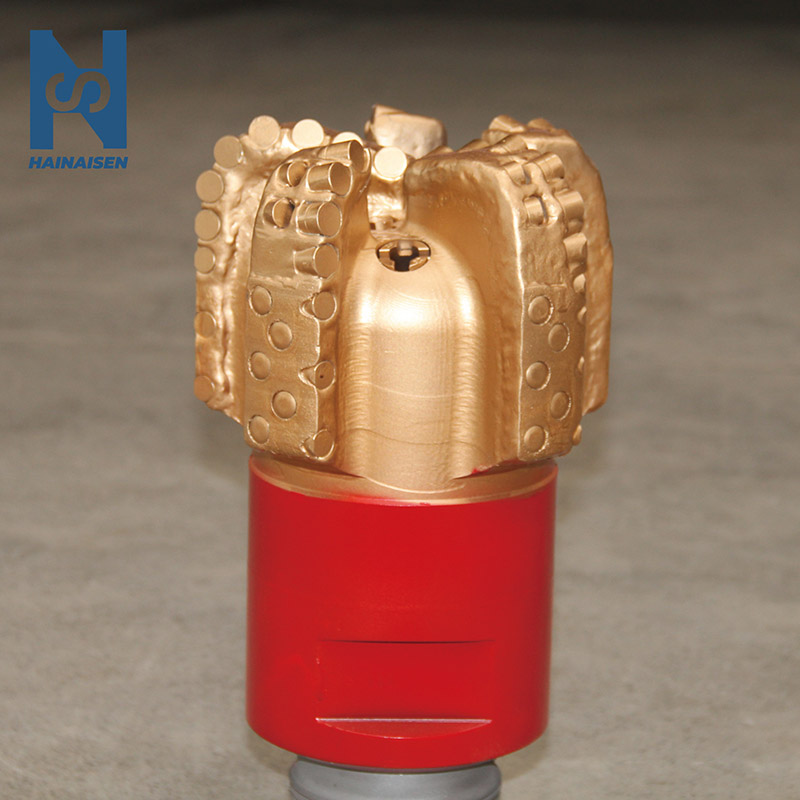
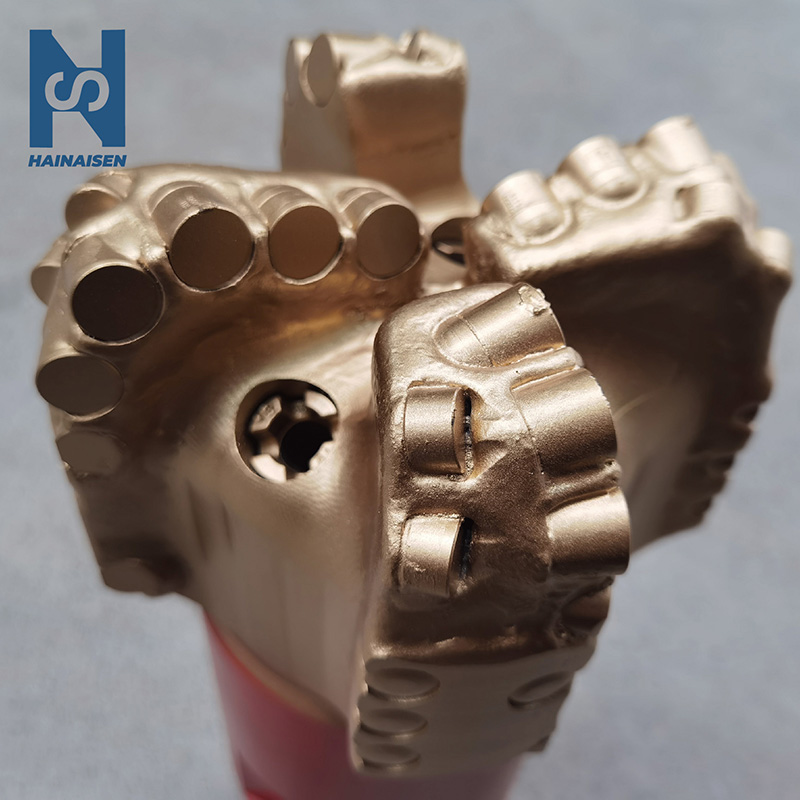
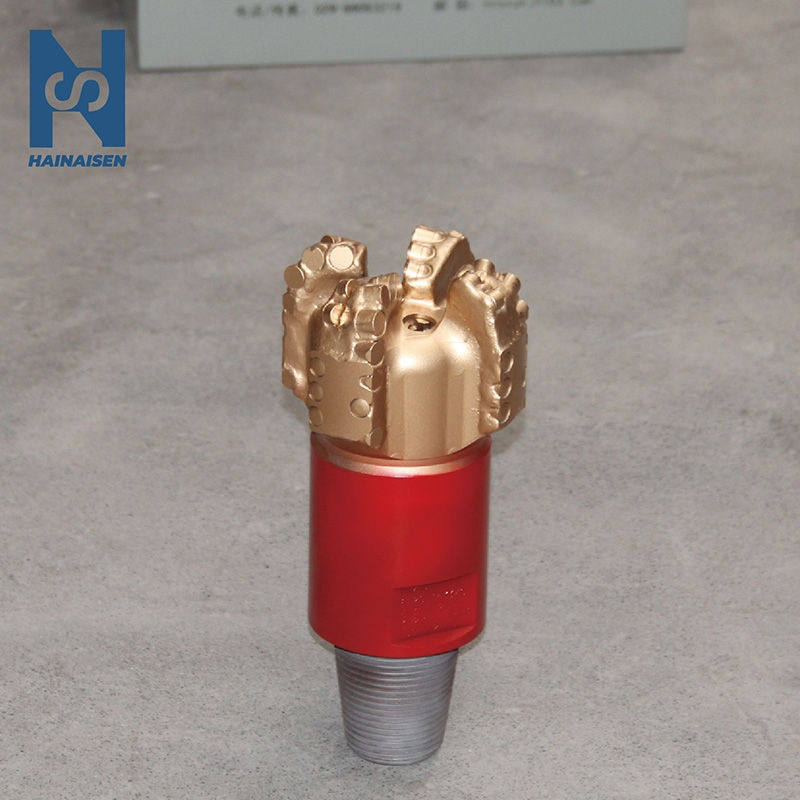
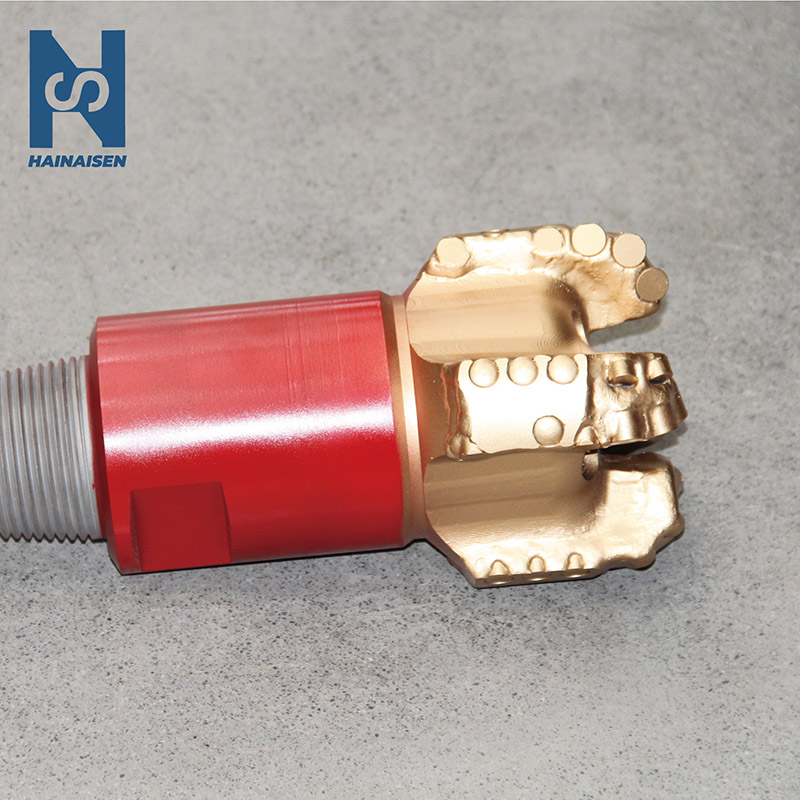
Polycrystalline diamond compact bits employ fixed cutting elements that shear rock through continuous scraping action, contrasting with the crushing mechanism of roller cone technology. PDC Bits excel in uniform, non-abrasive formations where their higher rotational speeds generate excellent penetration rates and extended run lengths. However, geothermal applications frequently involve interbedded formations combining soft and hard layers with varying abrasiveness levels. Under these conditions, hard alloy roller bits demonstrate superior versatility, adapting to formation changes through their multiple cutting structures and bearing systems. The roller design also tolerates higher weight-on-bit applications and handles formation fracturing more effectively, reducing the risk of catastrophic cutter damage when encountering unexpected hard stringers or highly fractured zones common in geothermal reservoirs.
Economic Analysis Across Different Drilling Scenarios
Bit selection economics extend beyond initial purchase price to encompass total drilling costs including penetration rate, bit life, and trip expenses. In shallow geothermal wells drilling through relatively soft formations, aggressive PDC bits may deliver lower cost-per-foot through rapid penetration and extended runs. As drilling depth increases and formations become harder and more abrasive, hard alloy roller bits often prove more economical despite potentially slower penetration rates. The robust construction withstands demanding conditions without premature failure, reducing expensive bit trips and associated non-productive time. Our 140mm roller bit, with its Level 1-12 strata capability, provides reliable performance across diverse geological sequences, eliminating the need to stock multiple specialized bit types and simplifying inventory management for drilling contractors working across roller cone bits varied geothermal projects.
Application-Specific Selection Guidelines
Matching bit technology to drilling objectives requires understanding project-specific priorities. Deep geothermal exploration programs prioritizing reliable penetration through unknown formations benefit from the versatility and durability of hard alloy roller bits. Production well drilling in characterized formations may justify specialized PDC bits optimized for known lithologies. Directional drilling operations requiring precise trajectory control often favor roller bit technology due to its predictable drilling characteristics and superior weight transfer efficiency. When drilling hot dry rock geothermal wells, where formations exhibit extreme hardness and abrasiveness, tungsten carbide roller bits consistently outperform alternative technologies in both penetration efficiency and operational durability, making them the preferred choice among experienced geothermal drilling operators.
Procurement Best Practices: How to Buy the Right Hard Alloy Roller Drill Bit
Supplier Evaluation Criteria for Quality Assurance
Selecting a reliable Hard Alloy Roller Drill Bit Manufacturer requires thorough supplier assessment beyond simple price comparison. Manufacturing capabilities directly impact product quality and consistency—look for suppliers operating modern machining facilities equipped with CNC precision equipment and automated welding systems. At our 3,500-square-meter facility in Xi'an, we utilize 5-axis machining centers and advanced processing equipment to maintain tight manufacturing tolerances across all bit components. Quality control protocols should include rigorous material testing, dimensional verification, and performance validation before shipment. Our comprehensive testing procedures verify cutting structure integrity, bearing assembly functionality, and hydraulic system performance, ensuring every bit meets specification requirements. Certification documentation and traceability systems provide additional confidence that supplied products match your technical requirements.
Understanding Pricing Structures and Order Economics
Pricing dynamics for drilling bits reflect multiple factors including raw material costs, manufacturing complexity, and order volume. Minimum order quantities, typically 10 pieces for specialized roller bits, enable manufacturers to optimize production efficiency while providing clients with reasonable unit pricing. Bulk purchasing opportunities deliver meaningful cost advantages—consolidating requirements across multiple wells or coordinating procurement with partner companies reduces per-unit expenses. Delivery timelines averaging 5-7 business days for standard configurations allow efficient project planning, while custom designs require additional lead time for engineering and manufacturing. Payment terms typically include telegraphic transfer or letter of credit options, with specific arrangements negotiated based on order value and client relationship history. Transparent discussions regarding these commercial elements establish clear expectations and facilitate smooth procurement processes.
Leveraging Technical Support and Customization Services
Collaborative relationships with manufacturers extend beyond transactional bit purchases to include valuable technical support services. Experienced suppliers offer consultation regarding bit selection for specific geological conditions, drawing from extensive application databases and drilling performance records. Our engineering team analyzes formation data, drilling parameters, and operational objectives to recommend optimal bit specifications for your geothermal projects. Custom bit design capabilities address unique challenges that standard products cannot fully resolve, whether through modified cutting structures, specialized bearing systems, or altered hydraulic configurations. Ongoing technical support throughout drilling operations helps troubleshoot performance issues, optimize drilling parameters, and refine bit selections based on actual results. This partnership approach transforms your supplier from a simple vendor into a trusted advisor contributing directly to drilling success and operational efficiency.
Maintaining and Maximizing the Lifespan of Hard Alloy Roller Drill Bits
Inspection and Maintenance Protocols for Extended Service Life
Proactive maintenance practices significantly Hard Alloy Roller Drill Bit influence drilling economics by extending bit life and preventing premature failures. Visual inspection upon bit retrieval identifies wear patterns, cutting structure condition, and bearing assembly integrity. Excessive cone wobble indicates bearing wear requiring immediate attention, while missing or broken carbide inserts signal cutting structure problems. Cleaning procedures remove formation residue and drilling fluid contaminants that accelerate wear and obscure damage assessment. Proper storage in controlled environments protects bits from corrosion and mechanical damage between uses. When bits exhibit acceptable wear levels, refurbishment services can restore cutting structures and bearing systems to like-new condition at a fraction of replacement costs. Implementing systematic maintenance protocols transforms bit management from reactive replacement to planned asset optimization, reducing inventory requirements and improving drilling cost predictability.
Operational Practices That Preserve Bit Integrity
Managing drilling parameters has a direct effect on how long bits last and how consistently they work. Weight-on-bit must stay within the manufacturer's guidelines. For example, our 140mm roller bit works best when the drilling pressure fits the properties of the formation and the bit's design. Rotational speed affects both the rate of entry and the temperature of the bearing. Too much RPM causes heat that breaks down bearing seals and lubricants. The hydraulic flow rate and pressure should be just right to get rid of the cuttings without wearing down the bit parts with too much tool speed. Cutting structures and bearing systems can be kept in good shape during tripping operations by being handled carefully. If you follow the right steps to break in new bits, the bearing surfaces will seat properly before you put full operational loads on them. Even though these operational standards may not seem important on their own, when put together they make bits last much longer and keep drilling efficient throughout operational runs.
Recognizing Indicators for Service or Replacement
Knowing when to service or replace bits keeps operations running smoothly and avoids costly drilling problems. Even though the drilling settings stay the same, penetration rates are going down, which means that the cutting structures or bearings are wearing out. More force needs to be applied, which could mean that bearing assemblies are binding or that cutting structures are formation balling. Wearing out bearings, unbalanced cones, or broken cutting elements are all signs of too much vibration. Metal particles that can be seen in the drilling fluid are a sign of increased bearing wear that needs to be looked into right away. As the temperature of the return fluid rises, it may mean that the bearing failure is getting worse. Monitoring these signs lets you act quickly before catastrophic failures happen, protecting both the bit investment and avoiding problems that could happen downhole. Setting performance baselines for your individual applications gives you a way to objectively evaluate condition and decide when to replace something.
Conclusion
Selecting the appropriate hard alloy roller drill bit for geothermal drilling requires balancing technical requirements, economic considerations, and operational realities. Understanding bit construction, material properties, and performance characteristics enables informed decisions aligned with your project objectives. Comparing roller cone technology against alternatives like PDC bits clarifies application-specific advantages across different geological conditions. Effective procurement practices emphasize supplier capabilities, customization options, and technical support beyond simple price considerations. Proactive maintenance and proper operational procedures maximize bit life and drilling efficiency, optimizing your return on investment. By applying these selection criteria and best practices, you position your geothermal drilling operations for improved productivity, reduced costs, and greater project success.
FAQ
1. What factors most significantly affect hard alloy roller drill bit lifespan in geothermal applications?
Bit longevity depends primarily on formation abrasiveness, operating parameters, and maintenance practices. Highly abrasive formations accelerate carbide insert wear and bearing degradation regardless of bit quality. Maintaining proper weight-on-bit and rotational speed within manufacturer specifications prevents premature bearing failure and cutting structure damage. Adequate hydraulic flow ensures effective cooling and cuttings removal, reducing heat buildup that damages bearing seals. Regular inspection and cleaning between runs extends service life by identifying problems early and removing abrasive contaminants. Our tungsten carbide cutting elements and advanced sealing materials provide exceptional durability when operated within design parameters, typically delivering superior footage compared to conventional alternatives in demanding geothermal formations.
2. How do custom-designed bits improve drilling efficiency compared to standard offerings?
Custom bit designs address site-specific geological challenges that standard configurations may handle less effectively. Tailored cutting structure patterns optimize rock breaking mechanisms for particular formation characteristics identified through offset well analysis. Modified bearing systems accommodate expected load conditions and temperature environments specific to your drilling depth and formation properties. Customized hydraulic configurations match available pump capacity and fluid properties for optimal cuttings transport. This precision engineering eliminates compromises inherent in general-purpose designs, translating to faster penetration rates, extended bit life, and improved overall drilling economics. Our design team collaborates closely with clients to develop optimized solutions, leveraging our manufacturing flexibility and application experience accumulated across diverse geothermal projects worldwide.
Partner With HNS for Superior Geothermal Drilling Solutions
Optimizing your geothermal drilling operations starts with Hard Alloy Roller Drill Bit selecting the right drilling tools backed by technical expertise and reliable support. Shaanxi Hainaisen Petroleum Technology Co., Ltd. combines advanced manufacturing capabilities with dedicated customer service to deliver Hard Alloy Roller Drill Bit solutions that meet your most demanding requirements. Our 3,500-square-meter production facility utilizes state-of-the-art CNC machining centers and automated welding systems to maintain exceptional quality standards. Beyond supplying premium drilling tools, we function as your technical partner, offering customized bit designs, application consultation, and ongoing support throughout your projects. Contact our knowledgeable team at hainaisen@hnsdrillbit.com to discuss your specific requirements and discover how our hard alloy roller drill bit supplier capabilities can enhance your drilling performance.
References
1. Bourgoyne, A.T., Millheim, K.K., Chenevert, M.E., and Young, F.S. (1991). Applied Drilling Engineering. Society of Petroleum Engineers Textbook Series, Volume 2.
2. Curry, D.A., Fear, M.J., and Lockwood, F.E. (2005). "Rock Destruction Mechanisms and Roller-Cone Bit Performance in Hard Rock Drilling." Journal of Canadian Petroleum Technology, 44(5), 32-38.
3. Gelfgat, M.Y., Basovich, V.S., and Tikhonov, V.S. (1997). Roller Bit Selection for Optimum Drilling Performance. Moscow: Nedra Publishing House.
4. Maurer, W.C. (1968). Novel Drilling Techniques. Oxford: Pergamon Press, Chapter 3: "Roller Bit Drilling Performance."
5. Winters, W.J., Warren, T.M., and Onyia, E.C. (1987). "Roller Bit Model with Rock Ductility and Cone Offset." SPE/IADC Drilling Conference, Paper SPE 16696.
6. Zhou, Y. and Lin, J.S. (2013). "Modeling Rock Fragmentation by TCI Roller Cone Bits in Hard Rock Drilling." International Journal of Rock Mechanics and Mining Sciences, 61, 324-334.
logo 4_1777360540990.jpg)