







How do diamond drill bits improve oil well efficiency?
Diamond Oil Drill Bits change how oil wells work with advanced polycrystalline diamond compact (PDC) technology that quickly and accurately cuts through rock layers. These bits have fake diamond particles built into their cutting surfaces. This makes tools that can cut through hard formations more quickly while still remaining structurally sound, even when the pressure and temperature are very high downhole. This leads to higher rates of penetration that can be measured, longer bit life that cuts down on expensive trips, and better wellbore quality that speeds up the finishing process. For oil and gas companies, this means a big drop in drilling time and costs.
Understanding Diamond Oil Drill Bits and Their Role in Oil Well Drilling
What Makes Diamond Drill Bits Different from Traditional Tools
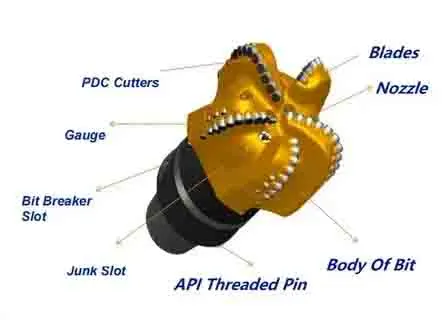
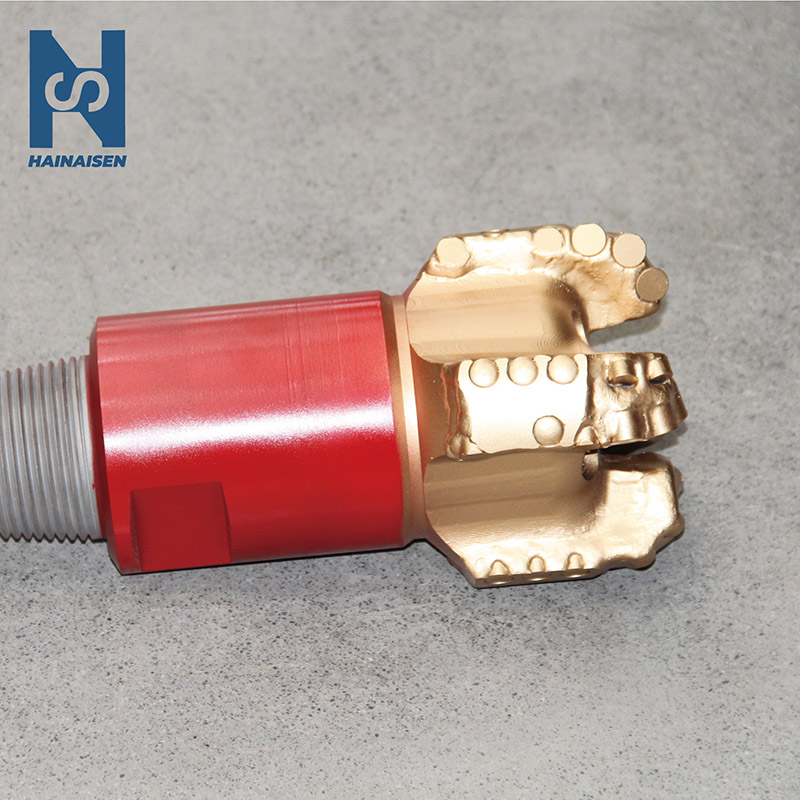
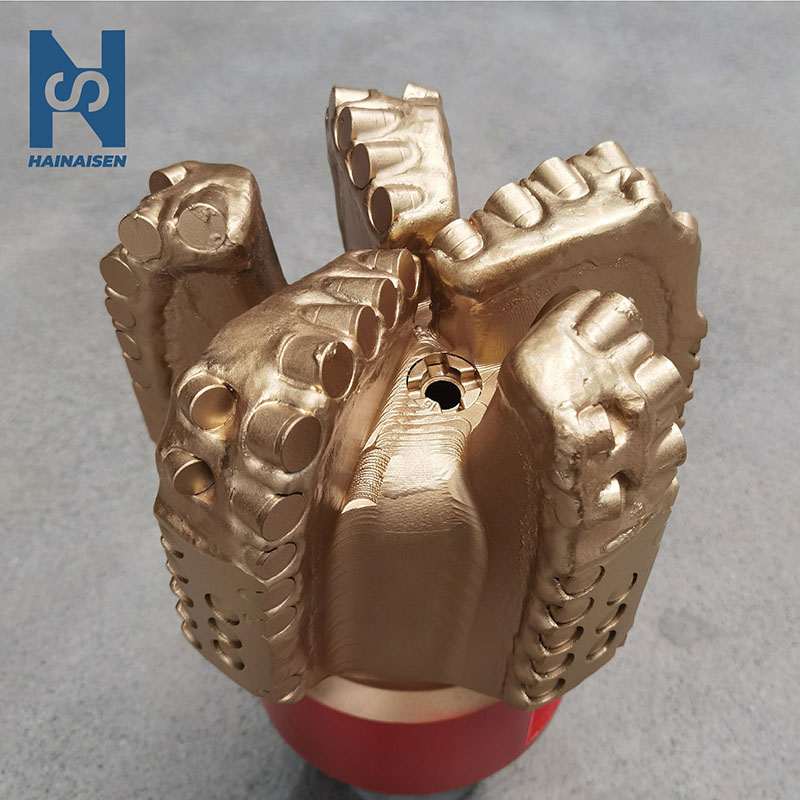
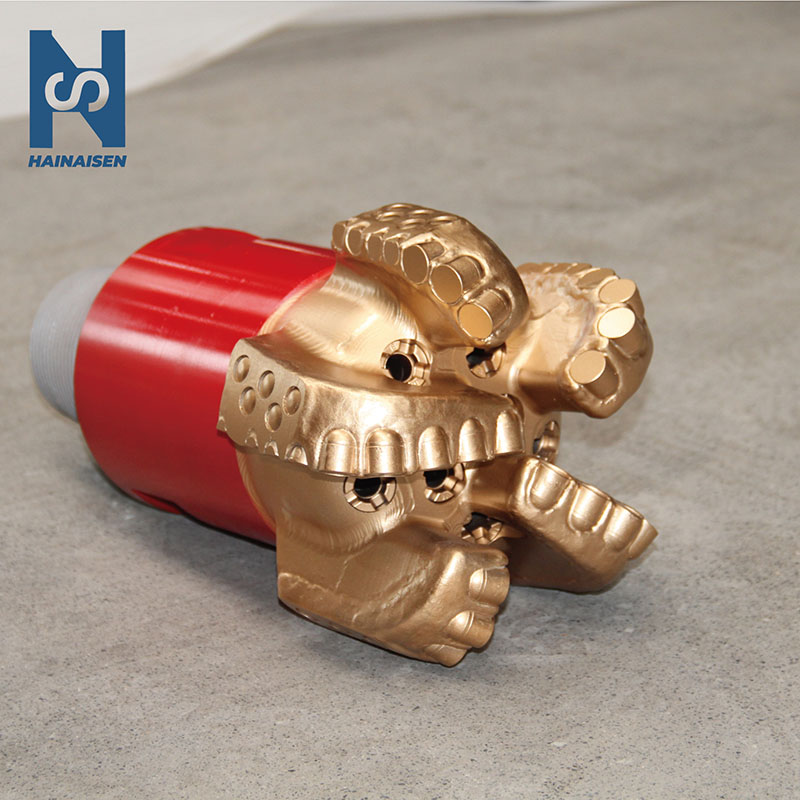
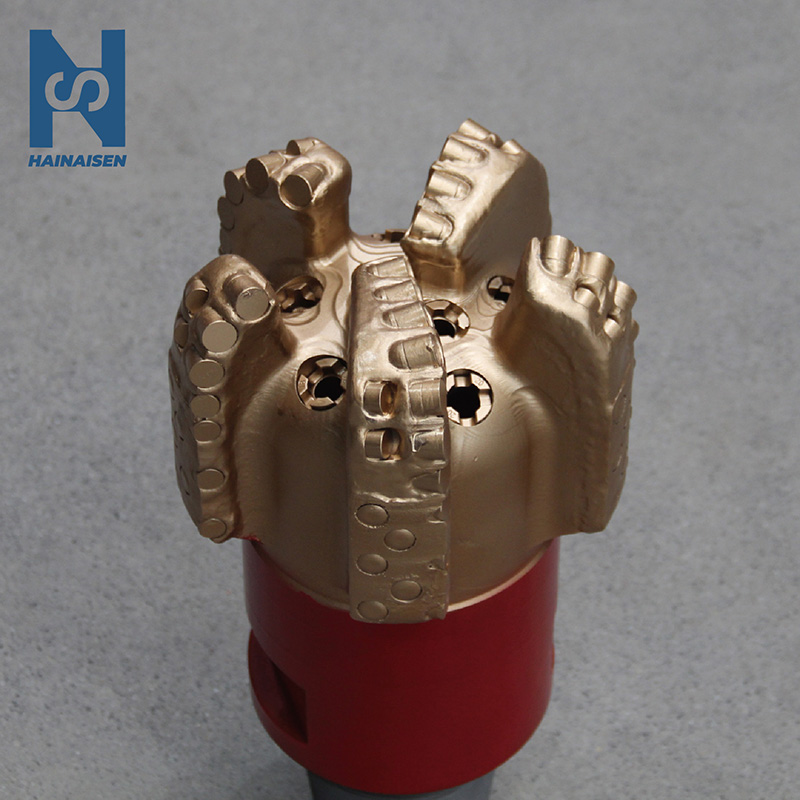
The most important difference is in how the cuts are made. The spinning tungsten carbide inserts in traditional roller cone bits apply mechanical force to rock, which causes a lot of vibration and heat. diamond bits, on the other hand, have fixed cutters made of synthetic diamond, which is the hardest material known to science. These cutters shear rock continuously with little impact, making the cutting action smoother and reducing mechanical stress on drilling equipment. At Shaanxi Hainaisen Petroleum Technology, we use precision-machined steel bodies with PDC cutters placed in key areas. Each cutter is made up of a thin layer of diamond attached to a base made of tungsten carbide. These materials are designed to keep their sharp cutting edges even when they are compressed by more than 750,000 psi. This design makes it possible for the bits to keep cutting aggressively for a long time, even in abrasive forms where other bits would break down quickly.
Types of Diamond Bits and Their Technical Specifications
There are three main types that meet different drilling needs. Matrix body bits have diamond particles spread out in a tungsten carbide matrix. This gives them great wear resistance in very rough rocks, where keeping the gauge is very important. These work great for long-term directional drilling projects where keeping the hole diameter the same over long periods of time saves money on reaming. Impregnated diamond bits have smaller diamond crystals spread out across the cutting face and are made for hard, uniform rock formations. Continuous diamond exposure ensures consistent cutting action as the outer layers wear away, revealing new diamonds below. This self-sharpening property makes the tool last longer between uses. Hybrid designs combine PDC cutters with diamond-impregnated sections, making them useful for a wide range of hardnesses. This flexibility comes in handy when drilling through interbedded lithologies, where soft shales and hard limestone can change within the same drilling run.
Maintenance Considerations and Lifespan Factors
Choosing the right bits has a direct effect on how long they last, Diamond Oil Drill Bits, and how much they cost. When used properly, PDC Bits can drill up to 8,000 feet before they need to be replaced, while standard roller cone bits can only drill up to 1,500 feet in the same types of rock. Our field data shows that diamond bits that are properly maintained can cut bit costs per foot by 40–60%, even though they cost more to buy at first. Some of the most important things to keep an eye on when maintaining a bit are its weight, its rotary speed, and the qualities of the drilling fluid. Too much weight makes cutters break down early, and not enough flow rates make cooling and chip removal harder. Our technical team gives formation-specific operational factors that make each bit design work better and give you the best return on your investment.
Key Benefits of Diamond Oil Drill Bits in Enhancing Oil Well Efficiency
Superior Penetration Rates and Drilling Speed
Drilling processes need performance improvements that can be measured and that lead to less time spent on the rig. In the right formations, our PDC bits always achieve penetration rates 50–150% faster than roller cone options. Because diamond cutters remove rock more effectively than regular bits by continuously shearing it, this speeding up is possible. A recent project in the Permian Basin made these benefits particularly clear. When our optimised PDC designs were used, operators could finish lateral sections at an average speed of 185 feet per hour. This is faster than the 95 feet per hour that roller cone bits could do in wells next to each other. The time saved cut the time needed to drill by four days per well, which saved more than $240,000 per wellbore at an average rig rate of $25,000. The faster drilling skills go beyond straight-hole drilling.
Enhanced Durability and Extended Service Life
Operational longevity directly impacts drilling economics by reducing trip frequency and associated non-productive time. Our advanced PDC technology delivers durability advantages through superior heat resistance properties that maintain cutting efficiency in high-temperature environments reaching 350°F—common in deep wells exceeding 15,000 feet. An optimized cutting structure distributes cutting forces across multiple cutters, preventing individual cutter overload that causes premature failure. This design consideration, combined with high-quality synthetic diamonds sourced from reliable suppliers, ensures consistent performance throughout the bit's operational life. Field testing across diverse formations confirms average bit life improvements of 200-300% compared to standard tricone bits. Material selection plays a crucial role in longevity. We Manufacture bit bodies using high-strength steel alloys processed through our advanced 5-axis machining centers, ensuring precise cutter placement and optimal hydraulic flow paths.
Cost-Effectiveness Across Drilling Lifecycles
Procurement professionals evaluating drilling tools must analyze the total cost of ownership rather than the initial purchase price alone. Diamond bits carry higher upfront costs—typically $15,000 to $75,000 depending on size and specifications—compared to $5,000 to $25,000 for conventional bits. However, comprehensive cost analysis reveals superior value through reduced trip frequency, faster drilling, and improved wellbore quality. Calculating the cost per foot drilled, Diamond Oil Drill Bits provides a meaningful comparison. A PDC bit costing $40,000 that drills 5,000 feet generates a cost of $8 per foot. A conventional bit at $12,000 drilling 800 feet costs $15 per foot—nearly double the PDC expense. When factoring in trip time valued at $1,500 per hour for rig operations, the economic advantage of diamond technology becomes undeniable.
Environmental and Operational Safety Advantages
Modern drilling operations face increasing regulatory scrutiny regarding environmental impact and worker safety. Diamond bits contribute to both objectives through reduced drilling fluid consumption, lower energy requirements, and decreased equipment failure risks. The smooth drilling action minimizes formation damage and reduces fine cuttings generation that complicates solids control systems. Compatible drilling fluid systems support optimal bit performance while meeting environmental standards. Water-based muds with appropriate lubricity additives provide effective cooling and cuttings transport for most applications. Our technical specifications recommend fluid properties that balance bit cooling requirements with formation stability and environmental compliance, ensuring operators meet increasingly stringent discharge regulations.
Best Practices for Using Diamond Oil Drill Bits to Maximize Oil Well Efficiency
Drilling Parameter Optimization Techniques
Achieving maximum efficiency requires matching operational parameters to bit design and formation characteristics. Weight on bit represents the primary variable controlling penetration rate, with optimal ranges typically between 3,000 and 8,000 pounds per inch of bit diameter for PDC designs. Insufficient weight fails to engage cutters effectively, while excessive weight causes premature cutter damage through overloading and increased heat generation.Rotary speed directly influences cutting efficiency and cutter wear rates. Modern PDC bits perform optimally at 80 to 180 revolutions per minute in typical oil well applications, with harder formations benefiting from higher speeds that maintain cutting action. Our technical specifications provide formation-specific parameter recommendations that balance penetration rate against bit longevity, helping operators maximize footage while controlling costs.
Drilling Fluid Selection and Management
Proper fluid selection supports bit performance through effective cooling, lubrication, and cuttings transport. Water-based muds containing appropriate concentrations of lubricating additives maintain PDC cutter temperatures within acceptable ranges while providing sufficient viscosity for cuttings removal. Our field experience indicates fluid flow rates should achieve nozzle velocities of 250 to 350 feet per second to ensure adequate bottom-hole cleaning without excessive erosion of bit surfaces. Oil-based muds offer superior lubrication properties that extend bit life in abrasive formations, though environmental and cost considerations limit their application. Synthetic-based fluids provide an effective compromise, delivering enhanced lubrication with improved environmental profiles compared to diesel-based systems. The choice depends on formation sensitivity, environmental regulations, and economic analysis of drilling fluid costs versus performance benefits.
Preventative Maintenance and Inspection Protocols
Maximizing bit investment requires implementing systematic maintenance procedures and recognizing performance decline indicators. Monitoring penetration rate trends identifies developing issues before catastrophic failures occur. A gradual decrease in footage per hour suggests cutter wear or bit balling, warranting pulling the bit for inspection rather than continuing operations that risk more expensive equipment damage. Surface inspection between runs reveals wear patterns that inform operational adjustments. Uniform cutter wear across all blades indicates proper weight distribution and appropriate parameters. Localized damage or premature wear on specific cutters suggests operational issues—excessive weight, improper rotary speed, or inadequate fluid flow—requiring corrective action before resuming drilling with a replacement bit.
Safety Considerations and Risk Mitigation
Drilling operations inherently involve significant safety risks that proper equipment selection and operational practices can mitigate. Diamond bits reduce certain hazards through smoother operation that minimizes pipe vibration and associated equipment failures. The elimination of moving parts removes bearing failure risks that can cause sudden bit seizure, potentially resulting in stuck pipe incidents requiring costly fishing operations. Operators must nonetheless implement appropriate safety protocols during bit handling and installation. PDC cutters present laceration hazards during makeup and breakout operations, requiring appropriate Diamond Oil Drill Bits personal protective equipment and careful handling procedures. Our safety documentation provides comprehensive guidelines for safe bit handling, storage, and operational monitoring that protect personnel while preserving equipment integrity.
Procurement Guide: How to Source the Right Diamond Oil Drill Bit for Your Oil Well Project
Aligning Bit Specifications with Formation Requirements
Successful bit selection begins with a thorough geological analysis of target formations. Rock hardness, abrasiveness, and drilling fluid compatibility directly influence optimal bit design. Soft to medium formations with compressive strengths below 15,000 psi suit aggressive PDC designs featuring larger cutters and steeper blade angles that maximize penetration rates. Hard formations exceeding 25,000 psi require smaller, more numerous cutters with shallower blade angles that distribute cutting forces and prevent individual cutter damage. Formation abrasiveness demands particular attention when selecting gauge protection strategies. Highly abrasive sandstones and conglomerates rapidly wear bit diameter, compromising hole size and potentially creating completion challenges. Our enhanced gauge designs incorporate additional PDC inserts and wear-resistant hardfacing materials that preserve diameter throughout extended drilling intervals, eliminating costly reaming operations.
Understanding Pricing Models and Lead Time Planning
Effective procurement planning accounts for manufacturing lead times and pricing structures that vary based on customization requirements. Standard catalog bits typically ship within four weeks, providing rapid deployment for urgent drilling campaigns. Custom designs incorporating specialized cutter layouts or modified hydraulic configurations require additional engineering and manufacturing time, extending delivery to eight weeks or longer, depending on complexity. Pricing reflects design complexity and material costs. Standard PDC bits for common hole sizes represent the most economical option, with volume pricing available for multi-well programs. Custom designs command premium pricing—typically 20-40% above standard catalog prices—reflecting engineering time and specialized manufacturing processes. However, the performance improvements in challenging formations frequently justify the additional investment through superior drilling economics.
Evaluating After-Sales Support and Technical Assistance
Supplier technical support capabilities significantly impact drilling success, particularly when encountering unexpected formation challenges or performance issues. Our team provides responsive technical consultation throughout drilling operations, analyzing performance data to recommend parameter adjustments or bit design modifications that optimize results. This ongoing support proves particularly valuable for operators entering new drilling regions where formation characteristics differ from previous experience. Warranty terms provide important protection for equipment investments. We stand behind product quality with comprehensive coverage addressing manufacturing defects and premature failures attributable to material or construction issues. Claims processing procedures are straightforward, requiring dull bit analysis and operational parameter documentation to verify failure causes and determine appropriate remedies—typically replacement bits or purchase credit toward future orders.
Conclusion
Diamond oil drill bits represent the most significant advancement in drilling technology for oil well operations, delivering measurable improvements in penetration rates, operational costs, and wellbore quality. The combination of superior cutting efficiency, extended service life, and reduced non-productive time translates to substantial economic advantages for operators across diverse geological environments. Successful implementation requires careful bit selection aligned with formation characteristics, optimized operational parameters, and partnerships with capable manufacturers providing robust technical support. As drilling projects become increasingly complex and cost-sensitive, diamond bit technology provides the performance edge that separates efficient operations from struggling competitors.
FAQ
1. How does the lifespan of diamond drill bits compare to tungsten carbide alternatives?
Diamond PDC bits typically drill 3,000 to 8,000 feet in appropriate formations—three to five times the footage achieved by tungsten carbide roller cone bits. This extended service life stems from diamond's exceptional hardness and the continuous cutting action that reduces impact stress. Actual lifespan varies significantly based on formation characteristics, operational parameters, and bit quality, making proper selection and operation critical to realizing potential longevity advantages.
2. What drilling fluids maximize diamond bit performance?
Water-based muds with appropriate lubricity additives suit most applications, providing effective cooling and cuttings transport while meeting environmental requirements. Maintaining proper viscosity, density, and solids content ensures adequate bottom-hole cleaning without excessive erosion. Oil-based or synthetic fluids offer enhanced lubrication in highly abrasive formations where extended bit life justifies additional fluid costs. Our technical team provides formation-specific fluid recommendations optimized for your drilling conditions.
3. Can diamond bits handle variable rock formations effectively?
PDC bits perform best in relatively homogeneous formations where consistent hardness allows optimization of cutting structure and operational parameters. Formations with extreme hardness variations or significant fracturing may cause premature cutter damage, potentially favoring roller cone technology. However, modern hybrid PDC designs incorporate features that improve tolerance of formation variability, extending diamond bit applicability across broader geological conditions than earlier generation designs.
Partner with HNS for Premium Diamond Oil Drill Bit Solutions
Shaanxi Hainaisen Petroleum Technology (HNS) delivers Diamond Oil Drill Bits, proven diamond drilling solutions engineered for demanding oil well applications. Our advanced manufacturing capabilities and dedicated research team ensure you receive precisely optimized tools that maximize drilling efficiency while controlling costs. As a trusted Diamond Oil Drill Bit supplier, we combine competitive pricing with exceptional technical support and reliable delivery schedules that keep your projects on track. Contact our team at hainaisen@hnsdrillbit.com to discuss your specific requirements and discover how our customized bit designs can transform your drilling performance.
References
1. Bellin, F., Dourfaye, A., King, W., & Thigpen, M. (2010). "The Current State of PDC Bit Technology." World Oil, 231(9), 41-46.
2. Durrand, C. J., Skeem, M. R., & Hall, D. R. (2008). "Thick PDC Cutters for Enhanced Performance in Hard Rock Drilling." SPE Drilling & Completion, 23(04), 346-352.
3. Glowka, D. A. (1989). "Use of Single-Cutter Data in the Analysis of PDC Bit Designs: Part 1—Development of a PDC Cutting Force Model." Journal of Petroleum Technology, 41(08), 797-799.
4. Jaimes, M. C., Gonzalez, C. M., & Oliveira, A. (2015). "Best Practices in PDC Bit Selection and Operation for Drilling Optimization." International Petroleum Technology Conference, Paper IPTC-18381-MS.
5. Pessier, R. C., & Fear, M. J. (1992). "Quantifying Common Drilling Problems with Mechanical Specific Energy and a Bit-Specific Coefficient of Sliding Friction." SPE Annual Technical Conference and Exhibition, Paper SPE-24584-MS.
6. Warren, T. M., & Armagost, W. K. (1988). "Laboratory Drilling Performance of PDC Bits." SPE Drilling Engineering, 3(02), 125-135.
 VIEW MORE4 1/2" IADC 637 TCI Tricone Bit
 VIEW MOREForging Deep Rock Well Drilling Bits PDC Mining Bit
 VIEW MOREHard Alloy Roller Drill Bit
 VIEW MORECoal Mining PDC Drill Bits
 VIEW MOREPetroleum PDC Oil Drill Bit
 VIEW MOREPDC Diamond Bit
 VIEW MOREDiamond Drill Bits For Oil Rigs
 VIEW MOREOil Diamond Drill Bit
