



Optimal Weight-on-Bit (WOB) Strategies
One of the most important things you can do to get the most out of three-blade oil drill bits is to optimize the weight-on-bit (WOB). The appropriate WOB makes sure that the bit works well with the formation without generating too much wear or damage.
Finding the Right Place
To get the best WOB for your three-blade bit, think about these things:
- Formation characteristics: Change the WOB dependent on how hard and rough the rock is that you are drilling.
- Bit design: Think about the size and positioning of the cutters on your three-blade bit.
- Rotary speed: Find the right rotary speed to balance WOB and get the highest rate of penetration (ROP) without shortening the life of the bit.
Start with a low WOB and slowly raise it while keeping an eye on the penetration rate and bit response. To get the best performance out of WOB, use real-time drilling data and downhole measurements to make small changes.
WOB Control that Changes
Use dynamic WOB control systems to keep the bit engaged at a steady level throughout the drilling process. These high-tech devices can automatically vary WOB based on changes in the formation and the conditions of the drilling. This makes sure that the bit stays intact while still getting the best penetration rates.
Drilling Fluid Selection for Faster ROP
The type of drilling fluid you use is very important for getting the most out of three-blade oil drill bits. The appropriate fluid makes the bit work better by quickly eliminating cuttings, cooling the bit, and keeping the wellbore stable.
Improving the Properties of Fluids
When choosing and improving your drilling fluid, think about the following:
- Viscosity: Find the right balance of viscosity to make sure that cuttings can be moved quickly without needing too much hydraulic horsepower.
- Density: Find the best fluid density to keep the wellbore stable and lower the hydrostatic pressure that can slow down ROP.
- Lubricity: Increase lubricity to lower the amount of friction between the drill string, bit, and wellbore. This will make drilling more efficient overall.
Make sure that the makeup of your drilling fluid is right for the formation and the job you need to do. To get the most out of your three-blade bits, think about employing modern fluid systems like synthetic-based muds or high-performance water-based fluids.
Control of solids and maintenance of fluids
Use strong solids control and fluid management methods to make sure that the qualities of the drilling fluid stay the same throughout the operation. Checking and changing the characteristics of the fluid on a regular basis will assist keep the best penetration rates and make the bit last longer.

Bit Hydraulics and Nozzle Optimization
To get the most penetration out of three-blade oil drill bits, you need to optimize bit hydraulics. Good hydraulic design makes sure that cuttings are removed quickly and the bit stays cool, which lets drilling continue at a high level.
Setting up the nozzle
The way the nozzle is set up on your three-blade bit has a big effect on how well it works hydraulically. When improving the design of a nozzle, keep these things in mind:
- Choose the right sizes and placements for the nozzles to provide the best flow across the bit face.
- Total flow area (TFA): Find a balance between TFA and the pump's capability to provide the right hydraulic horsepower at the bit.
- Jet impact force: Change the speed and direction of the jet to make it easier to remove cuttings and cool the bit.
Use field testing and computational fluid dynamics (CFD) simulations to make nozzle configurations more precise for different types of formations and applications.
More advanced hydraulic features
To improve penetration rates even more, think about adding advanced hydraulic features to your three-blade bit design:
- Improved garbage slot area: More room for cuts to leave, which lowers the chance of bit balling and speeds up ROP.
- Customized blade profiles: Change the shape of the blades to improve fluid flow and the removal of cuttings across the bit face.
- Secondary flow channels: Add more flow lines to make the hydraulics work better and clean the bit better.
- You may greatly increase penetration rates with three-blade oil drill bits by concentrating on these three main areas: the best weight-on-bit methods, the best drilling fluid, and the best bit hydraulics. Keep in mind that these methods may not work as well in all formations or under all scenarios. To reach and keep top performance, drilling parameters must be constantly watched, analyzed, and changed.
Conclusion
In order to get the most out of a three-blade PDC drill bit, three important things must be done at the same time: optimizing the weight on bit (WOB), carefully choosing and maintaining the drilling fluid, and carefully designing and changing the drill bit's hydraulic parameters. Higher rates of penetration (ROP), better wellbore quality, and longer drill bit life can only be achieved by making sure that mechanical and hydraulic energy work together.
Higher drilling efficiency can be obtained under different formation conditions by using modern solids control and hydraulic technologies, monitoring drilling parameters in real time, and taking use of the three-blade drill bit's natural stability and capacity to clean itself with water. To get the most out of the three-blade drill bit, it needs to be constantly optimized and adjusted on time.
Where to buy three-blade bits?
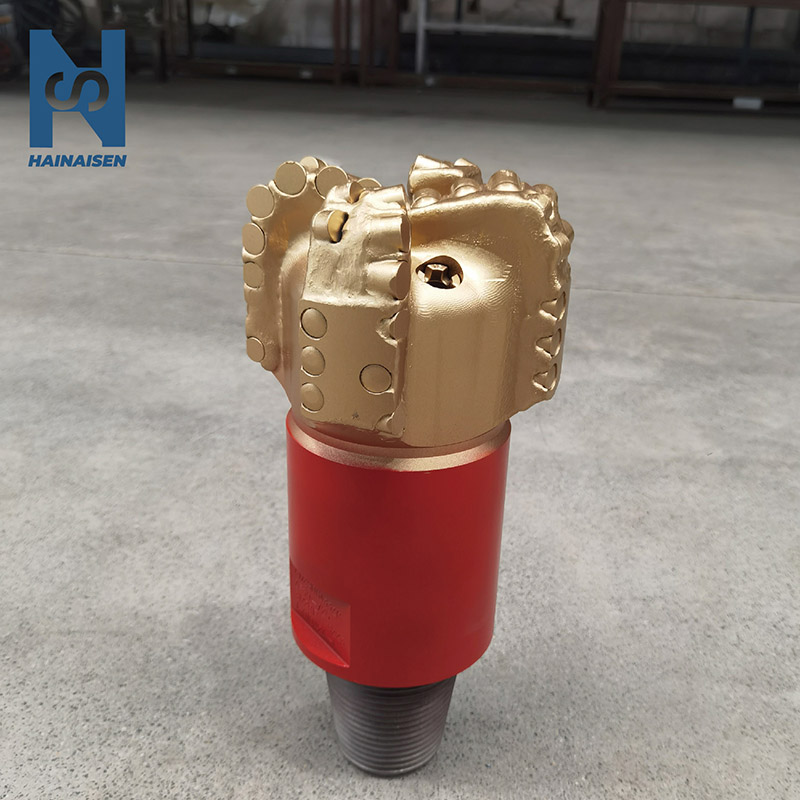
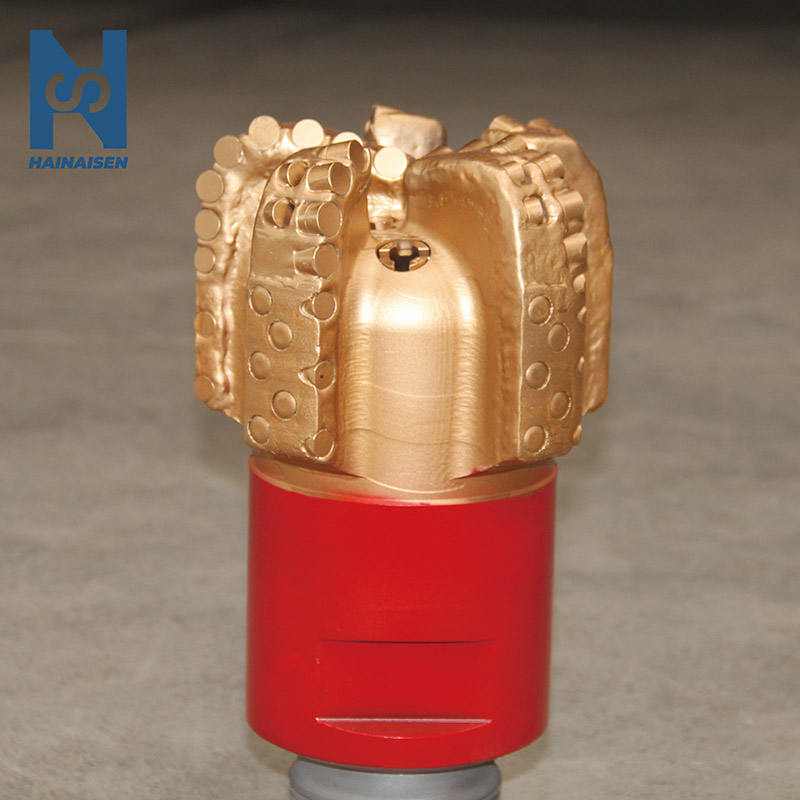
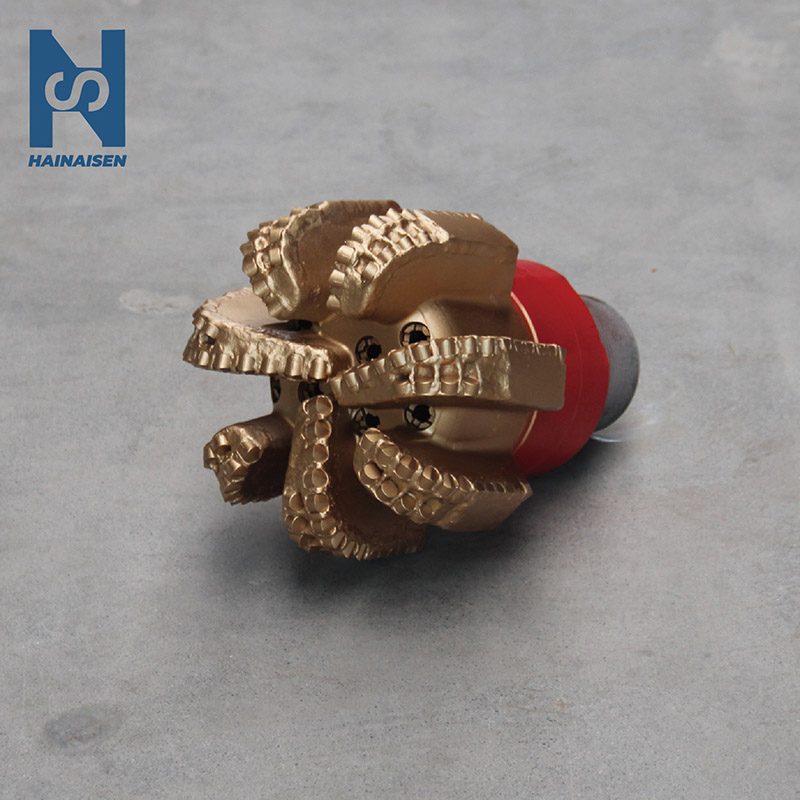
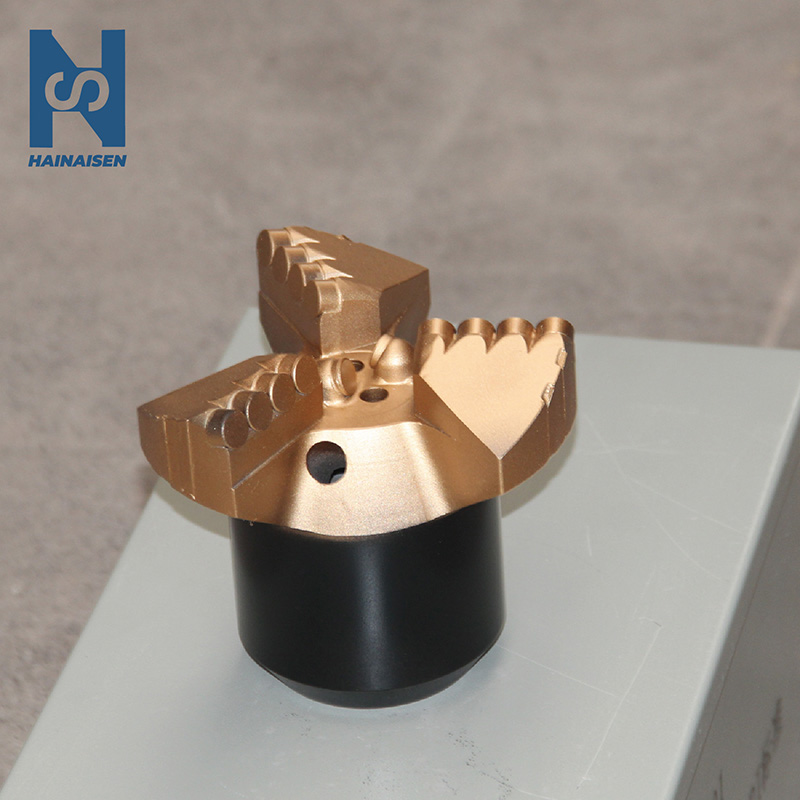
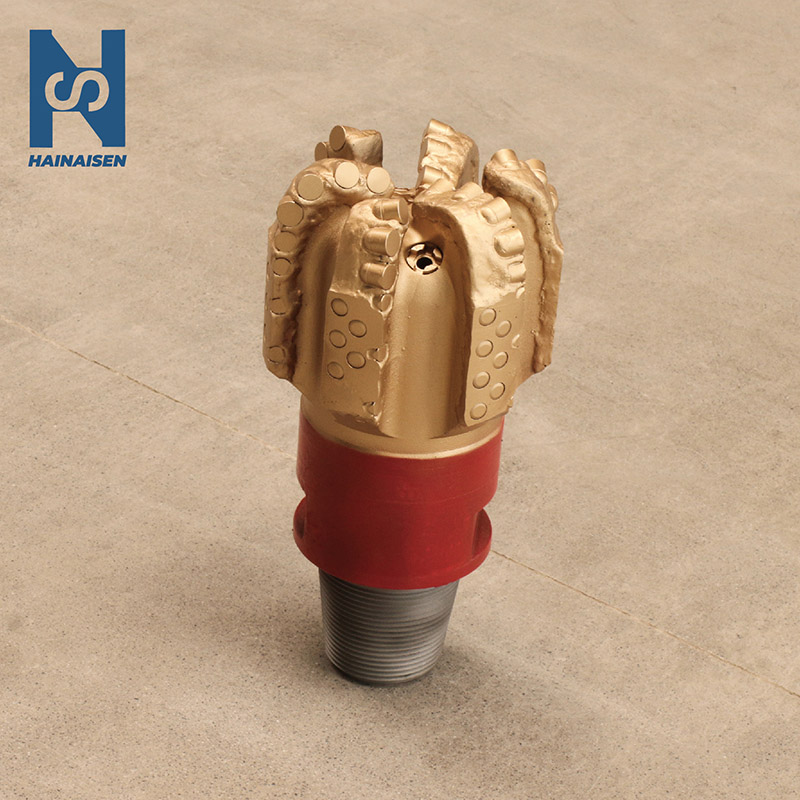
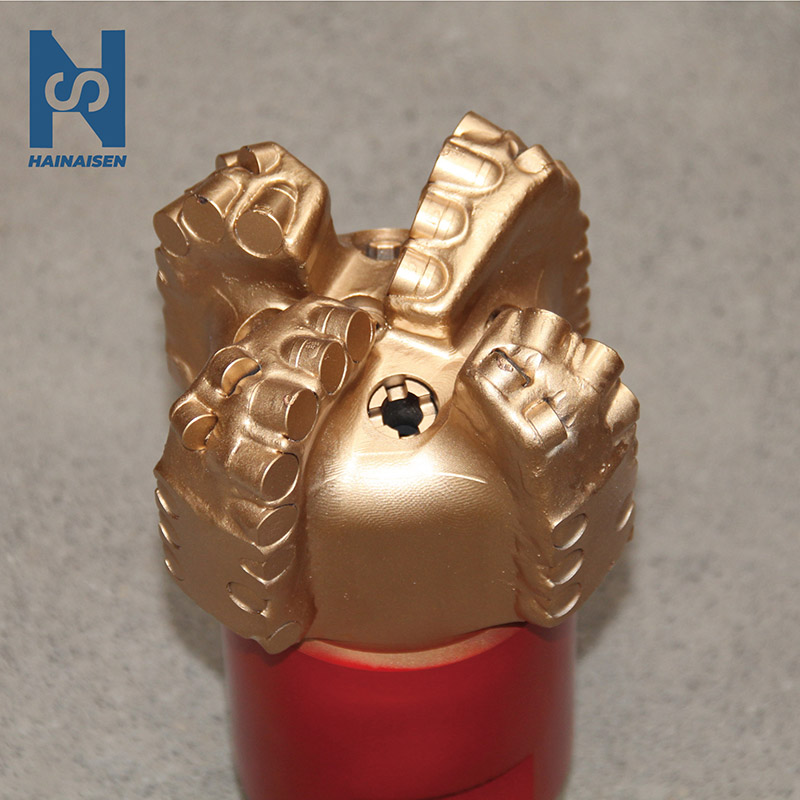
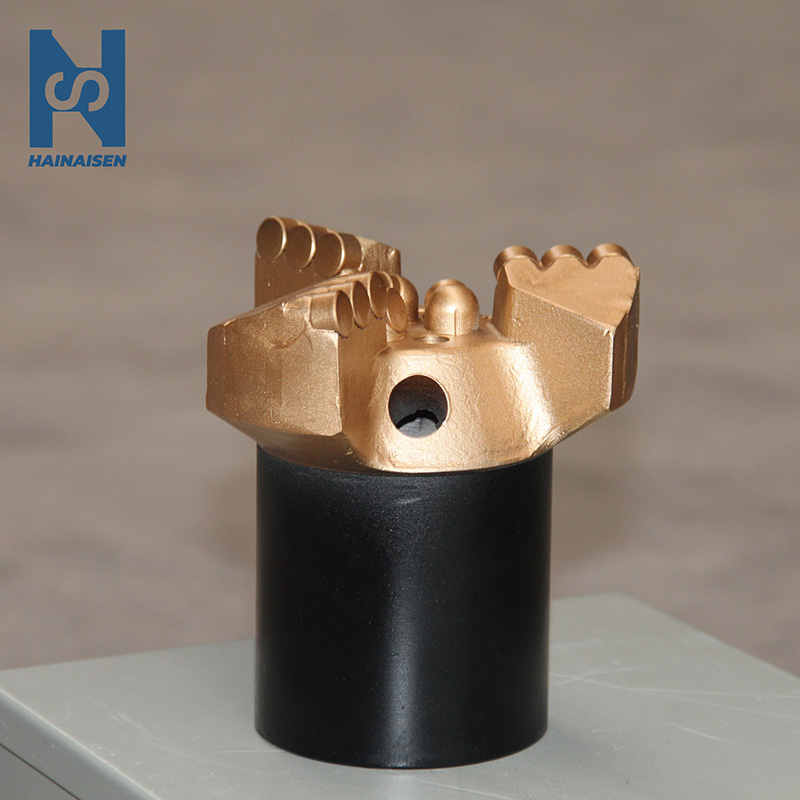
We at Shaanxi Hainaisen Petroleum Technology Co., Ltd. are experts at designing and making three-blade oil drill bits that work well for your specific drilling demands. Our sophisticated 6" (152.4mm) three-blade bit has 61 PDC cutters, hydraulics that have been adjusted with three nozzles, and a strong design that lets it penetrate the fastest in medium-hard formations.
Our carefully made three-blade bits can help you drill more efficiently and cost-effectively, whether you're working on oil and gas exploration, geothermal drilling, coal bed methane extraction, or water well projects. We are committed to giving you new drilling solutions that help you succeed. We have a dedicated research and development staff and state-of-the-art production facilities.
Are you ready to change the way you drill with our three-blade oil drill bits that work really well? Email our team of specialists at hainaisen@hnsdrillbit.com today to talk about your needs and find out how our cutting-edge technology can help you get the most out of your drilling by increasing your penetration rates and overall efficiency.

References
1. Smith, J.R. et al. (2021). "Advanced Three-Blade Bit Designs for Enhanced Penetration Rates in Medium-Hardness Formations." Journal of Petroleum Technology, 73(5), 62-70.
2. Johnson, A.B. and Thompson, L.K. (2020). "Optimizing Weight-on-Bit Strategies for Three-Blade PDC Bits in Various Formation Types." SPE Drilling & Completion, 35(3), 301-315.
3. Chen, X. et al. (2022). "Computational Fluid Dynamics Analysis of Three-Blade Bit Hydraulics for Improved Cuttings Removal." Journal of Energy Resources Technology, 144(6), 063001.
4. Williams, R.M. and Davis, K.P. (2019). "Drilling Fluid Selection and Optimization for High-Performance Three-Blade Bits." SPE/IADC Drilling Conference and Exhibition, The Hague, Netherlands.
5. Patel, A. and Rodriguez, M. (2021). "Field Study: Maximizing Penetration Rates with Three-Blade PDC Bits in Challenging Formations." Offshore Technology Conference, Houston, Texas.
6. Brown, T.S. et al. (2020). "Integrated Approach to Bit Selection and Parameter Optimization for Three-Blade PDC Bits." SPE Annual Technical Conference and Exhibition, Denver, Colorado.
logo 2_1777361643767.jpg)