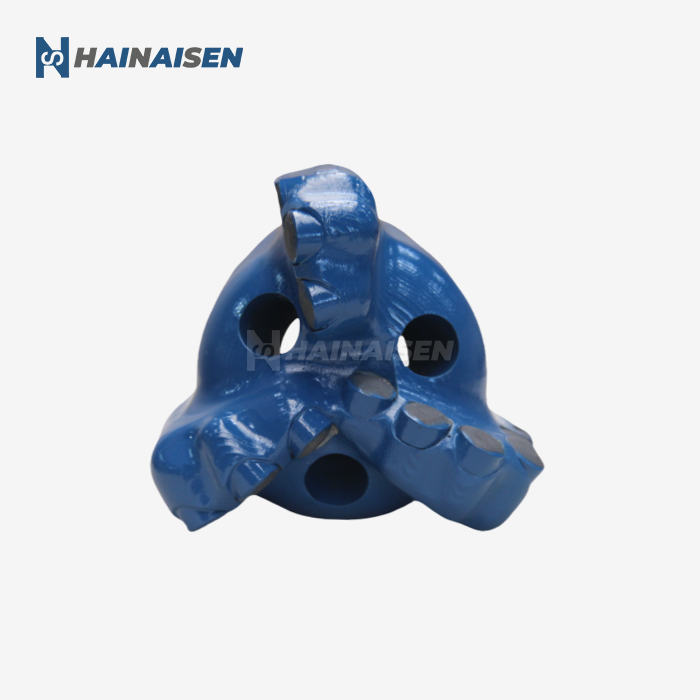
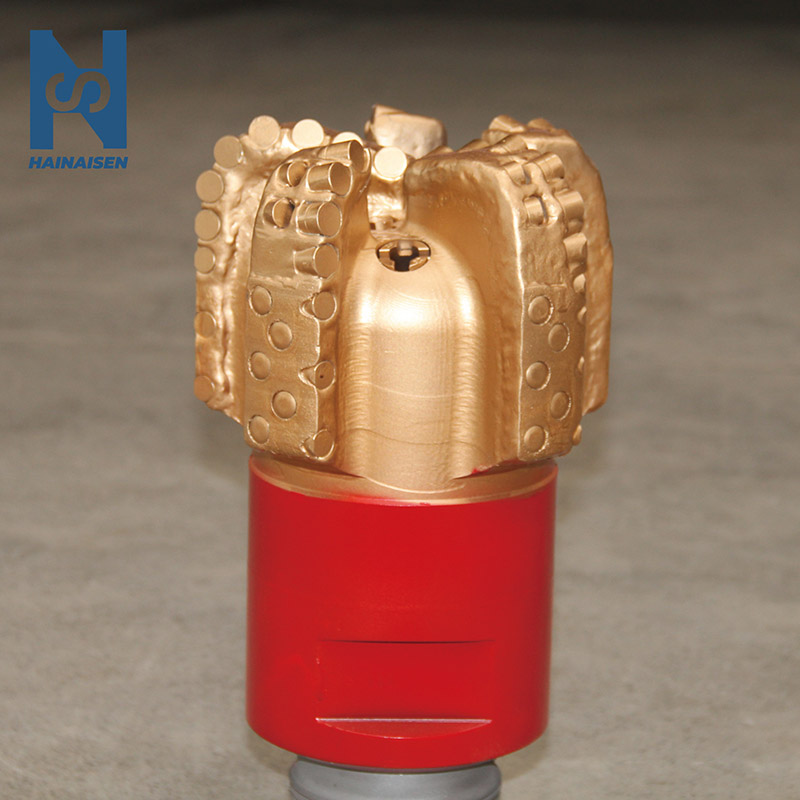
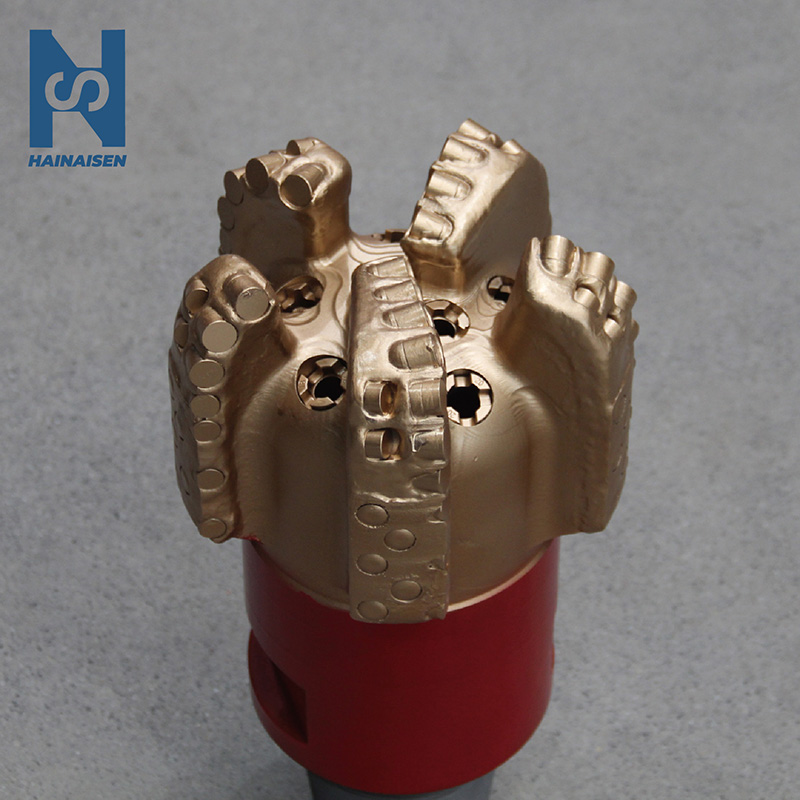
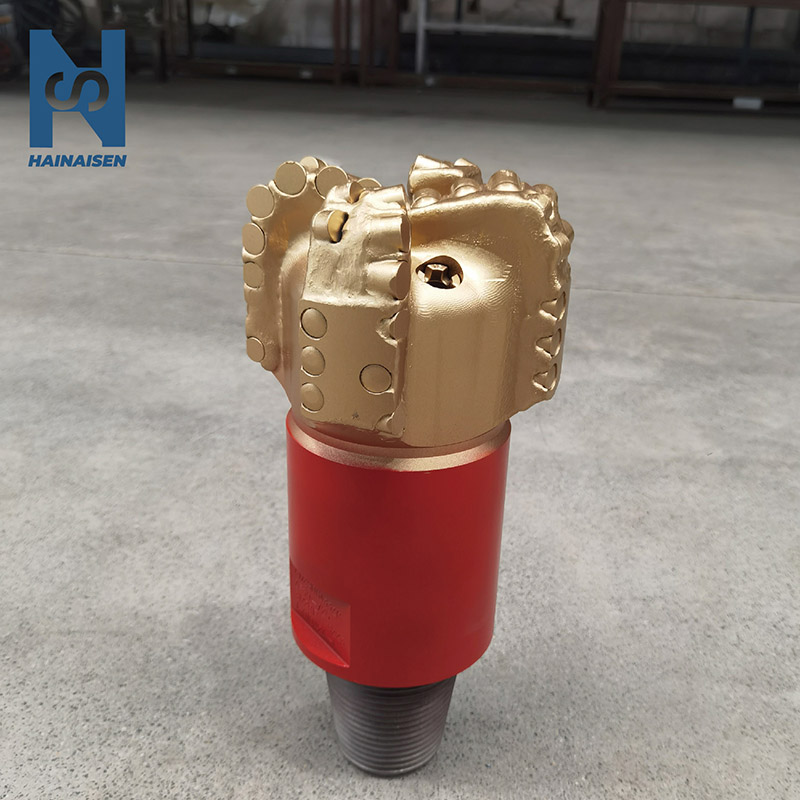
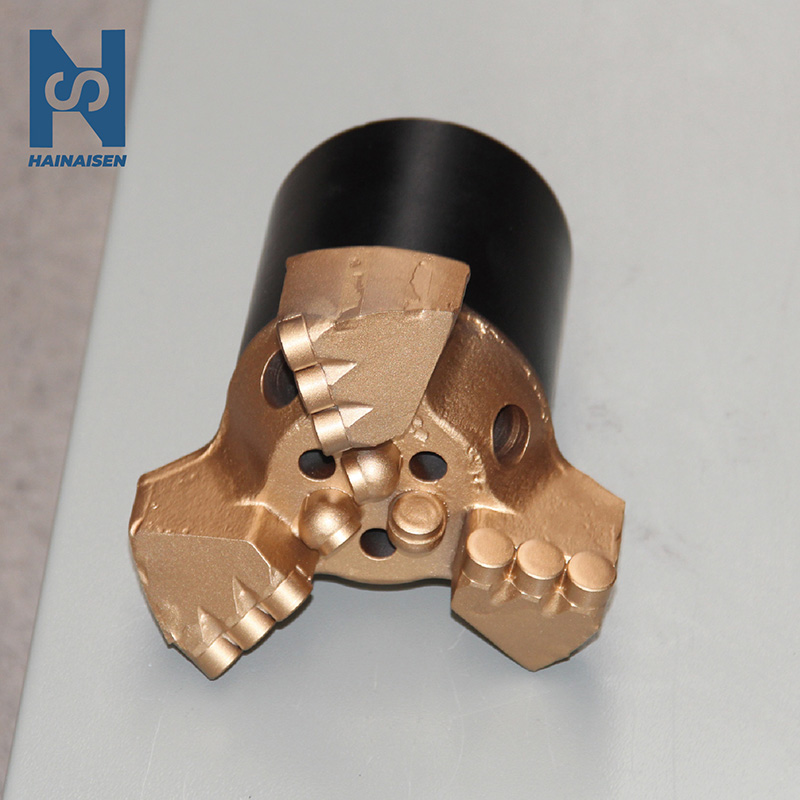
When choosing the best directional three blade PDC drill bit, you need to think carefully about the geological conditions, the operational factors, and the performance expectations. These customized downhole drilling tools use polycrystalline diamond compact technology and three-blade geometry to cut better and control the wellbore trajectory better. Knowing the basics of bit design, material specifications, and application-specific criteria can help you get the best penetration rates and the lowest operating costs on oil and gas, coal mining, and water well drilling projects.
Understanding PDC Bit Technology and Three-Blade Design Advantages
By merging synthetic diamond cutting surfaces with carbide substrates, polycrystalline diamond compact technology changed the way drilling is done. This high-tech material has great hardness ratings and is stable in harsh downhole circumstances. Three blade layouts improve hydraulic flow patterns, making it easier to remove cuttings and cool down cutting structures.
The way the three blades are arranged in space makes the cutting forces more even, which reduces vibration and makes it easier to adjust the direction. This stability is especially useful while drilling complex wellbore paths or moving through difficult formations. Each blade has several PDC cutters on it that are set at different angles to make sure the rock is cut through as much as possible while also uniformly spreading out wear patterns across the cutting surface.
Modern three-blade drill bits are made using modern metallurgical methods. Heat treatment treatments make sure that the steel body has the best hardness gradients possible, and specific welding methods keep PDC cutters in place for good. These new ways of making things have a direct effect on how long drill bits last and how well they work.
Critical Factors for Drill Bit Selection
Formation characteristics have a big impact on how people choose drill bits. Hard rock formations need aggressive cutting structures with strong PDC cutters that can handle significant compressive stresses. On the other hand, softer formations benefit from adjusted rake angles that speed up penetration rates without making the bit less stable.
The weight on the bit, the speed of the drill, and the flow rates of the mud must all match the design criteria for the bit. Too many drilling parameters might induce wear or failure too soon, while too few parameters make penetration less effective. Technical engineers look at these connections to find the best operating windows for different drilling uses.
Requirements for the trajectory of the wellbore affect the choice of blade profile and the placement of the cutter. Directional drilling operations necessitate improved gauge protection and stabilization features to preserve the specified azimuth and inclination angles. Specialized cutting structures, like the directional three blade PDC drill bit, that reduce torque while increasing drilling efficiency are useful for horizontal drilling.

Industry-Specific Applications and Requirements
Most of the time, oil and gas exploration operations need high-quality PDC Bits that can handle very harsh circumstances deep down. Offshore drilling settings put equipment in contact with corrosive fluids and high temperatures, which means that better materials and protective coatings are needed. For extended reach drilling operations to keep working well over long drilling periods, they need to be able to resist wear very well.
When it comes to coal mining applications, cost-effectiveness is more important than performance. Reliable cutting structures that give constant penetration rates are good for methane drainage operations and coal seam gas extraction. Mining businesses can check the operation of their equipment before making big purchases by using sample testing techniques.
The main goal of water well drilling teams is to get the best value for their money while still meeting project goals. To build deep water wells, you need strong cutting structures that can go through different types of rock. Geothermal drilling projects need better heat resistance to keep cutting efficiency high in places where the temperature is high.
Quality Assessment and Performance Evaluation
The quality of the manufacturing has a direct effect on how well the drilling works and how reliable it is. Advanced CNC machining makes sure that the bit body has accurate dimensional tolerances, and thorough inspection procedures make sure that the cutting structure is sound. Material certification documentation help keep track of the PDC cutters and steel parts used to make bits.
Performance indicators like penetration rates, footage drilled, and wear patterns give us important information about how well a bit works. These measurements are used in drilling optimization procedures to improve operational parameters and make drilling as efficient as possible. Data from field tests helps to make bit design and manufacturing processes better all the time.
Quality control includes checking the raw materials, keeping an eye on the manufacturing process, and doing final inspections. Cutting structure alignment, hydraulic flow parameters, and overall bit balance are all checked by state-of-the-art testing equipment. These thorough tests make sure that the quality of the products stays the same and that they work well in the field. The directional three blade PDC drill bit is no exception, with its performance being closely monitored to ensure optimal functionality.
Customization Options for Specialized Applications
Project-specific requirements often necessitate customized drill bit designs tailored to unique geological conditions and operational constraints. Experienced engineering teams collaborate with drilling professionals to optimize cutting structures, hydraulic features, and stabilization elements. This collaborative approach ensures maximum drilling performance while addressing specific technical challenges.
Cutter selection involves evaluating diamond grade, size distribution, and placement strategies to match formation characteristics and drilling objectives. Specialized coatings and treatments enhance wear resistance in abrasive formations or improve thermal stability in high-temperature environments. These customization options enable drilling professionals to achieve optimal results across diverse applications.
Design modifications may include enhanced gauge protection for directional drilling operations, specialized hydraulic features for improved cuttings removal, or reinforced cutting structures for extended drilling intervals. Technical consultations help identify the most effective design modifications based on specific project requirements and operational constraints.

Cost Considerations and Value Analysis
Initial procurement costs represent only one component of total drilling economics. Drilling performance metrics including penetration rates, bit life, and operational reliability significantly impact overall project costs. Premium-grade PDC bits, such as the directional three blade PDC drill bit, often deliver superior cost-per-foot performance despite higher initial investment requirements.
Medium and large oil service companies typically prioritize long-term value and operational reliability over initial cost considerations. Established supplier relationships and proven performance records influence procurement decisions more than competitive pricing alone. Quality Certifications and technical support capabilities become critical evaluation criteria for these applications.
Smaller drilling operations may emphasize immediate cost advantages while maintaining acceptable performance standards. Sample testing programs allow these companies to evaluate product capabilities before committing to larger procurement volumes. Flexible pricing structures and payment terms can facilitate business relationships with price-sensitive customers.
Conclusion
Selecting the optimal directional three blade PDC drill bit requires balancing performance requirements, cost considerations, and application-specific needs. Technical evaluation of formation characteristics, drilling parameters, and quality specifications guides informed decision-making processes. Partnering with experienced Manufacturers who provide comprehensive technical support and customization capabilities ensures successful drilling outcomes across diverse applications. Investment in premium-grade PDC bit technology delivers long-term value through enhanced drilling efficiency, extended bit life, and reduced operational costs.
Partner with HNS for Premium Directional Three Blade PDC Drill Bit Solutions
Shaanxi Hainaisen Petroleum Technology Co., Ltd. stands as a leading directional three blade PDC drill bit manufacturer with over a decade of specialized experience. Our 3,500-square-meter facility houses advanced 5-axis machining centers and dedicated R&D teams focused on developing cutting-edge drilling solutions. We understand the diverse requirements of oil service companies, coal mining operations, and water well drilling teams.
Our comprehensive quality control protocols ensure every directional three blade PDC drill bit meets stringent performance standards. From material selection through final inspection, we maintain rigorous testing procedures using state-of-the-art equipment. Technical engineers receive detailed performance data and customization options tailored to their specific drilling challenges.
Whether you need directional three blade PDC drill bit for sale quantities or custom-engineered solutions, our team delivers reliable products backed by comprehensive technical support. Contact Us at hainaisen@hnsdrillbit.com to discuss your drilling requirements and discover how HNS solutions can optimize your operational performance.

References
1. Mitchell, B.J. "Advanced Drilling Engineering: Principles and Practices" Petroleum Engineering Handbook, Society of Petroleum Engineers, 2019.
2. Thompson, A.R. "PDC Bit Design and Performance Optimization in Directional Drilling Applications" Journal of Petroleum Technology, American Association of Petroleum Geologists, 2020.
3. Chen, L.K. "Polycrystalline Diamond Compact Technology: Manufacturing and Field Applications" International Drilling Conference Proceedings, 2021.
4. Rodriguez, M.P. "Three-Blade Drill Bit Hydraulics and Cutting Structure Analysis" Drilling Engineering Quarterly, International Association of Drilling Contractors, 2022.
5. Williams, D.S. "Formation-Specific Drill Bit Selection Criteria for Enhanced Drilling Performance" Oil and Gas Engineering Review, 2023.
6. Kumar, S.V. "Quality Control Standards and Testing Protocols for PDC Drill Bits" Manufacturing Technology in Energy Industry, 2023.
logo 2_1777361643767.jpg)

logo 1_1777360475599.jpg)