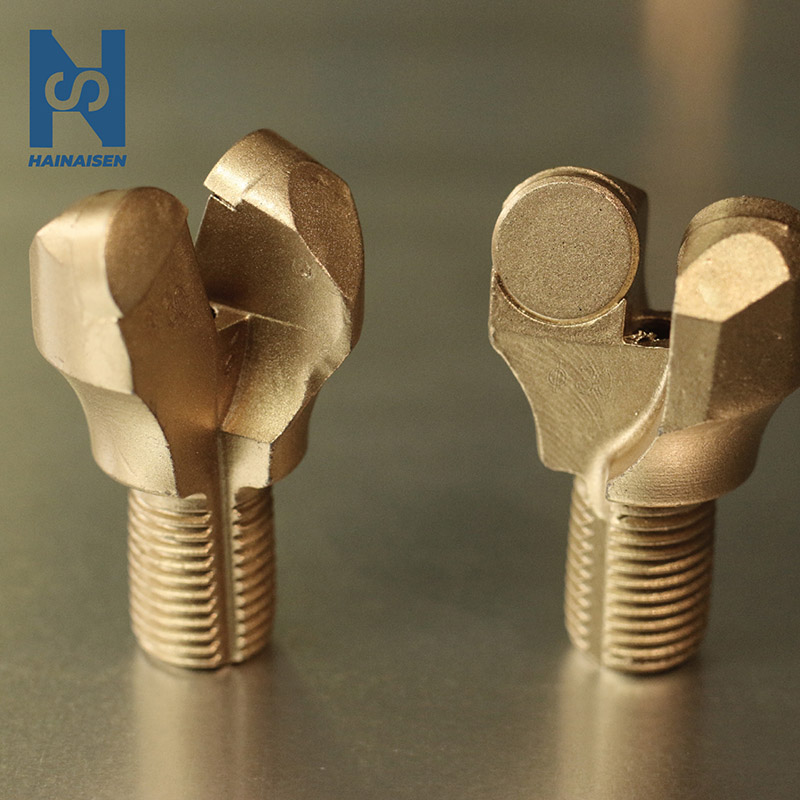
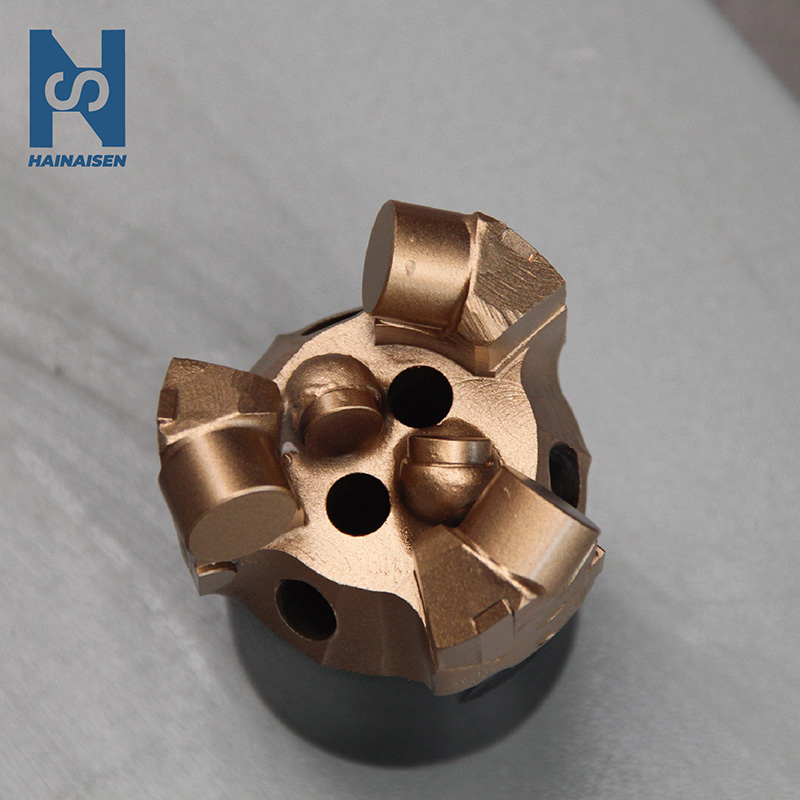
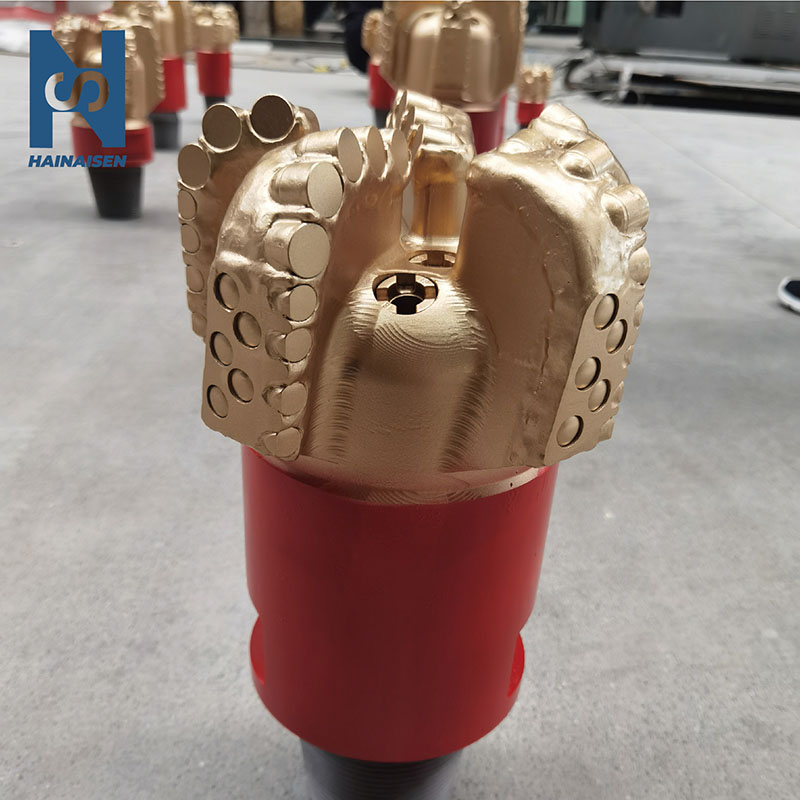
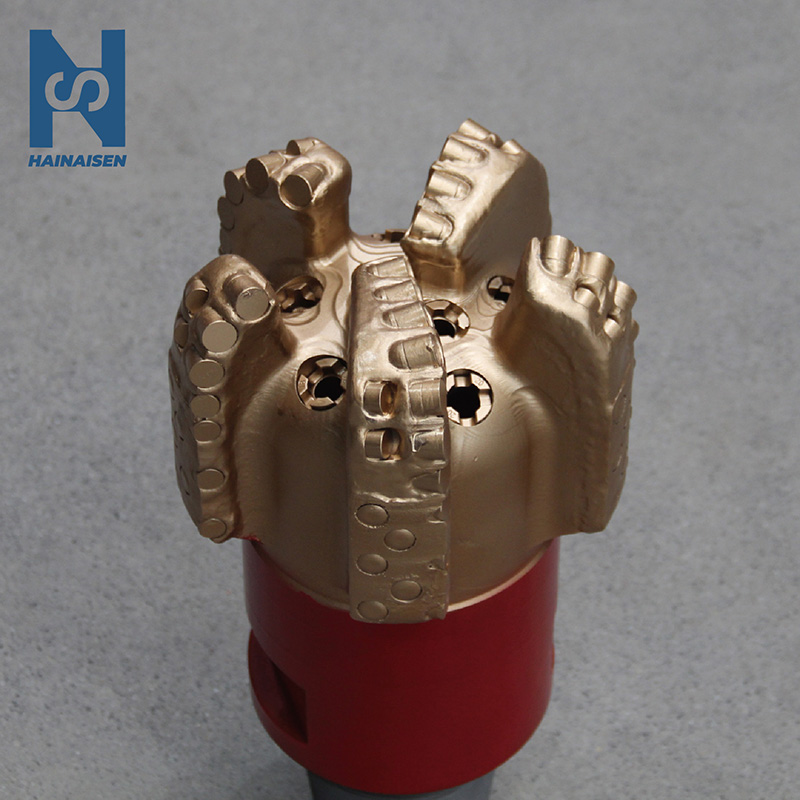
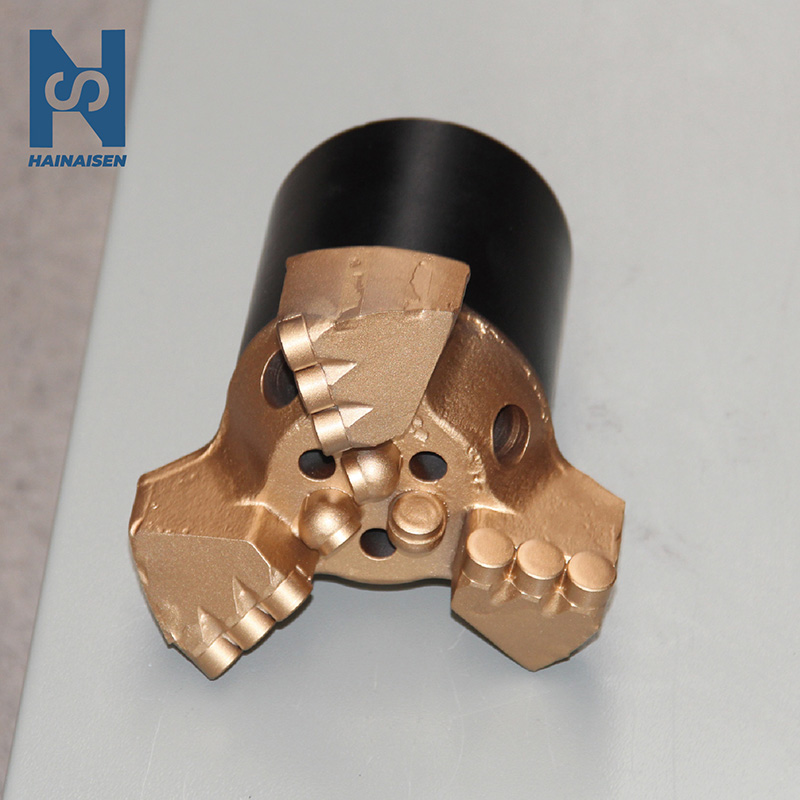
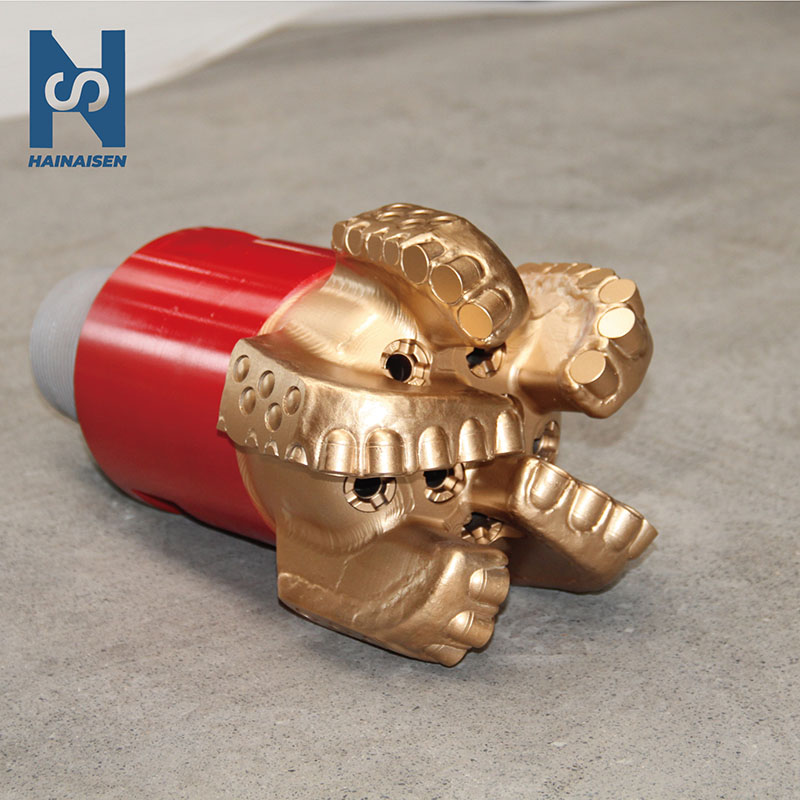
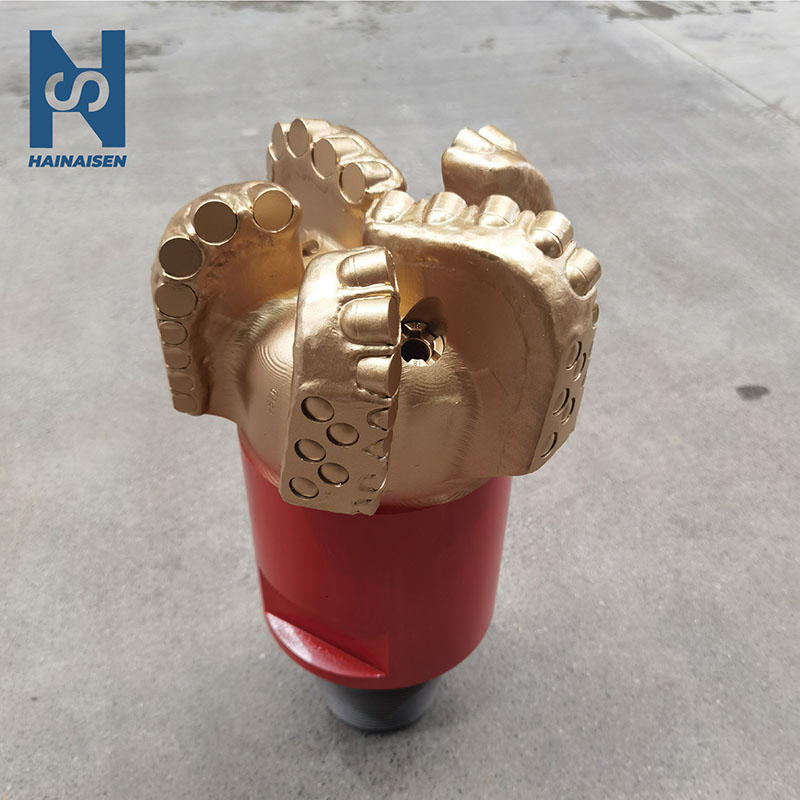
The Innovative Design of PDC Drill Bits
The unique shape of PDC drill bits is what makes them so good at drilling through hard rock. These bits are made to last longer and cut more efficiently while reducing wear and tear. Let's look at a few important design elements that make them work better:
Cutter Placement and Orientation
The diamond cutters' strategic placement and orientation are among the most important features of PDC bit design. To guarantee optimal rock contact and effective debris removal, engineers meticulously position these cutters. The arrangement considers things like:
- Bit profile and blade configuration
- Formation characteristics
- Desired rate of penetration
- Hydraulic requirements
By optimizing cutter placement, Polycrystalline Diamond Compact Drill Bits can achieve a balance between aggressiveness and stability, resulting in smoother drilling operations and extended bit life.
Advanced Hydraulics
The success of a PDC drill bit depends a lot on how well its hydraulics work, especially when drilling in hard rock. The bits are designed with fluid passageways and nozzles placed in specific places to make sure that the cutting structure is cleaned properly and that rock chips are removed effectively. This high-tech hydraulic design helps with
- Stop bit balls and blade clogging.
- Improve how the cutting parts cool down.
- Improve the general efficiency of drilling
By maintaining clean cutters and preventing the accumulation of debris, PDC bits can maintain their cutting effectiveness even in challenging hard rock environments.
Material Composition and Durability
Heavy-duty and made of a unique material, Polycrystalline Diamond Compact Drill Bits are able to drill through hard rock very well. These bits are made to last in rough situations, like when you dig through hard rock. Let's look at what makes them strong:
Polycrystalline Diamond Compact Cutters
Polycrystalline diamond compact blades are what PDC drill bits are mostly made of. A lot of heat and pressure were used to melt small pieces of fake diamond together to make the cutting elements. There are several good things about the stuff that was made:
- Extreme strength and resistance to wear
- Better resistance to heat
- Excellent resistance to impacts
These qualities work together to make PDC cutters able to keep their sharp cutting edge even when they are used on rough rock forms. This means steady performance and longer bit life, which means bits don't need to be changed as often, and there is less time spent doing nothing.
Tungsten Carbide Substrate
The polycrystalline diamond layer is bonded to a tungsten carbide substrate, creating a robust and versatile cutting element. This substrate serves several crucial functions:
- Supports the structure of the diamond layer
- Increases resistance to impact
- Aids in the removal of heat during drilling
When you put the diamond layer on top of the tungsten carbide substrate, you get a cutter that can handle the high temps and stresses of hard rock drilling while still cutting well.
Bit Body Materials
Most of the time, matrix metals or steel are used to make the bodies of Polycrystalline Diamond Compact Drill Bits. These materials were chosen because they can stand up to the rough conditions of drilling and provide a stable base for the cutting parts. The shape of the bit body includes things like
- Reinforced blade structures
- Erosion-resistant coatings
- Optimized fluid channels
These design elements work together to enhance the overall durability and performance of the bit, ensuring it can withstand the rigors of hard rock drilling operations.
Performance Advantages in Hard Rock Formations
The unique design and material composition of Polycrystalline Diamond Compact Drill Bits translate into significant performance advantages when drilling in hard rock formations. These benefits have made PDC bits the preferred choice for many challenging drilling applications. Let's explore some of the key performance advantages:
Increased Rate of Penetration (ROP)
One of the most notable benefits of PDC bits in hard rock drilling is their ability to achieve higher rates of penetration compared to traditional roller cone bits. This increased drilling speed can be attributed to several factors:
- PDC cutters have a continuous cutting motion
- Bit shapes that are rough and made for hard rock
- Effective clearing of debris through improved hydraulics
The combination of these factors allows Polycrystalline Diamond Compact Drill Bits to drill faster through hard rock formations, reducing overall drilling time and associated costs.
Extended Bit Life
The durability of PDC cutters and the robust bit body design contribute to a significantly longer bit life when drilling in hard rock formations. This extended longevity offers several advantages:
- Fewer bit trips, which means less time spent not working.
- Not as many bits used overall
- Better economics for drilling
By reducing the frequency of bit changes, operators can achieve substantial time and cost savings, particularly in deep drilling operations where tripping time can be significant.
Improved Drilling Efficiency
PDC bits offer superior drilling efficiency in hard rock formations due to their unique cutting mechanism and design features. Some key factors contributing to this improved efficiency include:
- Better weight transfer to the cutting elements
- Reduced vibration and stick-slip tendencies
- More consistent bottomhole patterns
These characteristics result in smoother drilling operations, better hole quality, and more predictable performance, all of which contribute to improved overall drilling efficiency.
Versatility Across Formation Types
Although Polycrystalline Diamond Compact Drill Bits are particularly effective in hard rock applications, they also show exceptional adaptability in a variety of formation types. Without changing bits, modern PDC bit designs can efficiently drill into interbedded formations and move from soft to hard rocks. This adaptability has various advantages:
- Less time spent on trips in places with different types of rock
- Better wellbore stability
- Better direction control in wells that have strayed
The ability to drill efficiently through various formation types makes PDC bits an invaluable tool in complex geological environments, where multiple bit types might otherwise be required.

Conclusion
Because they are made of long-lasting materials and exhibit excellent performance, Polycrystalline Diamond Compact Drill Bits have been proven to be ideal for hard rock drilling jobs. These bits are very useful for many different types of drilling, from oil and gas research to mining and geothermal drilling, because they can keep getting deeper while also lasting longer. In hard rock drilling, PDC bits are expected to play an even bigger role as drillers continue to go for deeper and harder formations.
Oil and gas drilling companies, oil service companies, coal mining companies, and other businesses that do this kind of work can make hard rock drilling much more efficient and cost-effective by buying high-quality PDC drill bits. You might get better results when drilling in hard rock if you work with a reputable PDC bit maker that can make solutions that are unique to your needs.
FAQ
1. What is the lifespan of a PDC drill bit in hard rock formations?
In hard rock formations, the lifespan of a PDC drill bit can vary a lot based on things like the characteristics of the formation, the drilling parameters, and the design of the bit. But PDC bits usually last longer than standard roller cone bits. They can drill several thousand feet before they need to be replaced.
2. Can PDC drill bits be repaired or reconditioned?
Of course, PDC drill bits can often be fixed or refurbished, especially if the damage is only in a few spots. During this step, worn-out cuts may need to be replaced, broken blades may need to be fixed, or the bit profile may need to be reshaped. But whether or not it is possible and cost-effective to fix depends on how bad the damage is and how good the bit is in general.
3. How do PDC drill bits compare to roller cone bits in hard rock applications?
In hard rock applications, PDC drill bits generally offer several advantages over roller cone bits, including higher penetration rates, longer bit life, and improved drilling efficiency. However, roller cone bits may still be preferred in certain ultra-hard or highly abrasive formations where PDC cutters may experience rapid wear.
4. What factors should be considered when selecting a PDC drill bit for hard rock drilling?
When selecting a PDC drill bit for hard rock drilling, several factors should be considered, including:
- Specific formation characteristics
- Desired rate of penetration
- Bit stability requirements
- Hydraulic conditions
- Previous drilling performance in similar formations
- Economic considerations (e.g., bit cost vs. expected performance)
High-Quality PDC Drill Bits for Hard Rock Applications | HNS
Are you looking for top-tier Polycrystalline Diamond Compact Drill Bits designed specifically for hard rock drilling? Look no further than Shaanxi Hainaisen Petroleum Technology Co., Ltd. With our extensive experience in PDC bit design and manufacturing, we offer customized solutions to meet your unique drilling challenges. Our advanced production facilities and dedicated R&D team ensure that you receive cutting-edge products tailored to your specific needs. Whether you're in the oil and gas industry, coal mining, or geological exploration, we have the expertise to optimize your drilling performance in hard rock formations. Don't let challenging formations slow down your operations – Contact Us today at hainaisen@hnsdrillbit.com to discuss how our PDC drill bits can revolutionize your hard rock drilling efficiency.
References
1. Smith, J. R., & Johnson, T. L. (2020). Advancements in PDC Bit Technology for Hard Rock Drilling. Journal of Petroleum Technology, 72(5), 45-52.
2. Garcia, M. A., & Thompson, P. K. (2019). Comparative Analysis of PDC and Roller Cone Bit Performance in Hard Rock Formations. SPE Drilling & Completion, 34(3), 228-240.
3. Williams, S. E., & Brown, R. H. (2021). Optimizing PDC Bit Design for Improved Drilling Efficiency in Abrasive Hard Rock Environments. Proceedings of the International Conference on Drilling Technology, 156-170.
4. Chen, X., & Liu, Y. (2018). Material Innovations in PDC Cutter Technology for Enhanced Hard Rock Drilling Performance. Journal of Materials Engineering and Performance, 27(8), 4123-4135.
5. Anderson, M. L., & Davis, K. R. (2022). The Impact of PDC Bit Hydraulics on Hard Rock Drilling Efficiency: A Comprehensive Review. SPE Drilling & Completion, 37(1), 52-68.
6. Robinson, L. H., & Taylor, G. S. (2020). Economic Analysis of PDC Bit Applications in Hard Rock Drilling Operations. Journal of Petroleum Economics and Management, 12(3), 187-201.