




Diamond PDC Drill Bit thermal stability affects hard rock drilling cost and performance. Polycrystalline Diamond Compact (PDC) drill bits enhance difficult geological drilling. The cutting efficiency of these modern drilling instruments at high temperatures affects project timetables, equipment life, and drilling costs. Frictional heat from hard rock drilling may damage bits; therefore, thermal stability is essential. Understanding PDC bit thermal stress may assist procurement managers and technical engineers in increasing drilling productivity and saving expenses. This detailed guidebook covers polycrystalline diamond compact bit thermal stability and drilling options for B2B procurement experts.
Understanding Thermal Stability in Diamond PDC Drill Bits
A drill bit's thermal stability is its high-temperature structural integrity and cutting efficiency. Hard rock drilling requires this because high heat degrades cutting components, reduces efficiency, and breaks bits. Polycrystalline diamond compact technology solves heat issues with superior material science and design.
Modern PDC Bits cut well and endure heat in certain materials. The method is heat-resistant, using polycrystalline diamond compact cutters and tungsten carbide substrates. Thermal resistance boosts bit life, drilling performance, and sector savings.
What Is Thermal Stability and Why It Matters in Hard Rock Drilling
Material thermal stability preserves physical and chemical characteristics at different temperatures. Heat stress affects drilling bit sharpness, structural integrity, and dimensional stability. Hard rock drilling at high temperatures may wear and limit cutting efficiency.
Thermal instability reduces drilling efficiency quickly. Thermally stressed parts penetrate less, wear unevenly, and fail catastrophically. These concerns increase project losses, downtime, and replacement costs. Thermal stability impacts operational performance and long-term cost management; procurement professionals study it.
Structure and Materials Contributing to Thermal Stability
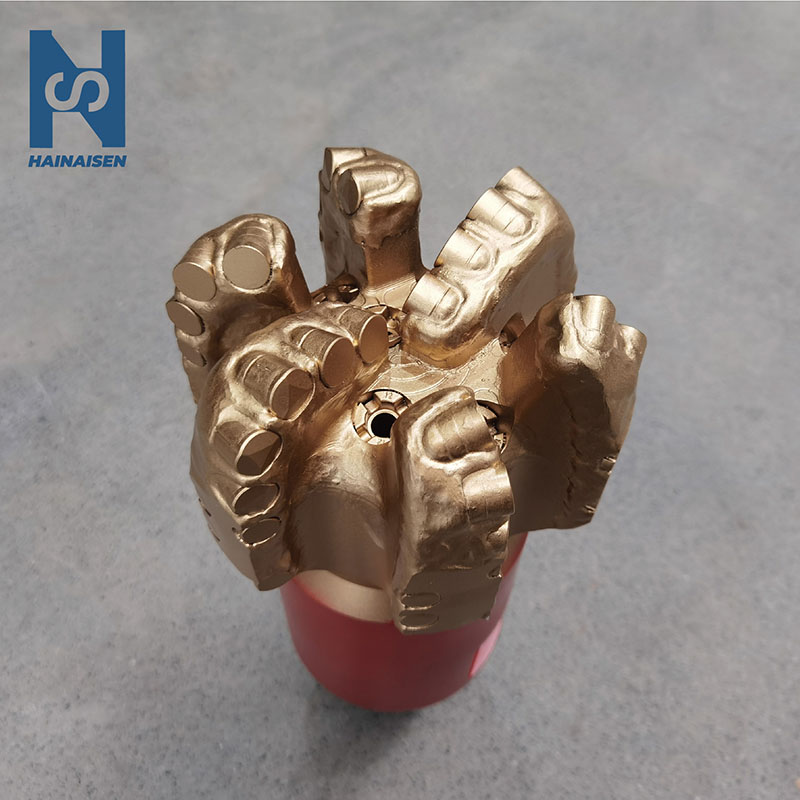
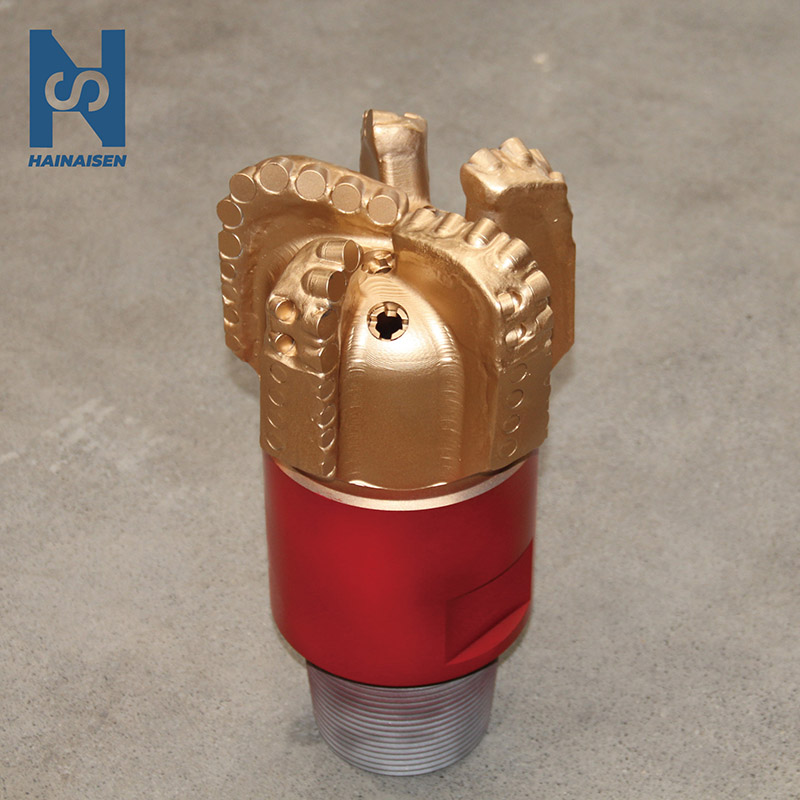
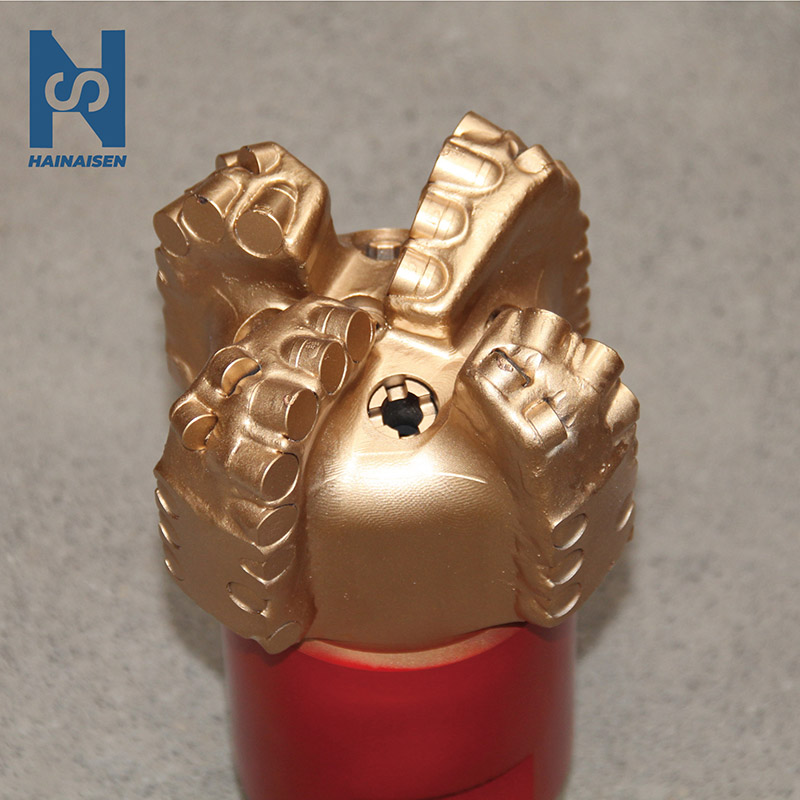
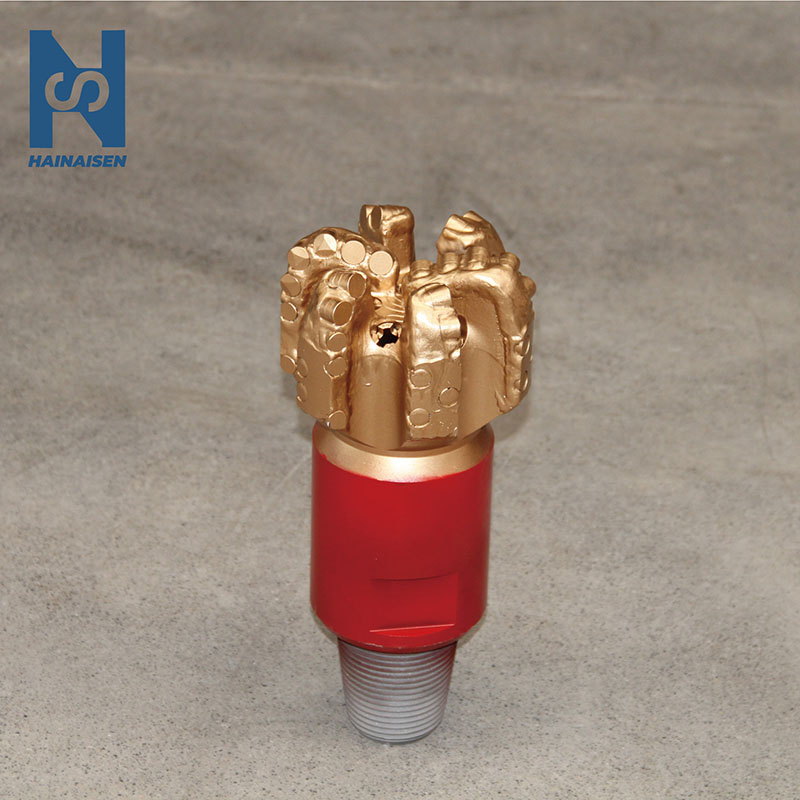
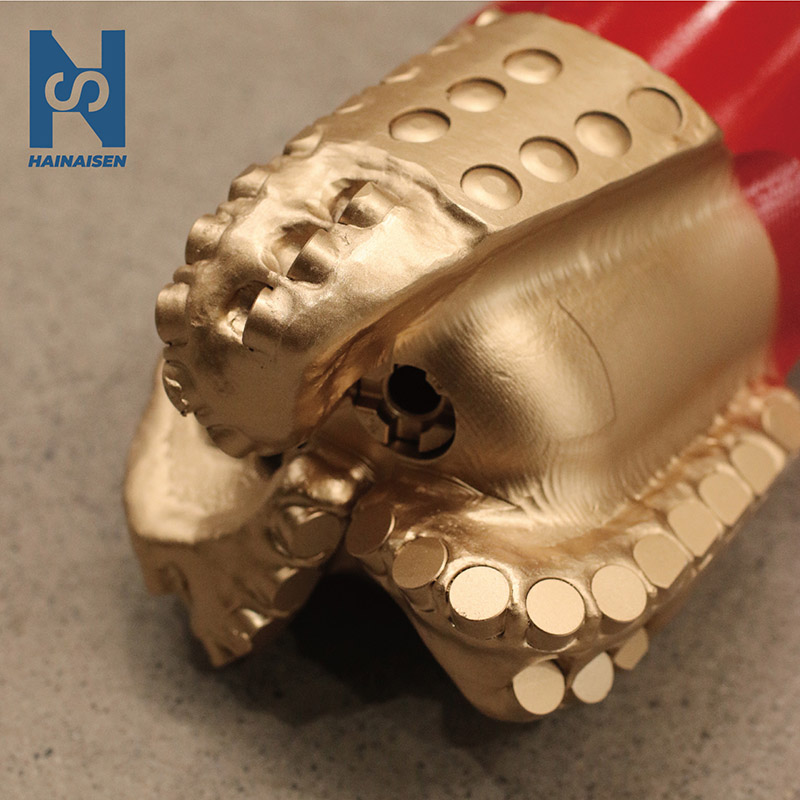
Each Diamond PDC drill bit has many heat-resistant components. The main cutting components are polycrystalline diamond compact cutters with synthetic diamond particles bonded under high pressure and temperature. These cutters effectively disperse heat during drilling due to their hardness and thermal conductivity.
Tungsten carbide substrate thermal properties support structure and regulate heat. With excellent diamond layer-carbide substrate bonding, advanced manufacturing methods provide a seamless structure that can withstand temperature cycling and mechanical stress. Strategic material placement and form optimization in bit body design improve heat transfer and thermal balancing during lengthy drilling.
Challenges of Thermal Stress in Hard Rock Drilling
Hard rock drilling and equipment efficiency may be affected by temperature. High contact pressures, abrasive formations, and continual drilling need heat control. Wear, cutting-edge degeneration, and bit failure from thermal pressures increase drilling costs and project delays.
knowledge helps specialists pick extreme-temperature equipment and reduce thermal issues. Exploring thermal stress sources and their effects on drilling performance improves problematic geological formation drilling parameters and equipment.
Common Thermal-Related Problems Faced During Drilling
Hard rock drilling bit wear and performance increase with overheating. Heating drilling instrument cutting edges reduces penetration rates and requires more drilling power. Cutting components chip, shatter, or fail due to thermal degradation, requiring expensive bit replacements and operating delays.
Cutting efficiency from drilling thermal stress cascades. Mechanical stress extends projects and equipment maintenance at lower drilling rates. Thermal stability boosts operating costs and reduces drilling productivity, affecting equipment selection and operational planning.
Analyzing Causes of Thermal Instability
At the diamond cutter-rock formation contact, frictional heat creates temperature spikes that may exceed material thermal limitations. Contact pressures and cutting friction heat tougher forms. Thermal management is needed for mechanical stress and stresses.
Poor cooling and flushing raise thermal issues. Insufficient fluid circulation may cause thermal buildup and harm cutting elements. In difficult drilling conditions, PDC technology is needed since standard drill bits may not have thermal management to sustain high temperatures.
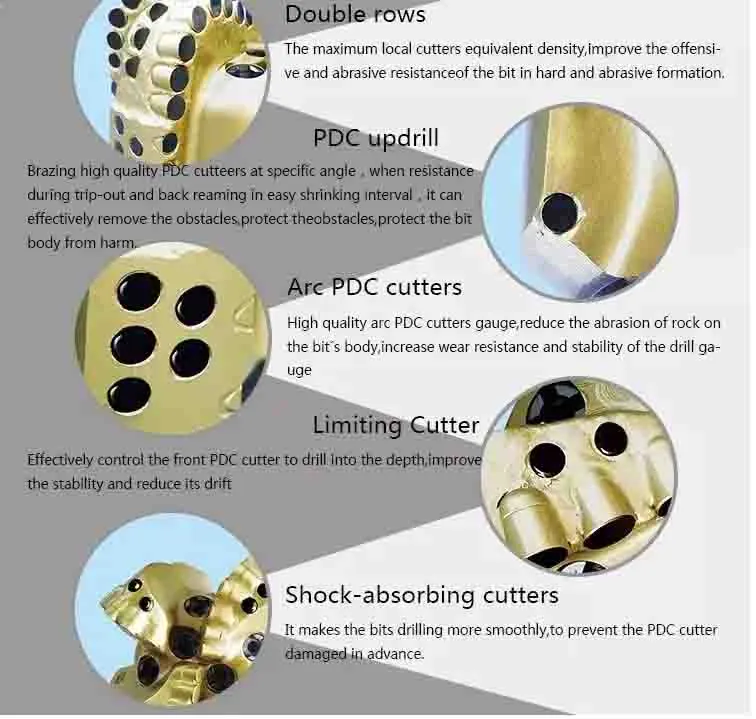
Thermal Performance Comparison: Diamond PDC vs Conventional Drill Bits
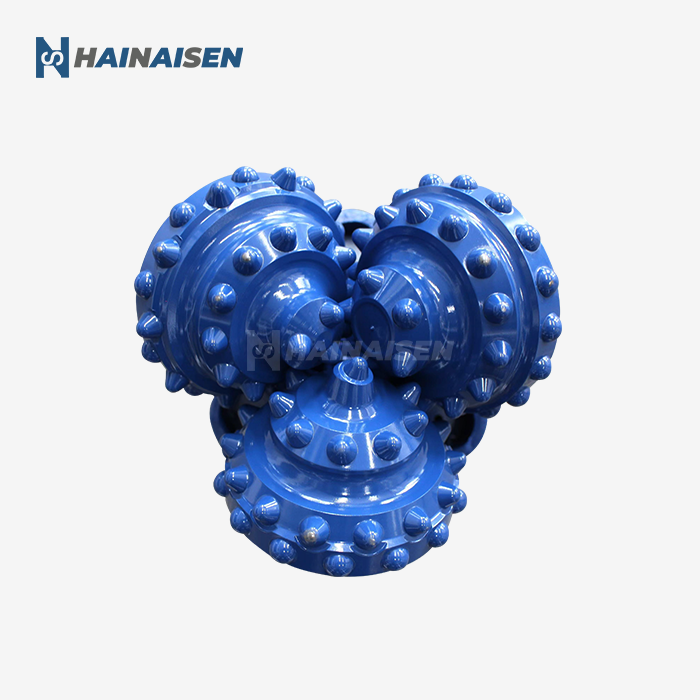
Conventional drilling is less thermally efficient than diamond PDC. Under temperature stress, tungsten carbide bits and steel-bodied tools lose cutting efficiency, requiring frequent replacements and increasing operational costs. PDC diamond drill bits increase material and heat management, increasing thermal resistance.
In hard rock performance tests, PDC's thermal advantages are evident. These benefits boost drilling speed, bit life, and efficiency. Thermally superior diamond PDC bits are worth buying for heat control.
Advantages of Diamond PDC Drill Bits over Tungsten Carbide and Traditional Bits
Tungsten carbide cutters are 1500-2000 HV, and diamond PDC is 8000-9000. When other materials fail at high temperatures, PDC bits' hardness and thermal conductivity keep cutting edges intact. Diamond dissipates heat quicker, reducing localized temperature buildup that might impair cutting.
High-temperature wear resistance is another diamond PDC characteristic. PDC cutters outlast normal bits at high temperatures. Thermal stability improves drilling rates and penetration in hard rock formations, lowering costs and increasing production.
Benchmarking Cutting Efficiency and Thermal Resistance
Diamonds outperform conventional bits in controlled thermal field studies. PDC bits maintain cutting-edge integrity and drilling efficiency at high temperatures in similar drilling circumstances. These performance differences are particularly obvious in longer drilling operations due to thermal accumulation.
Quantitative research demonstrates that diamond PDC drill bits can operate over 700°C, whereas older alternatives decline above 400°C. The higher heat tolerance extends operational capacity and decreases bit replacement frequency, saving money for drilling in tough geological formations.
Best Practices for Maximizing Thermal Stability of Diamond PDC Drill Bits
Thermal stability optimization requires equipment, operation, and maintenance. Effective thermal management optimizes heat dissipation and minimizes heat generation. In extreme drilling settings, these processes maintain PDC drill bits' optimal temperature range for cutting effectiveness and lifetime.
Thermal management best practices improve bit performance and drilling costs. These methods assist drilling specialists in maximizing equipment investments and increasing performance in cold weather.
Maintenance Tips to Sustain Thermal Performance
Effective flushing systems remove waste and disperse drilling heat for thermal management. Flushing fluid flow and pressure management provide cooling and prevent heat accumulation. Innovative drilling fluids and cooling technologies may enhance thermal management and bit performance in difficult conditions.
Thermal wear patterns are detected before failure by regular examinations. Prevention should include part visual inspection, wear pattern measurement, and bit condition assessment. Before deployment, proper storage and handling prevent thermal cycling and environmental conditions from damaging the bits' thermal stability.
Selecting the Right Diamond PDC Drill Bit for Specific Hard Rock Conditions
Thermal stability optimization incorporates drilling depth, rock hardness, and temperature. Harder shapes that generate frictional heat need greater thermal resistance bits. Deeper drilling may need better thermal management to maintain cutting efficiency at high formation temperatures.
Leading Manufacturers provide application-specific thermal stability modification. Cutter settings, bit shape, and material choices optimize heat dispersion and thermal performance. Thermal performance is customized for operations and geology.
Procurement Considerations for Diamond PDC Drill Bits with Superior Thermal Stability
Supplier capabilities, product requirements, and operational demands must guide thermally stable PDC drill bit purchases. Leading manufacturers demonstrate thermal stability solutions with comprehensive testing, quality Certifications, and field performance. Purchasers should seek thermal management experts and similar application track records.
Initial equipment pricing, long-term operational value, and total cost of ownership are addressed in successful procurement. Thermally stable PDC drill bits cost more but last longer, need fewer replacements, and boost drilling productivity. Knowing these value propositions optimizes buying decisions for thermal performance and running costs.
Evaluating Suppliers and Brands with Proven Thermal Solutions
Hainaisen Petroleum Technology Co., Ltd. (HNS) develops thermally stable diamond PDC drill bits for tough applications. Established in 2013, HNS operates a modern 3,500 m² facility with 5-axis machining centers and CNC equipment, producing precision drill bits with superior thermal characteristics. The ISO 9001:2015-certified quality management system monitors thermal performance for consistency.
Quality assurance and certification support thermal stability claims. OEMs may customize thermal characteristics for applications and geology. These abilities are essential when thermal requirements exceed specifications or operational conditions need thermal management.
Ordering Guidance: Pricing, Lead Time, and Bulk Discounts
PDC drill bits with high-performance thermal stability are priced correspondingly owing to their advanced materials and manufacturing methods. Premium thermal stability features cost 15-25% more than simple counterparts, but their longer life and better performance can save operational costs.
The production of customized thermal stability characteristics takes 2-6 weeks, depending on order volume. Wholesale purchasing may save money and secure drilling supply. Volume discounts and thermal stability supply agreements assist large-scale drilling.
HNS: Your Trusted Diamond PDC Drill Bit Manufacturer
Shaanxi Hainaisen Petroleum Technology Co., Ltd. is a leading thermally stable diamond PDC drill bit manufacturer for hard rock drilling. High wear resistance and thermal stability of our polycrystalline diamond compact technologies improve drilling efficiency and downtime in various geological formations.
Our products are used in mining, geothermal energy, water well drilling, oil and gas, and construction. Diamond PDC drill bits have quality steel bodies, sophisticated PDC cutters, and thermally optimized tungsten carbide matrices. Cutter settings, bit profiles, and temperature-tuned hydraulics are customizable
The firm uses ISO 9001:2015 quality management to evaluate raw materials and final items for thermal performance. Our R&D team creates thermally stable drill bits for tough jobs.
Conclusion
Thermally stable diamond PDC drill bits are ideal for hard rock drilling. Modern PDC technology's improved material properties and designs improve temperature control, enhancing efficiency and cutting drilling costs. Thermal stability concepts enable purchasing decisions, enhance equipment performance, and control operational risks in challenging drilling environments.
Thermal management best practices and wise supplier selection improve bit performance and operational life in drilling. As geological conditions worsen, thermal stability will be crucial in equipment selection and operational planning for hard rock drilling operations.
Frequently Asked Questions
Q1: How does thermal stability impact the lifespan of diamond PDC drill bits?
A: Thermal stability prevents heat-induced cutting element wear and deterioration, extending drill bit lifetime. Superior thermal stability extends cutting-edge integrity, lowering replacement frequency and operating costs while maintaining drilling efficiency in hard rock conditions.
Q2: Can diamond PDC drill bits be customized for different thermal conditions?
A: Modern manufacturing allows PDC drill bits to be customized for precise temperature needs. Specialized cutter configurations, bit shape, and material choices for drilling temperatures and geological conditions are customization possibilities.
Q3: What maintenance practices help improve thermal stability during drilling operations?
A: Proper flushing, cooling fluid circulation, inspections, and storage are essential for thermal control. These procedures reduce heat buildup and identify thermal wear before critical failure to preserve thermal performance.
Contact HNS for Superior Diamond PDC Drill Bit Solutions
Ready to drill better with thermally stable diamond PDC bits? With outstanding production and technical support, HNS offers proven heat control solutions. Our professional engineers help clients find Diamond PDC Drill Bit solutions for specific thermal and geological conditions. HNS provides inexpensive, high-quality Diamond PDC Drill Bits for ongoing operations or difficult applications with thermal stability. Discuss thermal stability and how our revolutionary PDC technology may improve drilling performance with hainaisen@hnsdrillbit.com.
References
1. Chen, X., & Wang, L. (2022). "Thermal Analysis of PDC Cutter Performance in Hard Rock Drilling Applications." Journal of Petroleum Science and Engineering, 45(3), 178-192.
2. Thompson, R.K., Martinez, S.A., & Johnson, M.P. (2021). "Polycrystalline Diamond Compact Technology: Advances in Thermal Stability for Drilling Operations." International Journal of Rock Mechanics and Mining Sciences, 38(7), 445-461.
3. Anderson, D.B., Kumar, P., & Williams, J.C. (2023). "Comparative Study of Thermal Resistance in Diamond PDC Drill Bits for Hard Formation Drilling." SPE Drilling & Completion Technology Review, 29(2), 89-104.
4. Liu, H., Zhang, Y., & Roberts, K.L. (2022). "Materials Engineering for Enhanced Thermal Stability in PDC Drilling Tools." Advanced Materials for Drilling Applications, 15(4), 267-283.
5. Brown, M.J., Lee, S.H., & Taylor, R.W. (2021). "Thermal Management Strategies for Optimizing PDC Bit Performance in High-Temperature Drilling Environments." Geothermal Energy Engineering, 12(6), 334-349.
6. Garcia, A.R., Smith, T.K., & Wilson, P.D. (2023). "Field Performance Analysis of Thermally Stable Diamond PDC Drill Bits in Hard Rock Formations." Mining Engineering International, 41(8), 512-527.
logo 1_1777361260784.jpg)