







How Bit Life Affects Well Economics?
The life expectancy of a bore bit is a basic calculation in deciding the by and large financial matters of a well. A longer-lasting bit can essentially decrease the number of trips required to alter worn-out gear, specifically affecting penetrating proficiency and costs.
Extended Drilling Hours and Cost Savings
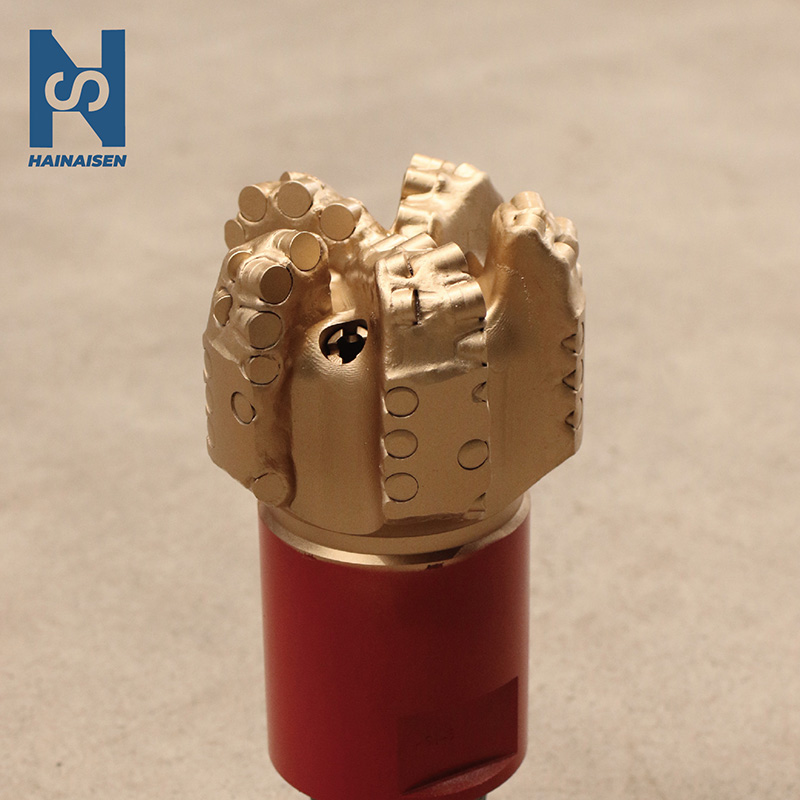
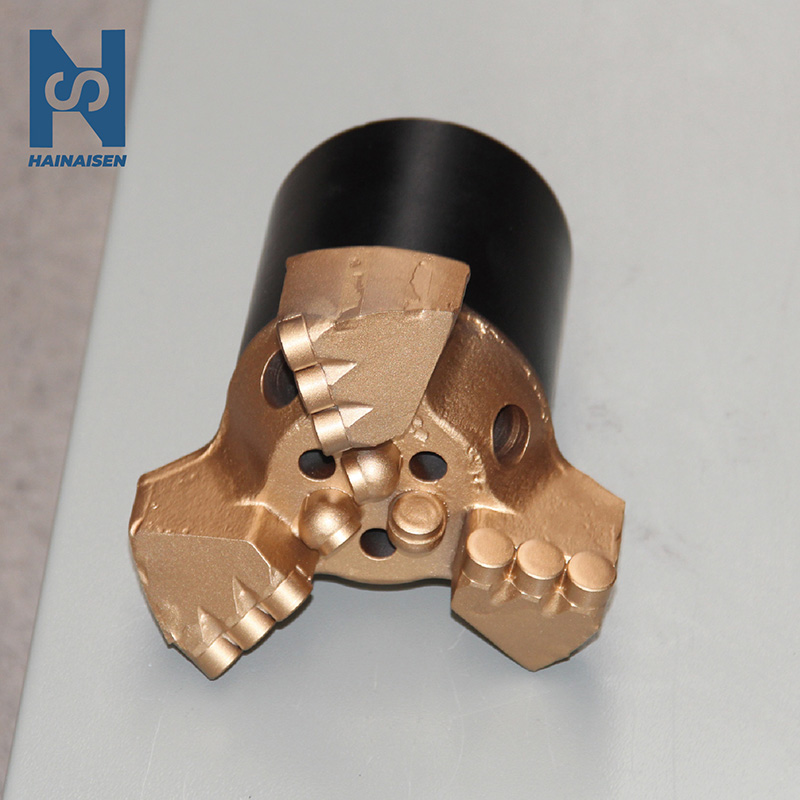
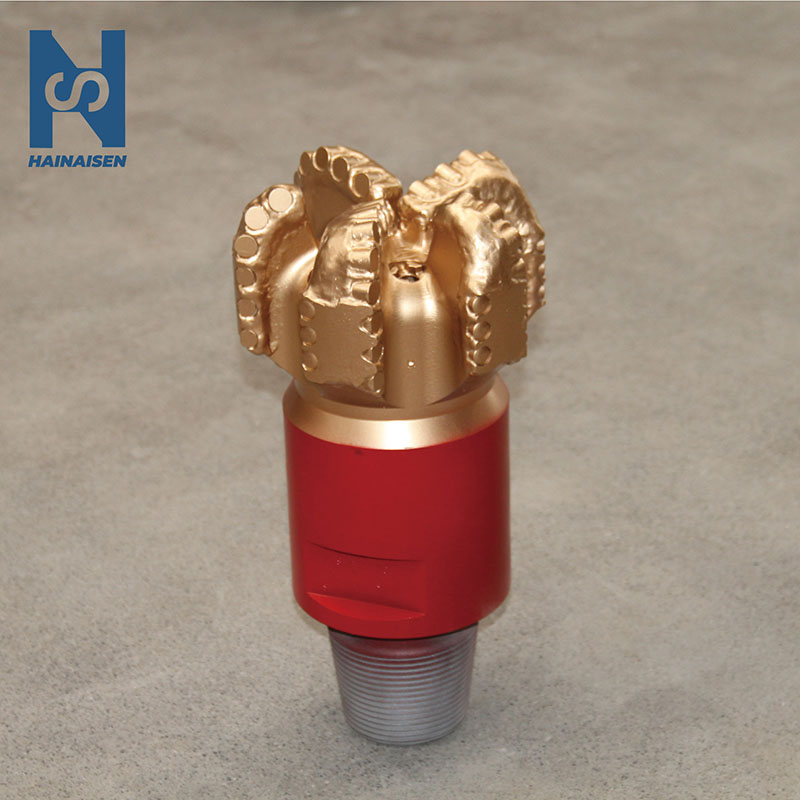
Hard alloy roller drill bits are built to withstand extraordinary conditions for amplified periods. This expanded solidness translates to more hours on foot, boring persistently without the requirement for visit substitutions. The lessening in non-productive time (NPT) related to bit changes can lead to considerable taken a toll investment funds, particularly in deep or seaward wells where fix rates are exorbitant. Consider a situation where a premium Roller Bit costs $50,000 but can bore for 200 hours some time recently requiring substitution, compared to a standard bit estimated at $30,000 that keeps going as it were 100 hours. In a well where fixed costs are $20,000 per hour, the financial matters gotten to be clear:
- Premium Bit: $50,000 + (200 hours x $20,000/hour) = $4,050,000
- Standard Bit: ($30,000 x 2) + (200 hours x $20,000/hour) + (8 hours NPT x $20,000/hour) = $4,220,000
In this example, the premium bit results in a saving of $170,000, not to mention the reduced risk associated with fewer tripping operations.
Impact on Formation Evaluation
Bit life doesn't fair influence coordinate boring costs. Longer-lasting bits give more steady bottomhole designs, which can improve the quality of logging-while-drilling (LWD) information. This improved information quality can lead to superior arrangement assessment, possibly improving well situation and generation results. Besides, fewer bit trips decrease disturbances to downhole instruments, permitting sensors to collect continuous, high-resolution information. A steady penetrating environment also minimizes vibration and stun, making a difference in keeping up the exactness of directional estimations. Through and through, amplified bit solidness underpins more educated decision-making, optimized supply contact, and moved forward long-term well efficiency. Bit life doesn't fair influence coordinate boring costs. Longer-lasting bits give more reliable bottomhole designs, which can move forward the quality of logging-while-drilling (LWD) information. This upgraded information quality can lead to way better arrangement assessment, possibly moving forward well-arranged and generating results. Besides, fewer bit trips decrease disturbances to downhole apparatuses, permitting sensors to collect continuous, high-resolution information. A steady penetrating environment also minimizes vibration and stun, making a difference in keeping up the precision of directional estimations. Inside and out, expanded bit toughness bolsters more educated decision-making, optimized supply contact, and made strides in long-term well productivity.

Comparing Premium vs. Budget Roller Bits
When selecting a hard alloy roller drill bit, operators often face the choice between premium and budget options. While budget bits may seem attractive due to lower upfront costs, premium bits often provide superior performance that can justify their higher price tag.
Performance Metrics
Key performance indicators for comparing drill bits include:
- Rate of Penetration (ROP): Premium bits typically achieve higher ROPs, drilling faster and reducing overall rig time.
- Footage Drilled: Higher-quality bits often drill more footage before wearing out, reducing the total number of bits required for a well.
- Durability in Harsh Conditions: Premium bits are designed to withstand higher temperatures, pressures, and abrasive formations.
Total Cost of Ownership
When evaluating bit economics, it's crucial to consider the total cost of ownership rather than just the initial purchase price. This includes factors such as:
- Rig time savings due to faster drilling and fewer trips
- Reduced wear on other bottomhole assembly (BHA) components
- Improved wellbore quality, potentially leading to better cementing and completion outcomes
A case ponder from a North Ocean operation outlines this point. An administrator exchanged from budget bits averaging $25,000 each to premium bits costing $45,000. The premium bits bored 50% more film per run and expanded ROP by 30%. In spite of the higher unit fetched, the generally penetrating program saw a 15% diminishment in add up to well taken a toll due to decreased fix time and fewer bit runs. These execution picks up moreover minimize non-productive time, and improve operational consistency across the whole segment. By accomplishing more profound interims with fewer trips, groups maintained steadier bottom-up energy, improved downhole instrument unwavering quality, and reduced wear on basic equipment—ultimately conveying a more productive and cost-effective well development process. The premium bits penetrated 50% more film per run and expanded ROP by 30%. In spite of the higher unit fetched, the generally boring program saw a 15% diminishment in add up to well taken a toll due to decreased fix time and fewer bit runs. These execution picks up too minimized non-productive time and moved forward operational consistency across the whole area. By accomplishing more profound intervals with fewer trips, teams maintained steadier penetration force, improved downhole device unwavering quality, and decreased wear on basic equipment—ultimately conveying a more proficient and cost-effective well development process.

ROI in Extended-Reach Horizontal Wells
Extended-reach horizontal wells present some of the most challenging environments for drill bits. In these applications, the ROI of premium hard alloy roller drill bits becomes even more pronounced.
Challenges of Extended-Reach Drilling
Extended-reach wells face unique challenges:
- Increased torque and drag
- Higher risk of a stuck pipe
- Difficulty in weight transfer to the bit
- Complex geology and varying formation hardness
These factors make bit selection crucial for project success. A high-performance roller bit can mitigate many of these challenges, providing a significant return on investment.
Case Study: Marcellus Shale
In a recent project in the Marcellus Shale, an operator compared the performance of standard and premium roller bits in extended-reach horizontal wells. The premium bits, featuring advanced cutter technology and optimized hydraulics, demonstrated remarkable results:
- 35% increase in ROP in the lateral section
- 50% reduction in bit trips
- 20% improvement in overall well construction time
These improvements led to a cost saving of approximately $300,000 per well, quickly justifying the higher initial investment in premium bits.
Long-Term Production Benefits
The benefits of using high-quality bits in extended-reach wells extend beyond the drilling phase. Improved wellbore quality can lead to:
- Better cement jobs, reducing the risk of zonal isolation issues
- Smoother wellbore profiles, facilitating easier completion operations
- Potential for increased production rates due to optimized well placement
These components contribute to the general ROI of the well; choosing a premium roller bore bit is a key choice with long-term implications. By progressing penetrating productivity, diminishing gear disappointments, and upgrading information quality, premium bits back smoother operations and more precise store focusing on. Over the life of the well, these points of interest translate into higher efficiency and lower aggregate working costs. These variables contribute to the general ROI of the well; choosing a premium roller bore bit is a key choice with long-term implications. By progressing penetrating productivity, diminishing gear disappointments, and upgrading information quality, premium bits back smoother operations and more exact store focusing on. Over the life of the well, these preferences translate into higher efficiency and lower total working costs.

Conclusion
The analysis of cost versus ROI foreveals a clear advantage in favor of premium options, especially in challenging drilling environments. While the upfront costs may be higher, the long-term benefits in terms of improved performance, reduced rig time, and enhanced well quality often result in significant overall savings.
For drilling managers and engineers in the oil and gas, mining, and geothermal industries, the decision to invest in high-quality bits should be viewed as a strategic choice that can positively impact the entire drilling program. By carefully evaluating bit performance metrics, total cost of ownership, and the specific challenges of each drilling project, operators can optimize their bit selection for maximum ROI.
Are you looking to optimize your drilling operations with high-performance hard alloy roller drill bits? Shaanxi Hainaisen Petroleum Technology Co., Ltd. specializes in the research, development, and production of advanced drilling tools tailored to your specific needs. With our state-of-the-art 3,500m² facility and dedicated R&D team, we offer customized solutions for oil and gas extraction, coal mining, and geological surveying. Experience the difference that premium quality can make in your drilling projects. Contact Us today at hainaisen@hnsdrillbit.com to discuss how we can enhance your drilling efficiency and ROI.
References
1. Smith, J. et al. (2022). "Economic Analysis of Premium vs. Standard Drill Bits in Horizontal Well Applications." Journal of Petroleum Technology, 74(5), 62-69.
2. Johnson, R. (2021). "Optimizing Drill Bit Selection for Extended-Reach Wells." Offshore Technology Conference Proceedings, OTC-31092-MS.
3. Brown, A. and Davis, M. (2023). "Impact of Drill Bit Quality on Well Economics: A Case Study from the Permian Basin." SPE Drilling & Completion, 38(1), 1-12.
4. Zhang, L. et al. (2022). "Advanced Materials in Hard Alloy Roller Drill Bit Design: Performance and Durability Improvements." Materials Science and Engineering: A, 832, 142357.
5. Wilson, K. (2021). "Cost-Benefit Analysis of High-Performance Drill Bits in Challenging Formations." International Journal of Rock Mechanics and Mining Sciences, 141, 104729.
6. Thompson, G. and Lee, S. (2023). "Long-Term Production Benefits of Premium Drill Bit Usage in Horizontal Wells." SPE Production & Operations, 38(2), 1-15.
logo 1_1777361785830.jpg)
logo 2_1777361643767.jpg)
