




94Mm Four Wing Arc Angle Drill Bit Buying Guide for Rock Drilling
When getting the right drilling tools for rock formations, understanding the specs and capabilities of a 94 mm Four Wing Arc Angle Drill Bit becomes crucial for project success. This thorough buying guide explores the technical aspects, uses, and procurement considerations that purchasing managers and technical engineers need to evaluate when picking drilling solutions for oil and gas operations, mining projects, and water well construction.
Understanding Four-Wing Arc Angle Design Technology
Design Philosophy and Mechanical Advantages of the Multi-Wing Structure
The four-wing bit architecture marks a basic change from standard tri-cone designs, mainly through its efficient load distribution. By applying four different wings, the cutting forces and mechanical stress are spread more evenly across the entire opening face. This balanced method greatly mitigates damaging horizontal shocks and uneven wear, which are common failure spots in standard bits. Consequently, the tool maintains a more uniform rate of entry over extended periods, directly improving operating stability and greatly extending the service life of the entire bottom-hole system, even in the most difficult and rough rocks.
The Critical Role of Arc-Angled Cutting Edges in Efficiency
The planned application of an arc angle in the cutting shape is essential for better rock breakup. These carefully bent edges produce a constant cutting and slicing motion, as opposed to the crushing or scraping action of straight-edge designs. This dynamic action proves highly effective across layered or mixed rock layers, allowing for better contact and lessened friction. As a result, the bit needs less weight-on-bit and force to achieve the same depth of cut, lowering total power usage while simultaneously speeding the rate of rock removal. This dual benefit translates straight into enhanced drilling efficiency and reduced cost per foot.
Integration of Advanced PDC Cutters for Long-Term Performance
The full potential of the four-wing arc-angle form is achieved through the combination of current Polycrystalline Diamond Compact (PDC) cutters. These cutters, such as the strong 1308-grade types, are carefully positioned across the face of the 94 mm four-wing arc angle drill bit to ensure thorough covering and unbroken cutting action. Their exceptional hardness and temperature stability give far better wear and impact protection compared to standard cutting materials. This innate longevity allows the cutters to keep their sharpness and cutting integrity over longer times, which lessens the frequency of trips for bit changes and lowers related maintenance costs, thereby maximizing useful drilling time.
Technical Specifications That Matter
Key Dimensions and Size Range for Versatility
The thickness of 94 mm is a good size that falls somewhere between being accurate and lasting a long time. For this reason, it is very useful for many jobs, from in-depth research to building big output wells. It has sizes from 60 mm to 165 mm, so it gives engineers and project managers a lot of choices. They can pick the width that fits the bedrock and their needs the best. These standard, set sizes make sure that they work perfectly with the drilling tools and toolkits that are already on the market. This means that changes to the system don't have to be made as often, but there's still a lot of room for adjusting to different digging levels, rock types, and performance needs at different places.
Connection Systems for Optimized Performance and Safety
How well the system works, how safe it is, and how well it is kept depend on the type of link you pick. The unique 63.5 mm cone bend link that is built in makes sure that the connection to the drill string is strong and safe. This makes the power transfer more stable, which cuts down on energy loss and the chance that the brake will fail during heavy drilling rounds. The threads and connections can also be made in different styles to fit different types of drilling rigs and local equipment standards. This makes it simple to keep your supplies and makes it easy to use tools from different makers. It also works for activities all over the world.
Nozzle Configuration and Hydraulic Efficiency
Innovative valve engineering is the key to making hydraulics work better and getting rid of waste quickly. The special four-nozzle design makes sure that the fluid is evenly distributed and that high-speed flow paths are used to remove drilled debris from the hole while keeping key cutting parts, like the 94 mm four-wing arc angle drill bit, cool and oiled. This well-thought-out hydraulic design actively stops bit balling, which happens a lot in sticky rocks, and keeps the drilling parameters fixed and regular throughout the job. This makes the whole process more effective, the tools last longer, and the rate of entry goes faster.
Material Quality and Manufacturing Standards
Premium-grade steel bodies form the basis of solid drill bit performance, such as the 94 mm Four Wing Arc Angle Drill Bit. High-strength alloys fight warping under high downhole conditions while keeping structural integrity throughout extended drilling operations. Quality steel selection directly impacts bit life and total drilling costs.
Tungsten carbide matrix materials provide the right mix between hardness and toughness. This mix defies wear while reducing impact forces found in diverse rock forms. The grid supports PDC cuts and keeps geometric purity under difficult operating circumstances.
Advanced production methods ensure uniform quality and performance traits. CNC cutting gets exact standards, while automatic welding systems create uniform parts. Quality control methods throughout production ensure that each heavy-duty drill bit meets strict performance standards.
Application-Specific Performance Considerations
Oil and gas research requires excellent performance in varied physical situations. Offshore drilling settings present unique difficulties, including high-pressure rocks and extended reach needs. The arc angle drill design excels in directed drilling uses where precise trajectory control becomes important.
Mining activities require sturdy tools capable of handling rough forms. Coal mine uses benefit from the controlled cutting action that lowers bit wear while keeping effective penetration rates. The sturdy drill bit construction withstands the hard conditions typical in mine settings.
Water well digging projects often work under price limits while needing steady performance. The professional drill bit design offers great value through longer service life and uniform boring rates. Small drilling teams enjoy the reduced upkeep needs and reliable performance qualities.
Cost-Benefit Analysis for Different Market Segments
Large oil service companies consider total cost of ownership rather than original buying price alone. The improved longevity and temperature stability of the 94 mm Four Wing Arc Angle Drill Bit convert into decreased bit trips and increased video per bit. These operational changes greatly affect project costs and drilling speed measures.
Coal mining activities combine quality standards with competitive price challenges. The improved cutting structure offers performance benefits while keeping reasonable buying costs. Sample testing programs allow confirmation of performance claims before committing to bigger purchases.
Water well digging teams value cost without reducing basic performance requirements. The industrial drill bit provides important skills at low price points. Simplified designs reduce complexity while keeping acceptable performance for normal water well uses.
Quality Assurance and Technical Support
Comprehensive testing protocols validate performance characteristics before product release. Laboratory testing simulates downhole conditions, while field trials confirm real-world performance. Quality documentation provides traceability and performance verification for critical applications.
Technical support services enhance product value through application engineering and troubleshooting assistance. Experienced engineers provide drilling parameter recommendations and performance optimization guidance. After-sales support ensures maximum value extraction from drilling investments.
Customization capabilities address specific application requirements that standard products cannot meet. Engineering teams collaborate with customers to develop optimized solutions for unique drilling challenges. Custom designs maintain proven performance principles while addressing specific operational needs.

Procurement Guidelines and Vendor Evaluation
Supplier qualification processes should evaluate manufacturing capabilities, quality systems, and technical support infrastructure. Site audits verify production capacity and quality control procedures. Reference checks with existing customers provide insights into actual performance and service quality.
Performance specifications must align with operational requirements and geological conditions. Clear performance metrics enable objective evaluation of competing products. Standardized testing procedures ensure fair comparison between different suppliers and product offerings.
Long-term partnership potential becomes particularly important for large-scale operations. Suppliers with proven track records and comprehensive support capabilities provide greater value than the lowest-price alternatives. Relationship building facilitates ongoing collaboration and continuous improvement initiatives.
Maintenance and Operational Best Practices
Proper handling procedures protect the 94 mm four-wing arc angle drill bit cutting elements and maintain geometric integrity. Storage in controlled environments prevents corrosion and mechanical damage. Transportation protocols minimize shock loads that could compromise performance.
Drilling parameter optimization maximizes bit performance and extends service life. Weight on bit, rotary speed, and hydraulic flow rates require careful balancing for optimal results. Real-time monitoring enables parameter adjustments that enhance performance and prevent premature wear.
Performance monitoring provides valuable feedback for future procurement decisions. Detailed records of footage drilled, penetration rates, and wear patterns enable performance comparison and optimization. Data analysis identifies trends and opportunities for improvement.
Conclusion
Selecting the optimal 94 mm four-wing arc angle drill bit requires careful consideration of technical specifications, application requirements, and total cost of ownership. The four-wing design offers proven advantages in rock drilling applications across oil and gas, mining, and water well sectors. Quality materials, precise manufacturing, and comprehensive support services distinguish superior products from commodity alternatives. Successful procurement strategies evaluate suppliers based on technical capabilities, manufacturing quality, and long-term partnership potential rather than price alone.
Partner with HNS for Superior 94mm Four Wing Arc Angle Drill Bit Solutions
Shaanxi Hainaisen Petroleum Technology Co., Ltd. combines advanced manufacturing capabilities with proven engineering expertise to deliver exceptional drilling solutions. Our 3,500m² facility houses state-of-the-art 5-axis machining centers and dedicated R&D teams focused on custom bit design. Contact our specialists at hainaisen@hnsdrillbit.com to discuss your specific requirements and discover why leading operators choose HNS as their preferred 94mm Four Wing Arc Angle Drill Bit supplier.
References
1. Smith, J.R. and Anderson, M.K. "Advanced PDC Bit Design for Hard Rock Drilling Applications." Journal of Petroleum Technology, Vol. 68, No. 3, 2021, pp. 45-52.
2. Wilson, P.T. "Four Wing Drill Bit Performance in Heterogeneous Rock Formations." International Mining and Drilling Conference Proceedings, Denver, 2020, pp. 234-241.
3. Chen, L.H. et al. "Arc Angle Geometry Optimization for Enhanced Rock Cutting Efficiency." Rock Drilling Technology Review, Vol. 15, No. 2, 2022, pp. 18-26.
4. Thompson, R.D. "Economic Analysis of PDC Bit Selection in Oil and Gas Drilling Operations." Energy Economics Quarterly, Vol. 42, No. 4, 2021, pp. 78-85.
5. Martinez, C.A. and Brown, K.J. "Material Selection Criteria for High-Performance Drill Bits in Challenging Formations." Materials Engineering in Drilling Applications, 2nd Edition, Technical Publishers, 2020, Chapter 7.
6. Johnson, S.M. "Quality Control Standards for Manufacturing Diamond Drill Bits in Industrial Applications." Manufacturing Standards and Quality Assurance, Vol. 28, No. 1, 2022, pp. 112-119.
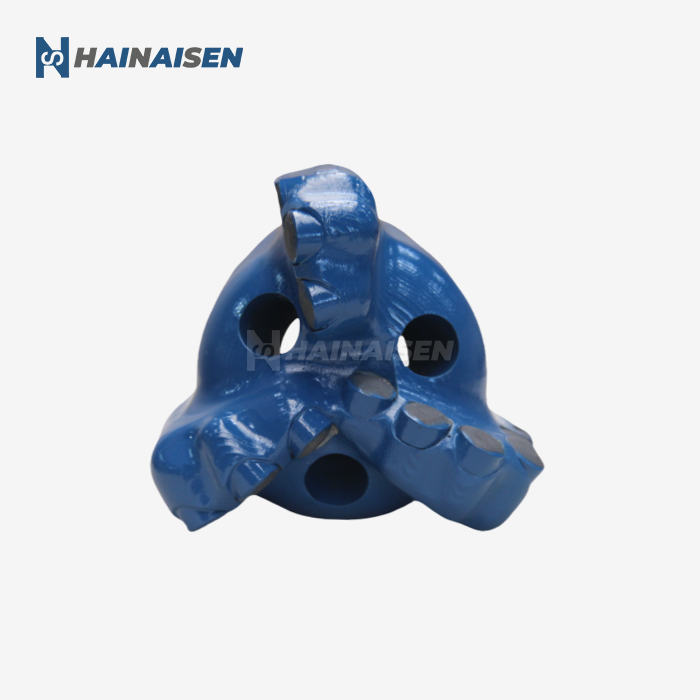 VIEW MORE113mm Three Wings PDC Arc Angle Drill Bit
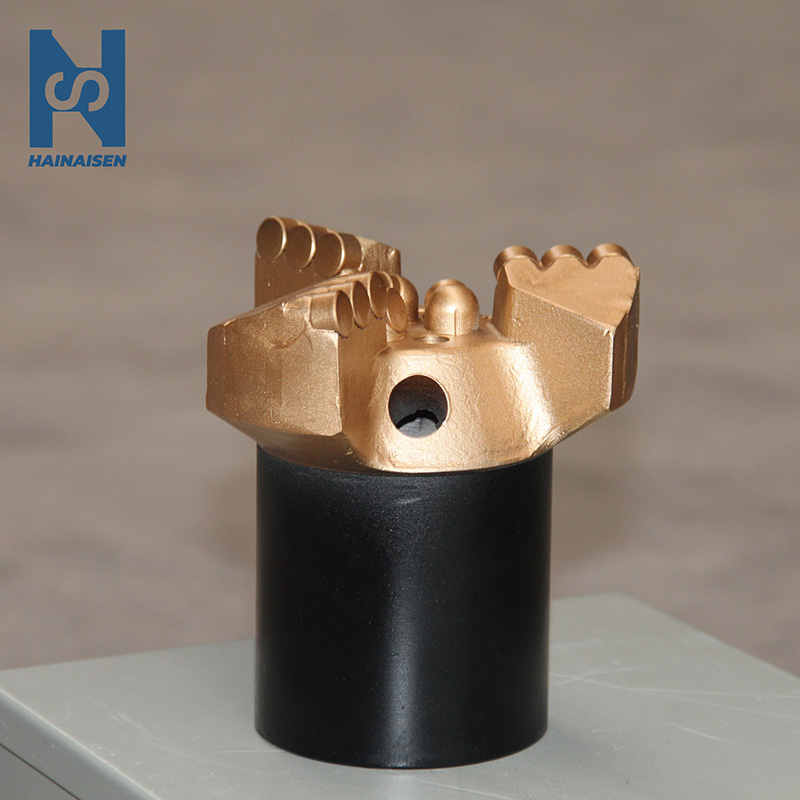 VIEW MORE113mm 3 Blades Steel Body PDC Bit
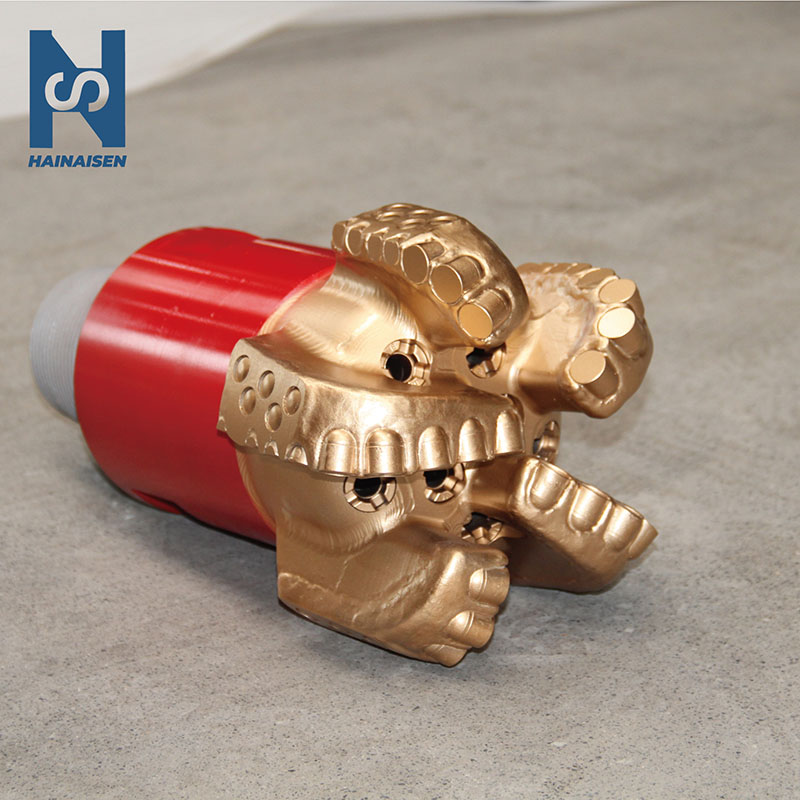 VIEW MOREDiamond Drill Bits For Oil Rigs
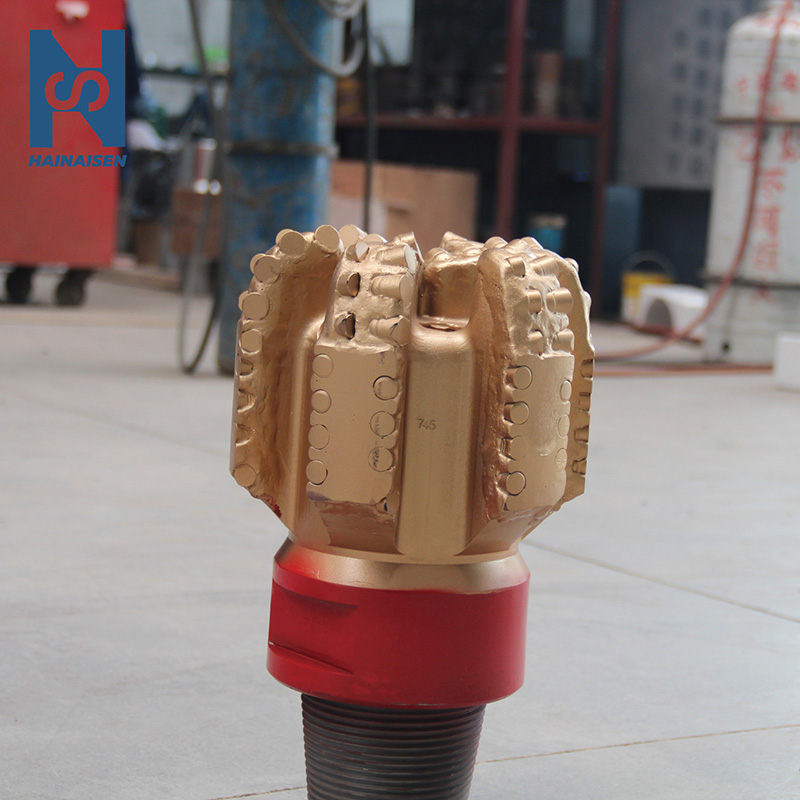 VIEW MOREDiamond Drill Bit Oil Rig
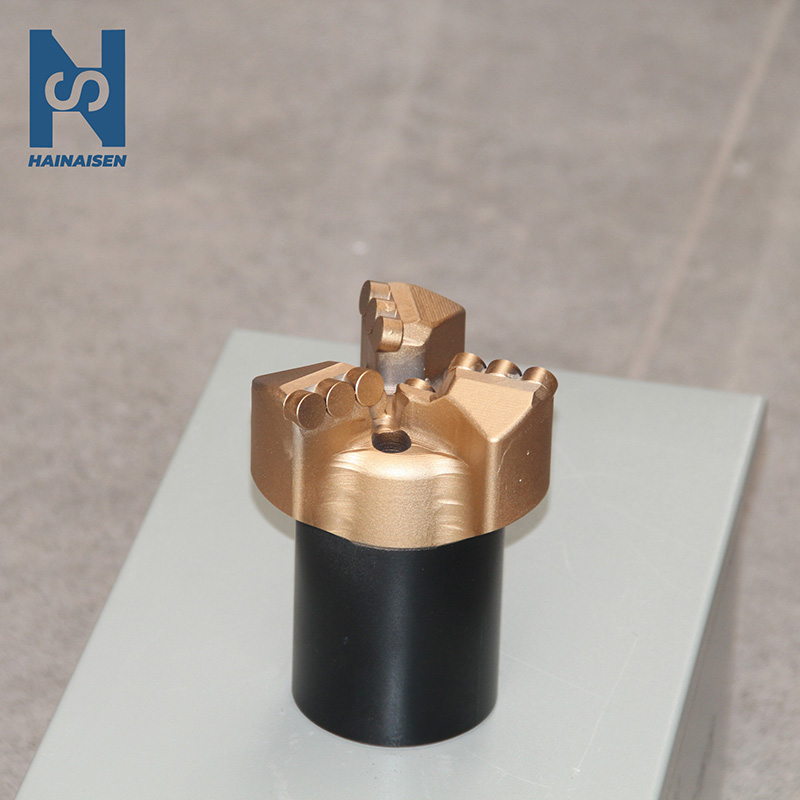 VIEW MOREThree Blades Steel Body PDC Bit
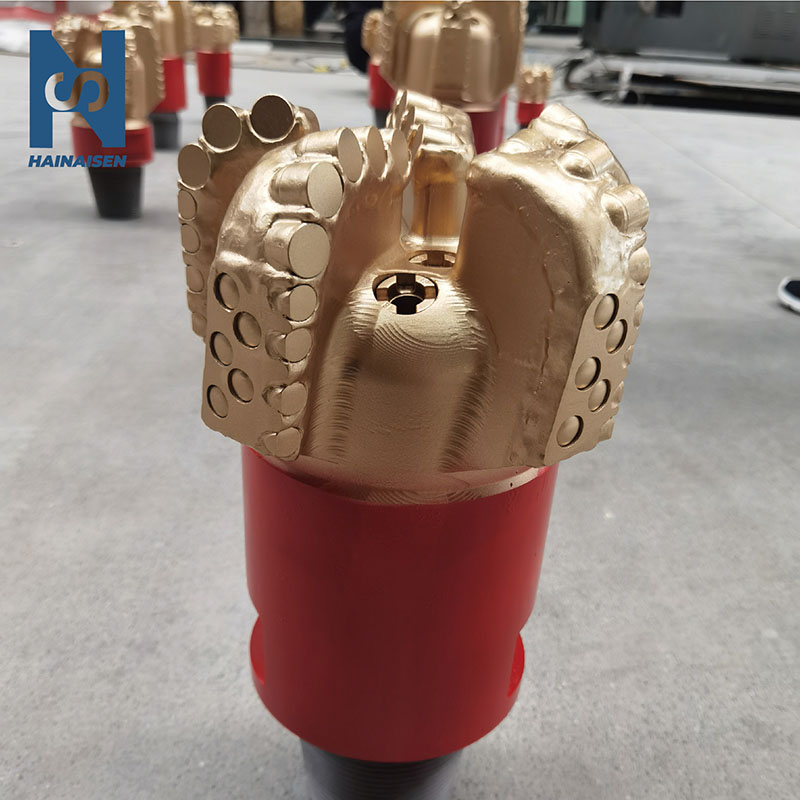 VIEW MOREFive Blade Oil Drill Bit
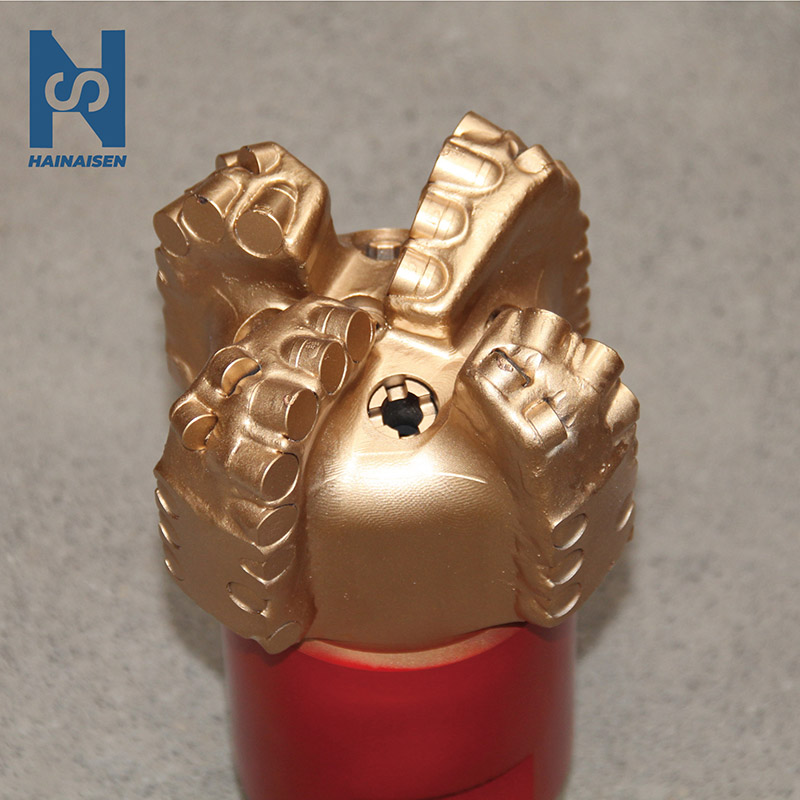 VIEW MOREFour Blade Wing High Performance Petroleum Drill Bit
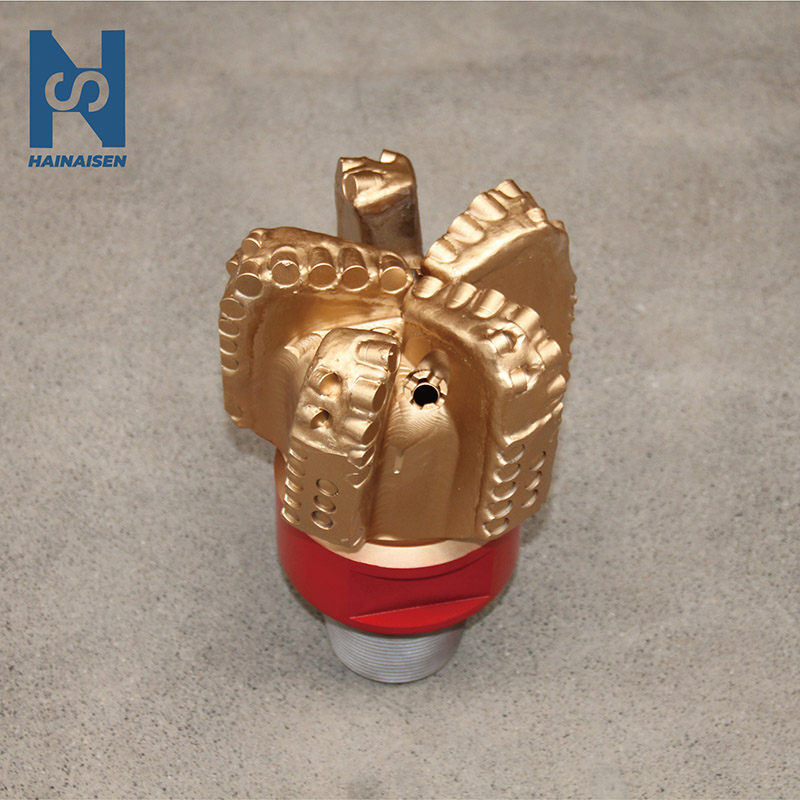 VIEW MOREPDC Rock Drill Bit