







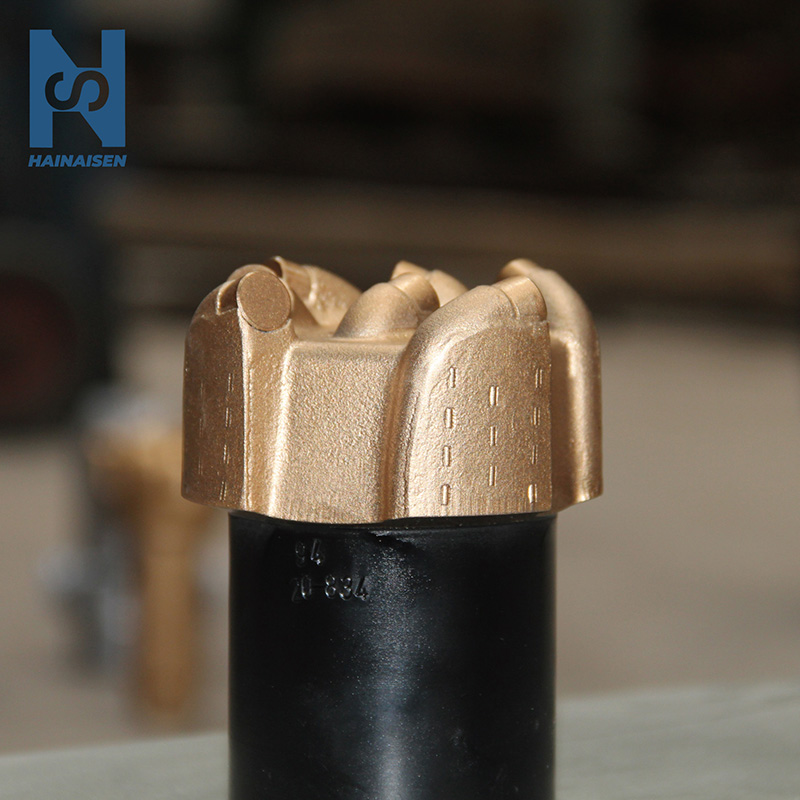
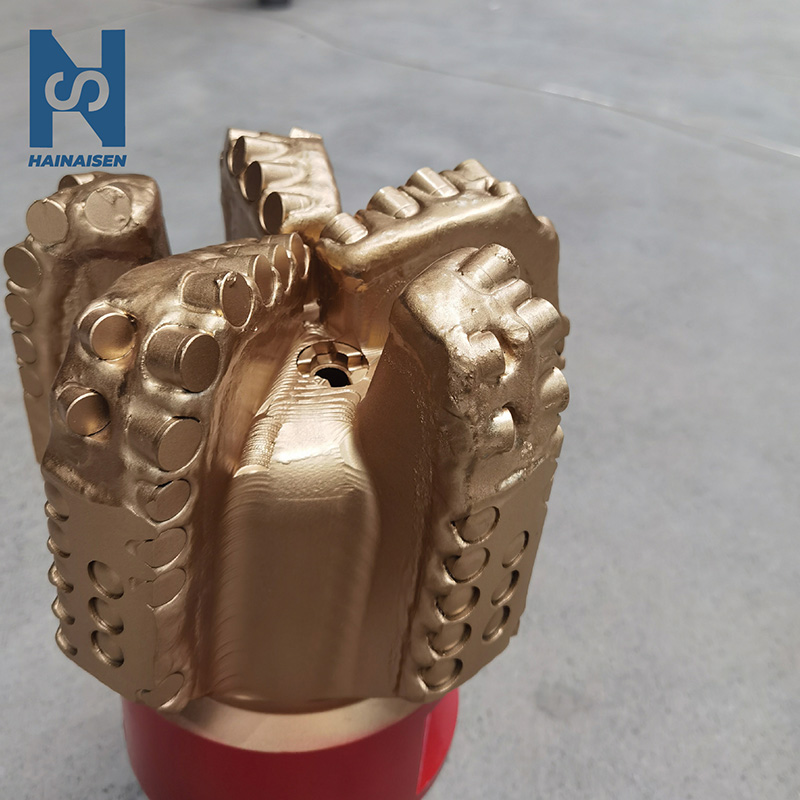
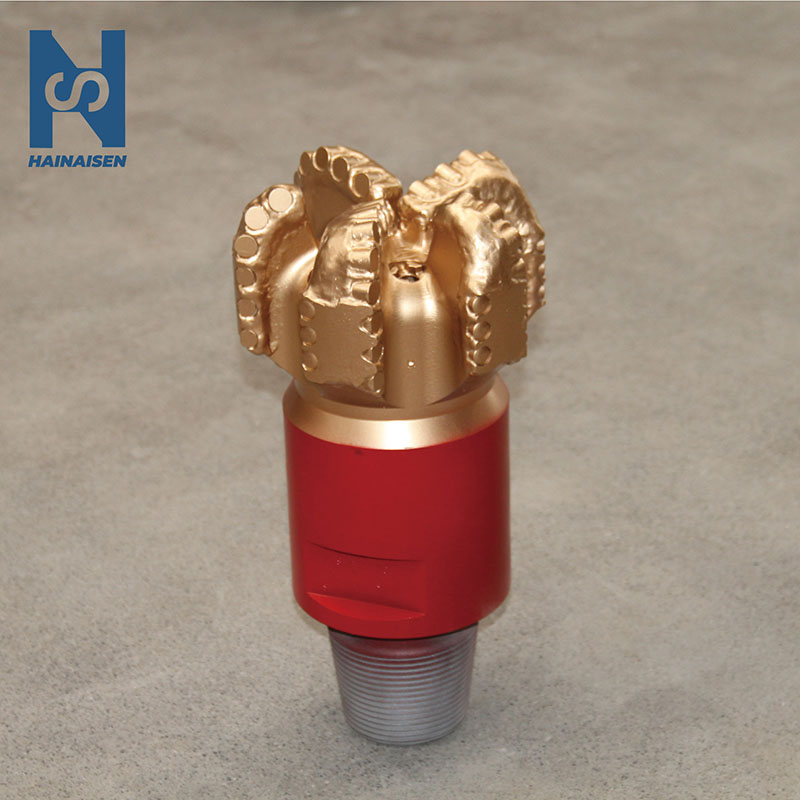
The Five Blades Oil Well Drill Head is an advanced drilling tool that changes industrial work by speeding up the drilling process and making it more stable. This all-in-one guide explains how these advanced drill head parts work really well in a wide range of natural formations, from shale deposits to limestone layers. Today's five-blade drill designs make cutting more efficient and lower the cost of drilling. This makes them an important part of oil and gas research projects. Drilling workers and gas companies looking for dependable downhole tools know that they can get the most out of their money by learning how to choose, care for, and use these tools correctly.
Understanding Five-Blade Drill Head Technology
Because of huge advances in petroleum drilling technology, multi-blade drill sets are now at the front of modern oilfield equipment design. The five-blade setup makes the best mix between how fast it cuts and how strong it is. Each blade has been carefully designed with cutting areas that stay sharp during long drilling sessions.
These spinning drill head systems have better hydraulic flow designs that make it easier to get the pieces out. The shape of the blade lowers the force needed while speeding up entry in forms with medium hardness. When advanced metallurgy is used in deep-well uses, it makes sure that the system always works the same way, no matter how much the temperature changes.
According to the technical specs, the machine can operate at anywhere from 80 to 300 RPM and with drilling forces of 10 to 100 kN. When flow rates are set between 20 and 35 LPS, they are good enough to cool down and get rid of waste. These factors allow for different digging situations while also making sure the equipment lasts a long time.
Performance Advantages in Oilfield Operations
Exceptional drilling efficiency emerges from the strategic blade placement that distributes cutting forces evenly across the drill face. This design minimizes vibration that traditionally causes premature wear in conventional drill assemblies. Operators report significant improvements in hole quality and dimensional accuracy.
The enhanced stability characteristics reduce lateral deviation during directional drilling applications. Consistent cutting action maintains straight hole trajectories essential for successful well completion programs. Reduced wobble translates directly into improved drilling economics through faster penetration and extended tool life.
Wear resistance properties exceed industry standards through advanced material selection and heat treatment processes. The drill head cutter elements maintain sharp cutting edges longer than conventional alternatives. This durability advantage reduces trip frequency and associated operational delays.
Cost-effectiveness becomes apparent through extended operational intervals between tool replacements. Lower maintenance requirements reduce overall project expenses while maintaining drilling schedule integrity. These economic benefits particularly appeal to budget-conscious operations seeking value optimization.

Applications Across Multiple Industries
Oil and gas drilling operations benefit significantly from Five Blades Oil Well Drill Head technology in both exploration and production well applications. The versatile design handles varying geological conditions encountered during hydrocarbon extraction projects. Offshore drilling platforms utilize these tools for challenging deepwater applications where equipment reliability proves critical.
Geothermal drilling projects leverage the enhanced penetration capabilities for accessing underground thermal resources. The robust construction withstands elevated temperatures associated with geothermal well development. Coal bed methane extraction operations depend on the precise drilling control that these drill heads provide.
Water well drilling teams appreciate the cost-effective performance characteristics that align with budget constraints. The reliable operation reduces project delays while maintaining acceptable drilling rates in sedimentary formations. Mineral exploration companies utilize these tools for core sampling and resource assessment programs.
Industrial drilling applications spanning construction and infrastructure development benefit from the versatile performance characteristics. Engineering projects requiring precise hole placement rely on the directional control capabilities inherent in the Five Blades Oil Well Drill Head.
Selection Criteria and Technical Specifications
Geological formation analysis determines optimal drill head selection parameters. Shale formations require different blade configurations compared to limestone or sandstone applications. Understanding rock properties guides appropriate tool selection for specific drilling environments.
Operating parameter compatibility ensures equipment harmonization within existing drilling rig components. Torque ratings must align with rotary table capabilities, while flow requirements match available pump capacity. Proper specification matching prevents operational inefficiencies and equipment damage.
Quality Certifications validate manufacturing standards and performance reliability. Reputable Manufacturers provide detailed technical documentation supporting equipment specifications. Third-party testing results demonstrate actual performance under controlled conditions.
Compatibility considerations include thread connections, overall length restrictions, and weight limitations. Drill string design affects tool placement and operational parameters. Proper integration ensures seamless operation within existing drilling systems.
Maintenance and Operational Best Practices
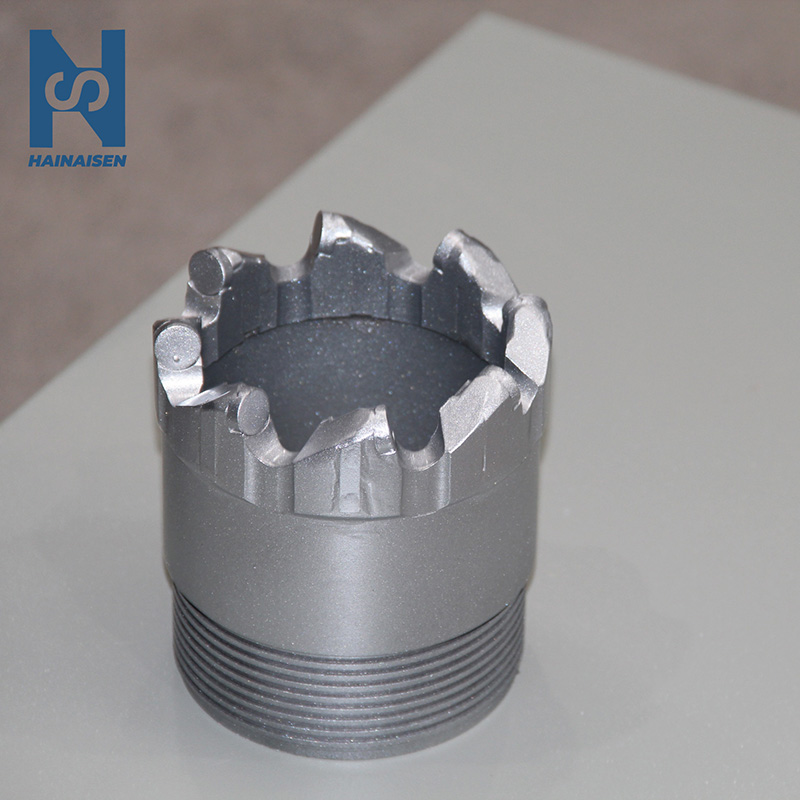
Preventive maintenance protocols extend the life of the Five Blades Oil Well Drill Head while maintaining optimal performance characteristics. Regular inspection procedures identify wear patterns before critical failure occurs. Proper cleaning techniques remove debris that accelerates cutting-edge deterioration.
Storage requirements protect idle equipment from environmental damage and corrosion. Climate-controlled environments preserve metallurgical properties essential for reliable operation. Inventory management systems track usage cycles and maintenance schedules.
Training programs ensure operators understand proper handling and installation procedures. Correct torque specifications prevent connection failures during drilling operations. Safety protocols protect personnel while maximizing equipment performance.
Performance monitoring systems track drilling parameters that indicate tool condition. Real-time data analysis identifies optimization opportunities while preventing equipment damage. Documentation procedures maintain service history records supporting warranty claims and replacement planning.

Economic Impact and Return on Investment
Drilling economics improve through reduced penetration time and extended tool life characteristics. Faster drilling rates decrease daily operational costs while maintaining hole quality standards. The cumulative effect significantly impacts project profitability across multiple wells.
Operational efficiency gains result from fewer tool changes and reduced downtime. Consistent performance eliminates drilling interruptions associated with equipment failures. Improved scheduling reliability enhances overall project management effectiveness.
Long-term cost analysis demonstrates substantial savings compared to conventional drilling alternatives. Lower replacement frequency reduces inventory carrying costs and procurement expenses. Enhanced productivity generates additional revenue opportunities through accelerated project completion.
Risk mitigation benefits include reduced exposure to drilling complications and associated remedial costs. Reliable equipment performance minimizes unexpected expenses that impact project budgets. Insurance considerations may favor operators utilizing proven drilling technology.
Future Trends and Technology Development
Emerging technologies continue advancing the Five Blades Oil Well Drill Head capabilities through material science innovations and design optimization. Computer modeling enables precise blade geometry calculations that maximize cutting efficiency while minimizing wear rates.
Smart drilling technologies integrate sensors that provide real-time performance feedback. Data analytics identify optimization opportunities and predictive maintenance requirements. These advances enhance operational decision-making and equipment utilization.
Environmental considerations drive the development of more efficient drilling solutions that reduce environmental impact. Energy-efficient designs minimize power requirements while maintaining performance standards. Sustainable manufacturing practices appeal to environmentally conscious operators.
Market trends indicate increasing demand for versatile drilling tools capable of handling diverse geological conditions. Standardization efforts improve equipment interchangeability while reducing inventory requirements. Global expansion opportunities create new markets for advanced drilling technology.
Conclusion
The Five Blades Oil Well Drill Head is a vital piece of equipment for contemporary oilfield companies that are looking to improve their drilling efficiency and lower their operating expenses. It is possible to optimize investment returns while also assuring dependable performance by having a thorough understanding of the appropriate selection criteria, maintenance needs, and application methodologies. Through the development of new materials and the optimization of their designs, these drilling instruments continue to be improved by technological improvement. Businesses that make investments in high-quality drill head assemblies place themselves in a favorable position in drilling industries that are highly competitive. Through the formation of strategic relationships with seasoned manufacturers, one may have access to cutting-edge technology and thorough technical assistance, both of which are crucial for conducting successful operations.
Partner with HNS for Superior Five-Blade Oil Well Drill Head Solutions
Shaanxi Hainaisen Petroleum Technology Co., Ltd. stands as your trusted Five Blades Oil Well Drill Head manufacturer, delivering innovative drilling solutions since 2013. Our 3,500 m² manufacturing facility houses state-of-the-art equipment, including 5-axis machining centers and CNC machine tools that ensure precision manufacturing. The dedicated R&D team creates custom bit designs meeting specific operational requirements across oil and gas, coal mining, and geological surveying applications.
Quality assurance protocols guarantee each drill head assembly meets stringent performance standards demanded by medium and large oil service companies. Competitive pricing structures accommodate budget-conscious water well drilling teams without compromising reliability. Technical support services assist purchasing managers and engineers throughout the selection and implementation process.
Experience the difference that advanced drilling technology makes in your operations. Contact Us at hainaisen@hnsdrillbit.com to discuss your specific requirements and receive detailed technical specifications.
References
1. American Petroleum Institute. "Recommended Practices for Drill Bit Classification and Application Guidelines." API RP 13B-2, 2023 Edition.
2. International Association of Drilling Contractors. "Advanced Drilling Technology Performance Standards and Testing Protocols." IADC Technical Manual, 2024.
3. Society of Petroleum Engineers. "Multi-Blade Drill Head Design Optimization for Enhanced Penetration Rates." SPE Drilling Engineering Journal, Vol. 38, No. 4, 2024.
4. World Oil Equipment Database. "Comparative Analysis of Five Blade vs. Traditional Drill Head Performance Metrics." Technical Report WO-2024-15, March 2024.
5. Petroleum Technology Research Institute. "Metallurgical Advances in Downhole Tool Manufacturing for Extreme Environment Applications." PTRI Publication 2024-08, June 2024.
6. Drilling Equipment Manufacturers Association. "Industry Standards for Multi-Blade Drill Head Specifications and Quality Assurance." DEMA Guidelines Version 3.2, 2024.
logo 4_1777360540990.jpg)
logo 1_1777360475599.jpg)
