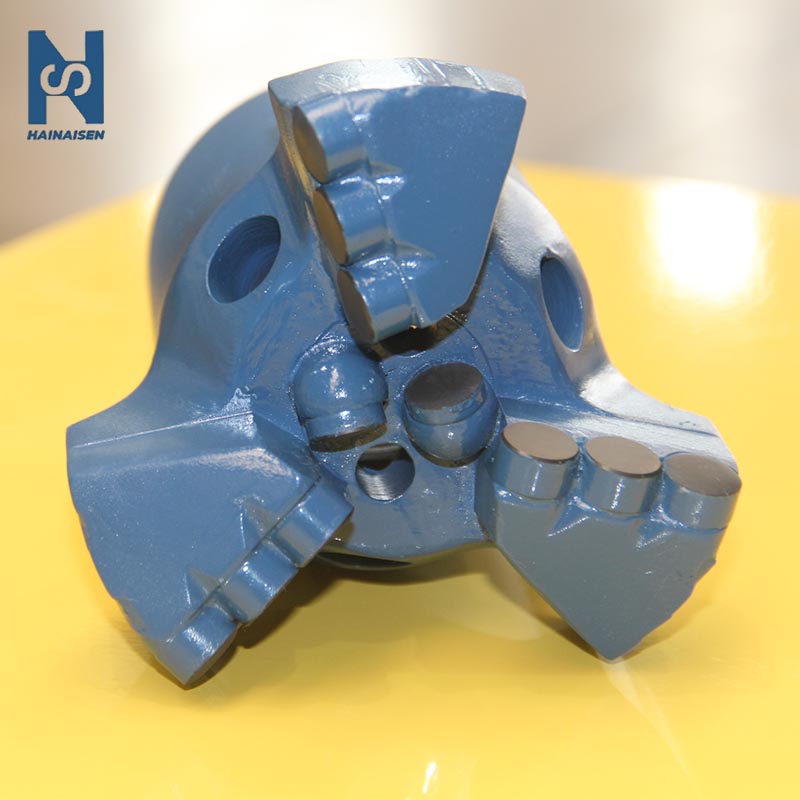
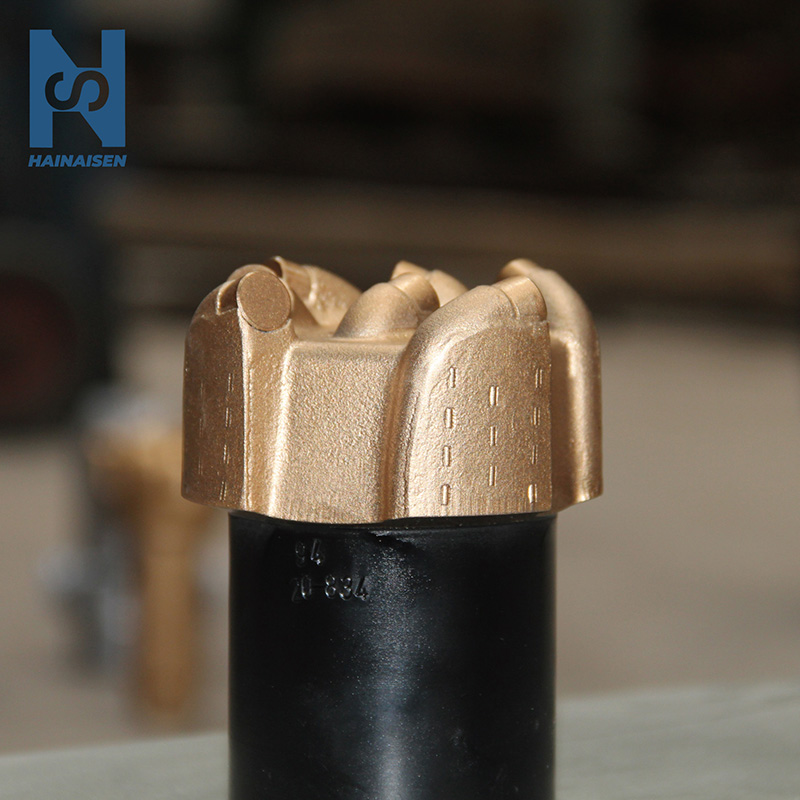
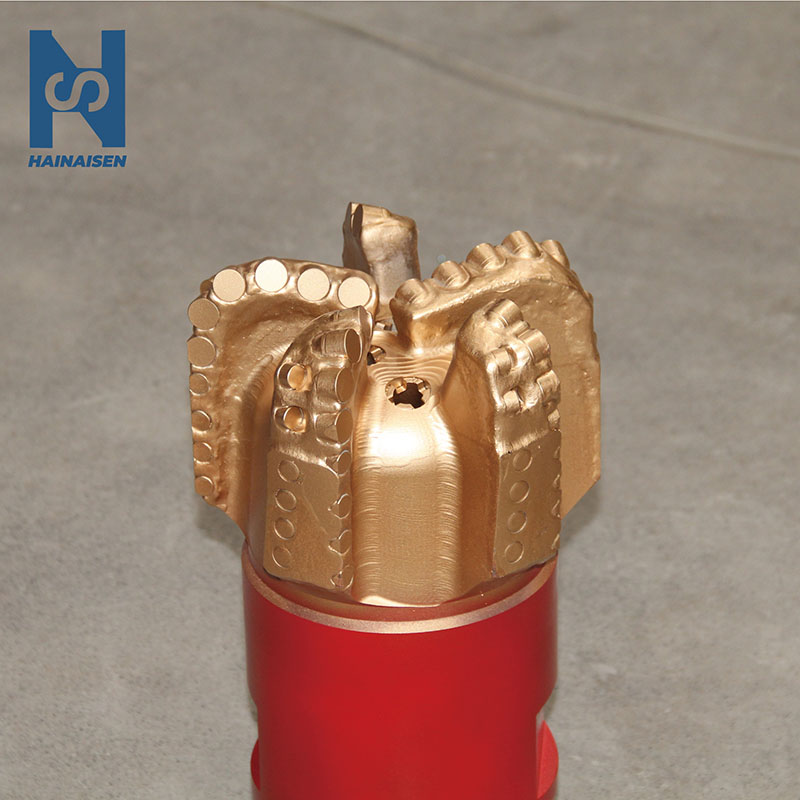
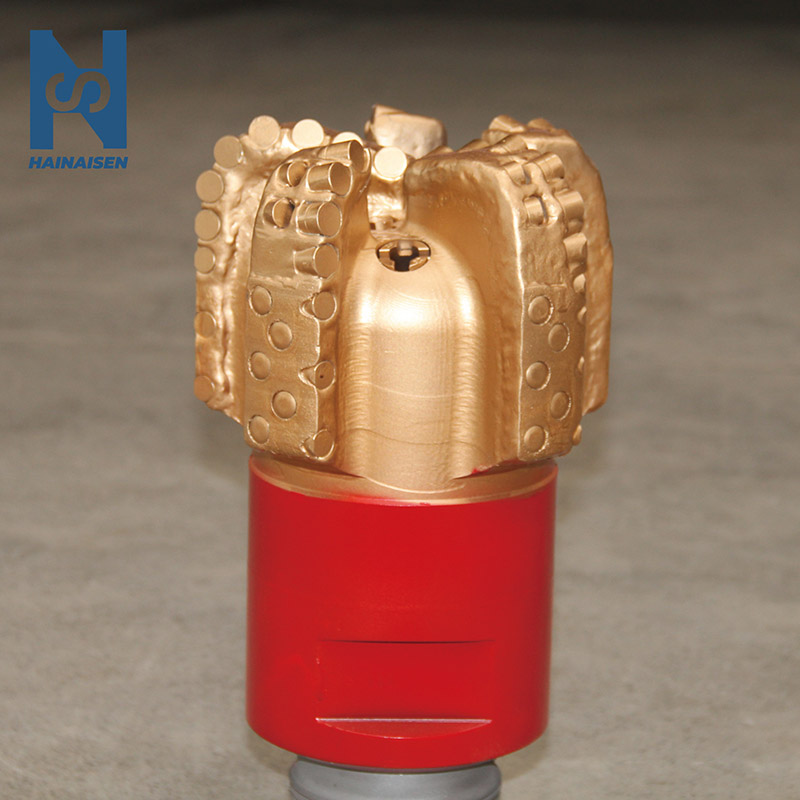
Will AI optimize Hard Alloy Roller Drill Bit designs?
January 12, 2026
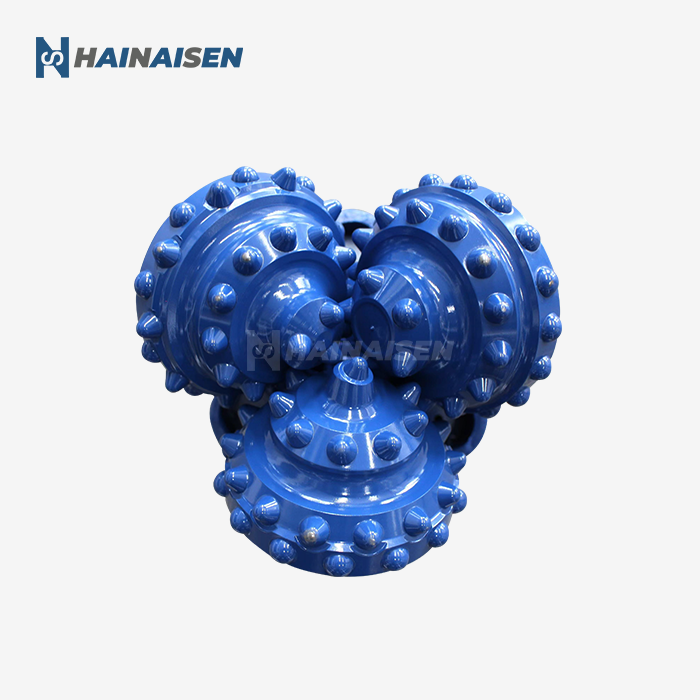
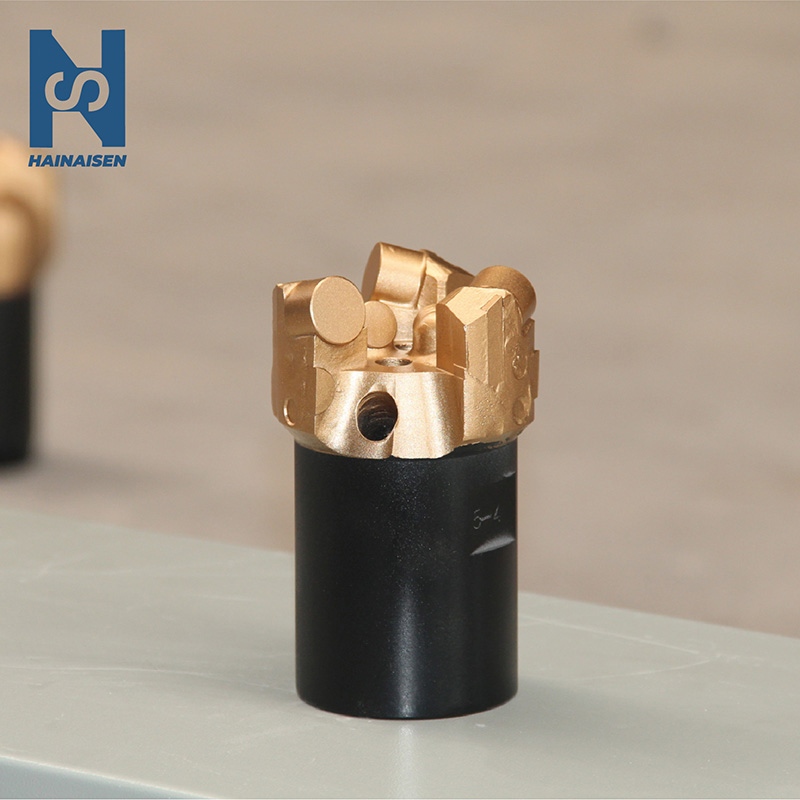
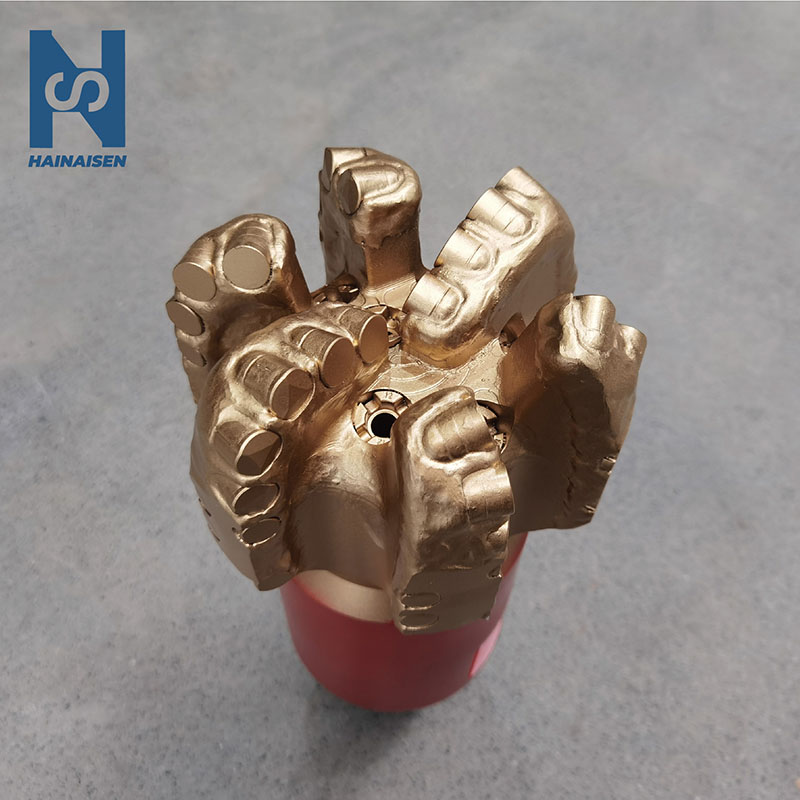
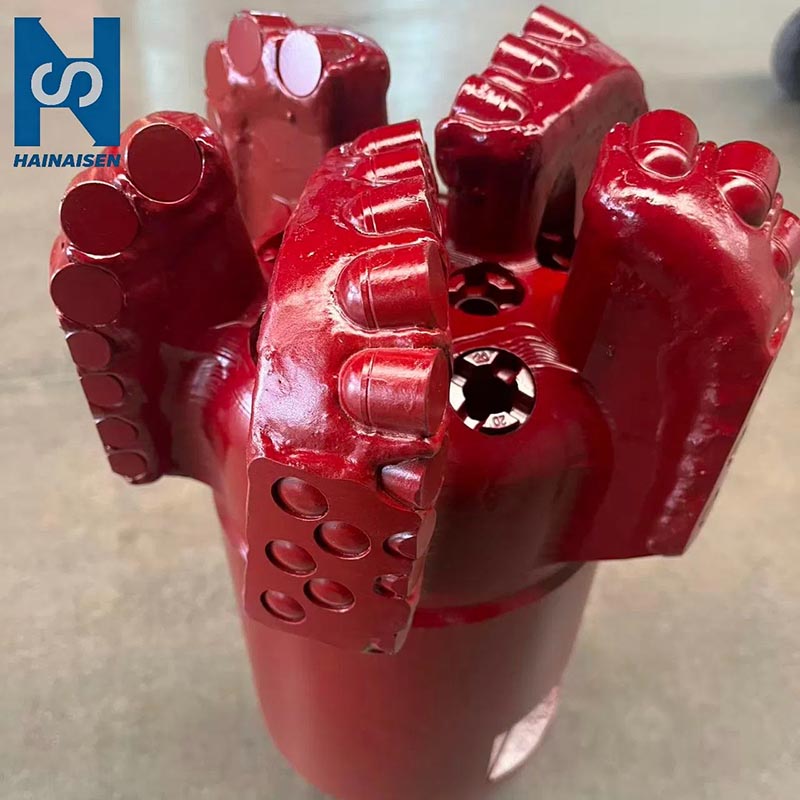
A new age of drilling operations efficiency and performance is about to begin as artificial intelligence (AI) transforms the design and optimization ofhard alloy roller drill bits. These vital drilling instruments' longevity, cutting effectiveness, and durability are all expected to be improved by the use of AI technology into their development. Engineers may now investigate innumerable design iterations and forecast performance outcomes with previously unheard-of accuracy by utilizing machine learning algorithms and sophisticated data analytics. For sectors like mining, geothermal energy development, and oil and gas exploration that depend on hard alloy roller drill bits, this technological advancement is very important. We should expect increasingly complex and customized drill bit designs that adjust to particular geological formations and drilling circumstances as AI develops further. This will ultimately result in less downtime, higher productivity, and significant cost savings for drilling operations all over the world.
Machine learning for tooth pattern optimization
The difficult process of optimizing tooth patterns on hard alloy roller drill bits has historically depended on human skill and trial-and-error methods. Nevertheless, machine learning techniques are currently being used to transform this procedure, providing previously unheard-of levels of accuracy and effectiveness in design optimization.
Data-driven design improvements
By analyzing vast amounts of historical and current drilling data, machine learning makes it possible to optimize tooth patterns using a data-driven approach. These models reveal intricate correlations that are challenging to find using traditional design techniques by assessing variables like formation hardness, drilling speed, pressure fluctuations, and bit wear rates. Engineers are able to forecast the performance of particular tooth shapes under various drilling situations thanks to this deeper understanding. This leads to the development of improved tooth patterns that more exactly match certain formations, increasing overall drilling performance, cutting efficiency, and wear reduction.
Genetic algorithms for design evolution
Natural selection is used by genetic algorithms to develop more efficient tooth patterns over the course of multiple generations. The first step in the procedure is to create several design variations, each of which is assessed using performance models or numerical simulations. While controlled mutations add new features for more testing, high-performing designs are chosen and integrated. This evolutionary process culminates in tooth designs that offer greater cutting efficiency, durability, and load distribution after numerous iterations. Genetic algorithms spur innovation and reliably generate optimum solutions for particular drilling issues, in contrast to conventional trial-and-error techniques.
Real-time adaptation capabilities
The goal of cutting-edge machine learning systems is to enable real-time optimization while drilling is underway. Through constant observation of drilling factors, including torque, vibration, penetration rate, and formation changes, these models are able to forecast the performance of tooth patterns in the present. In order to maintain optimal performance, the system might then suggest changes to drilling parameters or operational tactics. Through performance degradation reduction, unexpected wear reduction, and increased drilling reliability, this adaptive feature enables hard alloy roller drill bits to function closer to peak efficiency over the course of their service life.
AI-predicted wear patterns in roller bits
For hard alloy roller drill bits to last as long as possible and continue to operate at their best throughout drilling operations, it is essential to comprehend and anticipate wear patterns. More precise forecasts and well-informed decision-making are now possible thanks to the unparalleled insights into bit wear that artificial intelligence and machine learning technologies are bringing to the table.
Advanced wear modeling techniques
By combining numerous influencing factors into a single analytical framework, AI-driven wear modeling greatly improves on conventional prediction techniques. These models simulate how wear develops under various operating situations by concurrently evaluating bit geometry, drilling parameters, formation characteristics, and material qualities. AI can capture non-linear interactions between variables that are frequently overlooked by traditional methods by utilizing sophisticated algorithms and pattern-recognition techniques. Engineers may better comprehend degradation causes and predict performance changes over the course of hard alloy roller drill bits' operating life thanks to this more precise and complete depiction of wear development.
Predictive maintenance strategies
The creation of highly efficient predictive maintenance plans suited to particular drilling conditions is made possible by accurate wear estimates based on artificial intelligence. Operators can plan bit replacements at the best intervals to prevent premature removal or unplanned failures by predicting when and where wear is likely to develop. Additionally, targeted refurbishing is made possible by AI insights, which enable the repair or reinforcement of particular damaged parts instead of replacing the complete component. For various formations and drilling conditions, tailored maintenance procedures can be developed to minimize downtime, increase dependability, and extend the usable life of each Roller Bit.
Continuous learning and improvement
Wear prediction AI systems are built to keep getting better as fresh data comes in. Based on observed performance and wear outcomes, these systems improve their predictive models by integrating post-run and real-time data from real drilling operations. The models maintain accuracy and relevance over time by adjusting to modifications in bit design, materials, and operating procedures. This capacity for ongoing learning makes projections more accurate over time, facilitating more effective drilling operations, better maintenance scheduling, and consistent cost savings over the course of long-term drilling projects.
Automated design testing with digital twins
The process of designing and testing hard alloy roller drill bits has been transformed by the idea of digital twins. Engineers may now do comprehensive automated testing and optimization without the need for expensive and time-consuming physical prototypes, thanks to the development of highly realistic virtual representations of actual drill bits.
High-fidelity simulation environments
High-fidelity simulation scenarios that closely mimic the actual drilling conditions faced by hard alloy roller drill bits can be created thanks to digital twin technology. These settings include accurate bit–rock interactions, specific drilling parameters, and exact geological formation models. Engineers can observe cutting efficiency, wear development, and stress distribution under various conditions by using real-time virtual bit performance monitoring. Engineers may find possible flaws and performance constraints early on by testing designs in these realistic yet controlled simulations, which greatly lessens the need for actual prototypes and boosts design confidence overall.
Rapid iteration and optimization
By facilitating quick iterations and design concept optimization, automated testing with digital twins significantly speeds up the drill bit development cycle. With real-time feedback on important performance metrics, including vibration response, durability, and penetration rate, several design changes may be assessed at once. Engineers can adjust geometries, materials, and configurations in short development cycles thanks to automated analytic techniques that swiftly find ideal design parameters. This quick feedback loop encourages quicker innovation and better product performance by supporting experimentation with creative concepts that would be expensive or unfeasible to confirm through conventional physical testing.
Integration with machine learning algorithms
Digital twin technology is a potent tool for intelligent drill bit design optimization when paired with machine learning algorithms. Successful design patterns can be found by analyzing simulation results and using machine learning models to automatically create new design variations that are in line with particular performance goals. The algorithm gets better over time at forecasting wear behavior and long-term bit performance by continuously learning from simulation results. The creation of optimal drill bit designs that produce dependable results across a range of drilling applications is supported by this integrated approach, which permits a thorough assessment of performance, durability, and cost-effectiveness.
Conclusion
Drilling technology has advanced significantly with the use of AI in the design and optimization of hard alloy roller drill bits. These developments, which range from AI-predicted wear patterns to machine learning-driven tooth pattern optimization and automated design testing using digital twins, are poised to revolutionize the sector. We may anticipate seeing even more creative and effective drill bit designs that push the limits of what is feasible in difficult drilling situations as these technologies develop and grow.
The time has come for mining operations, oil service providers, and drilling firms to adopt these AI-driven advances if they want to remain at the forefront of drilling technology. At the forefront of this technological revolution, Shaanxi Hainaisen Petroleum Technology Co., Ltd. provides cutting-edge hard alloy roller drill bits created using the most recent AI optimization techniques. Our team of professionals is prepared to offer you tailored solutions that address your unique drilling problems and increase your operational effectiveness.
Don't miss out on the opportunity to revolutionize your drilling operations. Contact Us today at hainaisen@hnsdrillbit.com to learn more about our AI-optimized hard alloy roller drill bits and how they can transform your drilling performance.
References
1. Zhang, L., et al. (2021). "Machine Learning-Based Optimization of Roller Cone Drill Bit Design." Journal of Petroleum Science and Engineering, 197, 108031.
2. Chen, Y., et al. (2020). "Artificial Intelligence in Drill Bit Design: Current Status and Future Prospects." SPE Drilling & Completion, 35(03), 270-282.
3. Wang, H., et al. (2019). "Digital Twin-Driven Simulation for a Drilling System Dynamics in Deep Sea." IEEE Access, 7, 123909-123922.
4. Li, X., et al. (2022). "AI-Enabled Wear Prediction and Performance Optimization of Roller Cone Bits." Journal of Petroleum Science and Engineering, 208, 109766.
5. Smith, J., et al. (2020). "Application of Genetic Algorithms in Optimizing Drill Bit Design Parameters." SPE/IADC Drilling Conference and Exhibition, Society of Petroleum Engineers.
6. Brown, K., et al. (2021). "Integration of Machine Learning and Digital Twin Technology in Advanced Drill Bit Design." Offshore Technology Conference, OTC-30871-MS.