



Key Components of a PDC Petroleum Drill Bit Explained
Procurement managers and drilling experts who want to get the best drilling performance in oil and gas operations need to know all about the complicated parts that make up a PDC petroleum drill bit. When compared to other drilling options, these precision-engineered tools have better entry rates and last longer because they use polycrystalline diamond compact technology. Each part is very important for making digging as efficient as possible while keeping costs as low as possible in a variety of rock types.
General Overview of PDC Petroleum Drill Bits
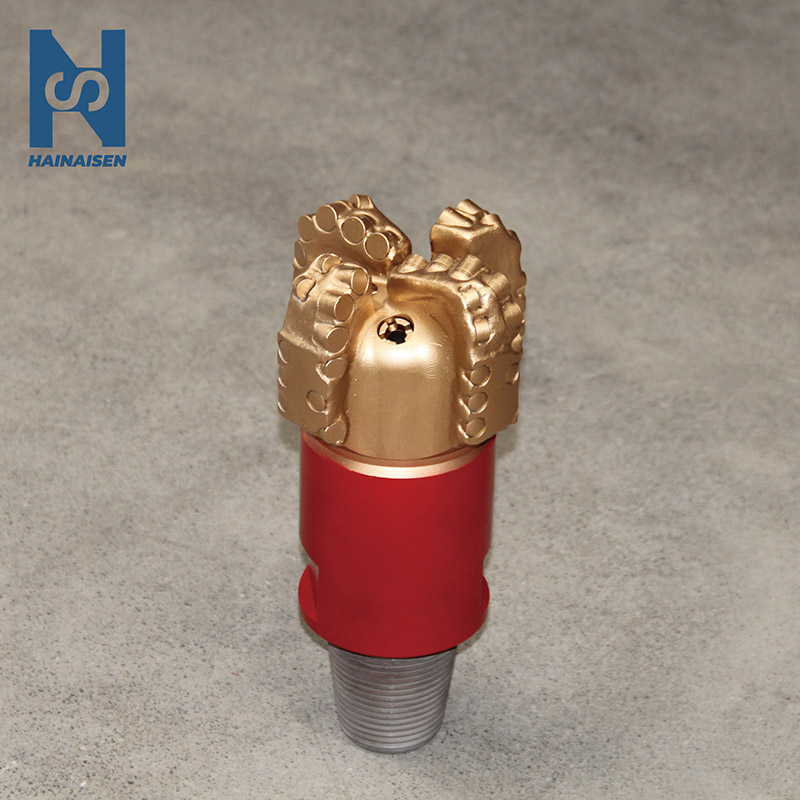
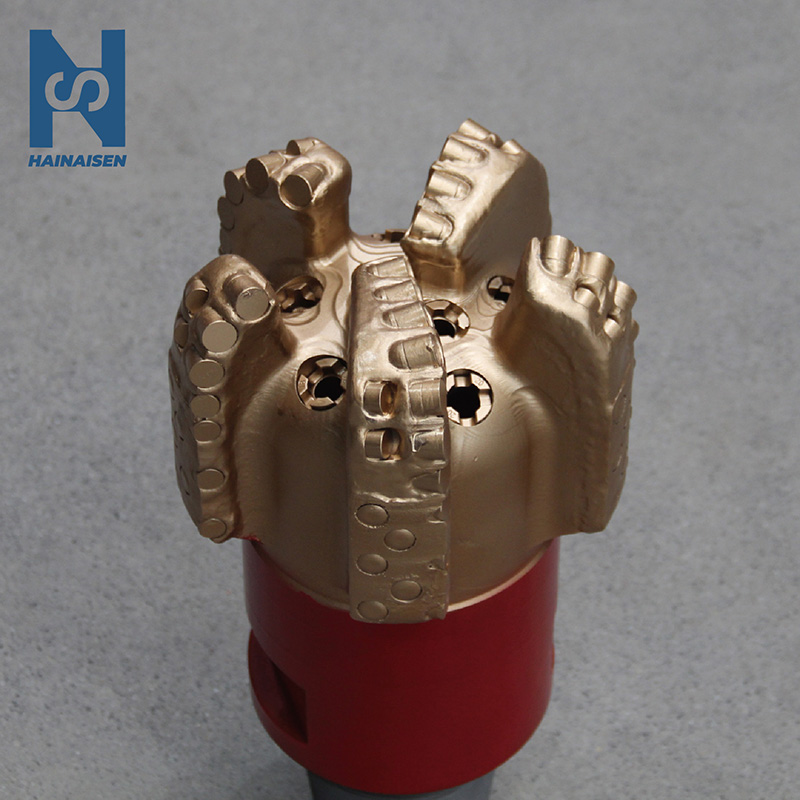
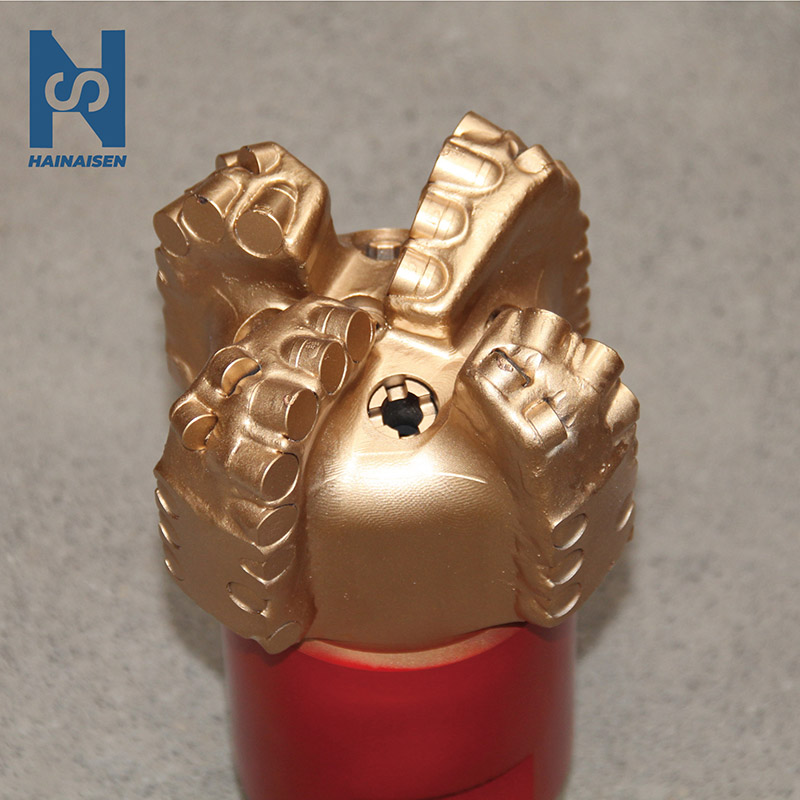
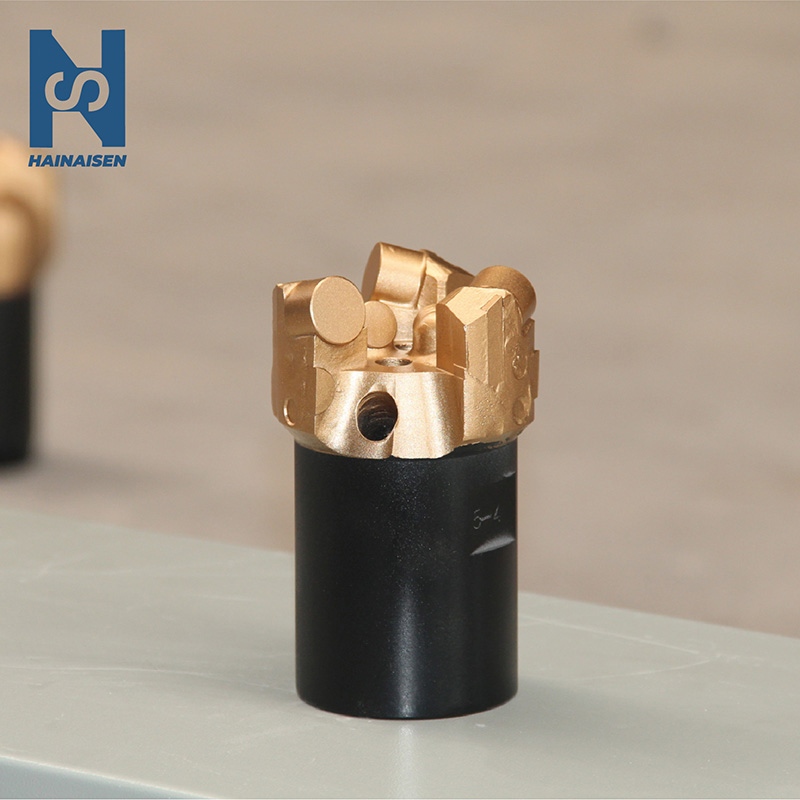
PDC Petroleum Drill Bit technology is a big step forward in drilling power. It uses strong bit bodies with fake diamond cuts that are bonded to them for better performance. PDC Bits use a slicing action instead of a crushing action like standard roller cone bits, which makes better cuts and faster entry rates.
Working Principles and Core Technology
Fundamentally, PDC drill bits work because they have polycrystalline diamond compact cutters that keep their cutting edge for long boring operations. These layers of manmade diamond are metallurgically bound to tungsten carbide surfaces to make cutting elements that can handle the high temperatures and high pressures that are common in oil drills.
There are several practical benefits to using PDC cutters instead of other types of crushers because they slice. This way of cutting makes less heat and less sound, and the same amount of force is needed throughout the whole drilling process. Because the cuts are always in contact with the rock formation, the entry rates stay steady. This is in contrast to roller cone technologies, which use impact forces that come and go.
Key Advantages Over Traditional Drilling Methods
PDC technology improves drilling costs in a measured way by increasing the rate of entry and making bits last longer. Field data reliably shows that these methods allow for 20–40% faster drilling speeds in suitable rocks than roller cone options. Since there are no working parts, there are no gear problems, and less upkeep is needed, which helps keep the overall cost of drilling cheap.
Another important benefit is that PDC cutters are thermally stable. Modern PDC cutters can keep cutting effectively at temperatures above 750°C. This resistance to heat makes it possible to drill in deep wells where other bit technologies would fail because of the high temperatures at the bottom of the hole.
Core Components of a PDC Petroleum Drill Bit
When buying, teams know about the main parts of PDC Petroleum Drill Bits, they can make smart choices based on the drilling needs and the features of the rock. Each part adds to the general efficiency and dependability of the system.
PDC Cutters and Diamond Technology
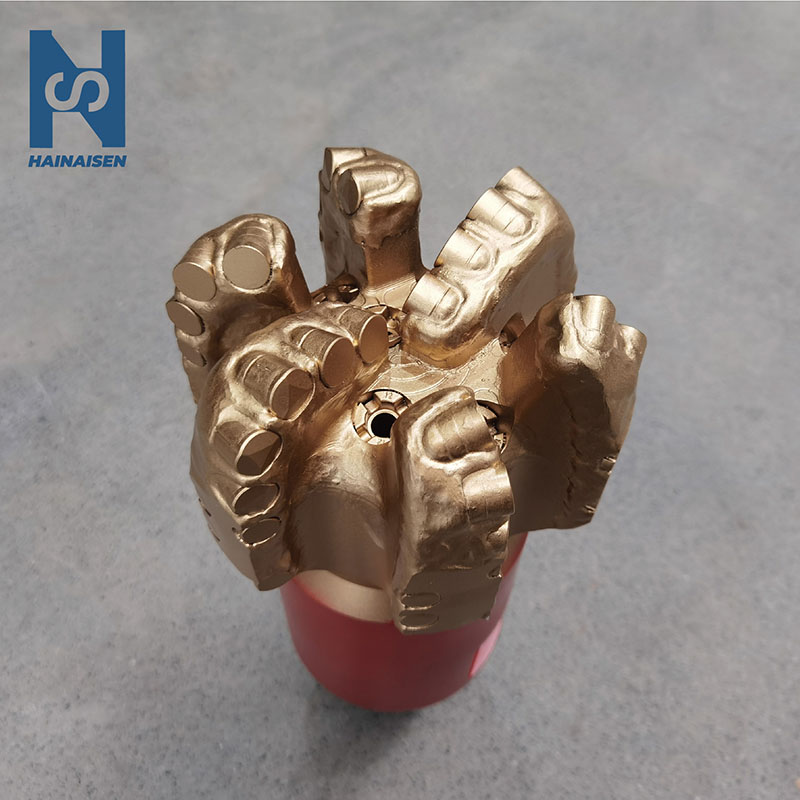
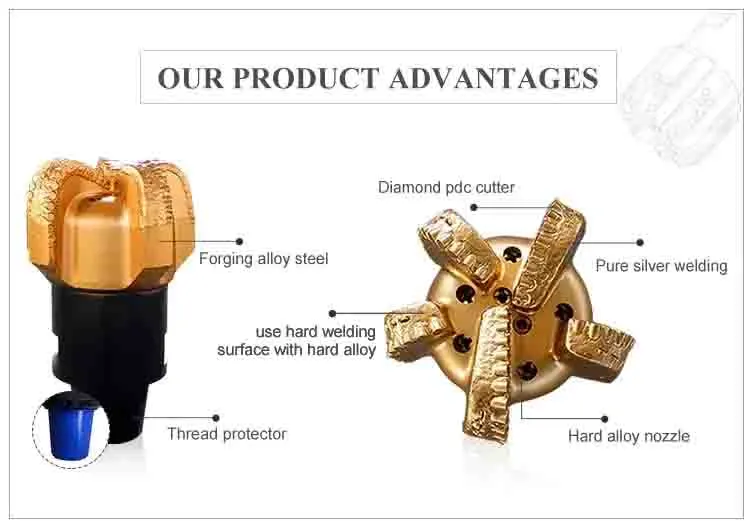
The PDC cutters are the most important part of the cutting device. They have fake diamond tables that make them very hard and resistant to wear. Modern cutters have diamond tables with thicknesses ranging from 2.5 mm to 4.0 mm. Tables that are bigger last longer in rough forms.
Cutter layout has a big effect on how well drilling works, and different makers offer forms like cylinders, cones, and ridges. Standard cutter diameters range from 8 mm to 25 mm. Our S123 standard uses 13 mm and 19 mm cutters that are placed carefully across five blade configurations. The 75 cuts in this design make sure that the cutting face is always visible while keeping the structure strong.
Bit Body Construction and Materials
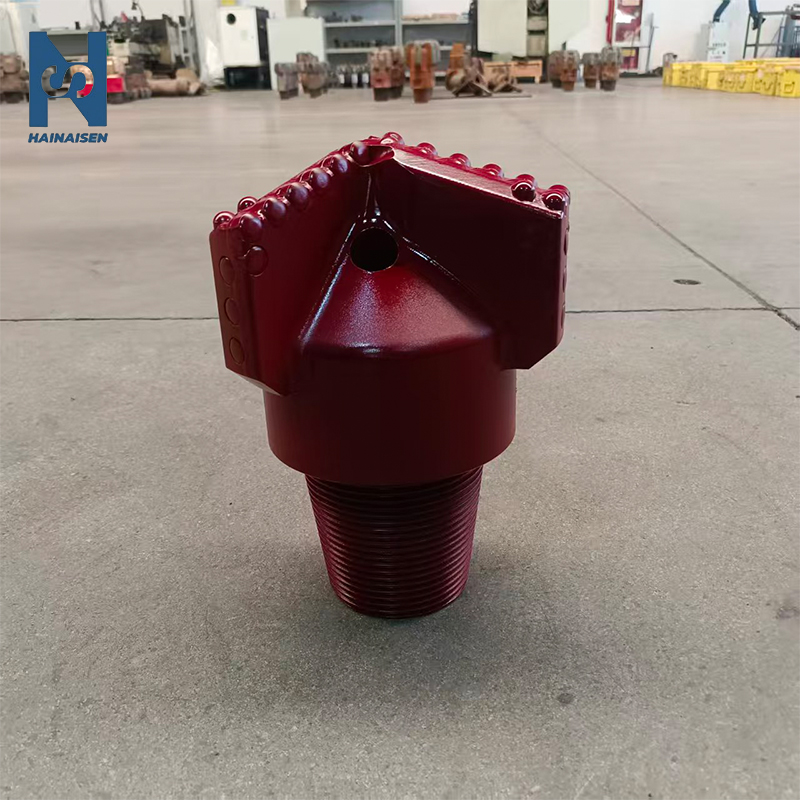
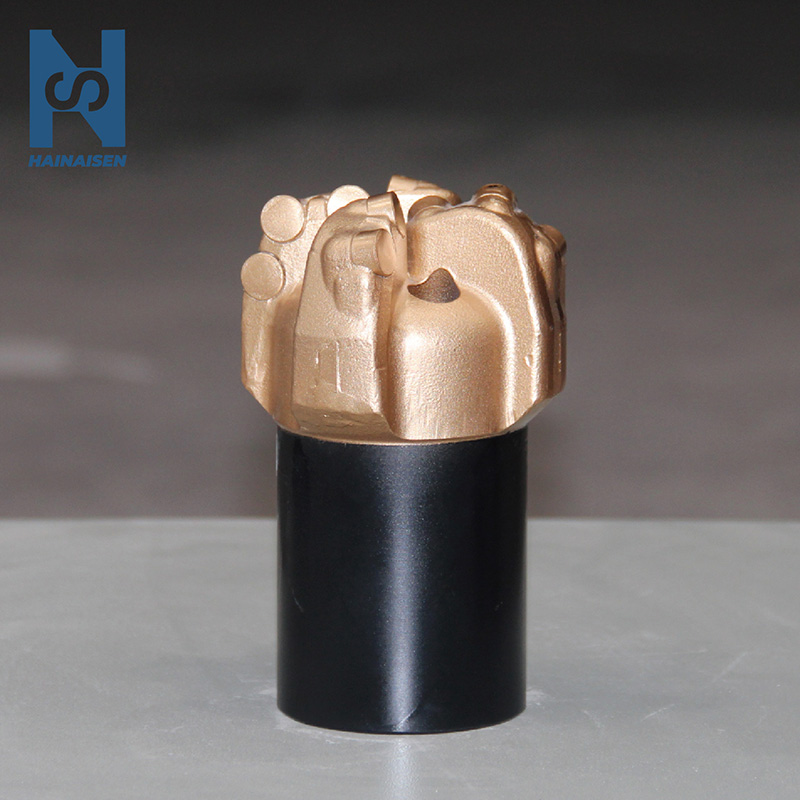
The bit body is what holds the structure together and is where the PDC blades, fluid pathways, and link systems are located. Matrix bodies are made of tungsten carbide powder mixed with brass or nickel metals. This gives them better resistance to wear and steadiness in their shape. Using steel body constructions can save you money while still doing a good job in less difficult situations.
Our 9.5-inch (241.3 mm) bit body uses advanced mechanical methods to make sure that the material qualities are the same all the way through the structure. When it comes to support, the 460 mm height and 78 mm gauge length make it easy to use normal drilling tools.
Hydraulic Systems and Nozzle Design
Through carefully placed valves and internal flow channels, good hydraulic design makes sure that the pieces are removed correctly and the bit stays cool. The S123 model's seven nozzles are set up in a way that best distributes fluid flow across the cutting face while still allowing enough pressure drop for effective cleaning.
Computational fluid dynamics modeling tells us where to put and how big to make the nozzles so that they cause the least amount of damage while still cleaning well. Internal flow lines guide drilling fluid to areas that wear down quickly. This keeps the cutting efficiency high throughout the drilling process and extends the life of the parts.
Comparing PDC Drill Bits with Other Drill Bit Types
Before making a purchase choice, you need to know how the PDC Petroleum Drill Bit technology stacks up against other drilling options in a wide range of performance tests and operating situations.
Performance Differences Across Formation Types
PDC bits work best in soft to medium-hard rock types like shales, sandstones, and limestone, which are popular in oil drilling. When the shapes are uniform, and the cutting action can be kept constant, the rate of entry benefits becomes especially clear.
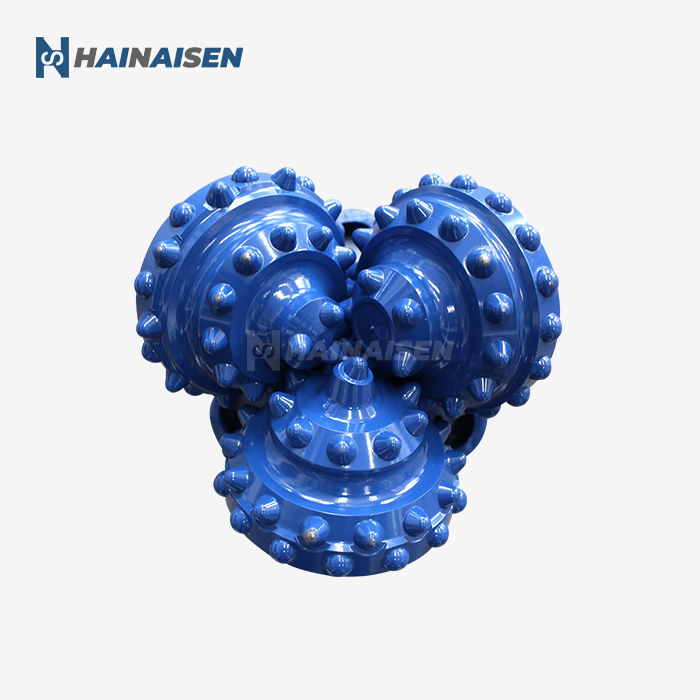
Impact cutting mechanisms work better in very hard, broken, or interbedded rocks, but roller cone bits are still better in those situations. Recent improvements to PDC designs, on the other hand, have made it possible for them to work in a wider range of formations by using better cutter materials and better blade shapes.
Economic Considerations and Total Cost Analysis
Even though PDC bits usually cost more to buy at first than roller cone options, they are usually more cost-effective in the long run because they last longer and take less trip time. When figuring out the cost per foot, you have to take into account bit life, uptake rates, and gains in business efficiency.
A study of the market shows that PDC Petroleum Drill Bits have a 15–30% lower cost per foot in certain situations. The savings are even greater in deeper wells where trip time is a major operational cost. The benefits of longevity are especially useful in rural areas, where bit supply and shipping costs can affect the economics of a project.
Recent Technology Advancements and Design Features in PDC Bits
Today's PDC bits are made with improved materials and better shapes that make them more compatible with more formations and more efficient at cutting. These changes in technology directly help buying strategies by making them more reliable in terms of performance.
Advanced Cutter Technologies
New developments in making PDC cutters include better diamond table formulas that make them more resistant to heat and pressure. Thermally stable polycrystalline diamond (TSP) cutters keep cutting well at temperatures above 1000°C, which means they can be used in deeper, higher-temperature wells.
Cutter shape optimization uses complex models to guess how rocks and cutters will interact and reduce wear patterns. Different rake angles and specially prepared edges lower cutting forces while keeping entry efficiency high in a range of formation types.
Smart Drilling Integration
When smart drilling systems are connected, drilling settings can be optimized in real time based on feedback from the bit. Sensor technologies built into the bit bodies constantly check for changes in temperature, vibration, and wear patterns, letting parameters be changed right away to get the best performance.
These tracking tools help with buying decisions by giving objective performance data that helps with bit choice and business planning. Historical performance records allow for modeling that predicts future drilling operations, which makes cost estimates more accurate and lowers operational risks.
Maintenance, Common Issues, and Longevity of PDC Drill Bits
Maximizing PDC Petroleum Drill Bit operational life requires understanding proper handling, storage, and operational practices that prevent premature wear and maintain cutting efficiency throughout the drilling operation.
Preventive Maintenance Protocols
Proper bit inspection before deployment identifies potential issues that could compromise performance or cause premature failure. Visual examination of cutter condition, body integrity, and connection threads ensures optimal starting conditions for drilling operations.
Storage protocols protect PDC cutters from impact damage and contamination that could affect cutting performance. Climate-controlled environments prevent thermal cycling that might compromise cutter bonding, while proper handling procedures minimize mechanical damage during transportation and rig-up operations.
Common Failure Modes and Prevention
Bit balling represents the most common operational challenge in sticky formations where clay materials accumulate on cutting surfaces. Anti-balling agents in drilling fluid formulations help prevent accumulation, while optimized hydraulics maintain cleaning effectiveness across the bit face.
Cutter damage typically results from excessive drilling parameters or inappropriate formation applications. Parameter optimization based on formation characteristics prevents overloading while maintaining acceptable penetration rates. Our technical support team provides guidance on parameter selection to maximize bit performance while preventing premature wear.
Supplier Support and Warranty Considerations
Comprehensive supplier support includes technical consultation, performance analysis, and replacement recommendations based on operational requirements. Our extensive research and development capabilities enable custom bit designs tailored to specific formation challenges and operational objectives.
Warranty coverage reflects Manufacturer's confidence in product quality while providing protection against manufacturing defects. Shaanxi Hainaisen Petroleum Technology Co., Ltd. backs all PDC bits with comprehensive warranty support and technical assistance throughout the operational lifecycle.
Conclusion
PDC Petroleum Drill Bit technology continues advancing through materials innovation and design optimization, delivering enhanced drilling performance across expanding formation ranges. Understanding component functions, maintenance requirements, and application limitations enables procurement teams to maximize drilling economics while achieving operational objectives. The integration of smart drilling technologies with advanced PDC designs promises continued improvements in drilling efficiency and cost-effectiveness for future petroleum exploration and production operations.
FAQ
1. What formations are best suited for PDC petroleum drill bits?
PDC bits perform optimally in soft to medium-hard formations, including shales, sandstones, and limestone. They excel in homogeneous formations where consistent cutting action can be maintained, delivering superior penetration rates compared to roller cone alternatives.
2. How do drilling parameters affect PDC bit performance?
Drilling parameters, including weight on bit, rotary speed, and hydraulic flow rates, significantly impact PDC bit performance. Optimal parameter selection based on formation characteristics maximizes penetration rates while preventing premature wear or cutter damage.
3. What should procurement teams consider when selecting PDC bit suppliers?
Key considerations include technical support capabilities, custom design options, warranty coverage, and proven field performance. Suppliers should demonstrate expertise in formation-specific bit design and provide comprehensive operational support throughout the drilling process.
Partner with HNS for Superior PDC Petroleum Drill Bit Solutions
Shaanxi Hainaisen Petroleum Technology Co., Ltd. stands ready to support your drilling operations with advanced PDC Petroleum Drill Bit technology backed by extensive research and development capabilities. Our 3,500m² manufacturing facility utilizes state-of-the-art equipment, including 5-axis machining centers and specialized welding production lines, to deliver precision-engineered drilling solutions. As a trusted PDC Petroleum Drill Bit manufacturer, we offer customizable designs meeting specific formation requirements while maintaining strict quality standards and industry compliance. Contact our technical team at hainaisen@hnsdrillbit.com to discuss your drilling challenges and discover how our proven PDC technology can optimize your operational performance.
References
1. Smith, J.R., "Advanced Materials in PDC Drill Bit Manufacturing," International Journal of Petroleum Technology, Vol. 45, 2023.
2. Anderson, M.K., "Comparative Analysis of Drill Bit Performance in Shale Formations," Drilling Engineering Quarterly, Issue 3, 2023.
3. Chen, L., "Thermal Stability Improvements in Modern PDC Cutters," Journal of Diamond and Related Materials, Vol. 128, 2022.
4. Thompson, R.S., "Economic Analysis of PDC vs. Roller Cone Bits in Deep Well Applications," Oil and Gas Economics Review, Vol. 31, 2023.
5. Williams, P.A., "Hydraulic Optimization in PDC Bit Design Using CFD Modeling," Society of Petroleum Engineers Technical Paper, SPE-203156, 2023.
6. Davis, K.M., "Smart Drilling Integration with Advanced PDC Bit Technologies," Petroleum Engineering International, Vol. 97, Issue 2, 2023.