Selecting the Ideal Directional Three Blade PDC Drill Bit for Your Project
Formation Considerations
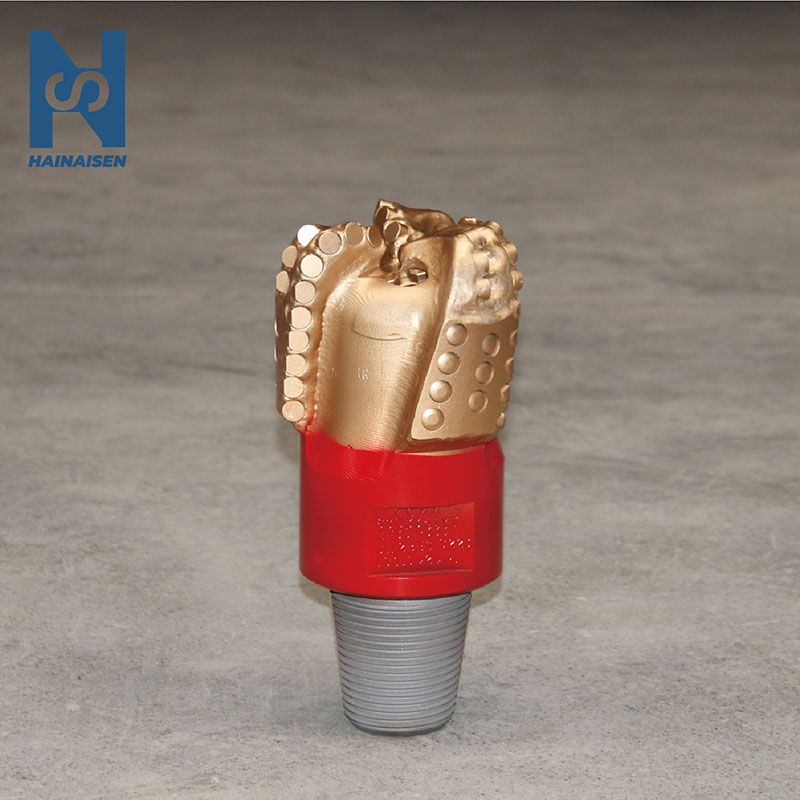
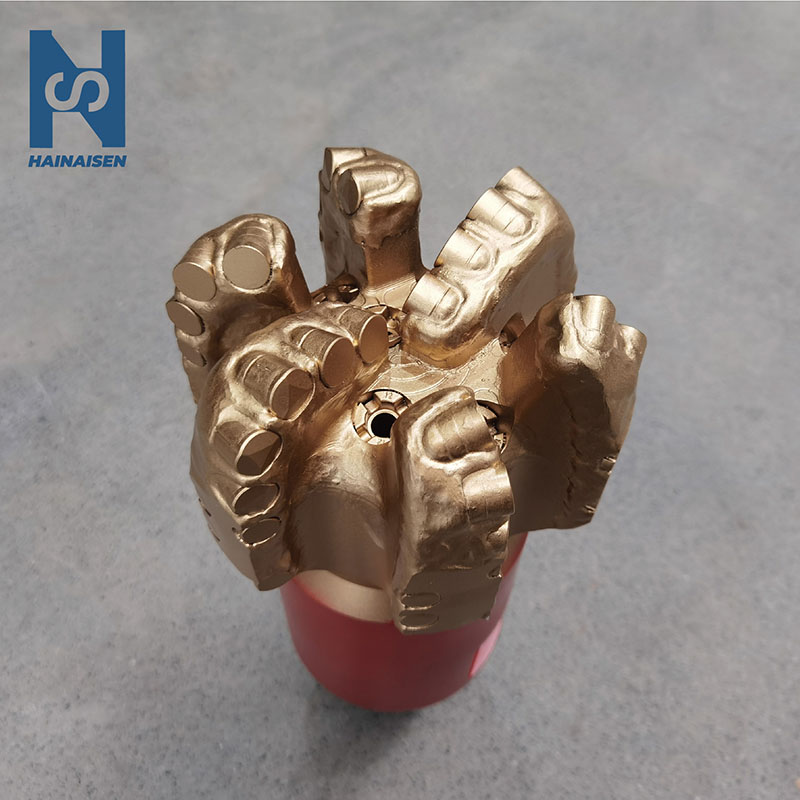
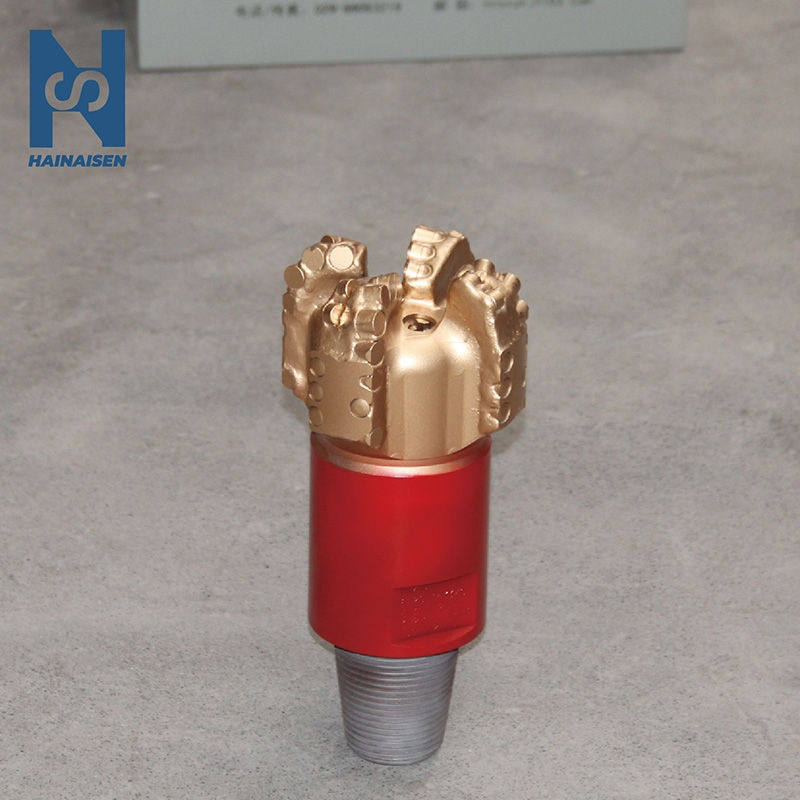
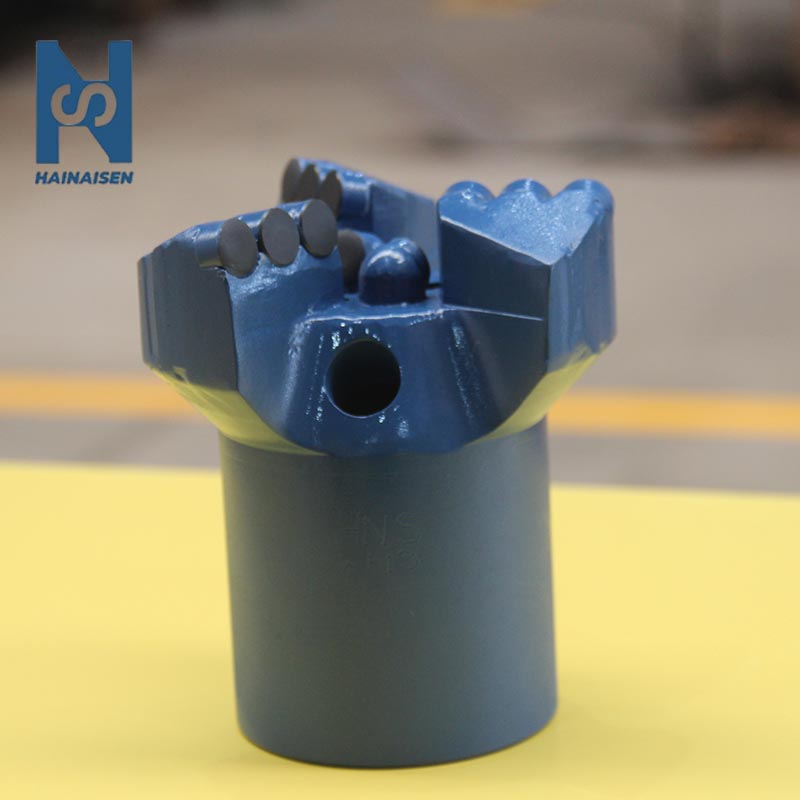
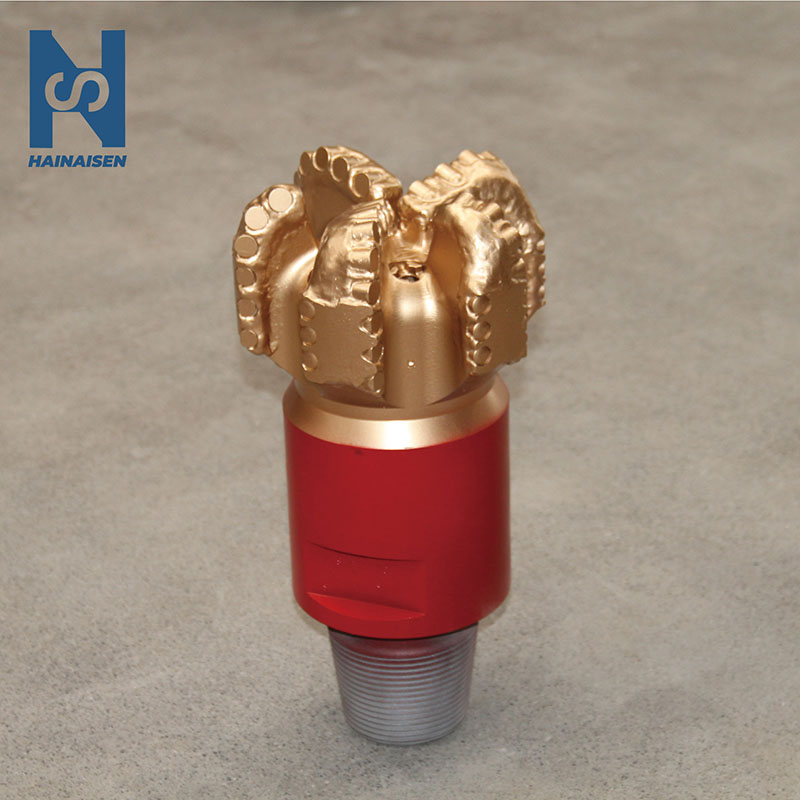
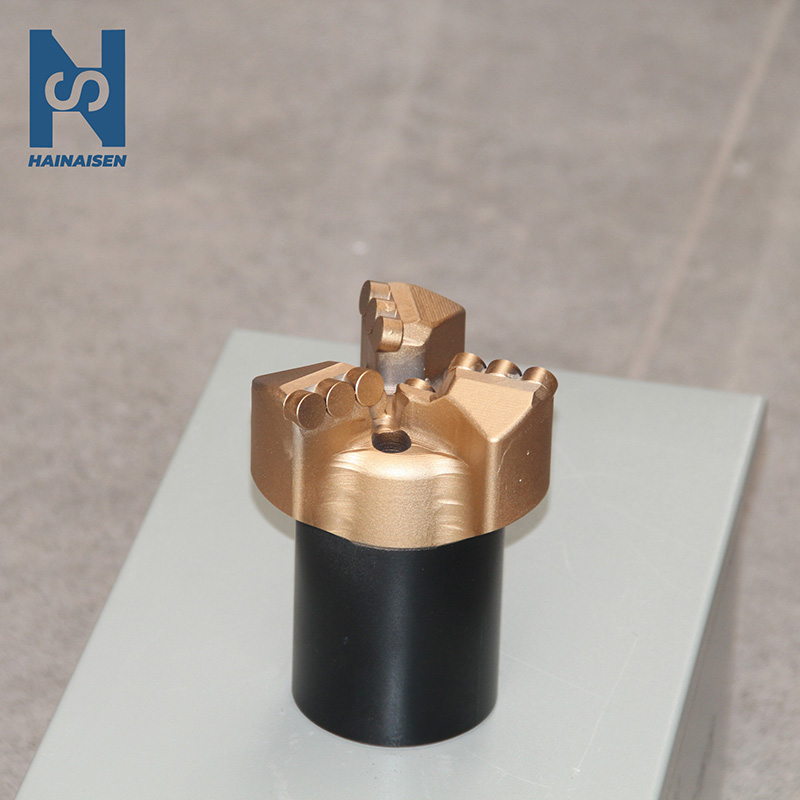
If you need to choose between steel or matrix body Directional Three Blade PDC Drill Bits, it usually depends on the type of rock you are cutting. In general, steel body bits work well in soft to medium-hard formations. On the other hand, matrix body bits work best in very rough and interbedded formations. When making your choice, think about the following things:
- Formation hardness and abrasiveness
- Presence of interbedded layers
- Expected temperature and pressure conditions
- Potential for shock and vibration
Operational Factors
Beyond formation characteristics, several operational factors should influence your drill bit selection:
- Drilling depth and trajectory
- Required rate of penetration (ROP)
- Weight on bit (WOB) limitations
- Hydraulic requirements
- Bit durability and expected run time
Economic Considerations
While the initial cost of the drill bit is important, it's crucial to consider the overall economic impact of your selection:
- Total cost per foot drilled
- Potential for reduced trips and associated rig time
- Impact on overall project duration
- Long-term performance and reliability
Collaboration with Manufacturers
To ensure optimal bit selection and performance, it's advisable to work closely with experienced drill bit manufacturers. Their expertise can provide valuable insights into:
- Custom bit designs tailored to your specific drilling conditions
- Advanced cutter technologies and placement strategies
- Hydraulic optimization for improved cleaning and cooling
- Performance predictions based on historical data and modeling
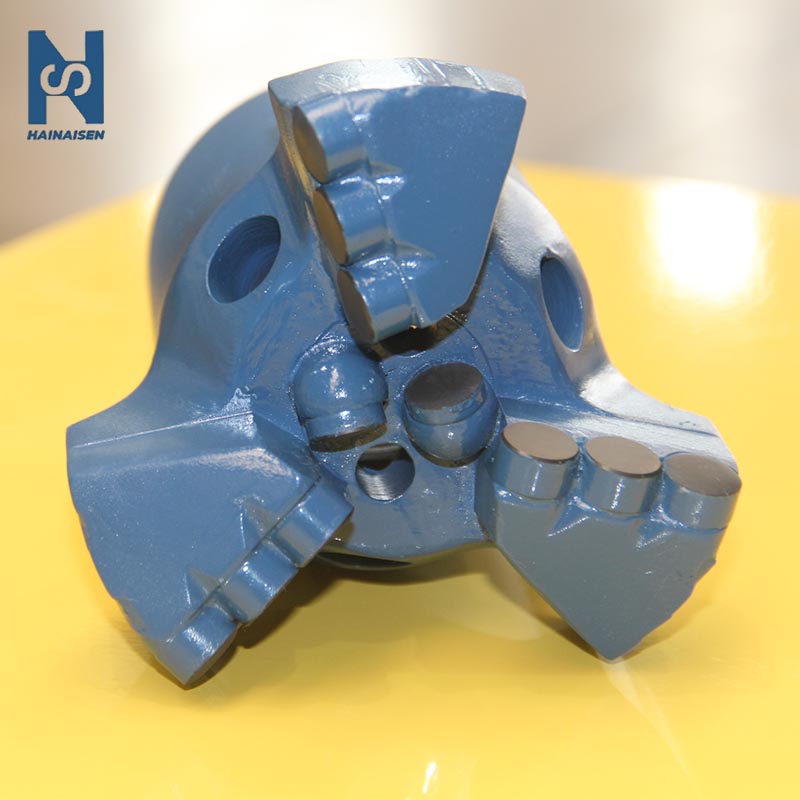
By carefully considering these factors and leveraging manufacturer expertise, drilling professionals can select the ideal Directional Three Blade PDC Drill Bit to maximize efficiency, reliability, and overall project success.
Conclusion
It's not always easy to decide between steel body and matrix body Directional Three Blade PDC Drill Bits. Each choice has its own benefits that can have a big effect on how well drilling works in different situations. Steel body bits are strong, good at getting rid of heat, and easy to build in a variety of ways, which makes them ideal for many formations and projects that need to be done quickly and cheaply. On the other hand, matrix body bits are better at resisting erosion, staying stable at high temperatures, and being able to be customized. This makes them perfect for drilling in tough and rough conditions.
It's important to carefully look at formation features, operational needs, and economic factors in order to make the best choice for your drilling needs. You can improve the quality of your drilling operations and get better results on even the hardest projects by working with makers who have a lot of experience and using cutting-edge bit technologies.
We at Shaanxi Hainaisen Petroleum Technology Co., Ltd. know the unique problems that coal mines, oil and gas drilling companies, and other businesses that need high-performance drilling solutions face. Our team of expert engineers works hard to make sure that the Directional Three Blade PDC Drill Bits we send you meet the exact needs of your project. We have the knowledge and advanced manufacturing skills to get great results, whether you're working with complicated rocks, deep wells, or difficult directional drilling situations.
Don't let choosing the wrong drill bit stop your job from being successful. Get in touch with our team right away to talk about your drilling needs and find out how our state-of-the-art Directional Three Blade PDC Drill Bits can change the way you do things. Let's work together to make your drilling more effective, cut costs, and take your projects to new heights of performance.
FAQ
1. What are the main differences between steel and matrix body Directional Three Blade PDC Drill Bits?
Steel body bits offer superior strength, heat dissipation, and design flexibility, while matrix body bits excel in erosion resistance, thermal stability, and customization potential. The choice depends on specific drilling conditions and project requirements.
2. How do I choose between steel and matrix body bits for my drilling project?
Consider factors such as formation characteristics, expected temperatures and pressures, required rate of penetration, and overall project economics. Consulting with experienced manufacturers can help guide your decision based on your specific needs.
3. Are matrix body bits always more expensive than steel body bits?
While matrix body bits often have a higher initial cost, they may provide better long-term value in certain applications due to their enhanced durability and performance in challenging conditions. It's important to consider the total cost of ownership rather than just the upfront price.
4. Can Directional Three Blade PDC Drill Bits be customized for specific drilling conditions?
Yes, both steel and matrix body bits can be customized to optimize performance for specific drilling conditions. This may include adjustments to blade design, cutter placement, hydraulics, and material composition to meet the unique challenges of your project.
High-Performance Directional Three Blade PDC Drill Bits | HNS
Ready to elevate your drilling performance with industry-leading Directional Three Blade PDC Drill Bits? Shaanxi Hainaisen Petroleum Technology Co., Ltd. offers cutting-edge solutions tailored to your specific project needs. Our expert team combines advanced engineering with state-of-the-art manufacturing to deliver drill bits that excel in efficiency, durability, and reliability across a wide range of applications.
Don't settle for subpar drilling performance. Contact Us today at hainaisen@hnsdrillbit.com to discuss your requirements and discover how our customized Directional Three Blade PDC Drill Bits can transform your drilling operations. Let Hainaisen be your partner in achieving unprecedented drilling success.
References
1. Smith, J. R., & Johnson, A. L. (2022). Advancements in Directional Three Blade PDC Drill Bit Technology for Enhanced Drilling Performance. Journal of Petroleum Engineering, 45(3), 287-302.
2. Thompson, K. M. (2021). Comparative Analysis of Steel and Matrix Body PDC Drill Bits in Challenging Formations. International Journal of Drilling Engineering, 18(2), 156-171.
3. Rodriguez, E. S., et al. (2023). Optimizing Directional Drilling Efficiency: A Comprehensive Study of Three Blade PDC Bit Design. SPE Drilling & Completion, 38(1), 62-78.
4. Chen, L., & Wang, Y. (2022). Thermal Stability and Erosion Resistance of Matrix Body PDC Drill Bits in High-Temperature Wells. Journal of Materials Engineering and Performance, 31(4), 2845-2859.
5. Anderson, M. R., & Davis, T. L. (2021). Economic Evaluation of Steel vs. Matrix Body PDC Drill Bits in Unconventional Reservoirs. SPE Economics & Management, 13(3), 184-197.
6. Patel, S. K., & Gomez, R. A. (2023). Advanced Cutter Technologies for Directional Three Blade PDC Drill Bits: A Review. Wear, 512-513, 204289.