







3 Blades PDC Rock Bit: steel body vs matrix body comparison
It makes a big difference in how well and how cheaply a 3-blade PDC rock bit drills and how well it works when comparing steel body and matrix body design. When digging in soft rock, steel body bits are better at resisting impacts and going deeper, while matrix body bits are better at resisting wear and last longer in rough circumstances. By knowing these basic differences, buying professionals can choose the best bits for the job, which will increase drilling speed and lower total project costs.
Understanding 3-Blades PDC Rock Bits
In terms of drilling technology, the polycrystalline diamond compact drill bit is a new step forward. It has three carefully placed blades that cut very quickly while staying very stable. Instead of the rolling cone system found in regular tricone bits, these bits use fixed diamond cuts that are attached to blade structures.
Design Fundamentals and Cutting Mechanism
The three-blade design strikes the best mix between puncture rate and structural stability. Each blade has several PDC cuts that are placed at specific angles to remove rocks as efficiently as possible. The large junk holes between the blades make it easy to get rid of waste, which keeps the bit from balling and the boring performance steady. This way of thinking about design puts directional drilling first while also making sure that enough power is transmitted through difficult rocks.
The cutting device uses slicing action instead of breaking, which uses less energy and does less damage to the creation. Modern hydraulic designs use needles that are put in specific ways to improve fluid flow patterns. This makes it easier to clean holes and keeps cutter elements cool while they're working.
Performance Advantages in Drilling Operations
Three-blade PDC Bits work better than other options. Higher rates of entry are possible in medium- to hard rocks with the active cutting structure. This cuts down on total drilling time and costs. Better stability properties reduce unwanted movements that can hurt downhole tools and lower the quality of the wellbore.
When digging in a specific direction, these bits work great because they allow for exact control of the drill path. The shape of the blades naturally steers the wellbore, which helps directional drillers stay on track with their plans. Advanced cutting technology and optimal wear patterns make bits last longer, which is a great benefit for long-reach drilling jobs.
Steel Body vs. Matrix Body: Core Differences and Performance Analysis
The main difference between steel and matrix bodybuilding is how they are made and what materials are used. Steel body 3-blade PDC rock bits are made from finished steel parts that have PDC cuts brazed or manually connected to them. Matrix body 3 Blades PDC Rock Bits, on the other hand, use powder metallurgy to make tungsten carbide composite structures.
Material Science and Manufacturing Processes
High-quality alloy steels are used in steel body building. These steels are heated in specific ways to get the best strength and toughness properties. Complicated internal shapes and exact cutting placement are possible with milling, which makes it possible for complicated hydraulic systems. Brazing methods make strong metal links between cuts and steel surfaces, which makes sure they work well even when the load changes.
Sintering tungsten carbide powder around cutting elements and internal parts is what matrix body production is all about. This method makes a uniform structure that is very resistant to erosion and stable at high temperatures. The tungsten carbide core protects better against mechanical wear, which increases the tool's useful life in tough rocks. But compared to polished steel options, the sintering process reduces the variety of the shapes that can be made.
Operational Performance Comparison
Steel body bits are better at withstanding impacts, which makes them perfect for rock formations with tough stringers or unstable geology. The design is made of flexible steel, so it can handle shock loads without breaking. This makes it effective in tough situations. Because they can be fixed and restored, blades can be used again and again, which makes them last longer and costs less to replace.
In rocks that are always rough and need to be resistant to weathering, matrix body bits work really well. No matter how quickly it wears down, the tungsten carbide structure stays the same size. This means that the hydraulic efficiency stays high for as long as it's useful. The ability to move heat helps get rid of the heat that is made when digging. This keeps PDC tools from breaking down when it's hot outside.
How to Choose Between Steel Body and Matrix Body 3 Blades PDC Rock Bits
To choose the best body type, you need to carefully look at the formation's properties, the operation's needs, and the cost. Knowing the connection between rock and bit performance helps you make smart purchasing choices that improve drilling efficiency and cut costs.
Formation-Specific Selection Criteria
Steel body design is better for soft to medium formations with little rough material because it penetrates faster and costs less at first. The strong cutting action makes for great drilling results, and the impact-resistant steel body can handle hard lines without breaking. These conditions are common in shale layers, limestone sections, and sands that haven't been packed down.
Matrix body structure is useful for highly rough rocks that contain quartz, sandstone, or other materials that wear away easily. When compared to steel bodies, tungsten carbide structures don't wear down as quickly, so they keep drilling performance high over long runs. The longer longevity of matrix body shapes is especially useful for deep drilling, where bit trips cost a lot of money.
Procurement Considerations and Economic Analysis
When you do a cost study, you have to look at both the original buy price and the total cost of ownership. Steel body bits usually have lower initial costs, but they may need to be replaced more often in rough circumstances. The starting cost of matrix body bits is higher, but they last longer and trip less often, which could lower the total cost of drilling.
When evaluating a supplier, you should look at their expert help, customization choices, and quality testing programs. Well-known companies offer technical help to make bit designs like the 3 Blades PDC Rock Bit work best for certain uses, making sure that you get the most out of your investment. The terms of the warranty and rules for replacing have a big effect on figuring out the total cost and managing business risk.
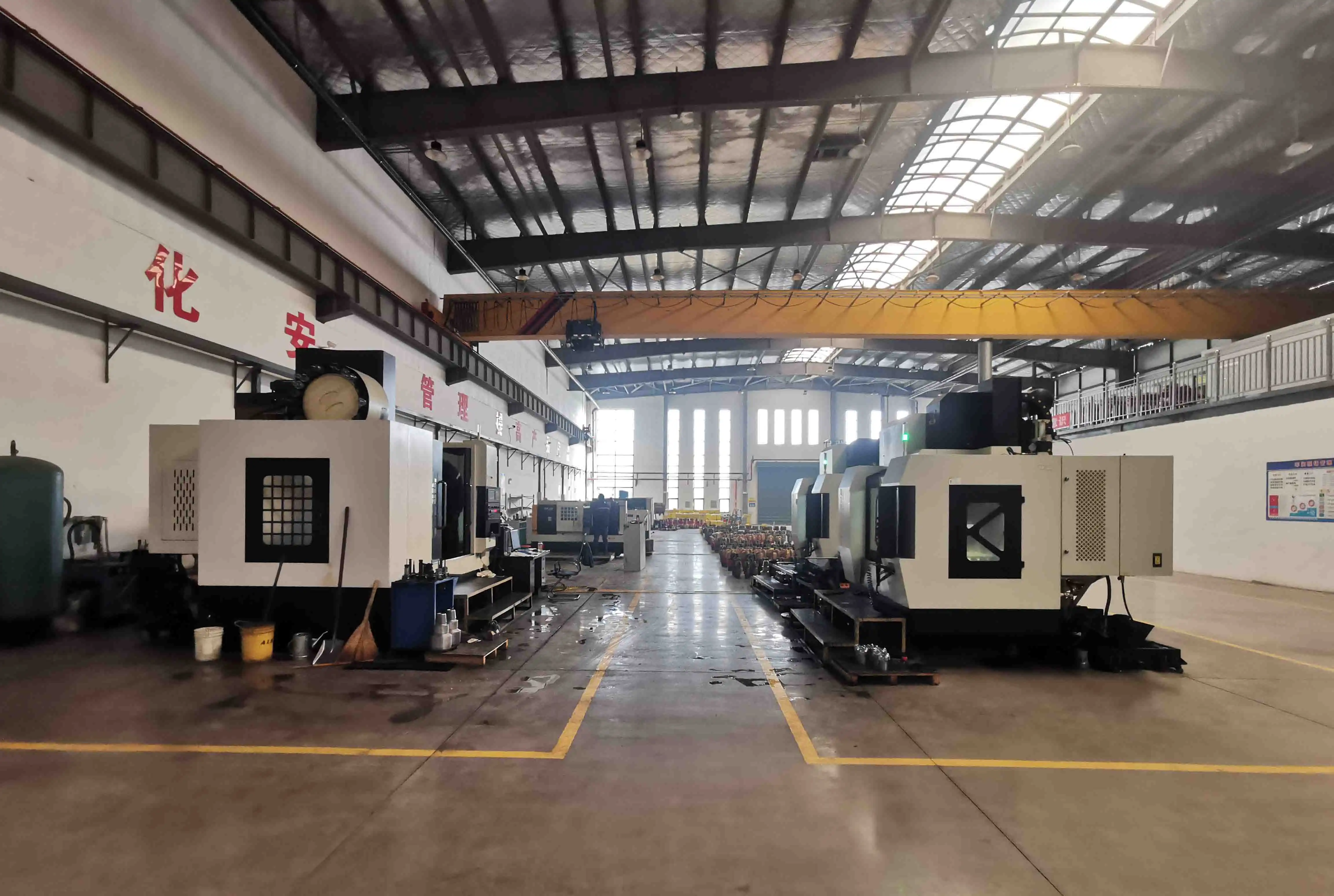
Industry Trends and Innovations in 3-Blade PDC Rock Bits
The drilling industry continues advancing PDC technology through material science breakthroughs and enhanced manufacturing techniques. These innovations drive improved performance, extended operational life, and broader application ranges for three-blade designs.
Technological Advancements and Material Innovations
Recent developments in cutter technology include thermally stable polycrystalline diamond elements that maintain cutting efficiency at elevated temperatures. Advanced brazing metallurgy creates stronger bonds between cutters and bit bodies, reducing premature cutter loss and extending operational life. Sophisticated modeling software enables precise stress analysis and optimization of blade geometry for specific formation characteristics.
Manufacturing innovations incorporate additive manufacturing techniques for complex internal cooling passages and hydraulic optimization. These technologies enable custom bit designs that address unique drilling challenges while maintaining cost-effectiveness for volume production. Quality control systems utilize advanced inspection methods to ensure consistent performance and reliability.
Market Dynamics and Future Outlook
The global drilling market increasingly demands customized solutions tailored to specific geological conditions and operational requirements. Manufacturers respond by developing modular design approaches that enable rapid customization without extensive engineering delays. Digital technologies facilitate virtual bit selection and performance prediction, reducing trial-and-error approaches in bit selection.
Environmental considerations drive the development of more efficient drilling technologies, such as the 3 Blades PDC Rock Bit, that minimize environmental impact while maximizing resource recovery. Enhanced bit performance reduces drilling time and associated emissions while improving overall project economics. These trends align with industry sustainability goals and regulatory requirements in major drilling markets.
Conclusion
The decision between steel body and matrix body construction in 3-blade PDC rock bits fundamentally impacts drilling performance, operational costs, and project success. Steel body bits provide cost-effective solutions for softer formations and applications requiring impact resistance, while matrix body designs deliver superior performance in abrasive conditions where durability becomes paramount. Successful bit selection requires careful analysis of formation characteristics, operational requirements, and economic considerations. Modern manufacturing capabilities and customization services enable optimized solutions that maximize drilling efficiency while minimizing total cost of ownership. As drilling technology continues advancing, partnering with experienced manufacturers ensures access to the latest innovations and technical expertise necessary for optimal performance in challenging drilling applications.
FAQ
1. Which body type provides better durability in highly abrasive formations?
Matrix body construction delivers superior durability in abrasive formations due to its tungsten carbide composition. The sintered matrix structure resists erosive wear that rapidly degrades steel body alternatives, maintaining drilling performance throughout extended runs. Steel body bits may experience accelerated wear in highly abrasive conditions, requiring more frequent replacement and potentially increasing overall drilling costs.
2. How does body choice affect drilling efficiency and operational costs?
Body selection directly influences both drilling efficiency and total cost of ownership. Steel body bits typically achieve faster penetration rates in softer formations and offer lower initial costs, making them ideal for applications where formation abrasiveness remains minimal. Matrix body bits provide extended operational life in abrasive conditions, reducing trip frequency and associated costs despite higher initial investment. Proper selection based on formation characteristics optimizes both performance and economics.
3. Can drill bits be customized for specific geological requirements?
Yes, modern manufacturing capabilities enable extensive customization to address specific formation characteristics and operational requirements. Custom designs can incorporate optimized blade geometry, specialized cutter configurations, and tailored hydraulic systems to maximize performance in challenging conditions. Experienced manufacturers work closely with clients to develop solutions that balance performance requirements with cost considerations, ensuring optimal results for unique drilling applications.
Partner with HNS for Premium 3 Blades PDC Rock Bit Solutions
Ready to optimize your drilling operations with industry-leading PDC technology? HNS combines decades of manufacturing expertise with cutting-edge innovation to deliver superior 3 blades PDC rock bit solutions tailored to your specific requirements. Our comprehensive product range encompasses both steel and matrix body designs, supported by extensive customization capabilities and dedicated technical assistance. Whether you need a reliable 3 blades PDC rock bit supplier for standard applications or custom solutions for challenging formations, our experienced engineering team provides the expertise and quality assurance your operations demand. Contact Us today at hainaisen@hnsdrillbit.com.
References
1. Smith, J.R. and Anderson, M.K. "Advanced PDC Drill Bit Design: Material Selection and Performance Optimization in Challenging Formations." Journal of Petroleum Technology, Vol. 74, No. 8, 2022, pp. 45-58.
2. Thompson, R.L., Williams, C.J., and Davis, P.M. "Comparative Analysis of Steel Body versus Matrix Body PDC Bits in Unconventional Drilling Applications." SPE Drilling & Completion, Vol. 37, No. 3, 2022, pp. 312-328.
3. Chen, L.H. and Rodriguez, M.A. "Manufacturing Innovations in Three-Blade PDC Rock Bit Technology: Impact on Drilling Performance and Cost Efficiency." International Journal of Rock Mechanics and Mining Sciences, Vol. 158, 2021, pp. 78-92.
4. Johnson, K.S., Brown, A.T., and Wilson, D.R. "Formation-Specific Selection Criteria for PDC Drill Bits: A Comprehensive Guide for Drilling Engineers." Drilling Contractor Magazine, Vol. 78, No. 4, 2022, pp. 156-163.
5. Miller, S.P. and Garcia, J.L. "Technological Advances in Polycrystalline Diamond Compact Cutters: Enhanced Performance in Abrasive Formations." Rock Mechanics and Rock Engineering, Vol. 55, No. 6, 2022, pp. 2847-2865.
6. Taylor, M.R., White, P.K., and Lee, S.Y. "Economic Analysis of PDC Bit Selection: Total Cost of Ownership Considerations in Modern Drilling Operations." Journal of Energy Resources Technology, Vol. 144, No. 9, 2022, pp. 092901-1 to 092901-12.
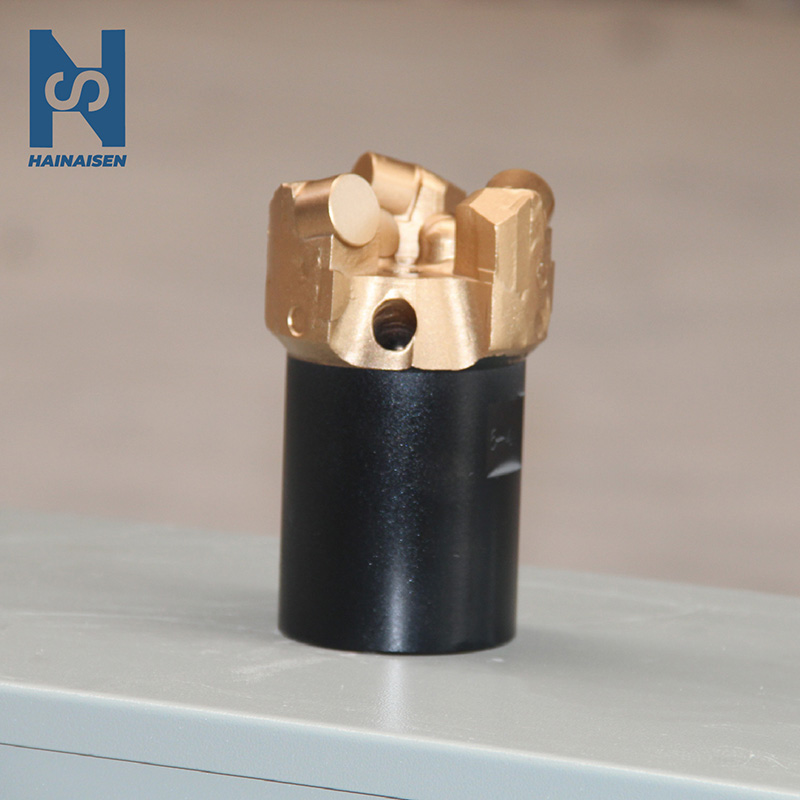 VIEW MORECoal Mining Use Diamond Drill Bit
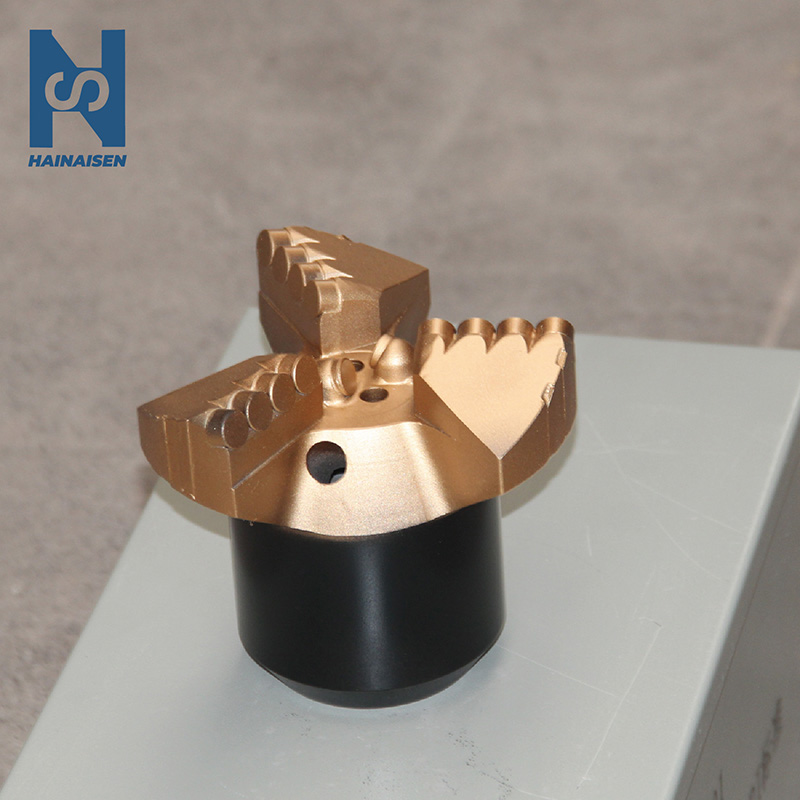 VIEW MORE153mm PDC Concave Bit
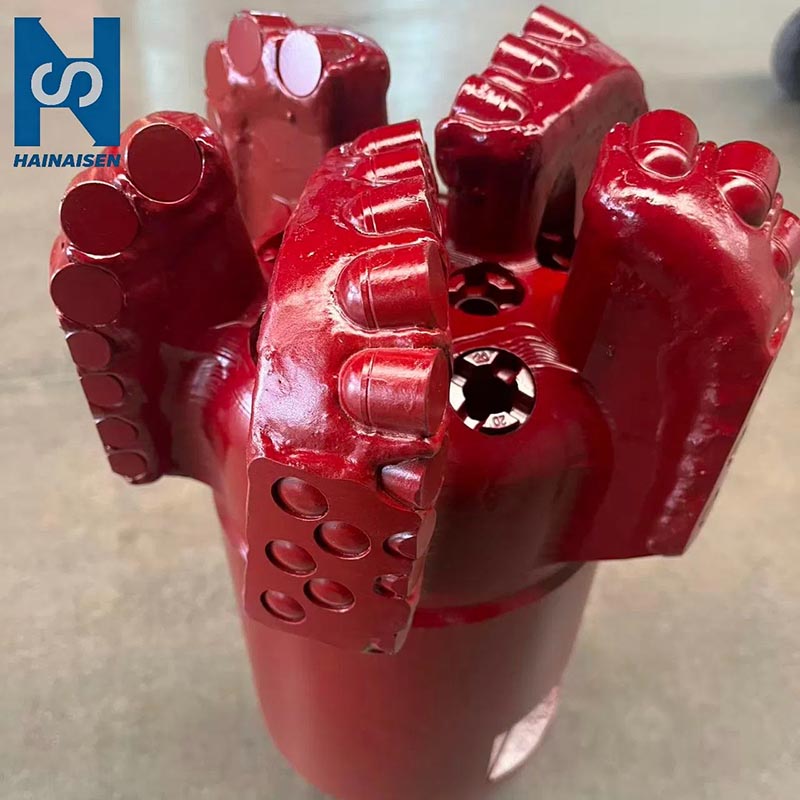 VIEW MORE5 Blade Steel Body PDC Bit
 VIEW MOREForging Deep Rock Well Drilling Bits
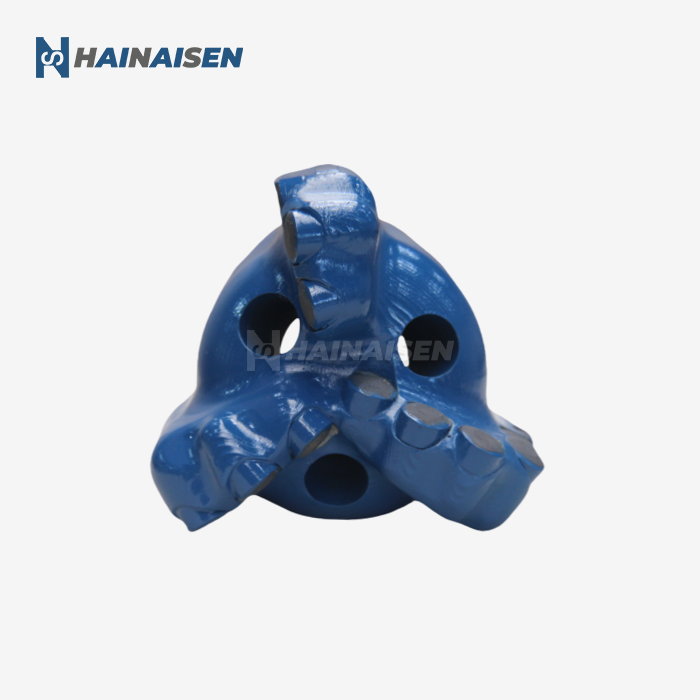 VIEW MORE113mm Three Wing Arc Angle Drill Bit
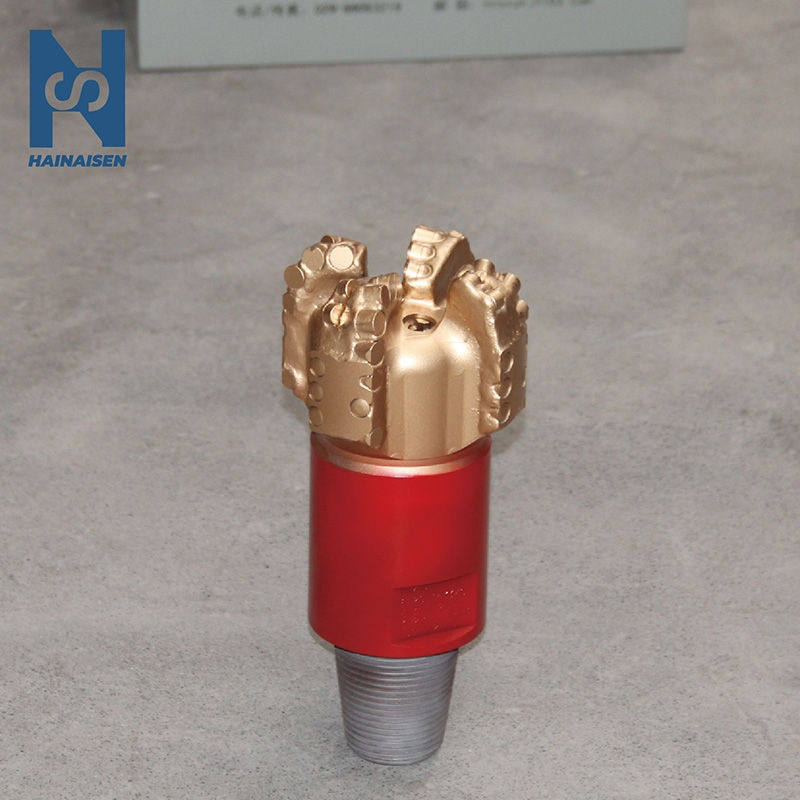 VIEW MORE4 Wings Blades PDC Bit
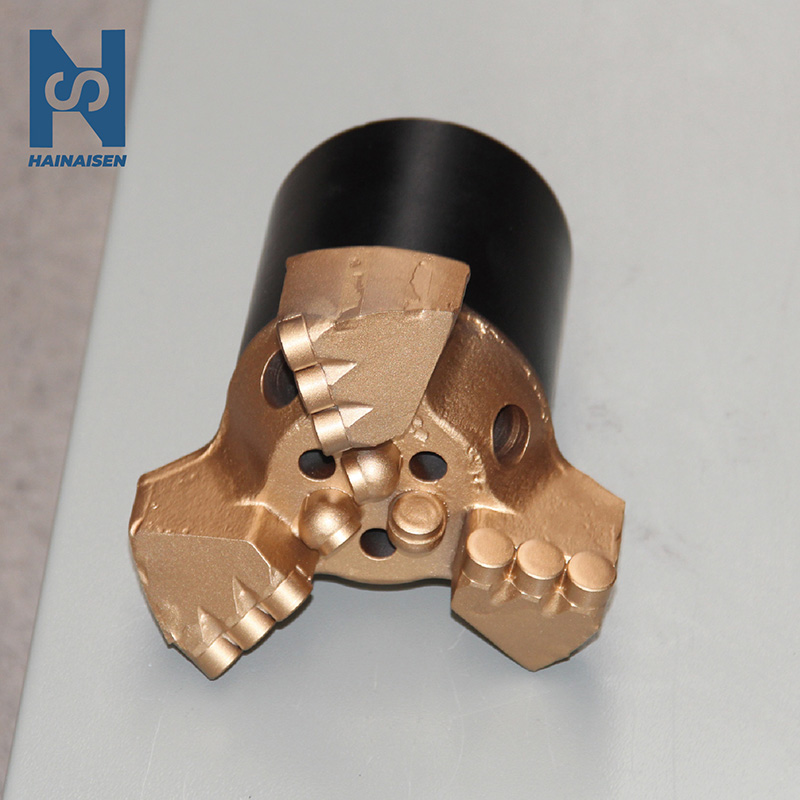 VIEW MOREThree Blade Concave Drill Bit Api For Manganese Coal Mines
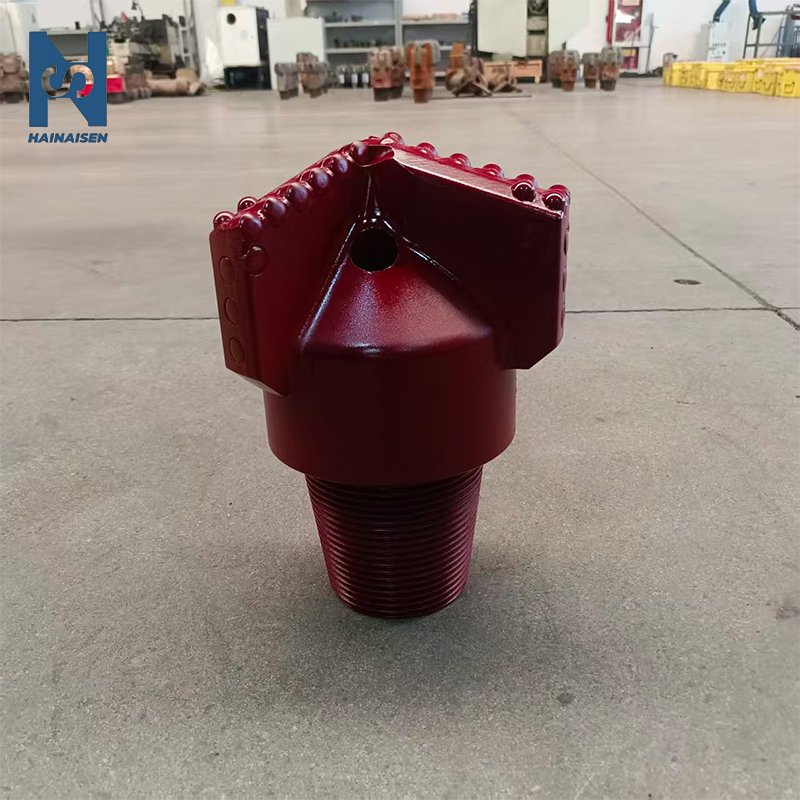 VIEW MOREHard Alloy Scraper Drill Bit
